


Up To 20% Off Full-Price Items
Shop now
EXTRA 20% Off Clearance
Shop now | Ends 11/9
Get An EXTRA $50 Cash Back*
Summit+ exclusive
Goal Zero
13 results

Goal Zero
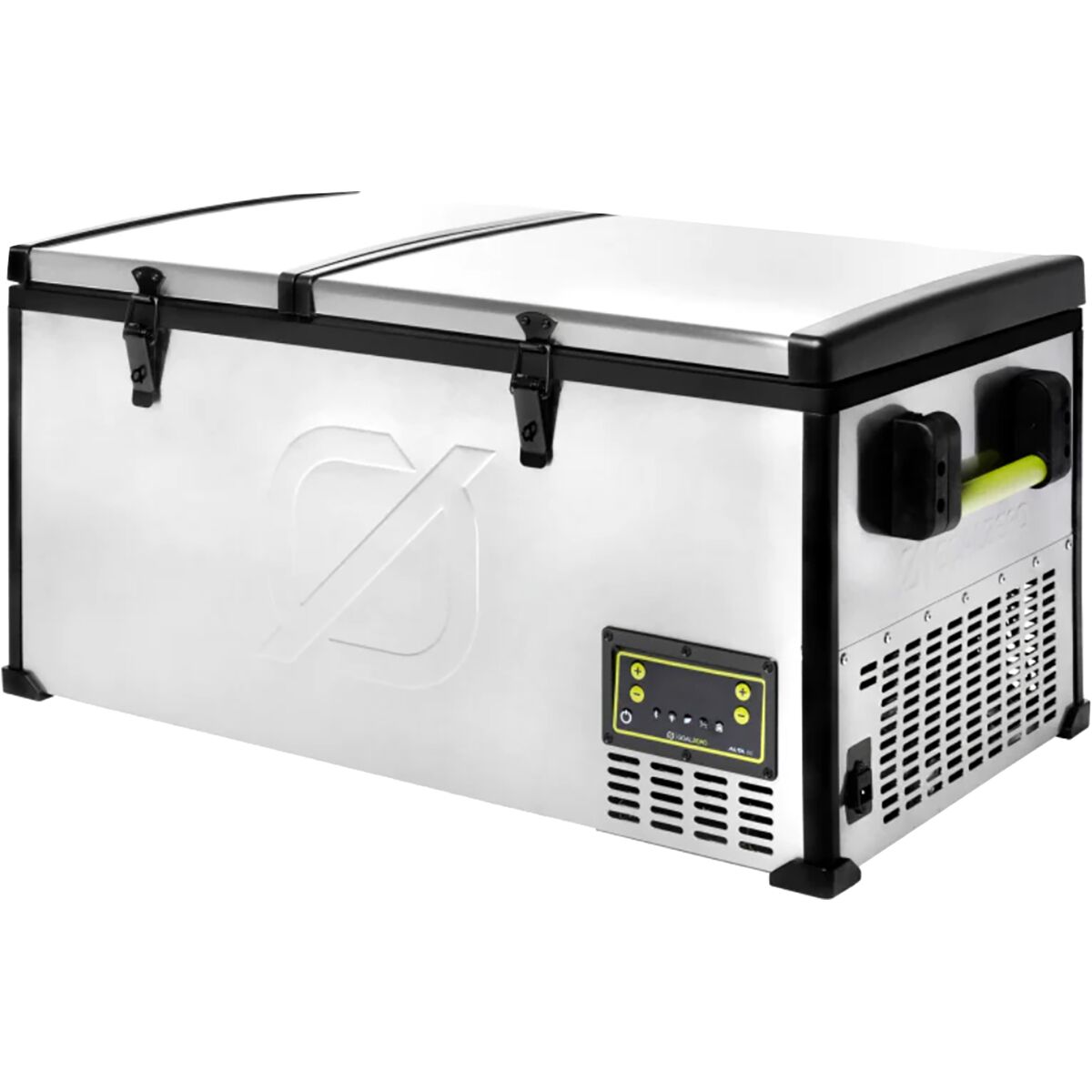
Alta 80 Portable Fridge
1 color
Discount Applies In Cart | Ends 11/16
(22)


Goal Zero
Venture 35 Solar Kit With Nomad 10
1 color
Discount Applies In Cart | Ends 11/16
(10)

Goal Zero
Boulder 100 Briefcase
1 color
Discount Applies In Cart | Ends 11/16
(27)

Goal Zero
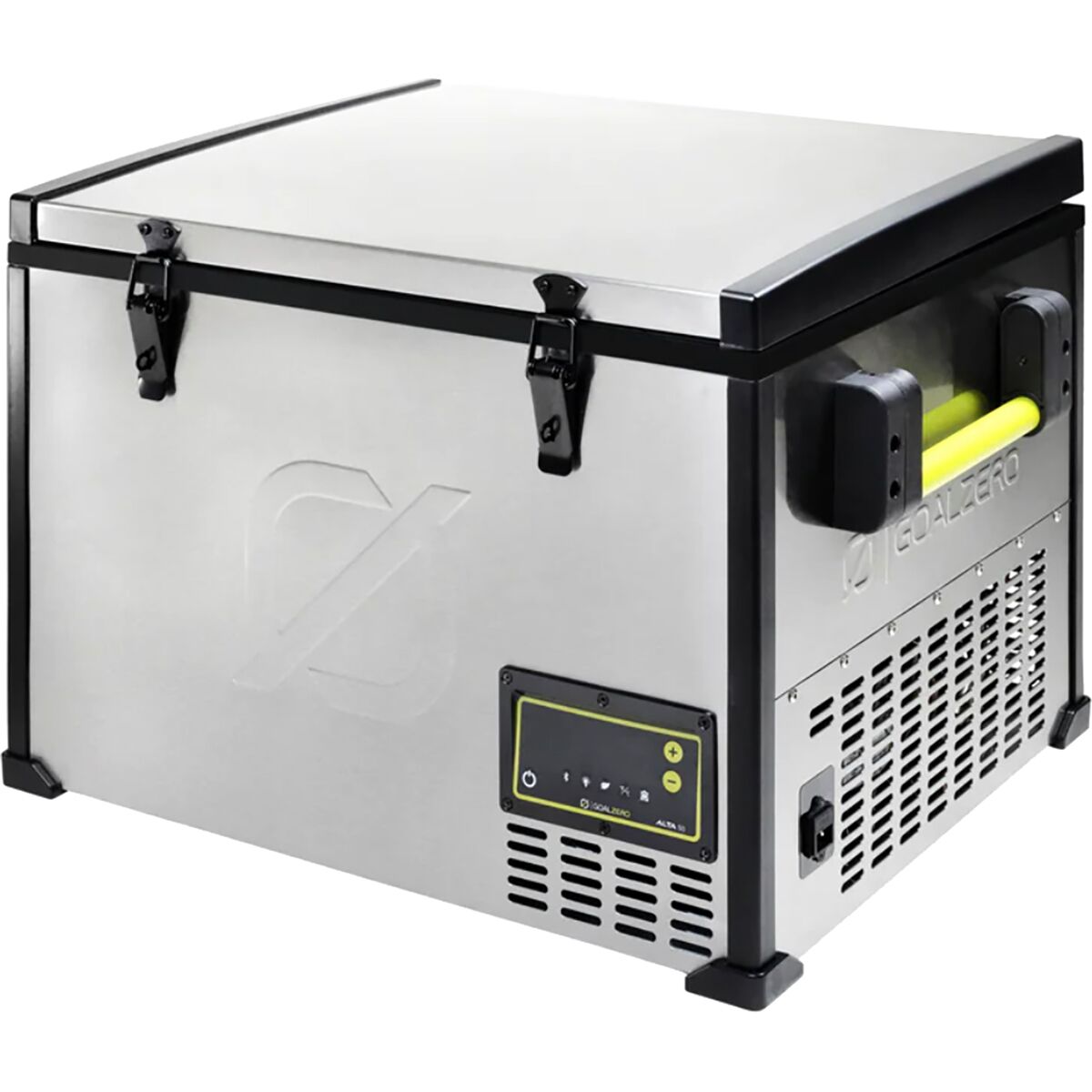
Alta 50 Portable Fridge
1 color
Discount Applies In Cart | Ends 11/16
(18)

Goal Zero
Lighthouse Micro Flash
1 color
Discount Applies In Cart | Ends 11/16
(54)

Goal Zero
Lighthouse Mini V2
1 color
Discount Applies In Cart | Ends 11/16
(36)

Goal Zero
Light-A-Life 350
1 color
Discount Applies In Cart | Ends 11/16
(47)

Goal Zero
Crush Light Chroma
1 color
Discount Applies In Cart | Ends 11/16
(26)

Goal Zero
Flip 36 Recharger
1 color
Discount Applies In Cart | Ends 11/16
(26)

Goal Zero
Lighthouse Micro Charge
1 color
Discount Applies In Cart | Ends 11/16
(25)

Goal Zero
Crush Light
1 color
Discount Applies In Cart | Ends 11/16
(36)

Goal Zero
Sherpa 100 PD (4th Gen)
1 color
Discount Applies In Cart | Ends 11/16
(29)

Goal Zero
Venture Jump Power Bank
1 color
Discount Applies In Cart | Ends 11/16
(33)
Related Categories
Frequently Asked Questions
How do I choose the right Goal Zero Yeti for camping, tailgating, or home backup?
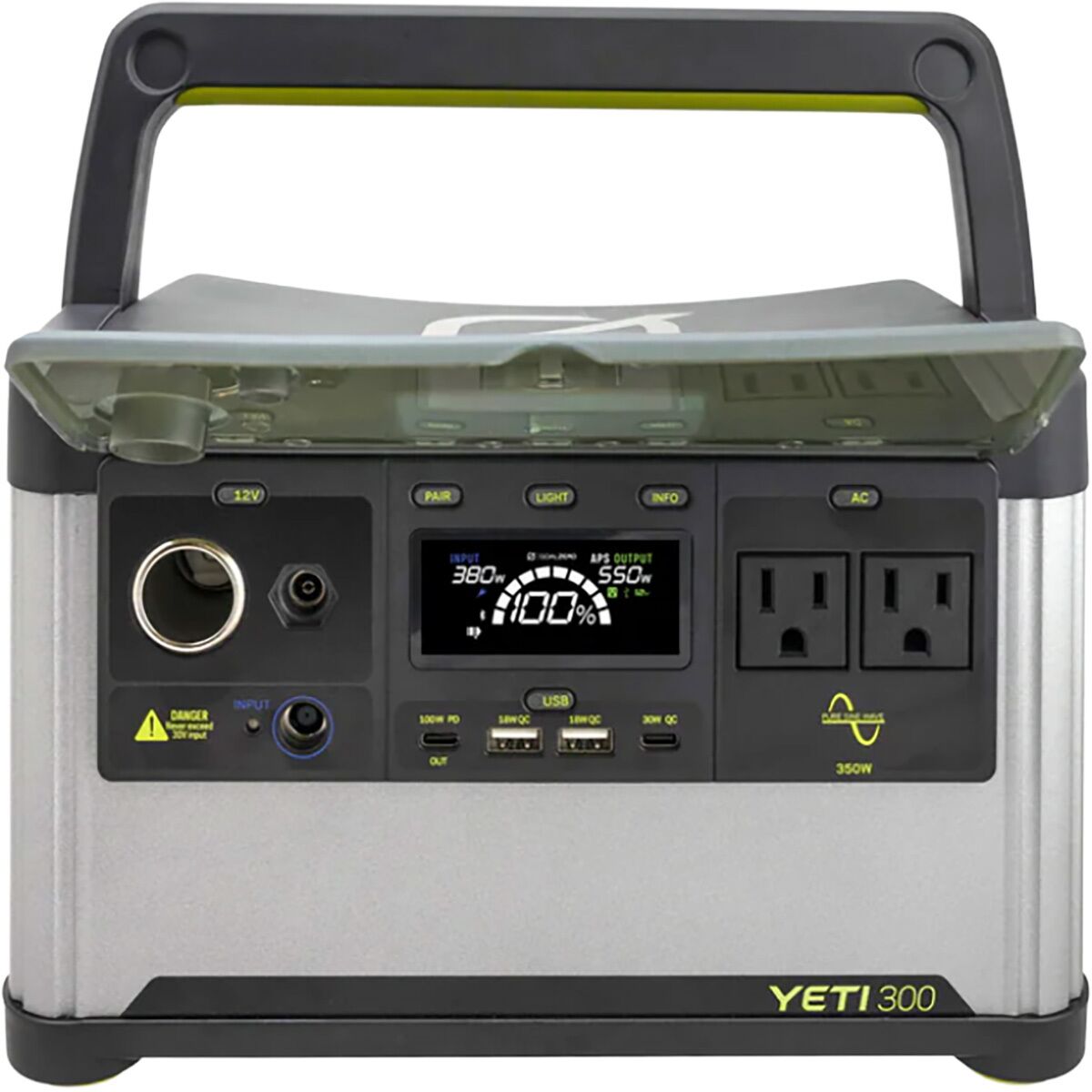
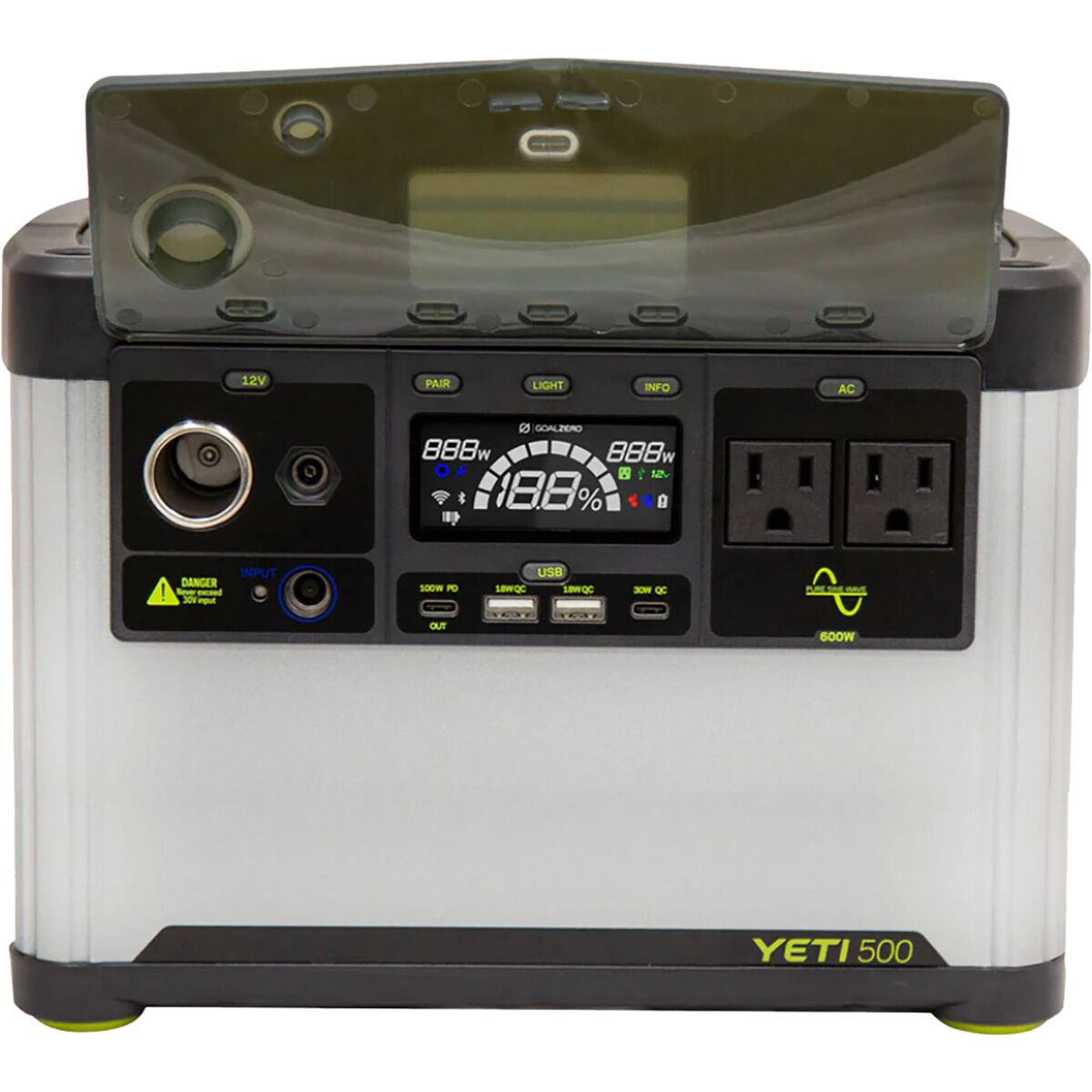
Match Wh capacity to the devices and runtime you need: compact units like the Yeti 300/500/700 (examples around the 677Wh class) work well for phones, lights, and small appliances on day hikes or car camping, while the Yeti 1500/1500X (around 1505Wh / 3032Wh) is better for multi-day camps and running larger devices. For heavy-duty or whole-house backup and power tools, the Yeti PRO 4000 (≈3993.6Wh, 3600W continuous, 7200W surge) offers the capacity and 30A outlet you’ll want. Also factor in recharge options and portability — faster recharge and LiFePO4 chemistry favor stationary or vehicle setups, smaller lithium-ion Yetis favor packability.What’s the difference between LiFePO4 and lithium-ion Yetis, and which should I pick?
LiFePO4 batteries (used in models like the Yeti PRO 4000 and newer Yeti 1500 variants) deliver much longer cycle life — often thousands of cycles — better thermal stability, and longer calendar life, making them ideal for daily-use home backup or long-term off-grid setups. Lithium-ion Yetis are typically lighter and more compact, which suits backpacking and short trips where weight and size matter. Choose LiFePO4 if longevity and repeated deep cycles matter; choose lithium-ion for maximum portability.How does the Yeti 1500/1500X compare to the Yeti 3000X for car camping and RV use?
The Yeti 1500 (about 1505Wh) gives a balance of portability and multi-device runtime for extended car camping, while the 3000X (≈3032Wh) doubles runtime for longer trips or heavier loads common in RVs. The 3000X’s larger capacity and broader port selection are better for running fridges, multiple appliances, or longer off-grid stays; the 1500’s weather-rated, fast-charging updates make it more convenient for frequent short trips. Pick the 1500 for lighter multi-day use and the 3000X when sustained higher wattage or longer runtimes are required.Can I recharge a Yeti with Goal Zero solar panels like the Boulder 100, and how fast will it charge in the field?
Yes, Goal Zero Yetis are designed to pair with Boulder panels and other Goal Zero solar arrays; MPPT charge controllers maximize conversion efficiency. Expect a single Boulder 100 to deliver roughly 33–50% of a compact Yeti’s charge on a good sunny day, while large systems and high-input models (for example, the PRO 4000 supports very high solar input up to multi-kilowatt rates) will recharge much faster — Goal Zero quotes full recharges in a few hours with large solar arrays and high AC/solar input. For best results, match panel wattage and MPPT capability to the specific Yeti model.What ports and continuous power outputs should I consider for running appliances or tools?
Check the continuous AC wattage and available outlets for the loads you plan to run: compact Yetis are ideal for USB devices, lights, and low-wattage appliances, whereas the Yeti PRO 4000 provides 3600W continuous (7,200W surge) and a 30A AC outlet for heavy appliances and power tools. Also review the number and type of DC/USB ports, whether the unit has a built-in inverter size to handle motor startups, and app monitoring (Goal Zero Power App) to manage outputs and prevent overload. Choose a model whose continuous wattage exceeds your highest-running appliance and whose surge capability covers motor start currents.