


Up To 20% Off Full-Price Items
Shop now
EXTRA 20% Off Clearance
Shop now | Ends 11/9
Get An EXTRA $50 Cash Back*
Summit+ exclusive
Goal Zero Travel
10 results


Goal Zero
Venture 35 Solar Kit With Nomad 10
1 color
$169.95
Discount Applies In Cart | Ends 11/16
(10)

Goal Zero
Boulder 100 Briefcase
1 color
$399.95
Discount Applies In Cart | Ends 11/16
(27)

Goal Zero
Lighthouse Micro Flash
1 color
$39.95
Discount Applies In Cart | Ends 11/16
(54)

Goal Zero
Lighthouse Mini V2
1 color
$49.95
Discount Applies In Cart | Ends 11/16
(36)

Goal Zero
Light-A-Life 350
1 color
$49.95
Discount Applies In Cart | Ends 11/16
(47)

Goal Zero
Flip 36 Recharger
1 color
$39.95
Discount Applies In Cart | Ends 11/16
(26)

Goal Zero
Lighthouse Micro Charge
1 color
$39.95
Discount Applies In Cart | Ends 11/16
(25)

Goal Zero
Crush Light
1 color
$29.95
Discount Applies In Cart | Ends 11/16
(36)

Goal Zero
Sherpa 100 PD (4th Gen)
1 color
$199.95
Discount Applies In Cart | Ends 11/16
(29)

Goal Zero
Venture Jump Power Bank
1 color
$149.95
Discount Applies In Cart | Ends 11/16
(33)
Related Categories
Frequently Asked Questions
Which Goal Zero power packs are best for airline travel and working on the go?
Sherpa 100PD and Sherpa 100AC are designed for travel-grade use — they pack about 95 Wh and deliver up to 100W USB-C output for laptops, keeping them within most airline carry-on limits. For lighter laptop or tablet needs, the Sherpa 50 and compact Flip series offer smaller, more packable options.How do Sherpa power banks compare to Yeti power stations for outdoor use?
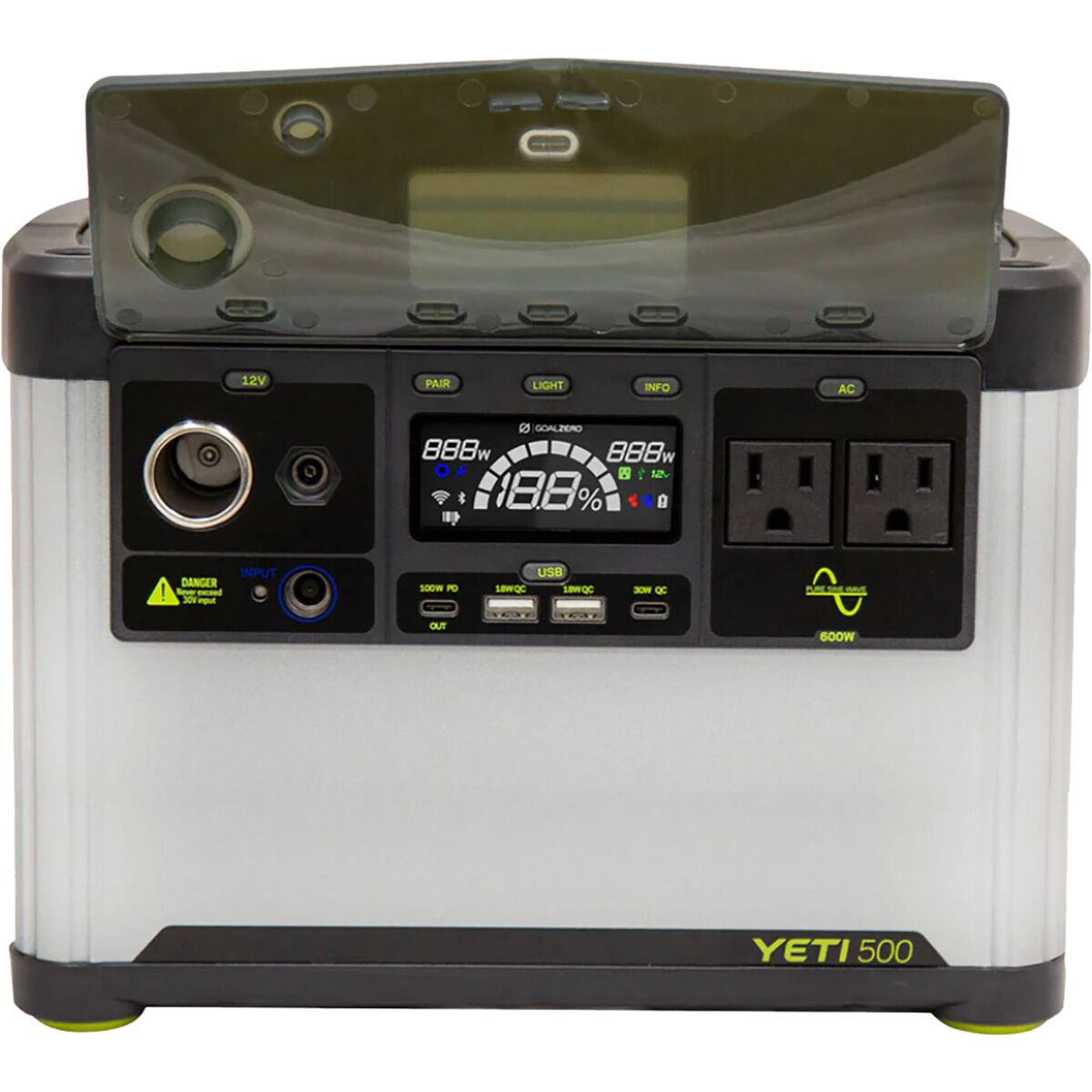
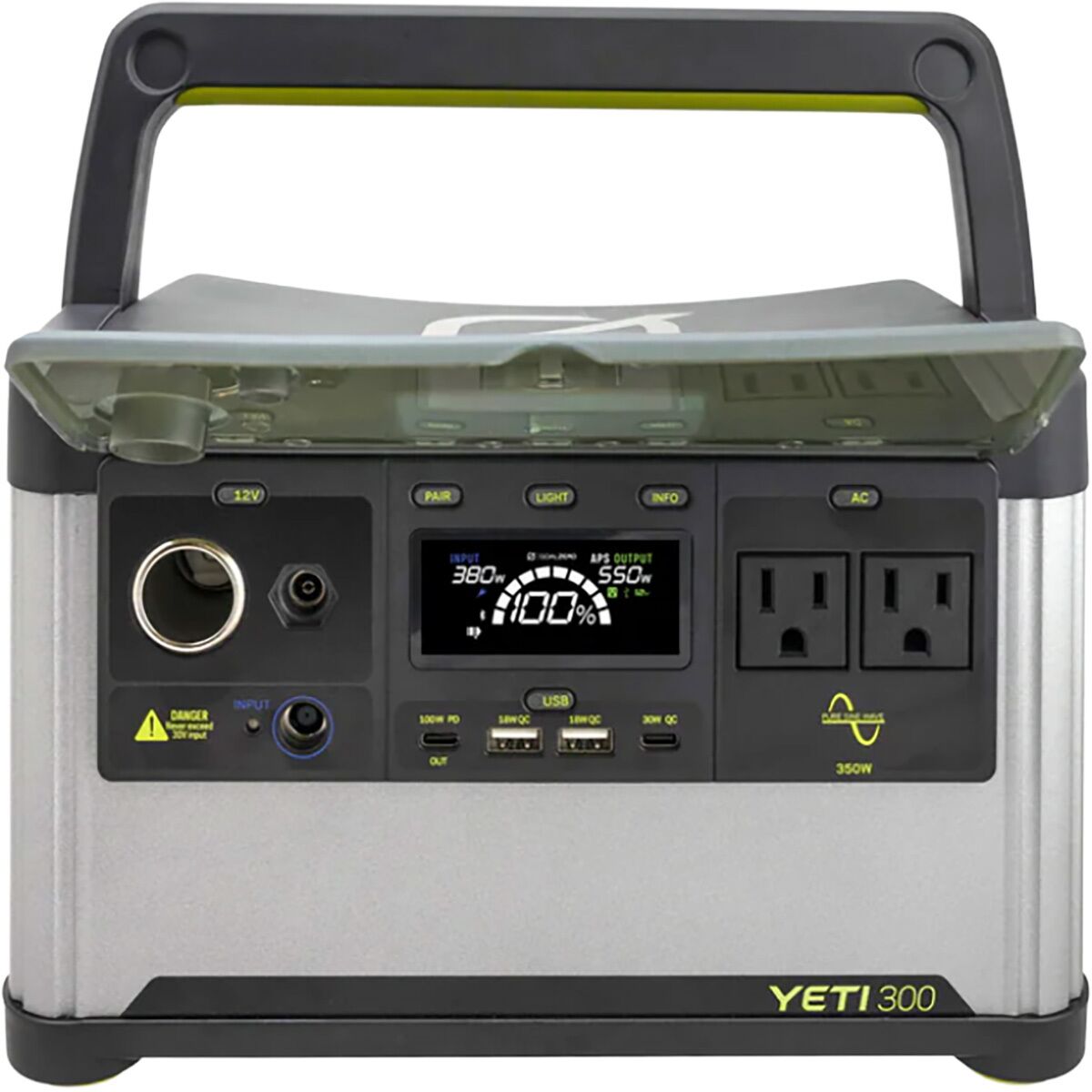
Sherpa power banks (like the Sherpa 100PD/100AC and Sherpa 50) prioritize portability and USB-C laptop charging for travelers and day trips, while Yeti stations (from the 200X up through the 500 and larger Yeti X models) provide much higher battery capacity, AC outlets, and long-duration off-grid power. Choose a Sherpa for laptop/tablet-centric travel and a Yeti when you need to run small appliances, multiple devices, or extended basecamp power.Can I recharge Goal Zero packs with solar panels in the field?
Yes, Goal Zero’s Nomad solar panels are designed to recharge Sherpa power banks and Yeti power stations either directly (USB-C/MC-4 inputs depending on model) or via Goal Zero’s proprietary adapters. Solar recharge rates vary with panel size and sunlight, so pairing a larger Nomad panel with a Yeti station shortens recharge time compared with a small panel on a Sherpa pack.How many times will a Goal Zero power bank charge my phone or laptop?
Charging counts depend on device battery size and the model you choose: compact banks can recharge typical phones multiple times (the spec range for some models is roughly 8–20 phone charges), while Sherpa 100-series units can provide full laptop charges via their 100W USB-C output. For an accurate estimate, compare your device’s mAh or Wh to the pack’s Wh rating and account for conversion losses.Which Goal Zero model is best for overnight backpacking versus multi-day basecamp use?
For lightweight overnight or minimalist backpacking, choose compact, rugged units like the Venture 35 (IP67 dust/waterproof) or a Sherpa 50 for phone and sensor charging. For multi-day basecamp power or to run AC devices, step up to a Yeti series station (Yeti 200X/500 or larger) and pair it with a Nomad solar panel and LiFePO4-equipped models like the Yeti 500 for increased cycle life.