


Up To 70% Off Black Friday Sale
More brands added | Shop now
20% Off Full-Price Items
Shop now
Camp & Travel Up To 70% Off
Daily deal! Shop now
Goal Zero Fly Fishing
2 results

Goal Zero
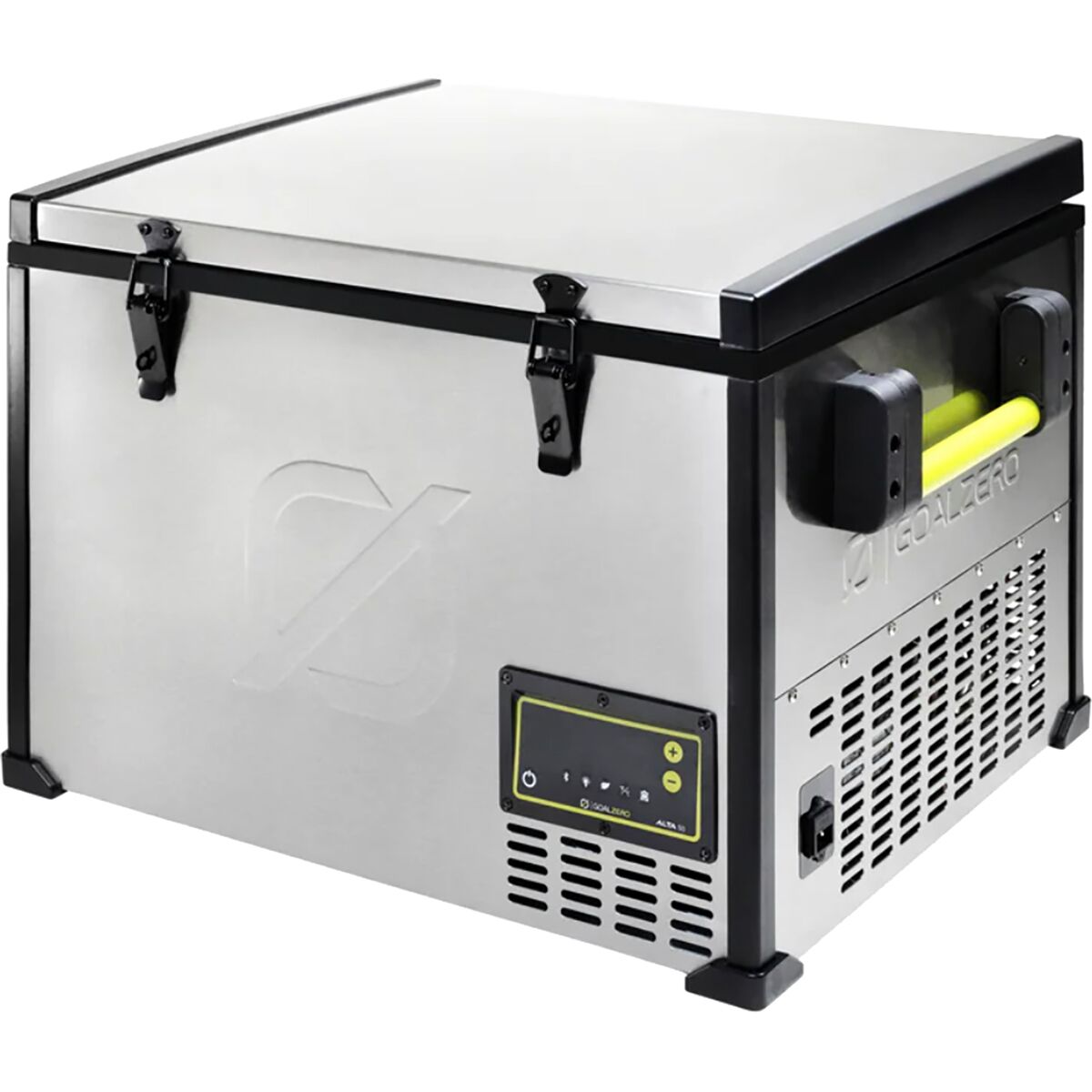
Alta 80 Portable Fridge
1 color
$999.95
Discount Applies In Cart
(22)

Goal Zero
Alta 50 Portable Fridge
1 color
$799.95
Discount Applies In Cart
(18)
Related Categories
Frequently Asked Questions
How do I choose the right Goal Zero power station for a fly fishing trip?
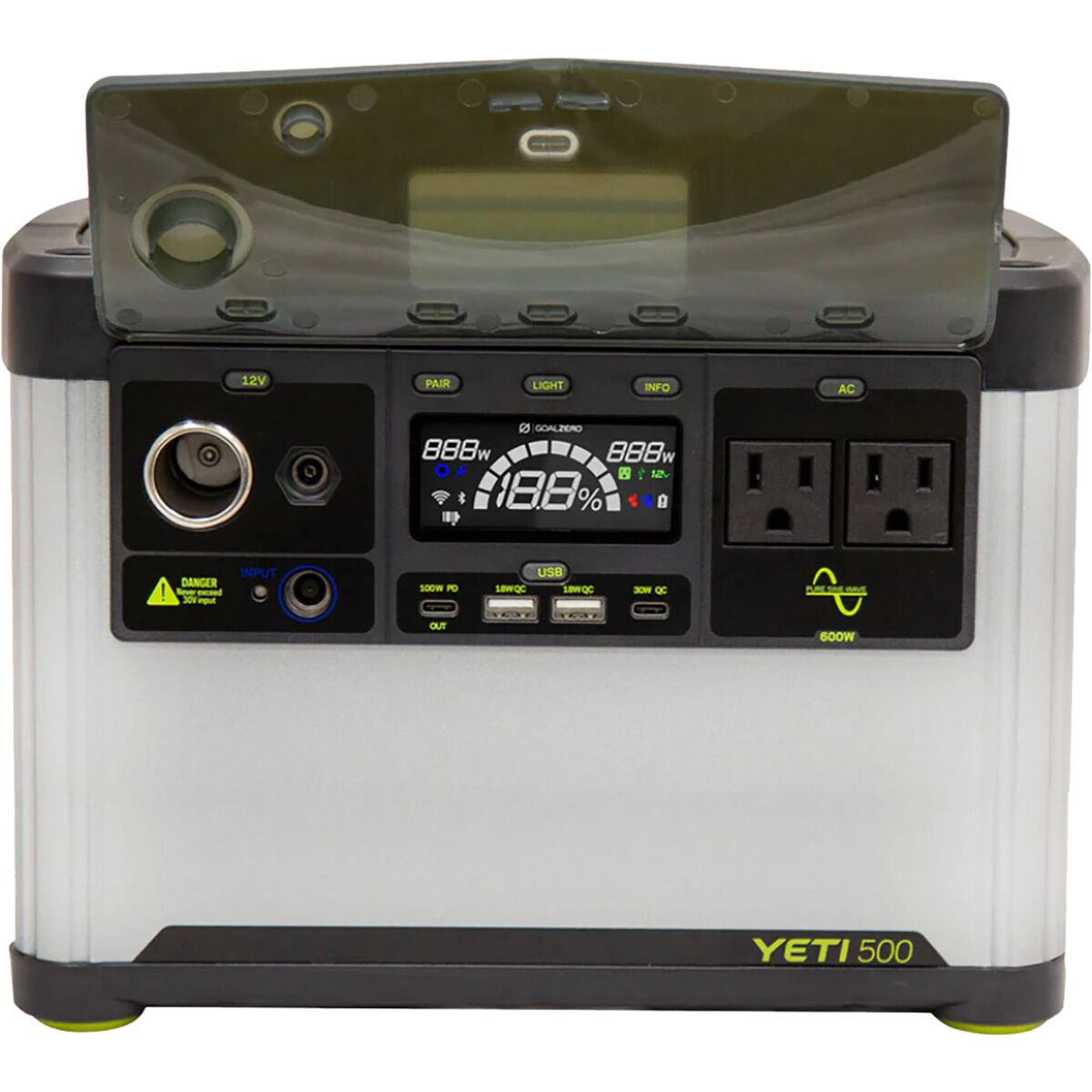
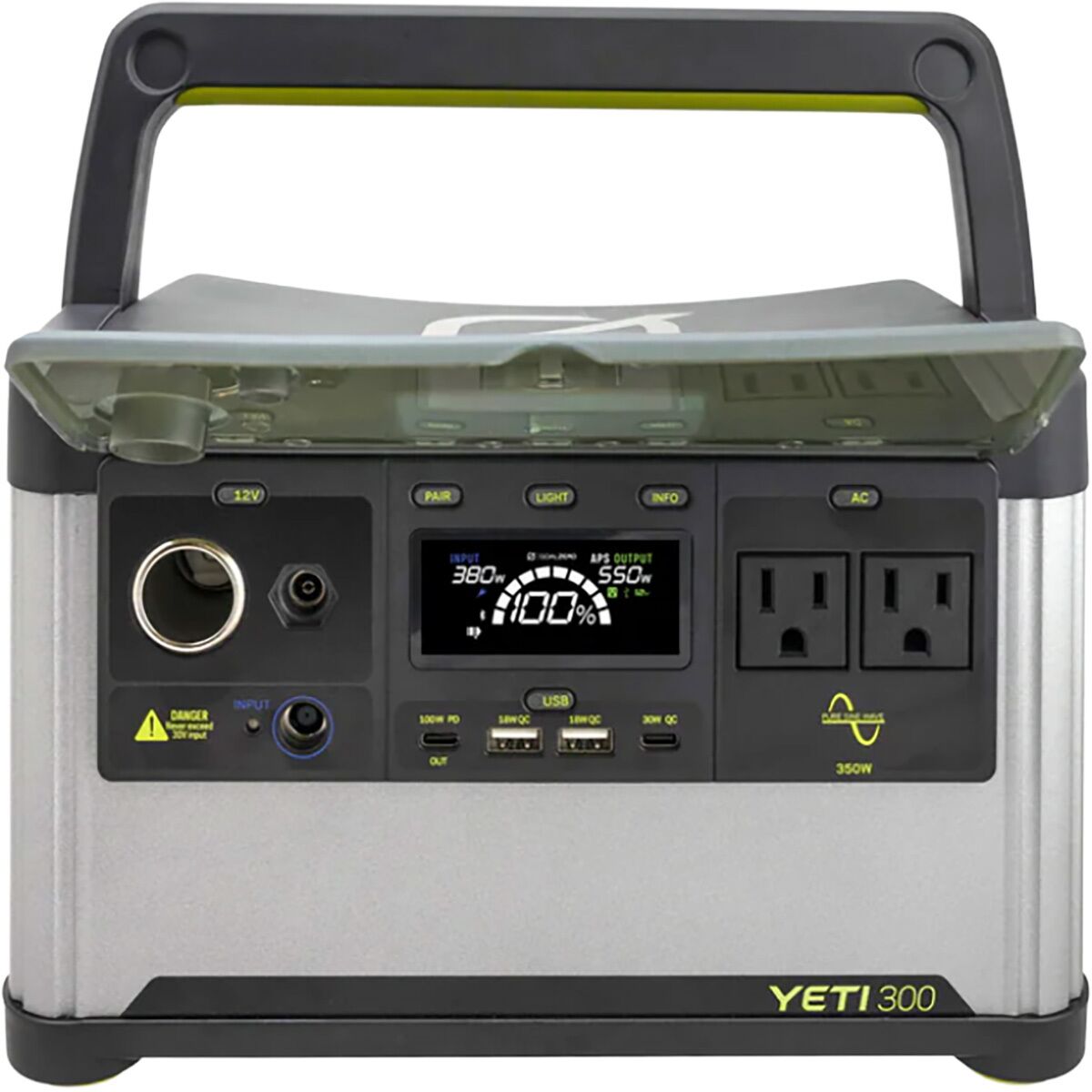
Pick by what you need to run and how you carry it: pocket-sized units like the Flip, Venture, or Guide 10 are great for charging phones, headlamps, and small electronics from a vest or pack, while Yeti-series stations (for example Yeti 500X or Yeti 1500X) are better for basecamp use when you need to run 12V fridges, pumps, or AC devices. Consider usable capacity, inverter continuous wattage, number and type of outputs (AC vs 12V vs USB), weight, and whether you plan to recharge by solar (Nomad/Boulder panels) or by vehicle. Check device starting surge and continuous draw to match the station’s inverter and 12V output capabilities.Can I recharge a Yeti with the Nomad 200 solar panel on a multi-day trip?
Yes, Nomad series panels like the Nomad 200 are designed to recharge Yeti power stations when paired with the correct cables or adapters (MC4-to-8mm/8mm extensions) and sufficient sun. Actual recharge speed depends on solar conditions, panel orientation, and the Yeti model’s input limits, so position panels for direct sun and consider panel-to-battery compatibility when planning multi-day off-grid use.How do Torch 500, Flip, Venture, and Guide 10 compare for camp and on-water lighting?
The Torch 500 is a high-output, rechargeable flashlight with rugged weather resistance (IPX6) and multiple brightness settings for spotting or signaling, whereas the Flip and Venture are smaller, pocketable lights/powerbanks ideal for headlamp-less tasks or phone charging. The Guide 10 is a compact lantern-style option that doubles as a power bank for small devices and offers diffused light for camp chores; choose based on required lumen output, runtime, and whether you need charging ports.What’s the safest way to power a 12V fish pump or portable fridge from Goal Zero gear?
Use a Yeti unit with a dedicated 12V output or the appropriate 12V car adapter and check that the power station’s continuous and peak output meet the pump/fridge’s running and start-up currents. Run the device from the DC 12V port when possible to avoid inverter inefficiency, use recommended 8mm extension cables or fuses (many 12V adapters include a 15A fuse), and monitor battery capacity to avoid deep discharge on multi-day runs.How portable are Goal Zero setups for wading, small boats, or backpack fly fishing?
For wading or lightweight pack days, choose ultra-compact options like the Flip, Venture, Guide 10, or compact flashlights that fit a vest or hip pack; these provide phone and light power without heavy bulk. For small boats or shore-side basecamps, combine a mid- to high-capacity Yeti (e.g., 500X) with a folding Nomad or Boulder panel and use mounting brackets and 8mm/MC4 cabling for stable solar charging — always confirm dimensions and weight to match your carrying and storage plans.