


Up To 20% Off Full-Price Items
Shop now
EXTRA 20% Off Clearance
Shop now | Ends 11/9
Get An EXTRA $50 Cash Back*
Summit+ exclusive
Goal Zero Fly Fishing Essentials
2 results

Goal Zero
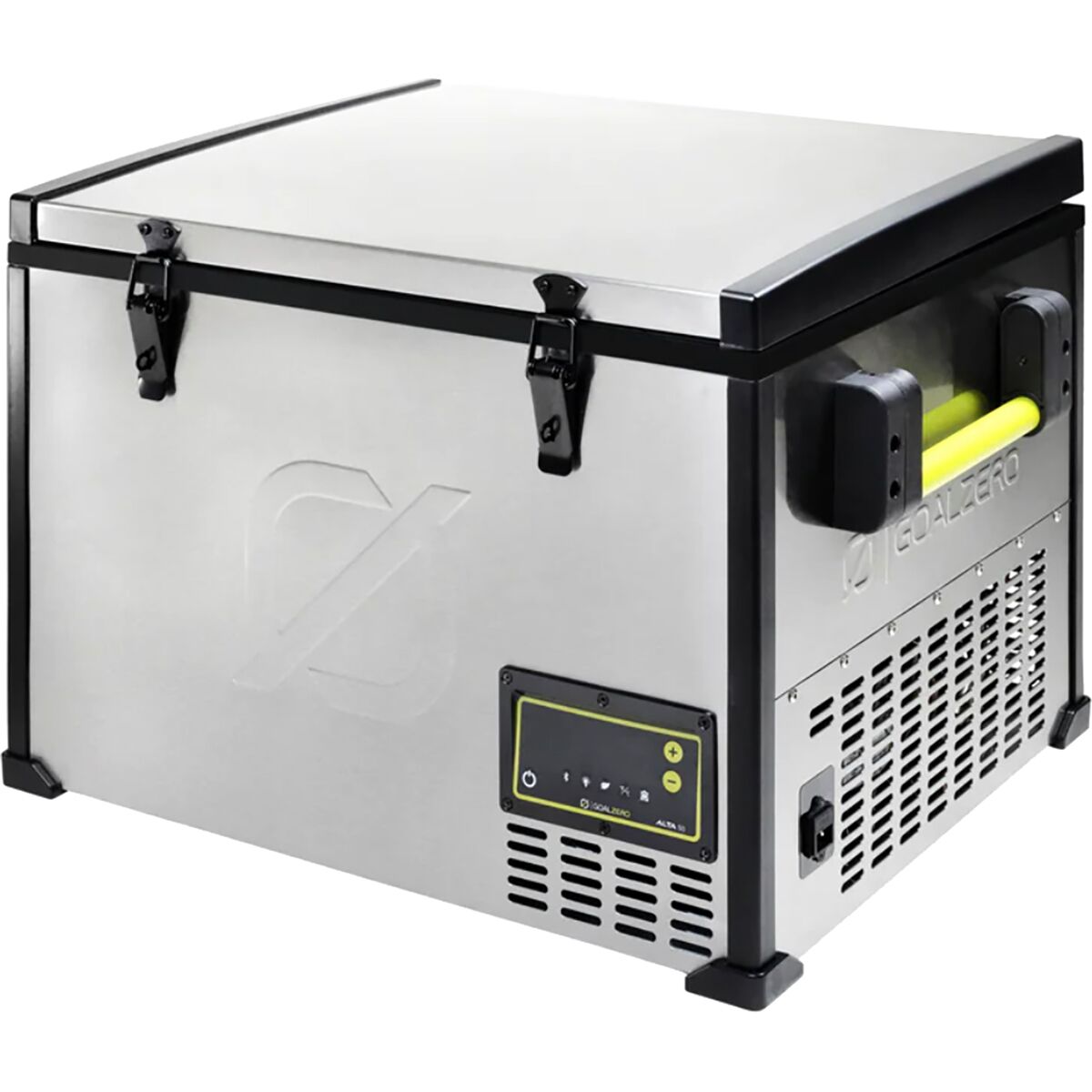
Alta 80 Portable Fridge
1 color
$999.95
Discount Applies In Cart | Ends 11/16
(22)

Goal Zero
Alta 50 Portable Fridge
1 color
$799.95
Discount Applies In Cart | Ends 11/16
(18)
Related Categories
Frequently Asked Questions
What Goal Zero gear should I pack for a multiday fly-fishing trip?
For multi-day trips, pair a Yeti power station (start with a 200X and scale up for longer stays) with a Nomad 100 solar panel to keep the station topped off, a Venture 75 waterproof power bank for wet riverside charging, and a Lighthouse 400 or 600 lantern for camp lighting and device charging. This combo balances high-capacity AC/12V output for fridges and pumps with lightweight, waterproof daily chargers and portable lighting.How does the Venture 75 compare to the Sherpa 100PD for charging phones and laptops at camp?
The Venture 75 is a rugged, IP67 waterproof 19200mAh power bank designed for wet conditions and quick 1.5‑hour USB‑C recharge, making it ideal for daily phone and headlamp top-offs on the river. The Sherpa 100PD is a 95Wh TSA‑approved pack with USB‑C PD and AC options better suited for powering laptops and basecamp setups. Choose the Venture 75 for pocketable, waterproof reliability and the Sherpa 100PD when you need laptop PD/AC capability at camp.Are Nomad solar panels reliable for river and backcountry conditions like wind and rain?
Nomad panels use monocrystalline cells and fold down for packability—the Nomad 5 is ultralight (~12.7 oz) for on‑the‑go charging while the Nomad 100 (100W) can recharge power stations in remote spots. They’re rugged, but real‑world setup matters: shelter the kickstand from gusts and keep connectors dry to maintain output. Pairing a Nomad with a Yeti or Sherpa gives the most reliable off‑grid system for multi‑day trips.Can a Lighthouse 400/600 lantern charge my phone and how long will the light run?
The Lighthouse 400 and 600 include a built‑in 5200mAh battery and USB output, so they can top off phones and act as a camp USB hub while providing 400–600 lumens of light. Run time depends on brightness setting, with multiple hours of illumination on moderate settings and longer runtimes on low; for extended charging or heavy device use, supplement with a power bank or power station.How do I size a Yeti power station for running a fridge, lights, and a pump on a fishing trip?
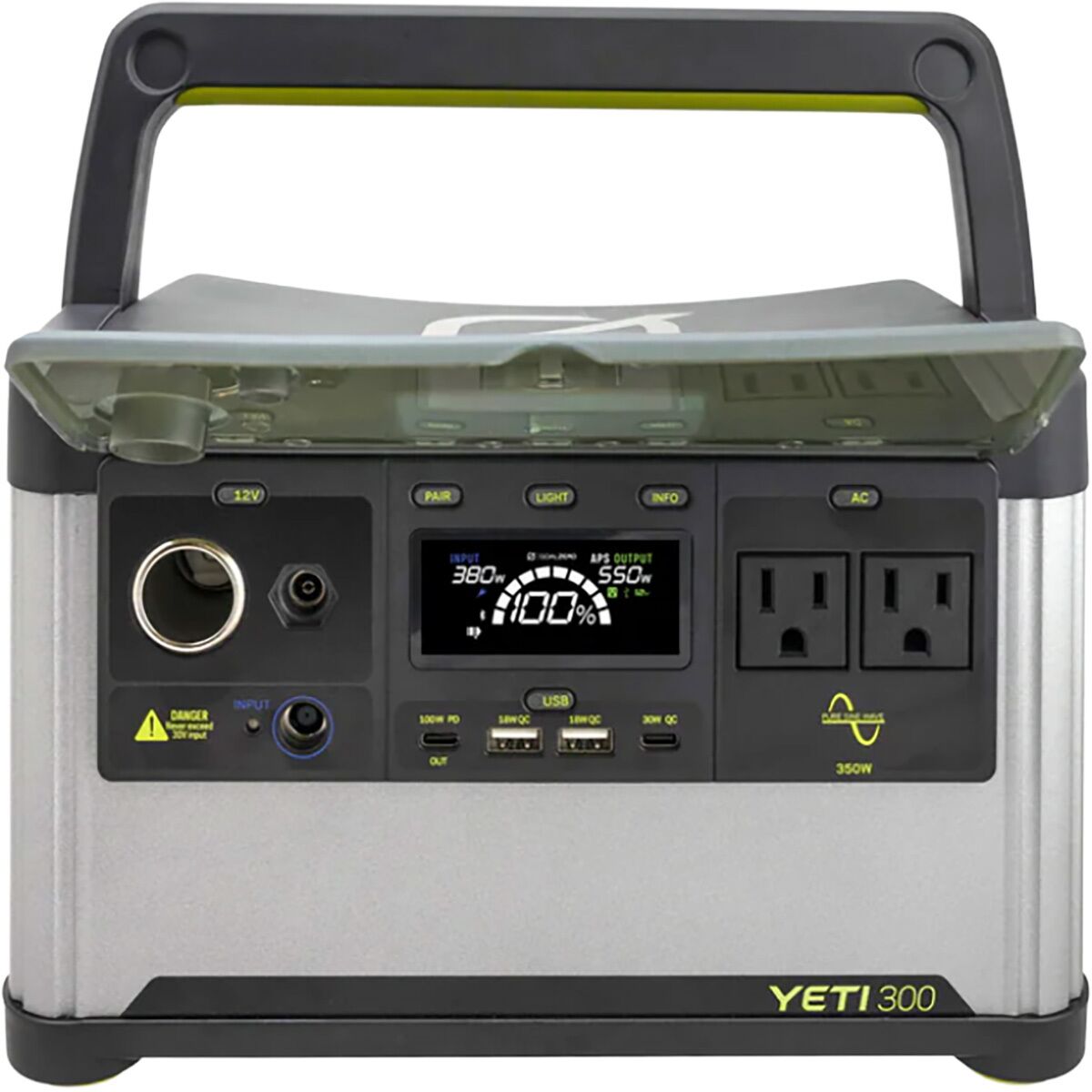
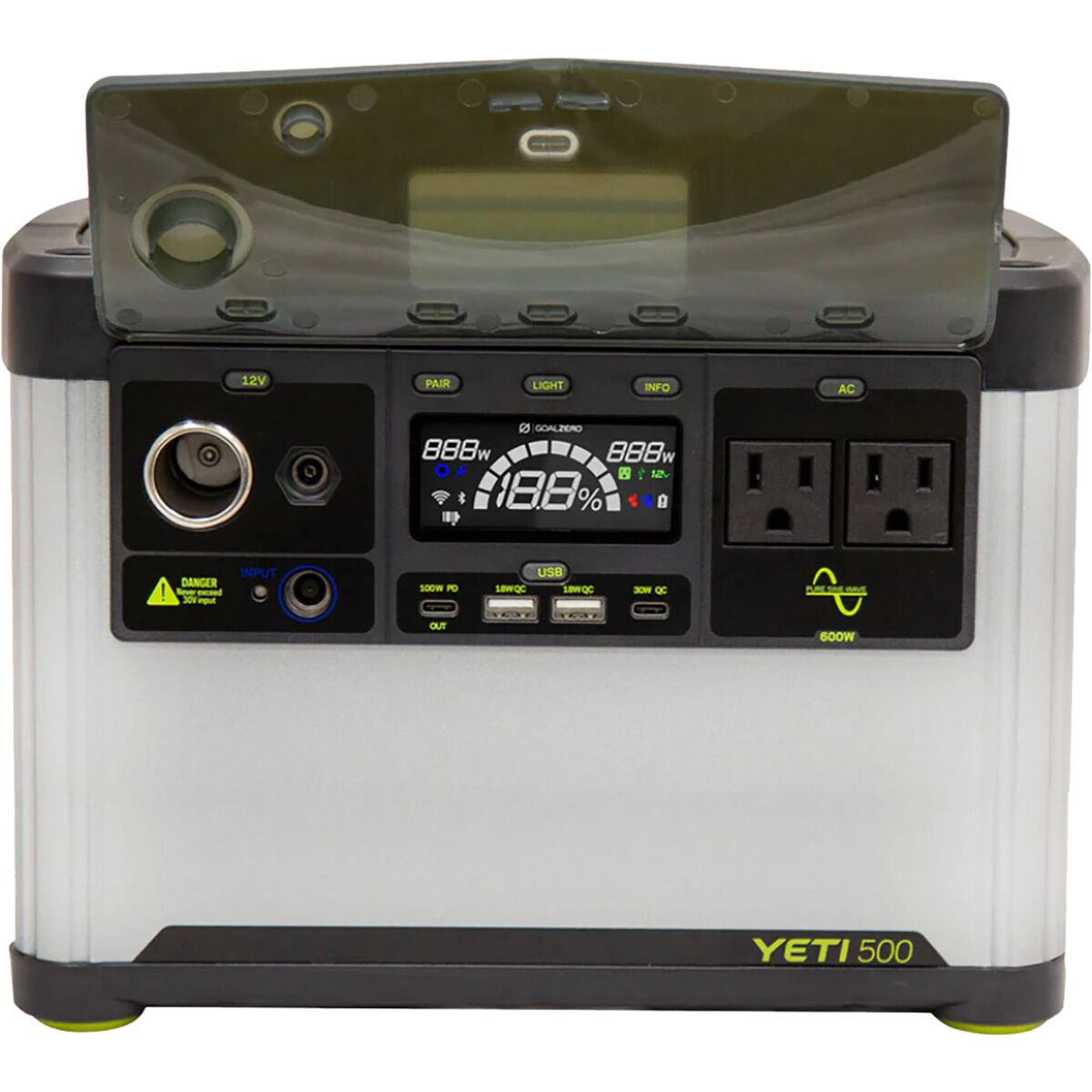
Start by adding each device’s continuous watt draw and note any high starting (surge) watts for compressors or pumps, then choose a Yeti model whose watt‑hour capacity and inverter rating cover that total and desired runtime. Smaller Yetis like the 200X can handle lights and phone charging, while larger models (and the Yeti ecosystem) are better for multi‑day fridge and pump use; pair with a Nomad 100 solar panel for field recharging.