


Up To 20% Off Full-Price Items
Shop now
EXTRA 20% Off Clearance
Shop now | Ends 11/9
Get An EXTRA $50 Cash Back*
Summit+ exclusive
Goal Zero Overlanding
13 results

Goal Zero
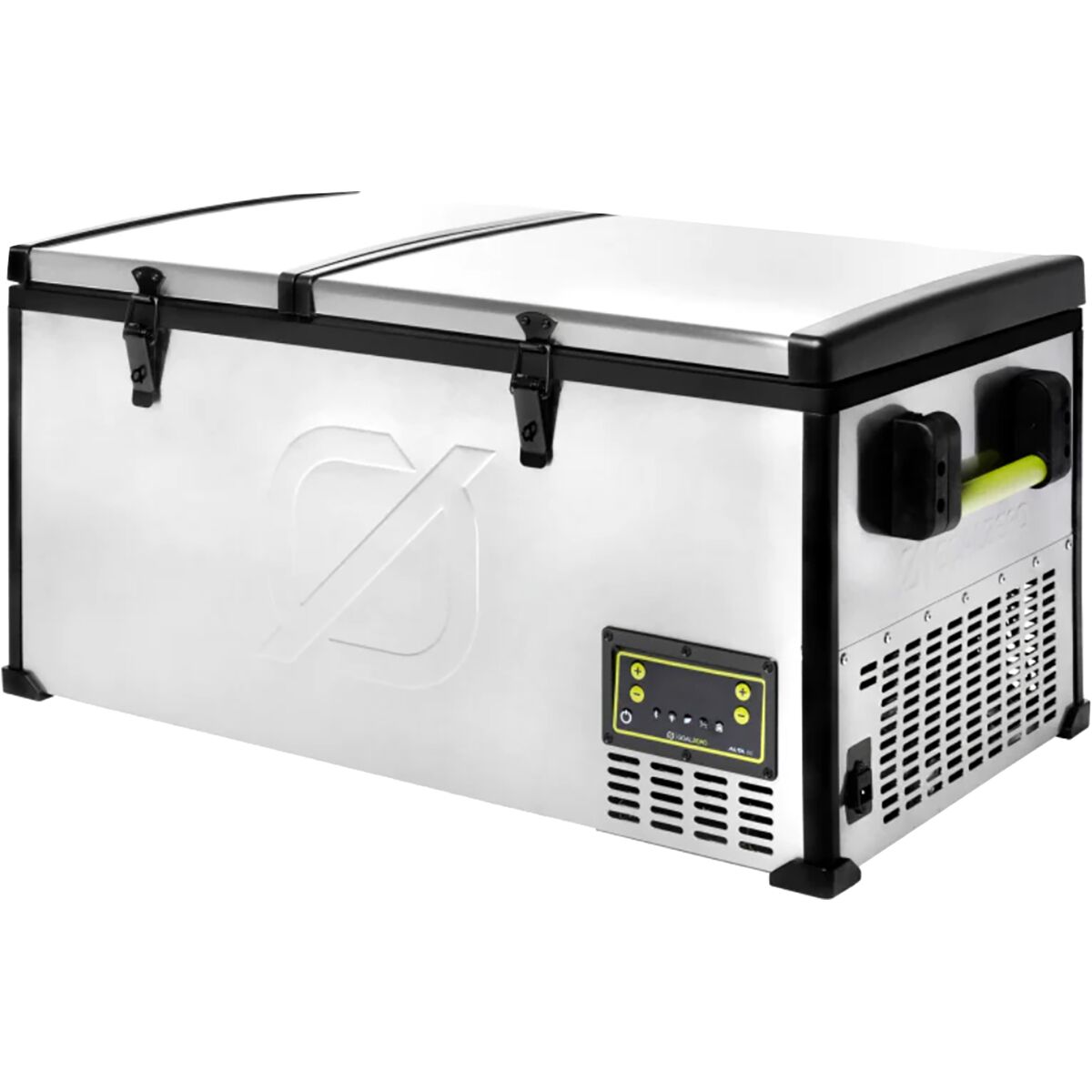
Alta 80 Portable Fridge
1 color
Discount Applies In Cart | Ends 11/16
(22)


Goal Zero
Venture 35 Solar Kit With Nomad 10
1 color
Discount Applies In Cart | Ends 11/16
(10)

Goal Zero
Boulder 100 Briefcase
1 color
Discount Applies In Cart | Ends 11/16
(27)

Goal Zero
Alta 50 Portable Fridge
1 color
Discount Applies In Cart | Ends 11/16
(18)

Goal Zero
Lighthouse Micro Flash
1 color
Discount Applies In Cart | Ends 11/16
(54)

Goal Zero
Lighthouse Mini V2
1 color
Discount Applies In Cart | Ends 11/16
(36)

Goal Zero
Light-A-Life 350
1 color
Discount Applies In Cart | Ends 11/16
(47)

Goal Zero
Crush Light Chroma
1 color
Discount Applies In Cart | Ends 11/16
(26)

Goal Zero
Flip 36 Recharger
1 color
Discount Applies In Cart | Ends 11/16
(26)

Goal Zero
Lighthouse Micro Charge
1 color
Discount Applies In Cart | Ends 11/16
(25)

Goal Zero
Crush Light
1 color
Discount Applies In Cart | Ends 11/16
(36)

Goal Zero
Sherpa 100 PD (4th Gen)
1 color
Discount Applies In Cart | Ends 11/16
(29)

Goal Zero
Venture Jump Power Bank
1 color
Discount Applies In Cart | Ends 11/16
(33)
Related Categories
Frequently Asked Questions
Which Goal Zero Yeti size should I choose for a van or RV overlanding setup?
Match the station's watt‑hours and continuous output to your biggest loads—fridge, inverter‑powered devices, and lighting. Mid‑range units like the Yeti 1500 balance portability and runtime for weekend trips, while high‑capacity units (Yeti 1000X to 6000X, with the 6000X aimed at heavy continuous use) are better for long off‑grid stints or running large inverters; factor in vehicle integration via the Vehicle Integration Kit to keep fridges cold on the move.How do Nomad solar panels recharge Goal Zero Yetis and work with vehicle charging?
Nomad solar panels pair to Yeti stations through Anderson or MC4-style inputs (and often adapter cables) to recharge while parked, and they can be combined for higher input current. For continuous on‑route power you can use Goal Zero's Vehicle Integration Kit to harvest alternator power; many Yeti models also support AC ultrafast recharging when shore power is available.How does the Yeti 1500 compare to a Yeti 6000X for powering a fridge and camp lights?
The Yeti 1500 is compact enough for moderate overlanding needs—good runtime for short trips and lighter fridge loads—whereas the Yeti 6000X offers substantially higher watt‑hours for multi‑day refrigeration and heavier inverters. Expect a tradeoff in weight and portability (larger units are heavier and bulkier) but much longer runtimes and greater headroom for simultaneous high‑draw devices.What ports and outputs should I prioritize on Goal Zero products for overlanding rigs?
Look for a mix of outputs: multiple 12V ports (3+), several USB ports (2+), at least a couple of 110V AC outlets, and an Anderson input/output for chaining or panel connection to support fridges, lights, and phones. Also check continuous output rating (Watts) to ensure you can run compressor fridges or inverters and confirm available recharge methods (solar, alternator via Vehicle Integration Kit, and AC).Are Goal Zero power stations and panels durable and portable enough for off‑road overlanding?
Yes, Goal Zero designs Yeti stations and Nomad panels with rugged housings, collapsing handles, and lashing points for secure transport; mid‑range stations often weigh around 39 lbs with features to ease mounting and stowage. Foldable Nomad panels are optimized for packability, and later Yeti revisions (for example improvements over older Yeti 400 models) focus on better charge retention and longer service life for rough conditions.