


Up To 20% Off Full-Price Items
Shop now
EXTRA 20% Off Clearance
Shop now | Ends 11/9
Get An EXTRA $50 Cash Back*
Summit+ exclusive
FITS
12 results

FITS
Pro Ski Over-The-Calf Socks
1 color
$26.95
Discount Applies In Cart | Ends 11/16

+3
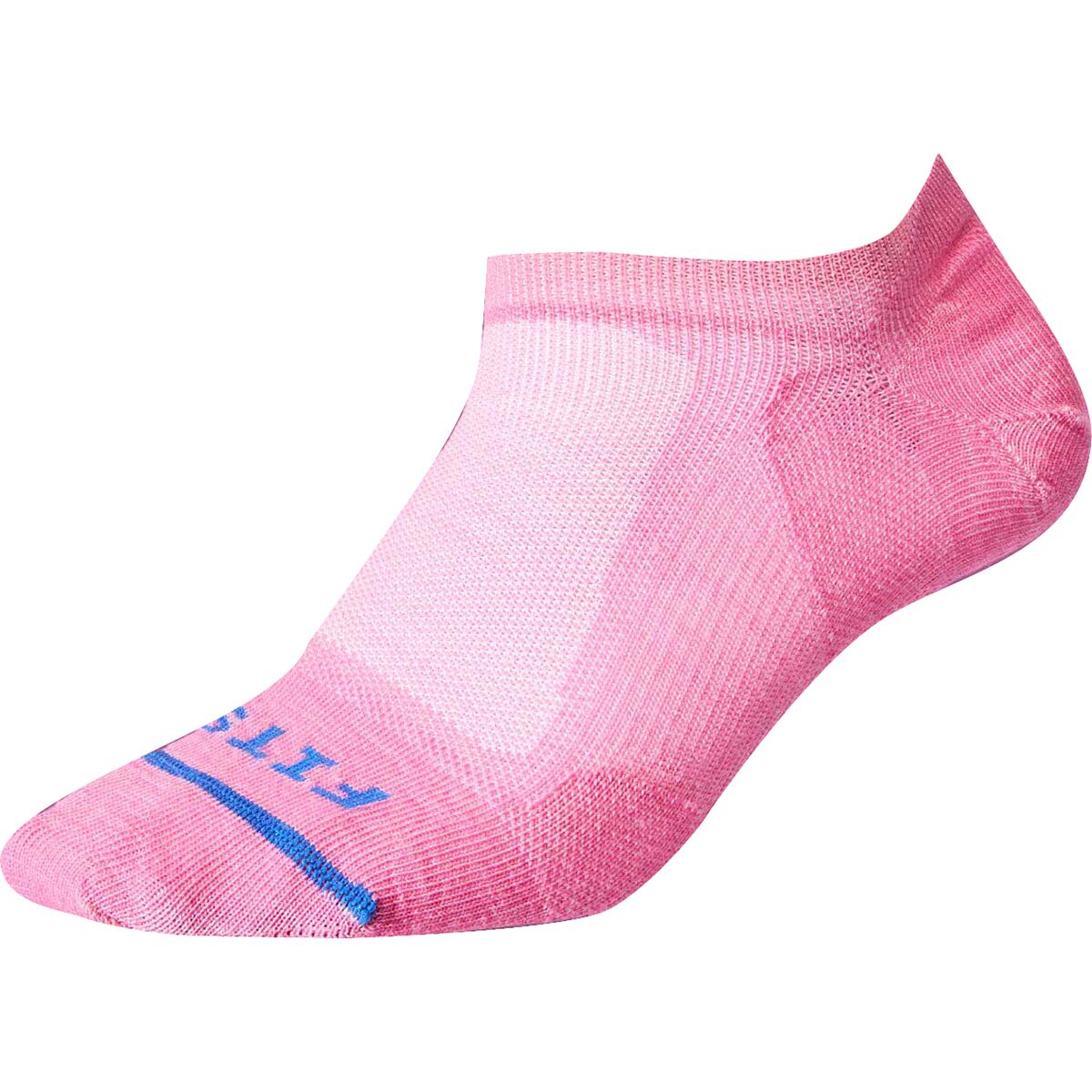
FITS
Low Original Fit Light Sock
7 colors
$14.66 - $20.95
Up to 30% off
Discount Applies In Cart | Ends 11/16

FITS
Crew Easy Fit Crew Sock
2 colors
Current price: $18.16 Original price: $25.95
30% off
Winter Sale

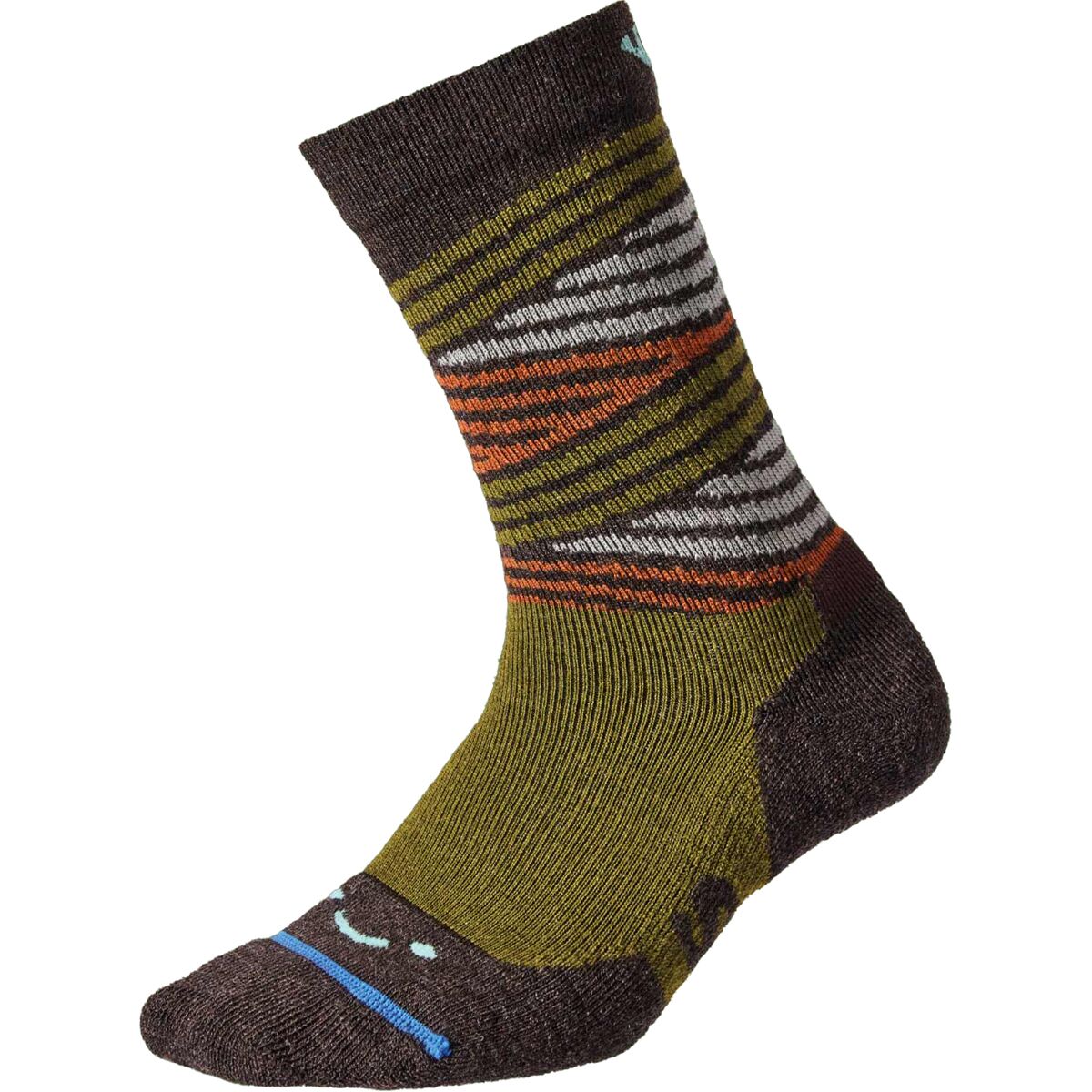
FITS
Teton Too Crew Original Fit Light Sock
4 colors
$24.95
Discount Applies In Cart | Ends 11/16

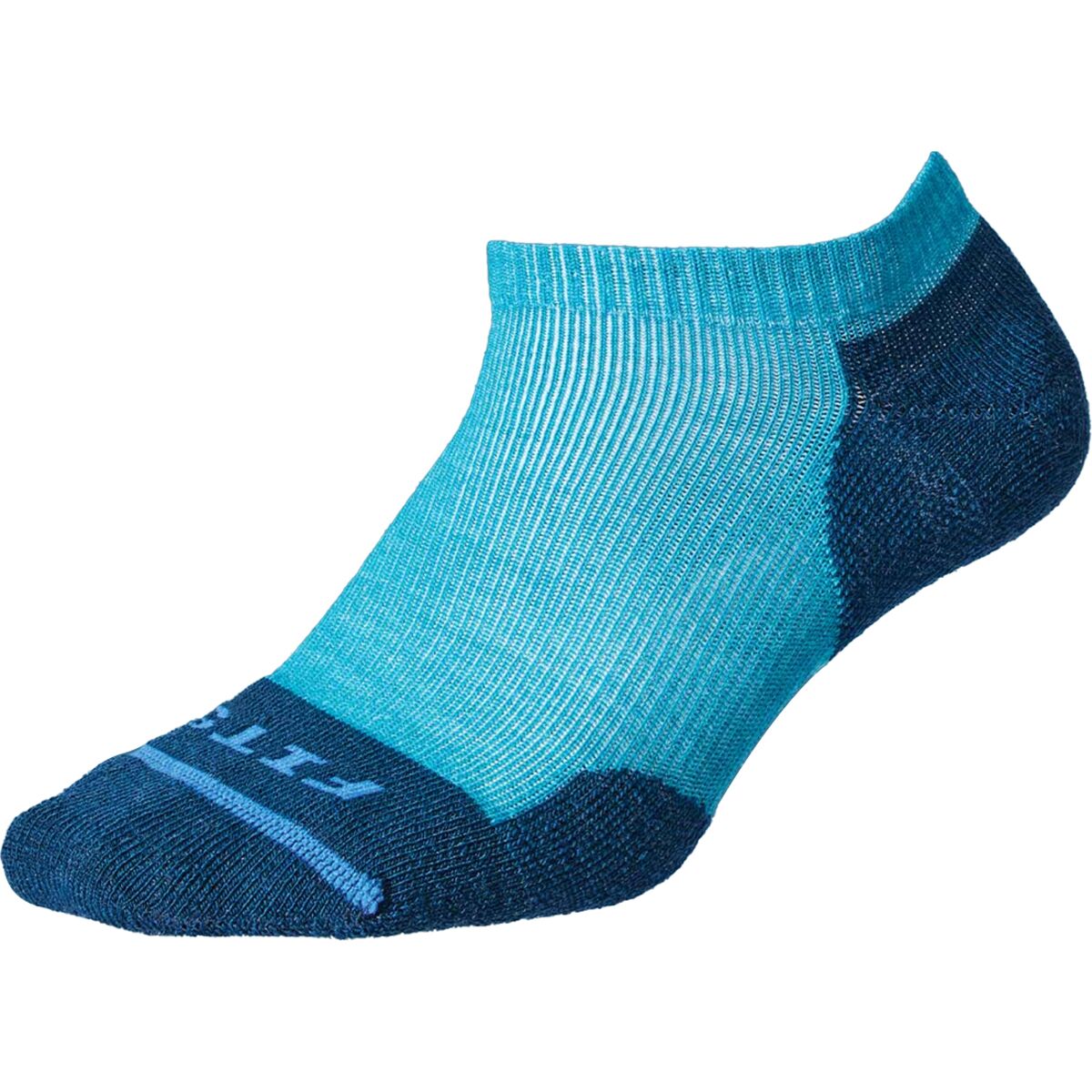
FITS
Ultra Light Runner No Show Socks - Men's
3 colors
$18.95
Discount Applies In Cart | Ends 11/16
New Arrival

FITS
Reflection Ultra Light OTC Socks
2 colors
$24.95
Discount Applies In Cart | Ends 11/16

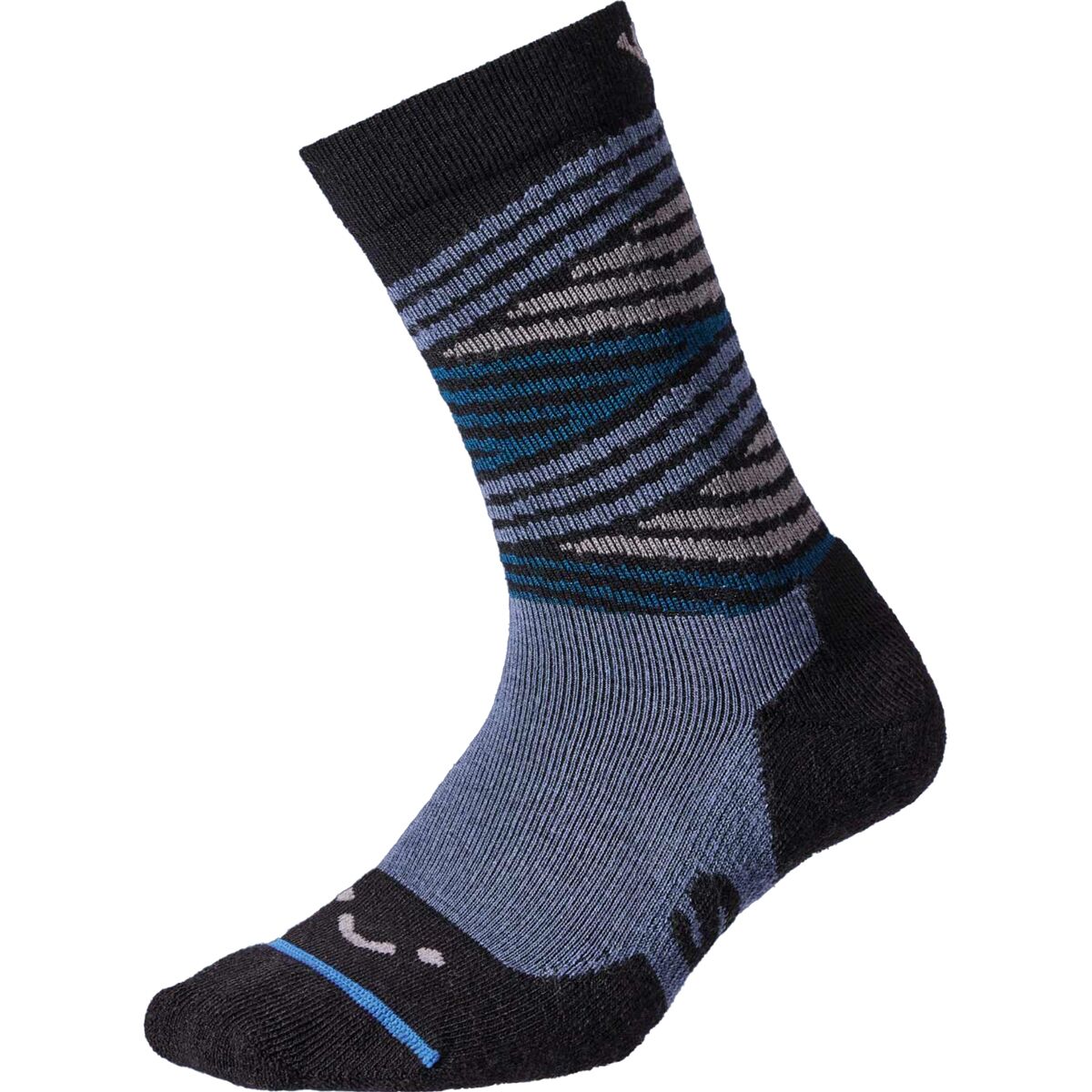
FITS
Hermiston Crew Original Fit Light Sock
4 colors
$24.95
Discount Applies In Cart | Ends 11/16


FITS
Go With The Flow Crew Original Fit Light Sock
2 colors
$24.95
Discount Applies In Cart | Ends 11/16

FITS
Light Ski Over The Calf Socks
1 color
$27.95
Discount Applies In Cart | Ends 11/16

FITS
Light Hiker Quarter Socks
3 colors
$21.95
Discount Applies In Cart | Ends 11/16
(1)

FITS
Medium Hiker Crew Socks
3 colors
$26.95
Discount Applies In Cart | Ends 11/16

FITS
Light Hiker Crew Socks - Men's
3 colors
$24.95
Discount Applies In Cart | Ends 11/16
Related Categories

Frequently Asked Questions
How should backcountry ski boots fit for uphill tours and mixed terrain?
A proper alpine-touring (AT) boot fit starts with the shell: try the shell without the liner and allow roughly 0.5–0.75 in (12–20 mm) of space behind the heel to accommodate foot swell, with toes just touching the front but pulling back on flex. Size by mondopoint and expect liners to pack out, so start snug; choose more cuff range of motion and lighter construction for long uphill days, or a stiffer flex index for descent-focused performance.How do I choose a touring ski that balances uphill efficiency and downhill stability?
Look for a touring-specific shape with a moderate waist (about 100–105 mm) and camber underfoot (~70% contact) so skins stick and you retain edge stability on firm snow; early-rise tips and relatively flat tails (or a tail notch) help with kick turns and skin clips. Prioritize lighter constructions for long approaches and slightly wider, stiffer cores if you want more confidence in variable or deeper descents — skis like the Weston Summit exemplify that all-around touring compromise.Mohair, nylon, or a blend — which climbing skin is right for my touring setup?
Mohair skins offer superior glide and lower weight, making them ideal for long, efficient uphill days, while nylon skins provide better grip and durability in steep, variable snow; blends aim to balance grip and glide for mixed conditions. Choose pre-cut or trimmable skins that match your ski width and length, and check for secure tip and tail attachments plus a reliable adhesive for consistent performance.How do tech (pin) bindings compare to frame bindings for backcountry use?
Tech (pin) bindings are significantly lighter and more efficient for uphill travel and work best with AT boots that have pin-compatible toe/heel inserts, while frame bindings accept traditional alpine soles and generally provide more consistent downhill release and a heavier, more solid feel. Pick tech bindings if minimizing weight and maximizing tour efficiency is your priority; choose frame bindings if you need universal boot compatibility and a stronger on-piste feeling on descents.What practical steps should I take to match boots, skis, bindings, and skins to my terrain and ability?
Start by defining your primary goal: long approaches favor lightweight boots with ample walk mode and narrow-to-moderate-waist skis (~100–105 mm), while steep or powder-focused riding calls for stiffer boots and wider skis. Always verify tech binding compatibility with your boot sole, try boots in-shell for fit because liners pack out, and size skins to your ski profile so climb performance and safety aren’t compromised.