


Up To 20% Off Full-Price Items
Shop now
EXTRA 20% Off Clearance
Shop now | Ends 11/9
Get An EXTRA $50 Cash Back*
Summit+ exclusive
FITS Men's Accessories
12 results

FITS
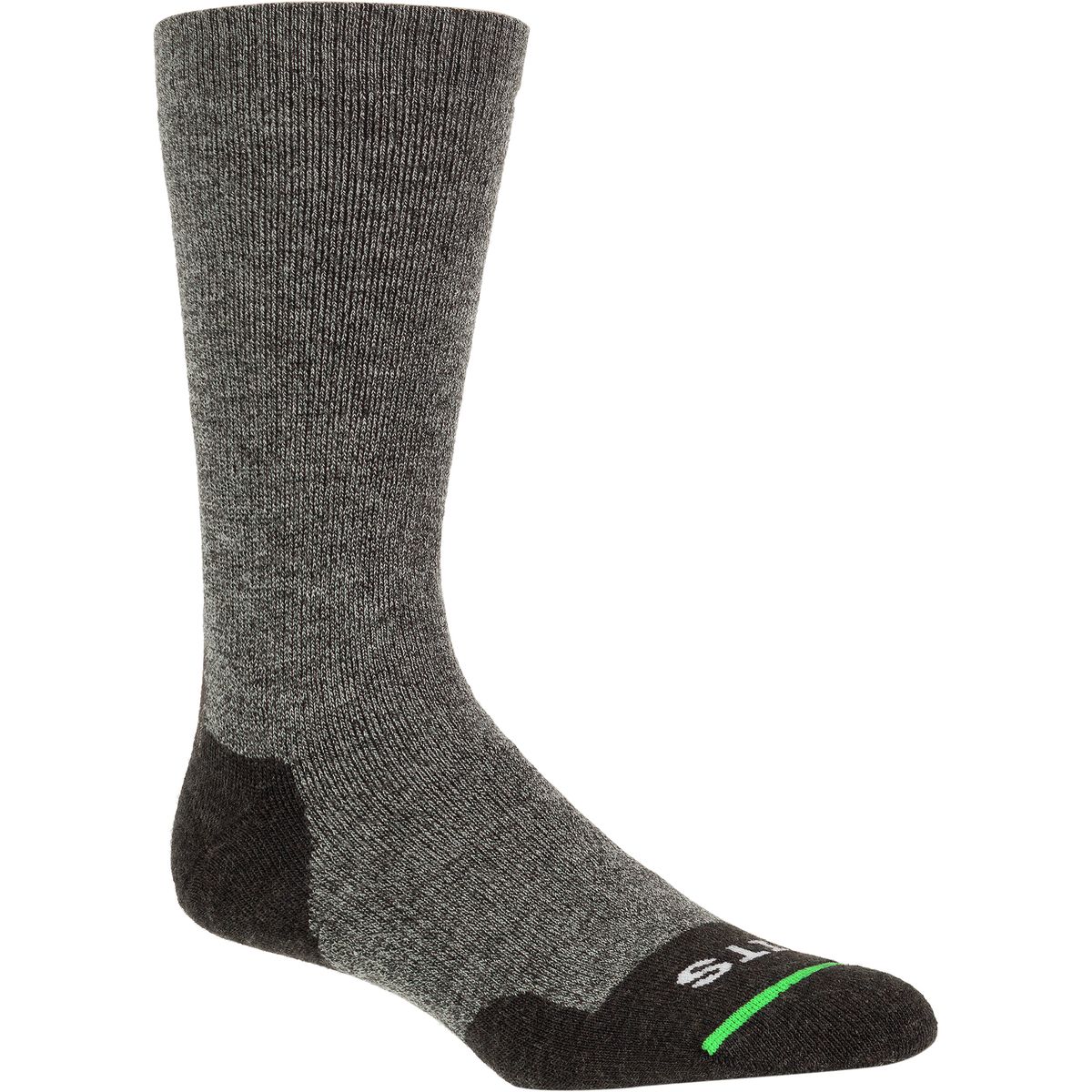
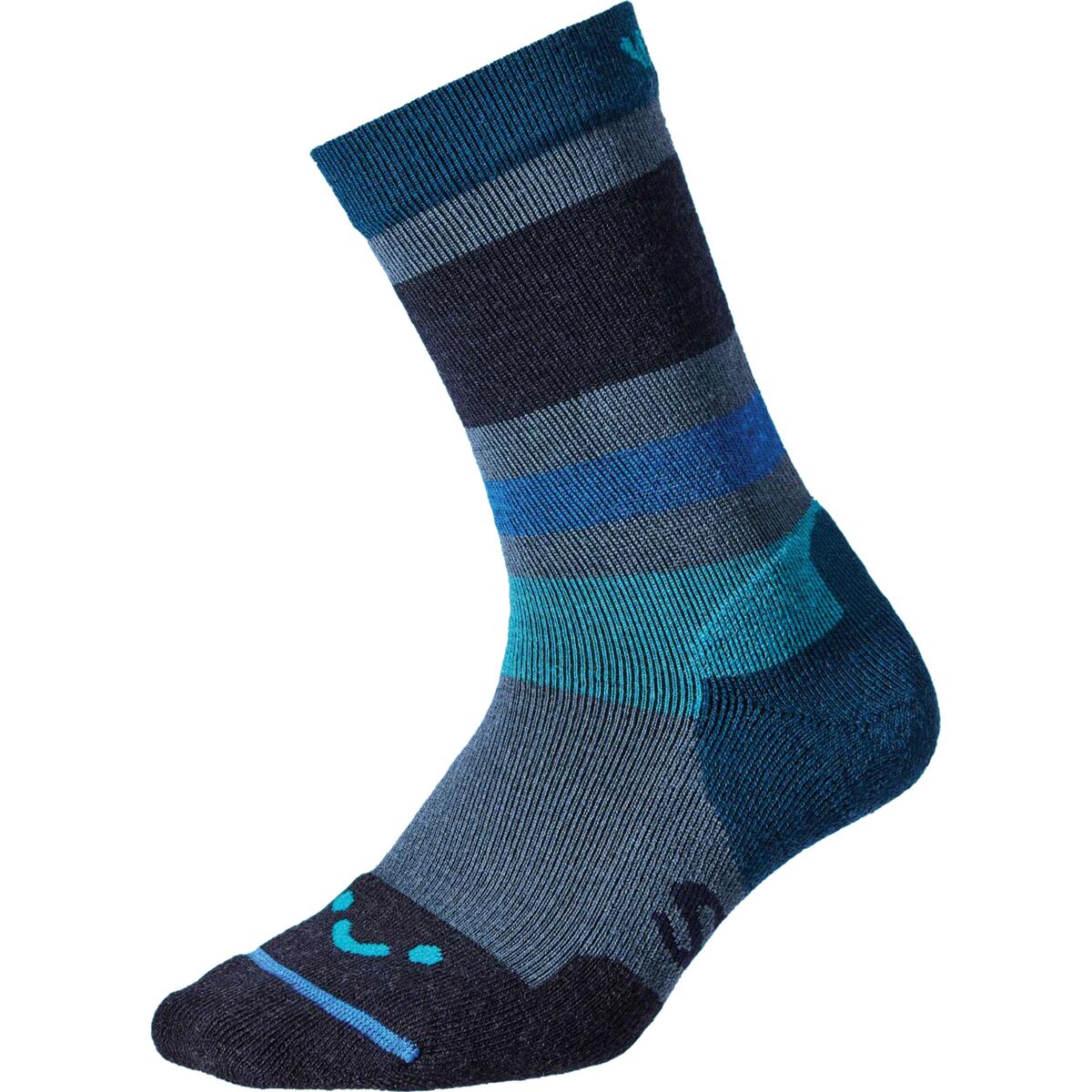
Pro Ski Over-The-Calf Socks
1 color
$26.95
Discount Applies In Cart | Ends 11/16

+3
FITS
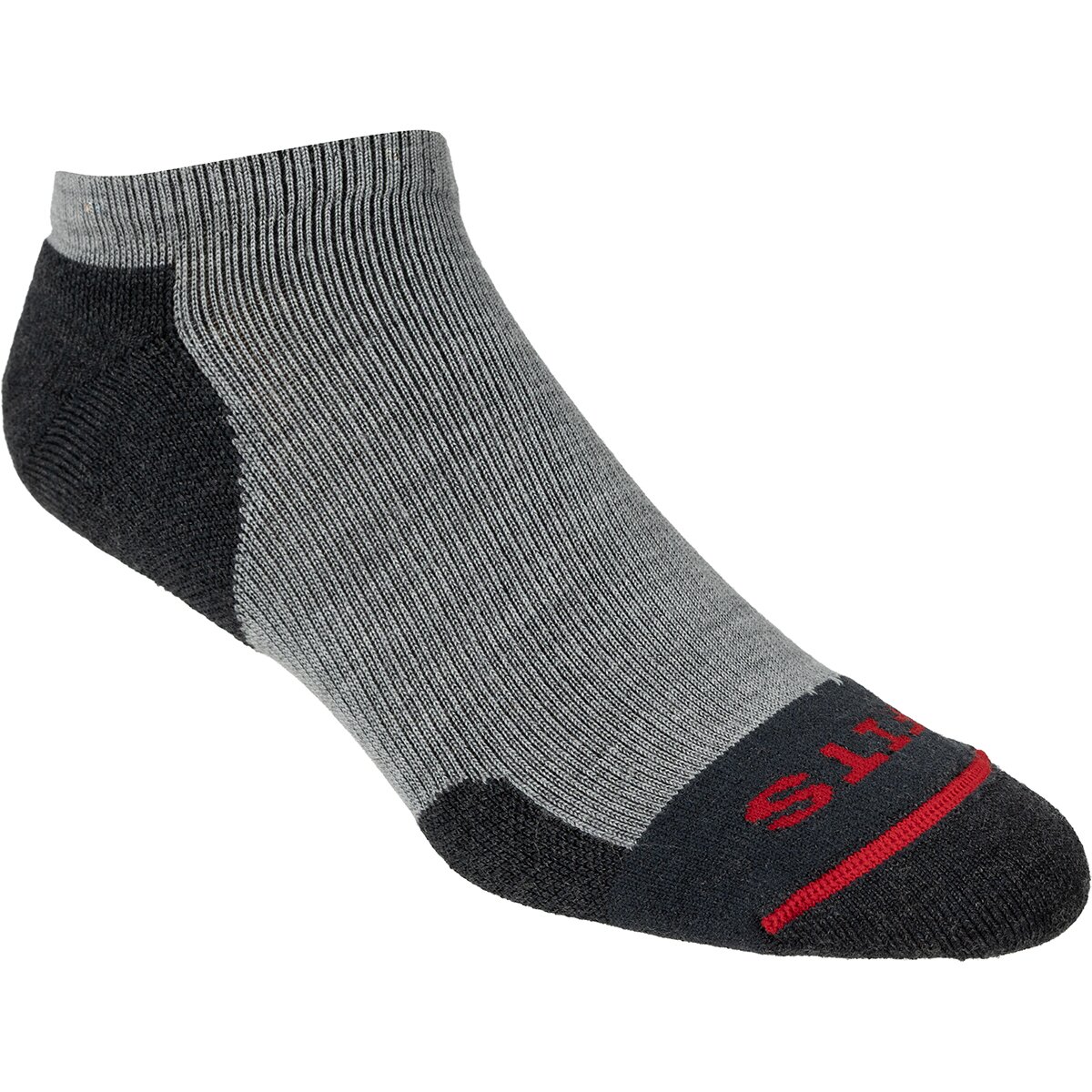
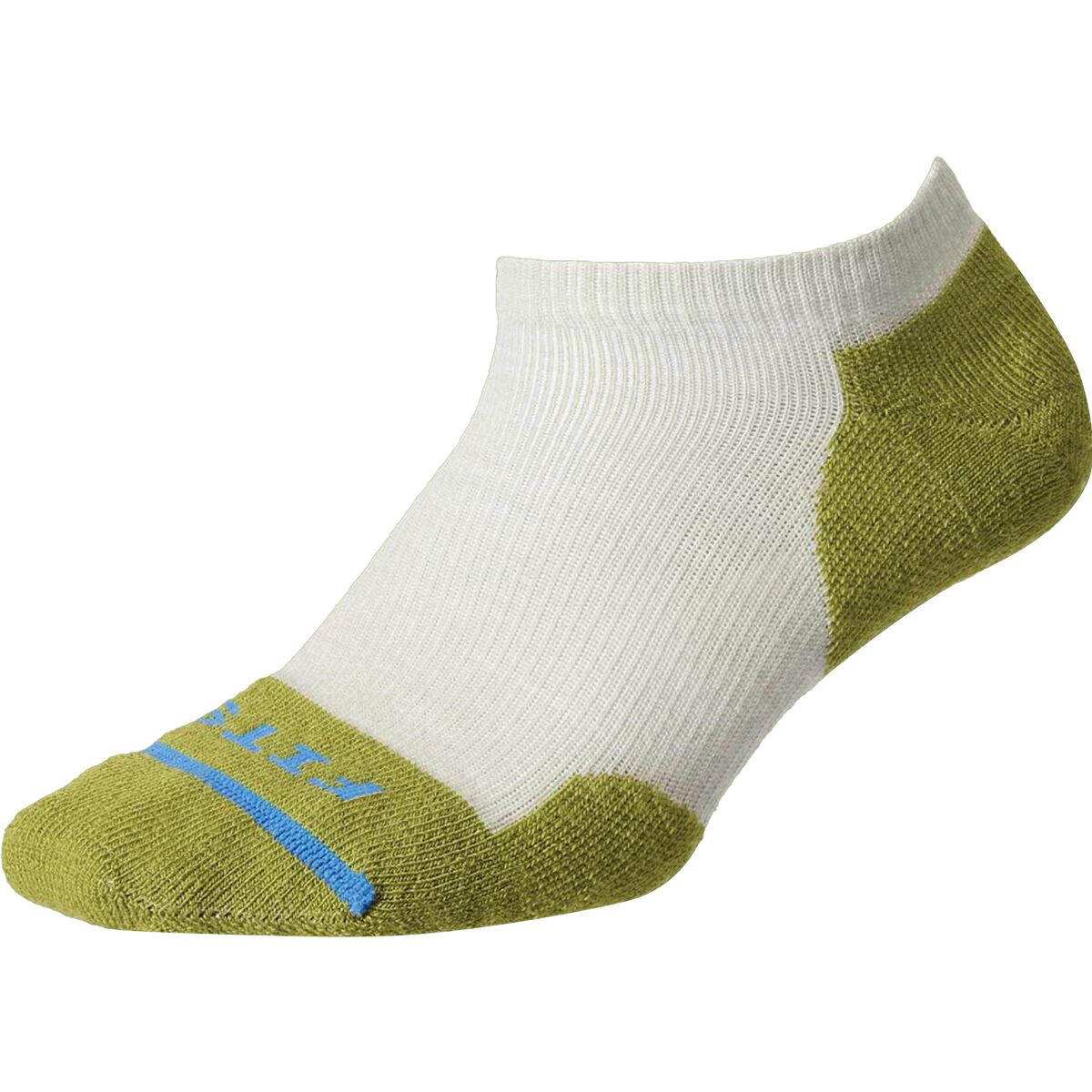
Low Original Fit Light Sock
7 colors
$14.66 - $20.95
Up to 30% off
Discount Applies In Cart | Ends 11/16

FITS
Crew Easy Fit Crew Sock
2 colors
Current price: $18.16 Original price: $25.95
30% off
Winter Sale

FITS
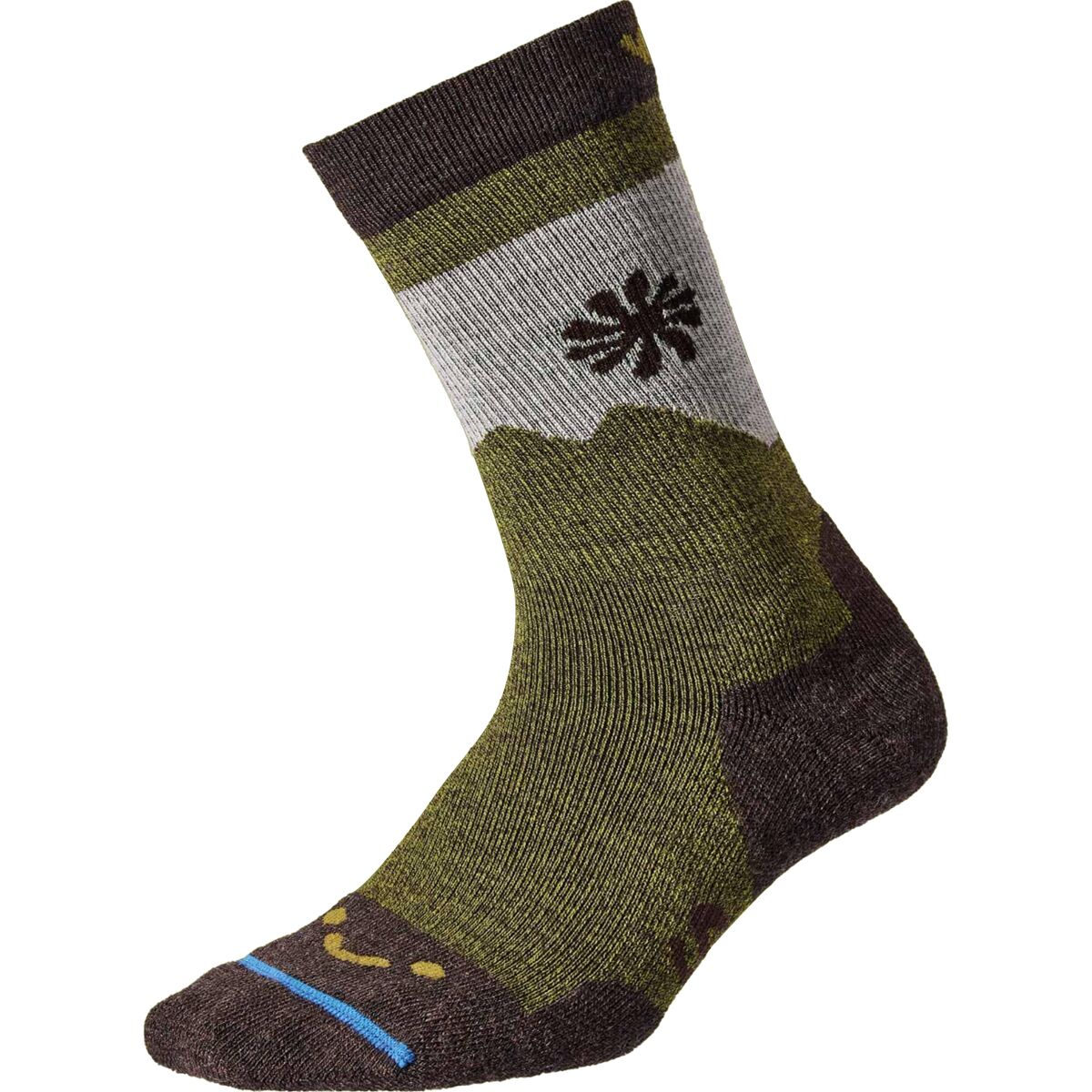
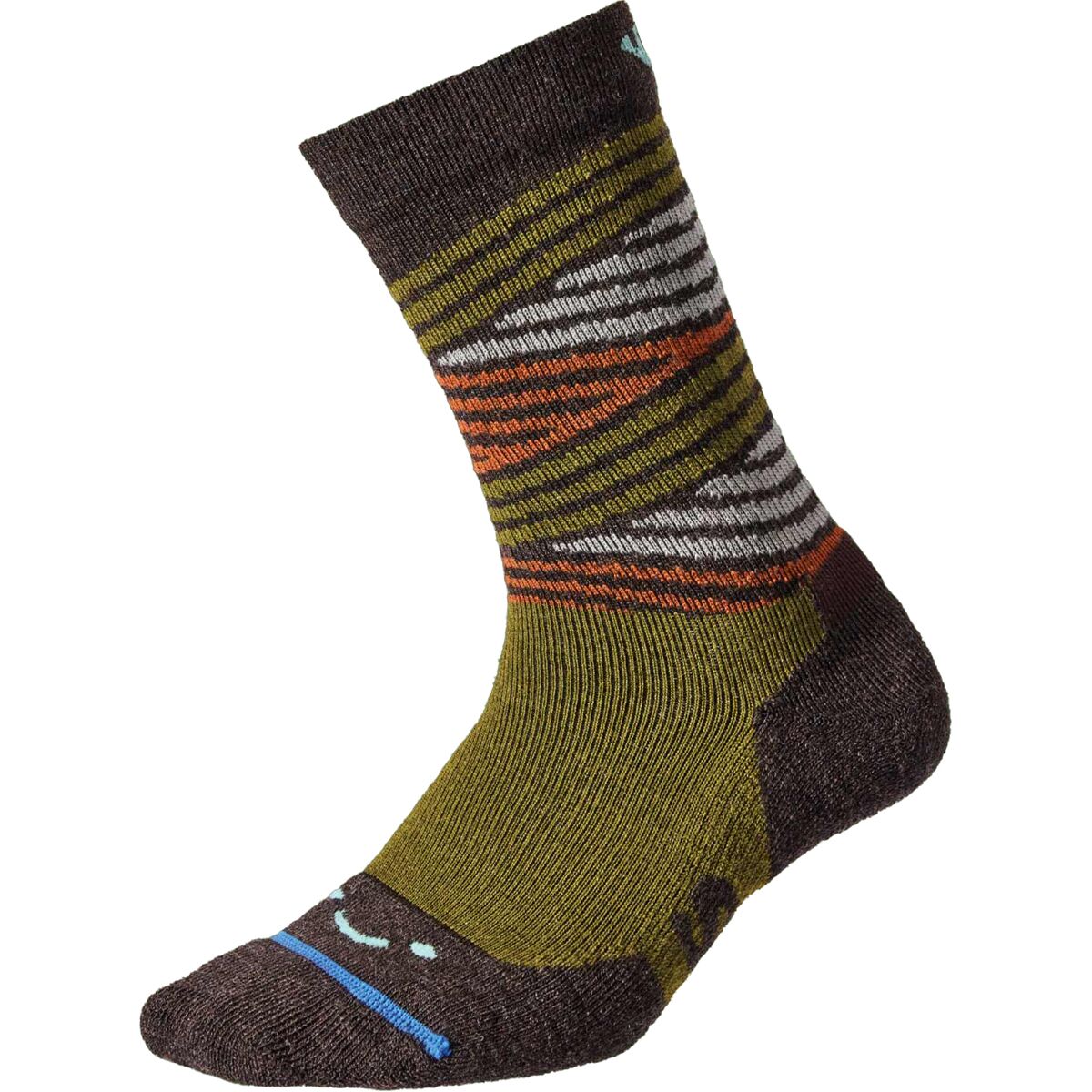
Teton Too Crew Original Fit Light Sock
4 colors
$24.95
Discount Applies In Cart | Ends 11/16

FITS
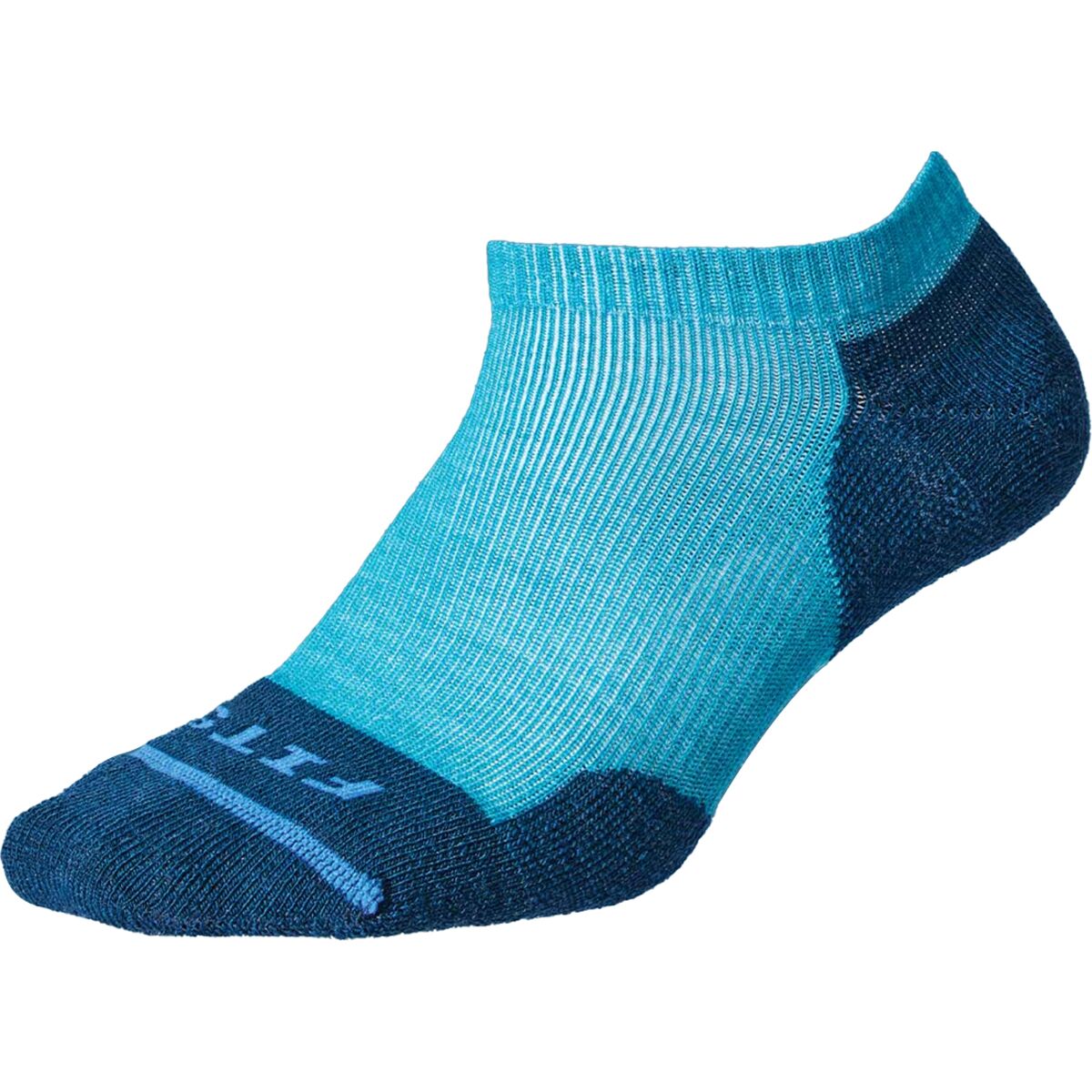
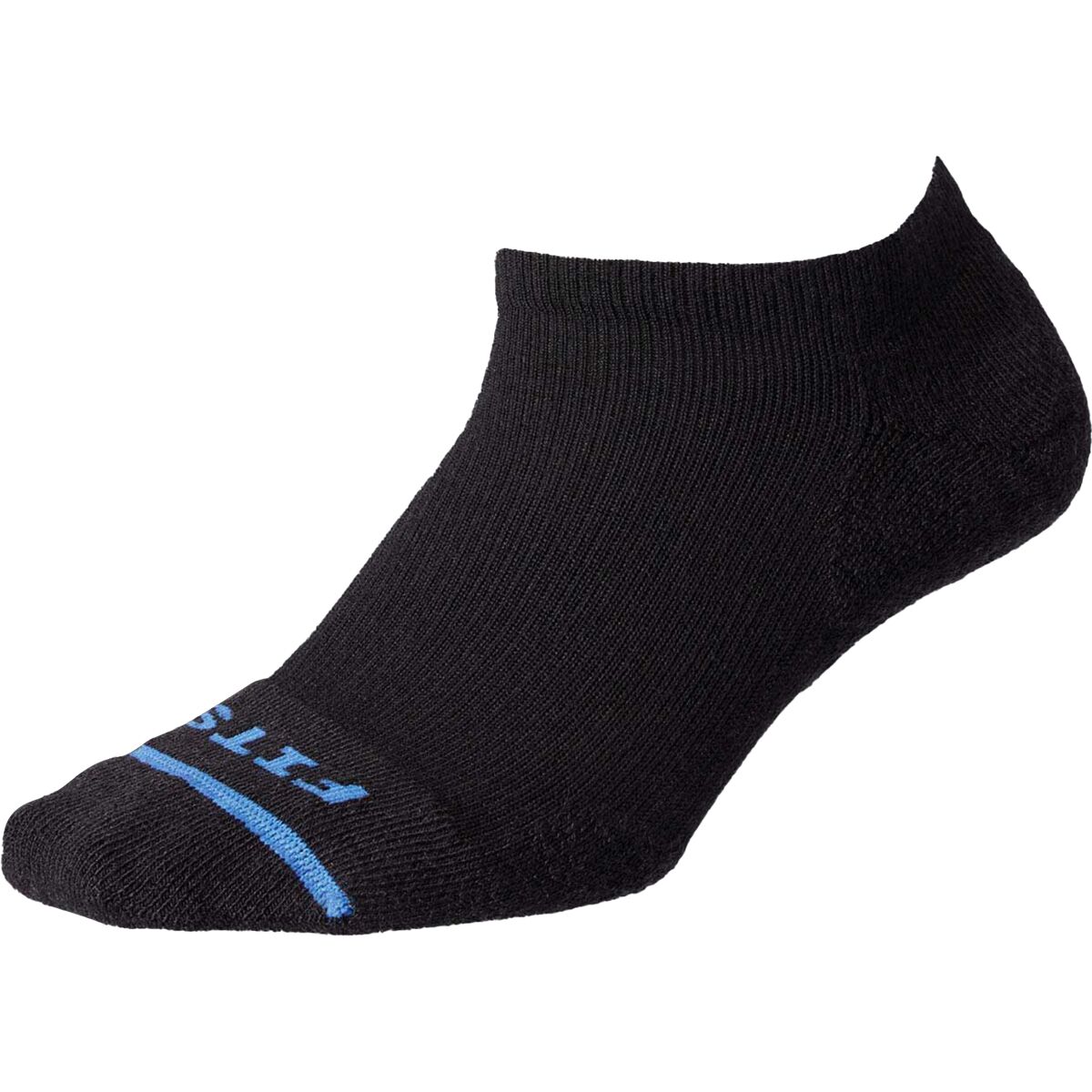
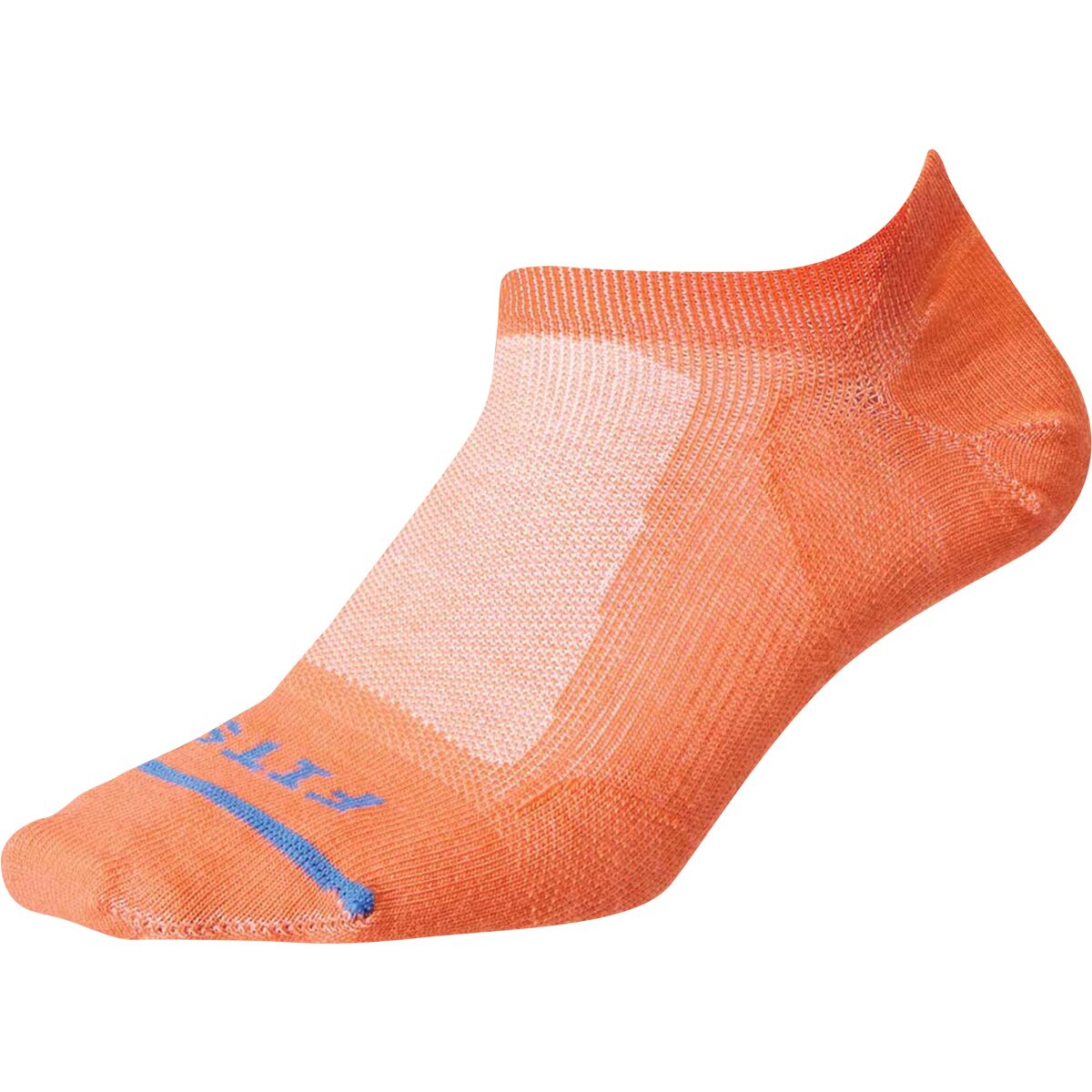
Ultra Light Runner No Show Socks - Men's
3 colors
$18.95
Discount Applies In Cart | Ends 11/16
New Arrival

FITS
Reflection Ultra Light OTC Socks
2 colors
$24.95
Discount Applies In Cart | Ends 11/16

FITS
Hermiston Crew Original Fit Light Sock
4 colors
$24.95
Discount Applies In Cart | Ends 11/16


FITS
Go With The Flow Crew Original Fit Light Sock
2 colors
$24.95
Discount Applies In Cart | Ends 11/16

FITS
Light Ski Over The Calf Socks
1 color
$27.95
Discount Applies In Cart | Ends 11/16

FITS
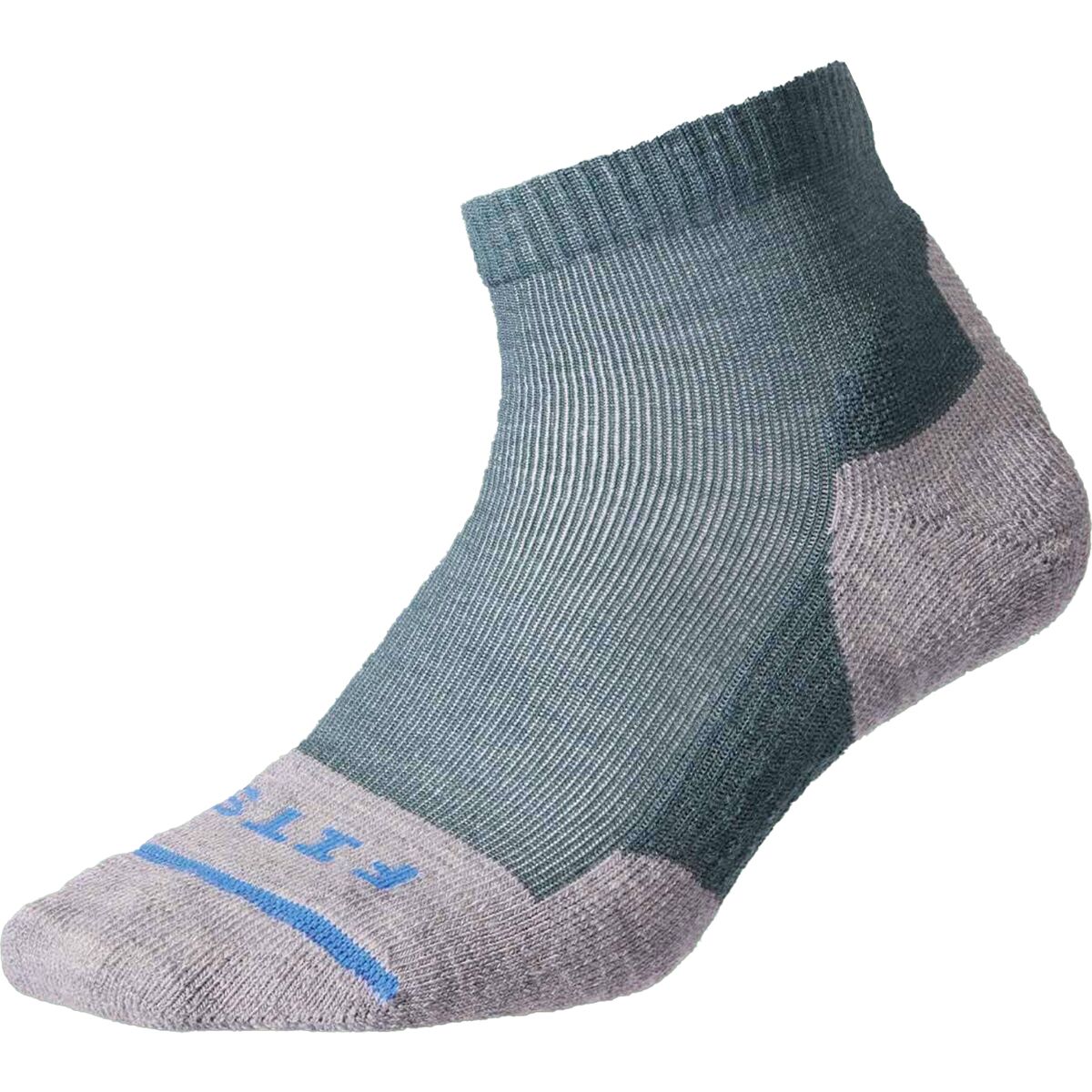
Light Hiker Quarter Socks
3 colors
$21.95
Discount Applies In Cart | Ends 11/16
(1)

FITS
Medium Hiker Crew Socks
3 colors
$26.95
Discount Applies In Cart | Ends 11/16

FITS
Light Hiker Crew Socks - Men's
3 colors
$24.95
Discount Applies In Cart | Ends 11/16
Related Categories
Frequently Asked Questions
How do I choose the right men's backcountry ski gloves or mittens for touring and variable weather?
Choose gloves by balancing insulation, waterproofing, and dexterity: look for a waterproof membrane (Gore‑Tex or water‑resistant neoprene), a durable leather or synthetic palm for grip, and layered insulation for breathability on long tours. For tech features, pick Trigger S‑ready or compatibility with pole triggers if you use Leki poles, and prioritize removable liners or packable mitts for changing conditions.What size and type of ski skins work best for uphill efficiency and reliable descents?
Pick skin width to match your ski waist (common options include 123mm and 140mm) and choose between mohair, synthetic, or mixed blends depending on conditions—mohair gives better glide, synthetics offer superior grip in icy or wet snow, and blended skins balance both. Decide on cut-to-fit vs pre‑cut and glue vs glueless attachment based on how often you’ll reapply glue; reinforced tails and nylon tip loops improve durability on steep approaches.How do Leki Guide Lite V Poles compare to Black Diamond Distance Carbon poles for ski touring?
Leki Guide Lite V Poles use Speedlock 2 adjustability and are built for technical touring with ergonomic grips and Trigger S compatibility, making them well suited to climbers who need on‑the‑fly length changes and pole release integration. Black Diamond Distance Carbon models prioritize ultralight, minimalist designs for fastpacking and ski‑mountaineering where simplicity and low weight matter more than frequent length adjustment.What features matter most when choosing a men's backcountry ski touring pack?
Prioritize an avalanche kit front panel or dedicated avy compartment, A‑frame/diagonal ski carry and ski‑specific tool loops, plus a hydration sleeve and a well‑cushioned hipbelt to center load for steep skintracks. Look for heavy‑duty ripstop nylon in high‑wear areas, daisy chains for ice axes/poles, and compression straps or pockets that keep skins and layers organized on long tours.When should I use gaiters and different beanie styles during backcountry outings?
Use gaiters with heavyweight ripstop and neoprene lower cuffs to seal out deep snow and abrasion when breaking trail or in wet spring slush, and choose low‑profile gaiters for skinning or ski crampon clearance. For headwear, minimalist Skida beanies or thin poly‑spandex (MAX‑Dri) liners work under a helmet for high‑output tours, while thicker insulated beanies are better for cold, stationary belays or summit breaks.