


Up To 20% Off Full-Price Items
Shop now
EXTRA 20% Off Clearance
Shop now | Ends 11/9
Get An EXTRA $50 Cash Back*
Summit+ exclusive
FITS Men's Clothing
2 results

+3
FITS
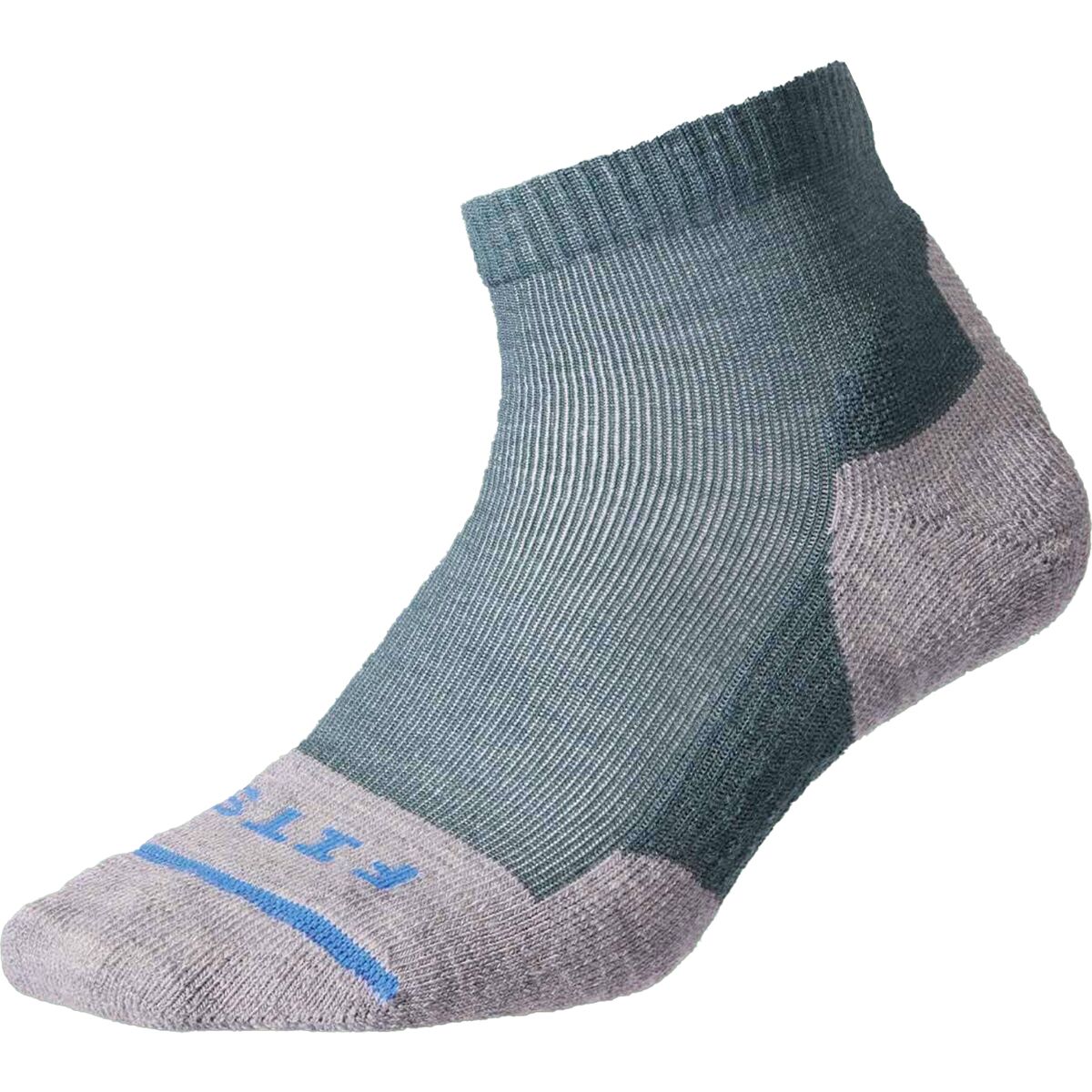
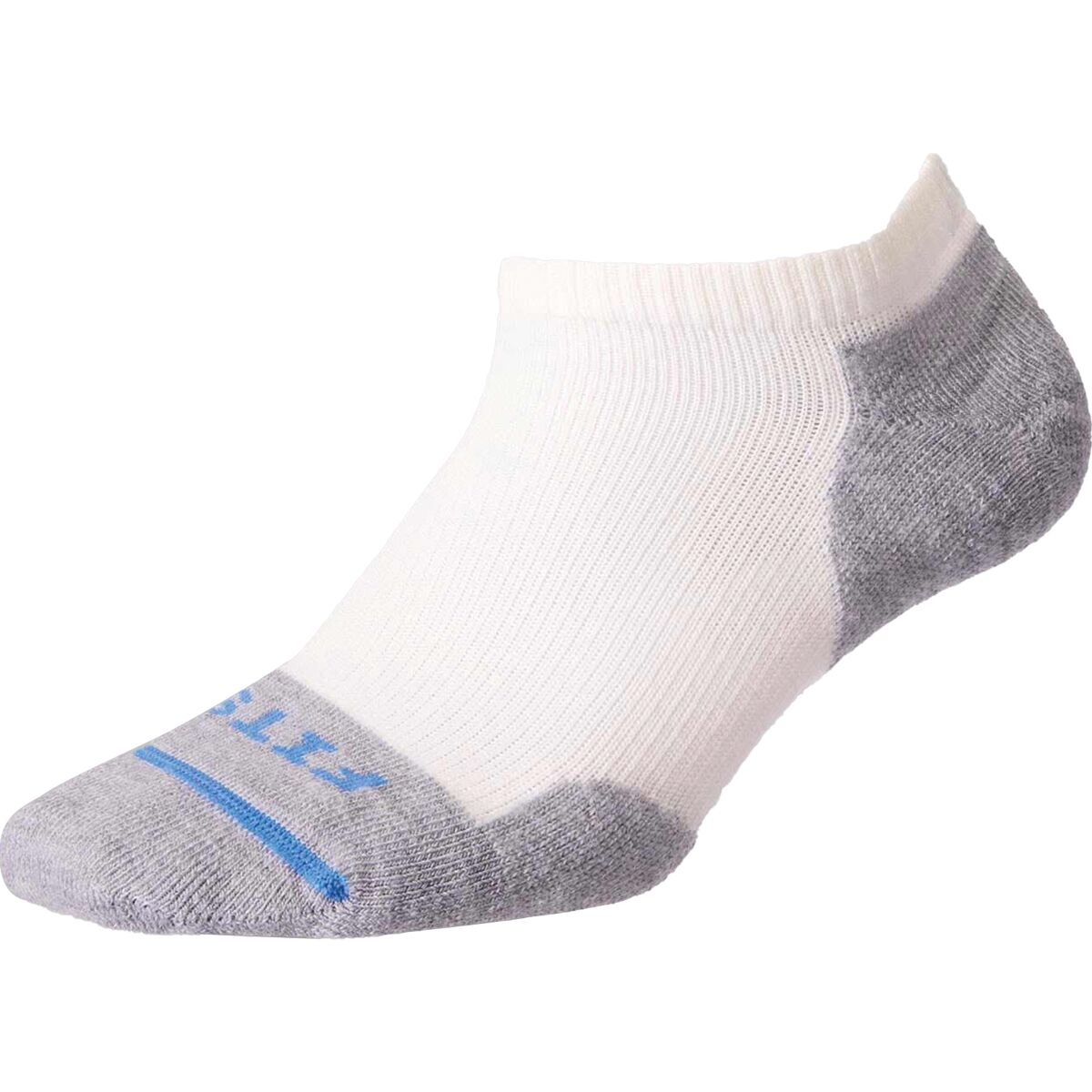
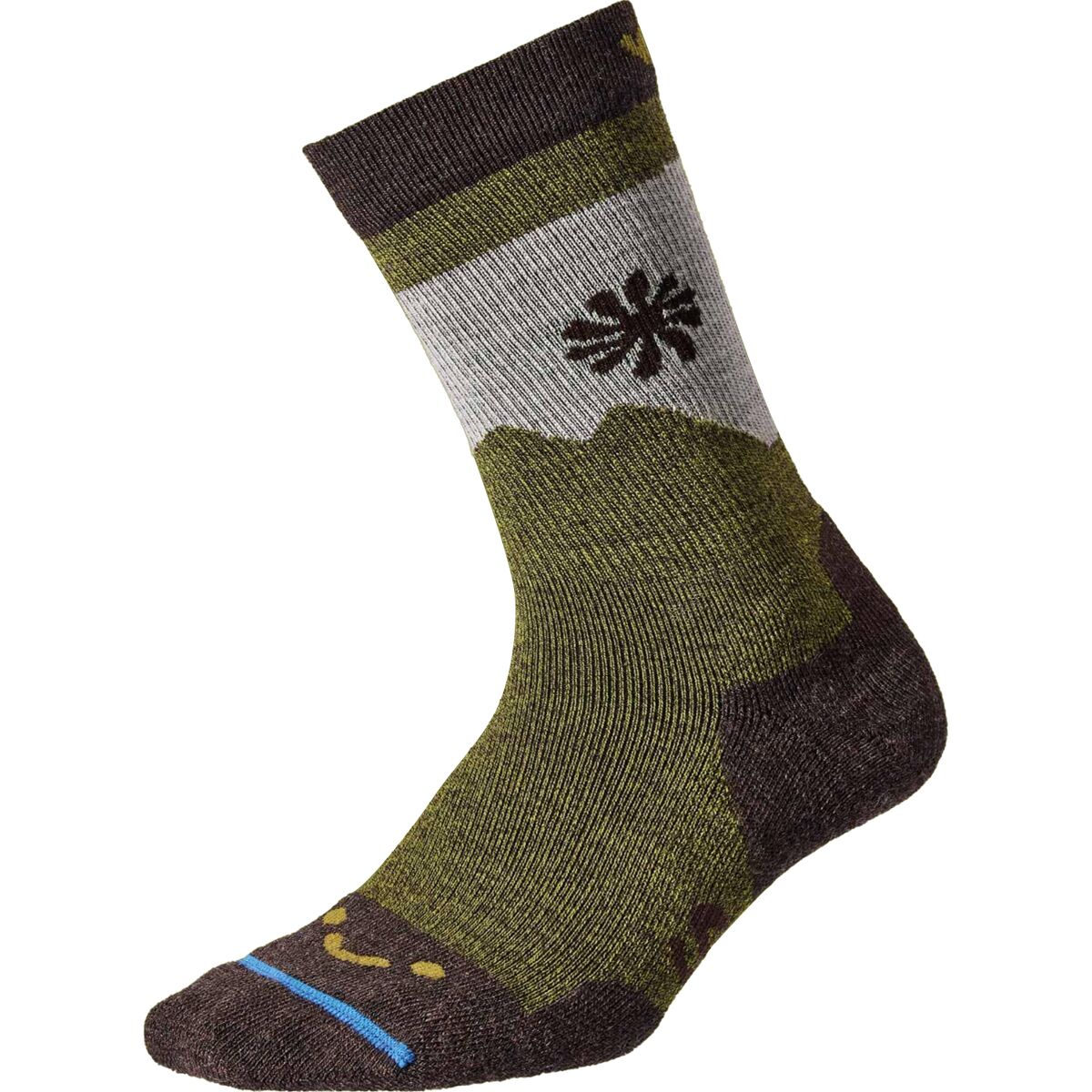
Low Original Fit Light Sock
7 colors
$14.66 - $20.95
Up to 30% off
Discount Applies In Cart | Ends 11/16

FITS
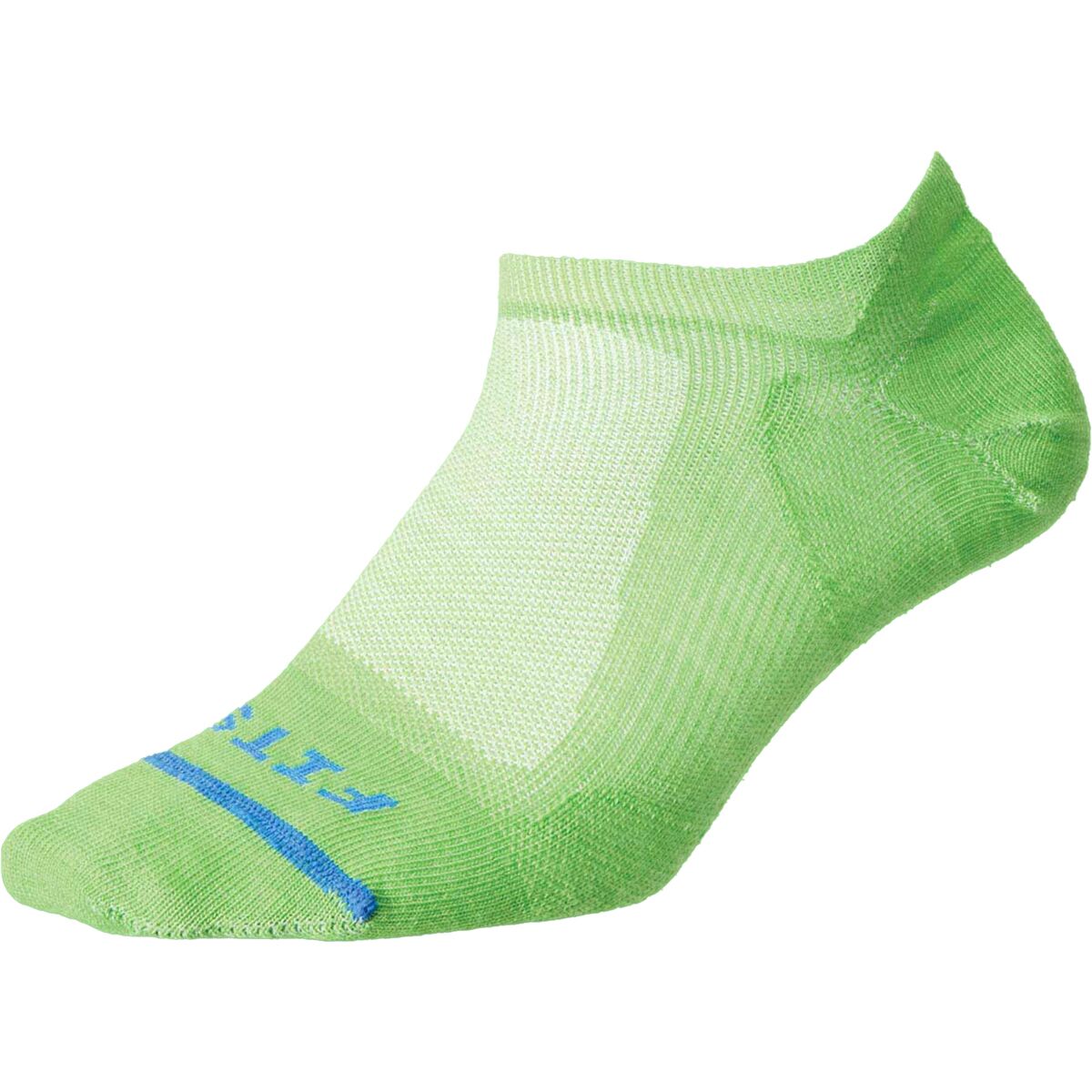
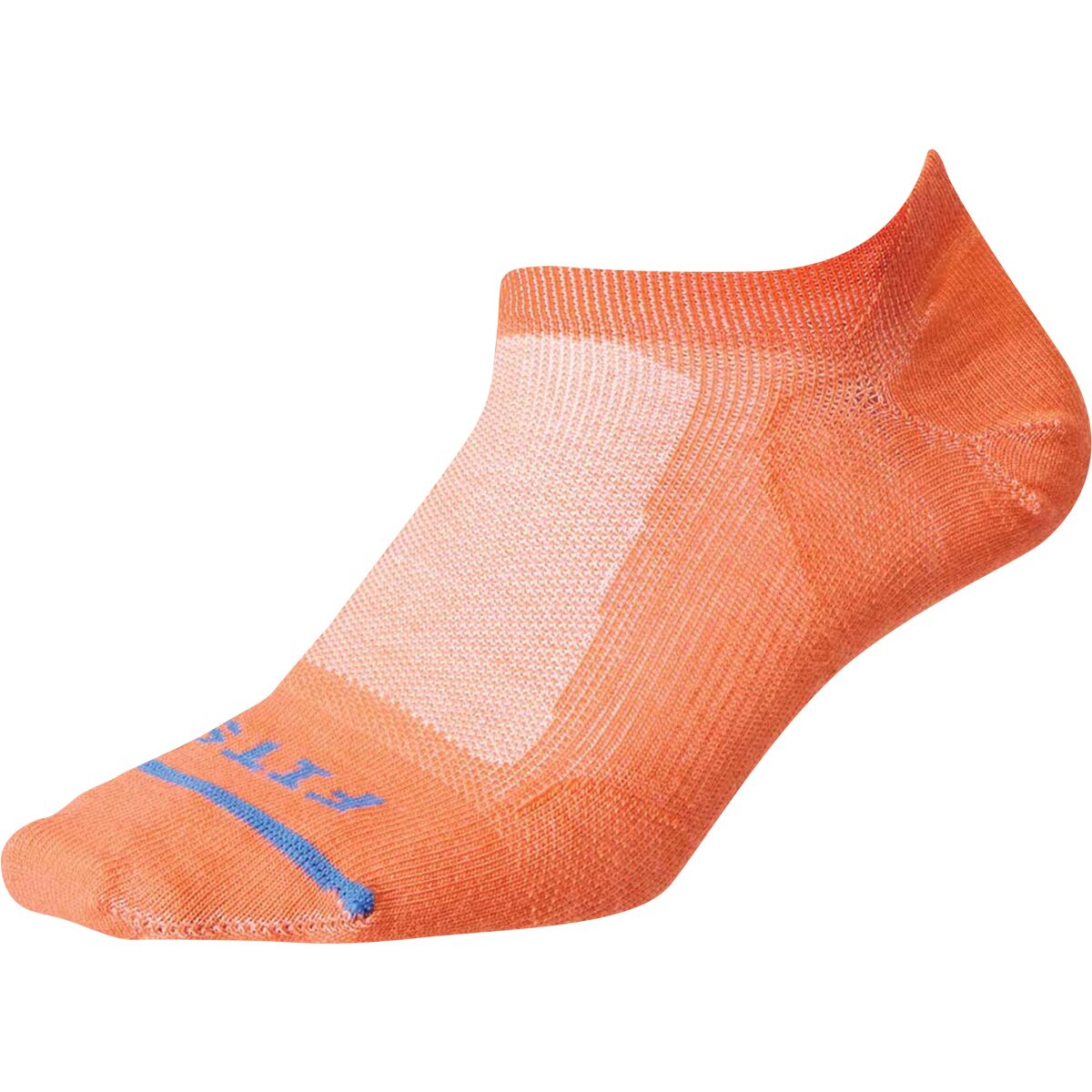
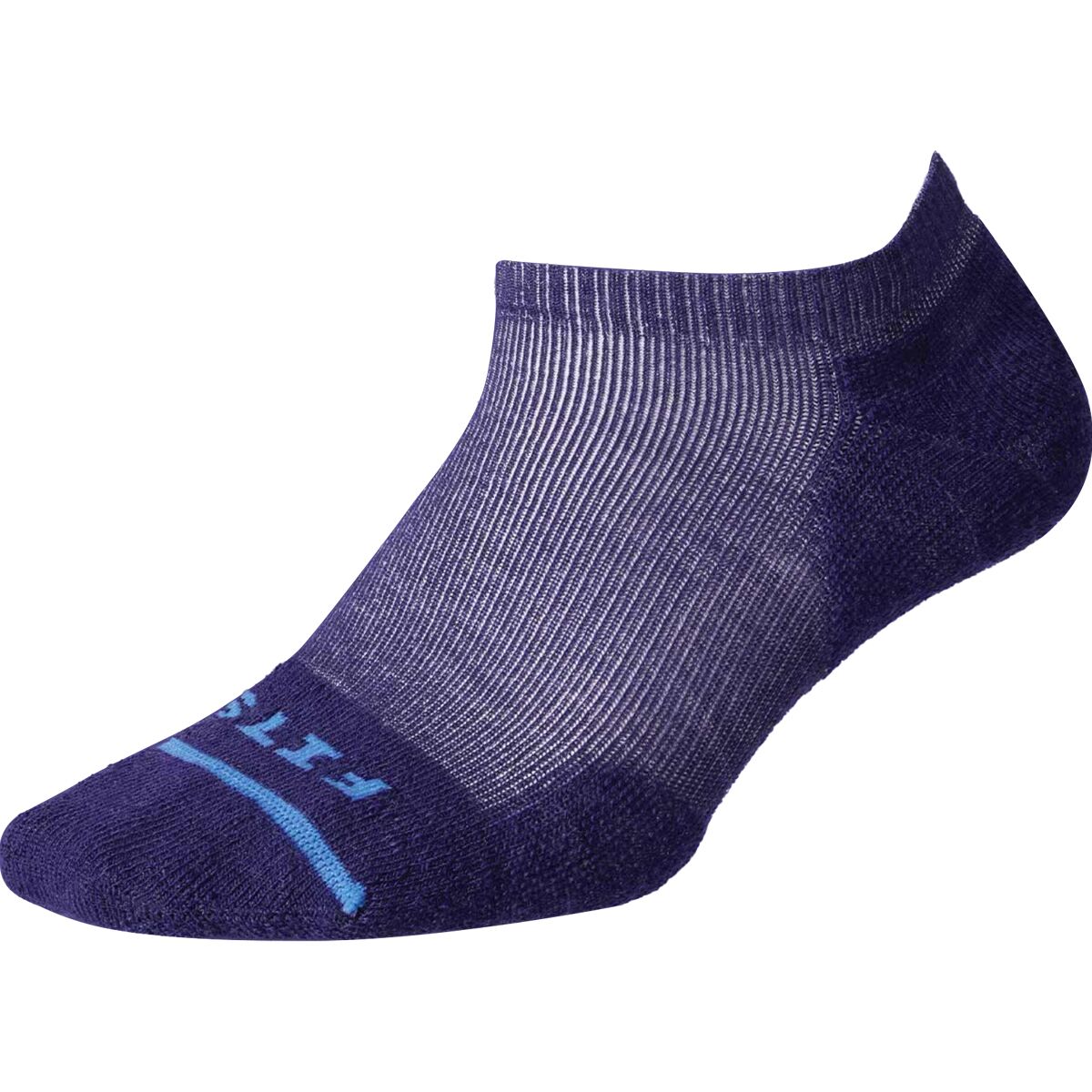
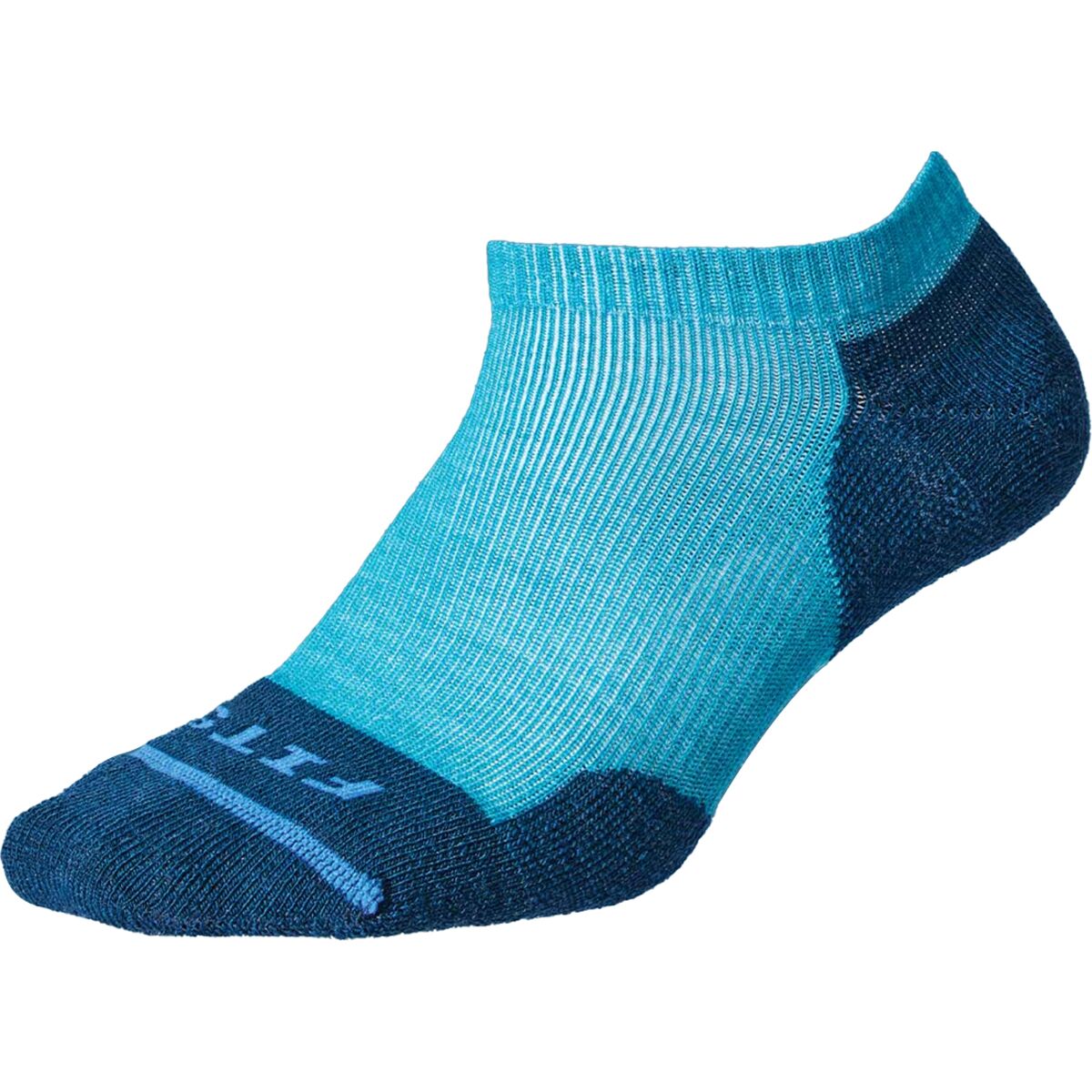
Ultra Light Runner No Show Socks - Men's
3 colors
$18.95
Discount Applies In Cart | Ends 11/16
Related Categories
Frequently Asked Questions
How do I pick the right size and fit for men's outdoor jackets and layering pieces?
Check each brand’s size chart and measure chest, waist, and sleeve length; different brands like Patagonia, Arc'teryx, and The North Face have distinct fits. For jackets, fit the shoulders and chest for mobility and allow enough room to layer an insulating midlayer without excessive bulk; for pants, look for a natural waist fit and articulated knees for movement. If you’re between sizes and plan heavy layering, size up rather than down.What materials and technologies should I prioritize for base layers, midlayers, and shells?
Base layers: merino wool or synthetic Capilene-style fabrics for odor control and moisture management during high-output activity. Midlayers: Polartec fleece, PrimaLoft, or down for warmth-to-weight—choose synthetic insulation where damp conditions are likely. Shells: waterproof-breathable membranes like Gore-Tex or eVent and DWR-treated face fabrics for reliable weather protection and breathability.How does the Patagonia Down Sweater compare to the Arc'teryx Cerium LT for alpine and everyday use?
The Patagonia Down Sweater is known for versatile warmth, durable face fabrics, and a more relaxed, casual fit that works well for everyday use and travel. The Arc'teryx Cerium LT is lighter, more trim and technical in cut with performance-oriented patterning suited to alpine layering under a shell. Choose the Down Sweater if you want a more everyday, packable puffer; pick the Cerium LT if you prioritize a slimmer profile and technical layering for climbing or fastpacking.What construction details signal a durable pair of men’s hiking pants or an all-weather shell?
Look for reinforced seams and bar-tacking at stress points, gusseted crotches and articulated knees for freedom of movement, and abrasion-resistant face fabrics like ripstop nylon. For shells, taped seams, robust YKK zippers, and a quality DWR finish or fully seam-taped Gore-Tex membrane indicate long-term weather protection and durability.How should I build a layering system for multi-day backpacking in variable conditions?
Start with a moisture-wicking base layer (merino or synthetic), add a breathable midlayer such as Polartec fleece or an insulated jacket like the Patagonia Nano Puff or Arc'teryx Atom for on-trail warmth, and carry a waterproof breathable shell for storms. Prioritize pieces that pack small, layer well together, and match insulation to expected nighttime lows so you can shed or add layers based on activity level and conditions.