


Up To 20% Off Full-Price Items
Shop now
EXTRA 20% Off Clearance
Shop now | Ends 11/9
Get An EXTRA $50 Cash Back*
Summit+ exclusive
FITS Hike & Camp
5 results

FITS
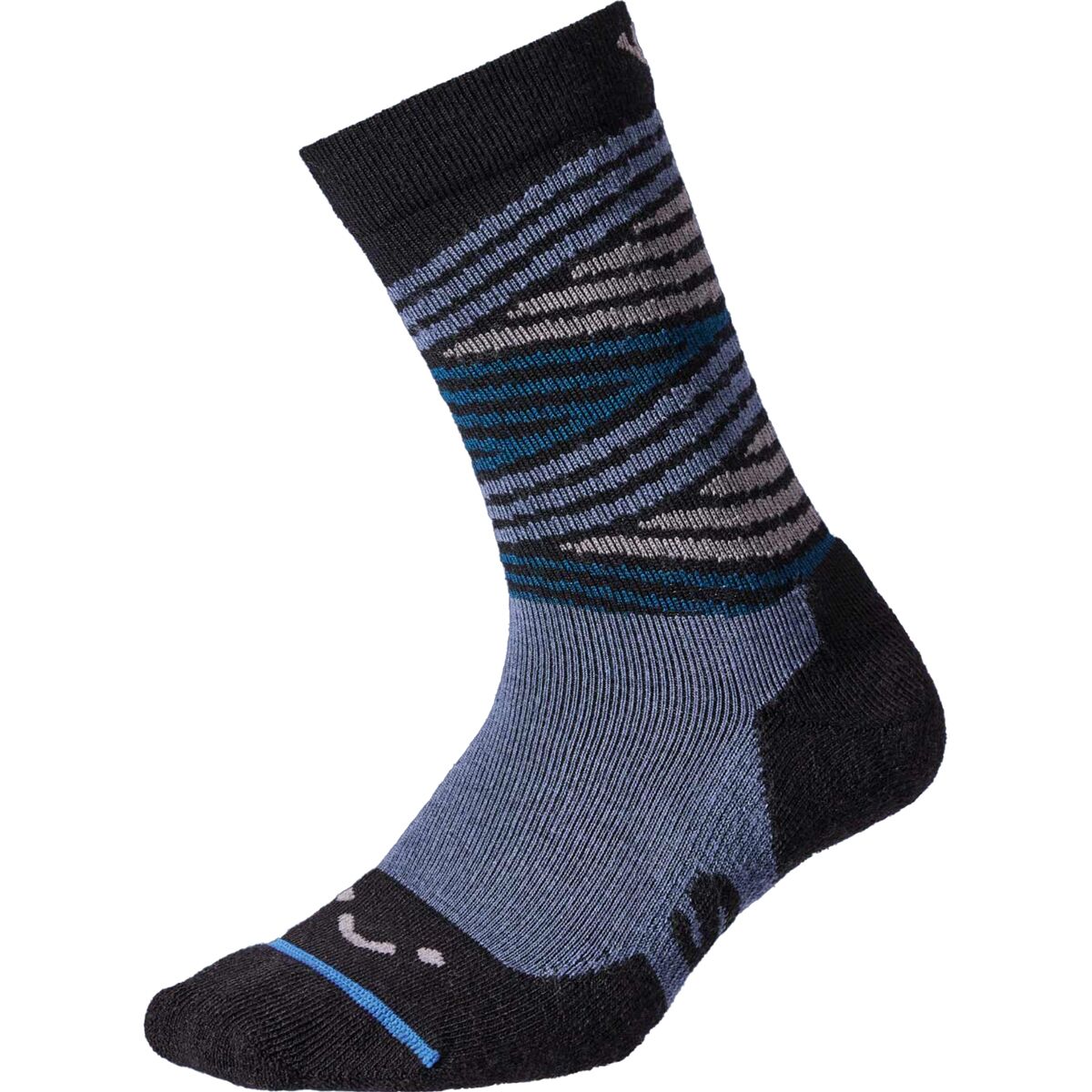
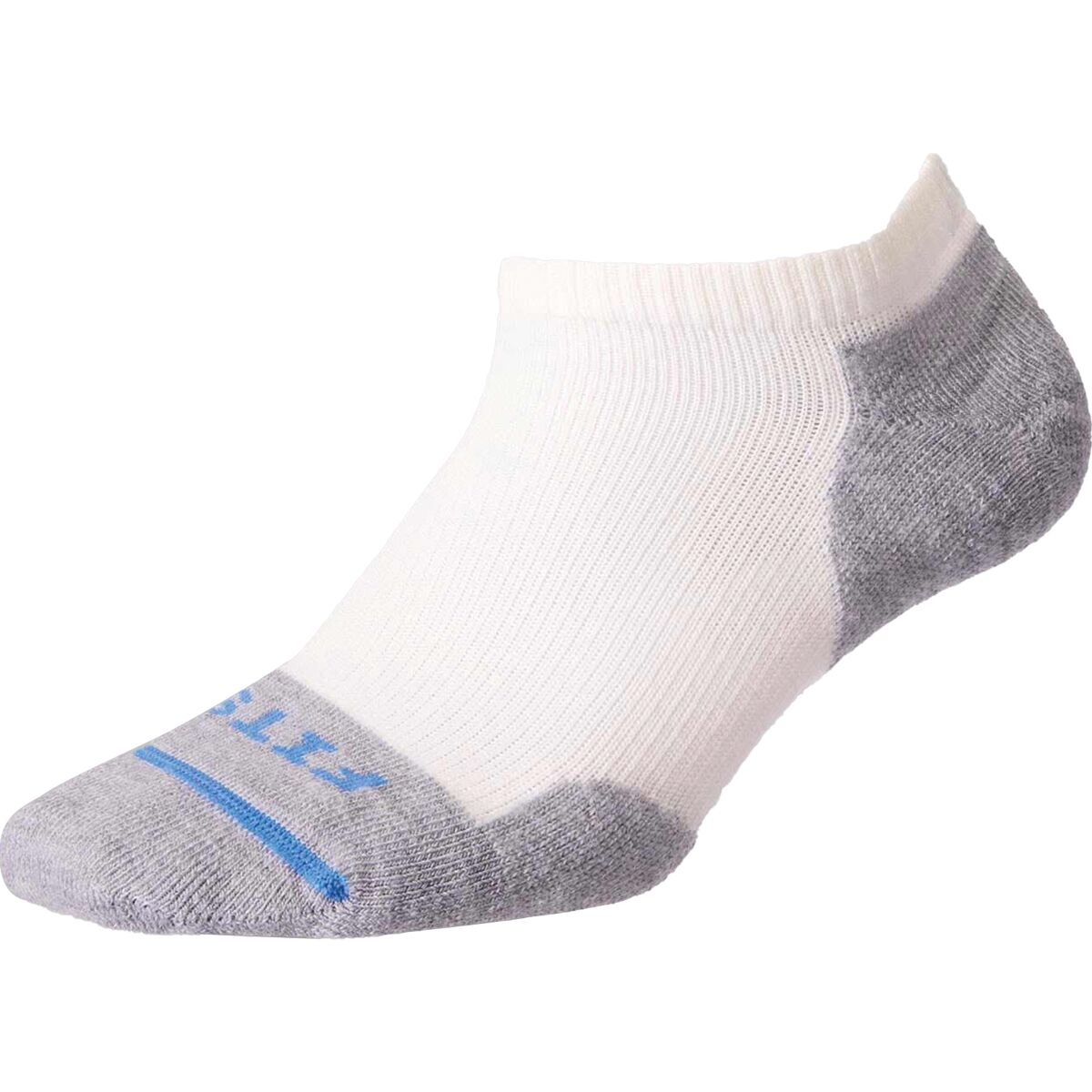
Hermiston Crew Original Fit Light Sock
4 colors
$24.95
Discount Applies In Cart | Ends 11/16


FITS
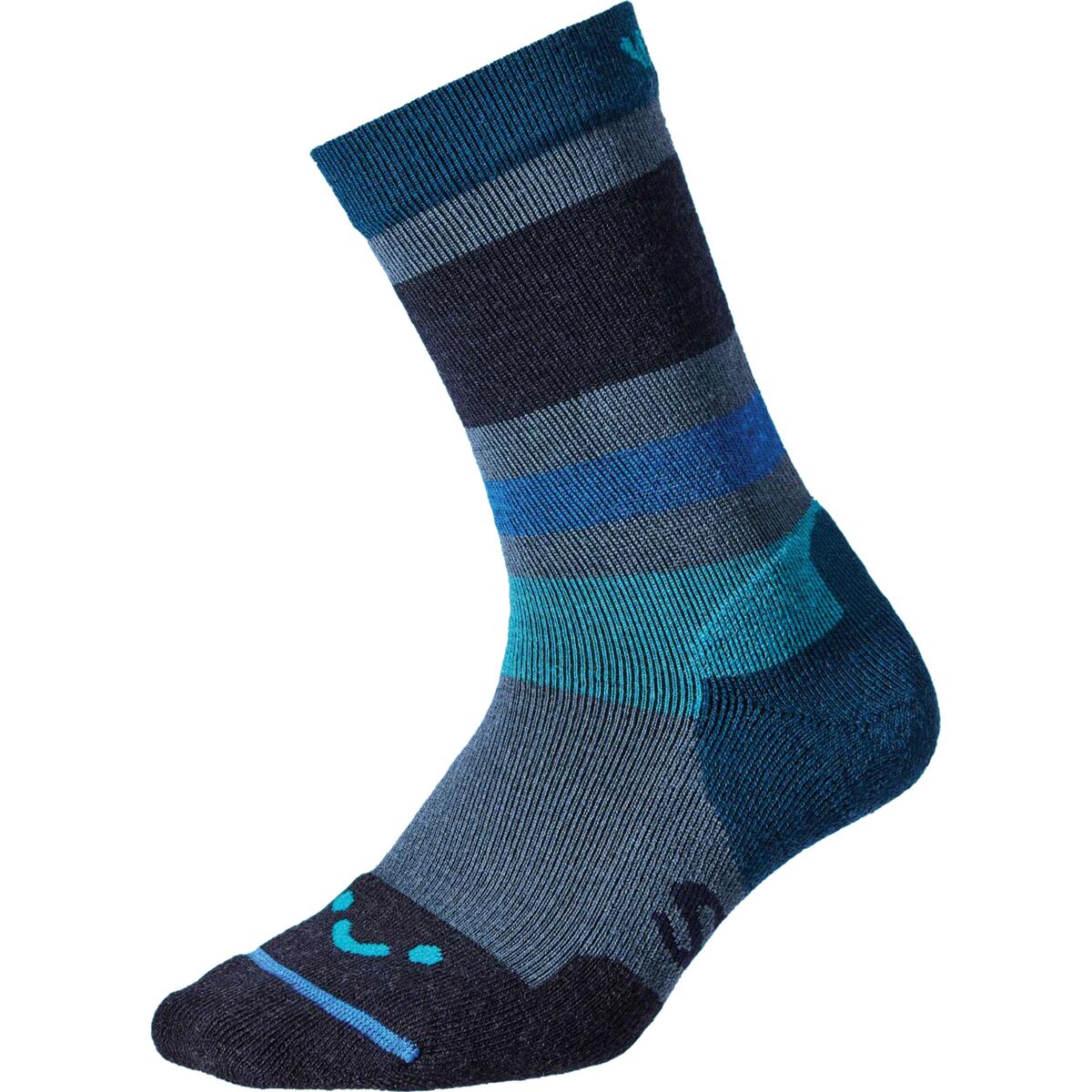
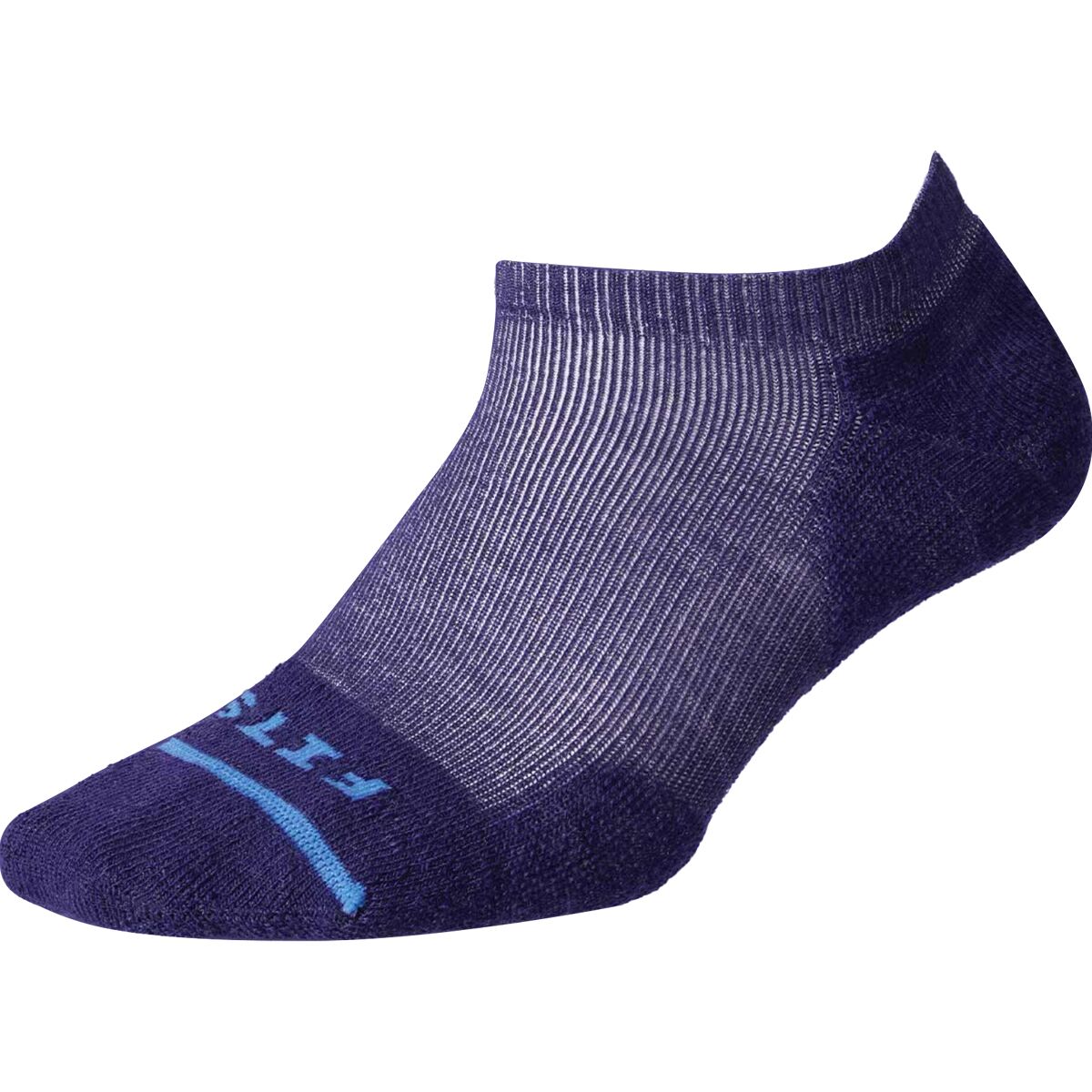
Go With The Flow Crew Original Fit Light Sock
2 colors
$24.95
Discount Applies In Cart | Ends 11/16

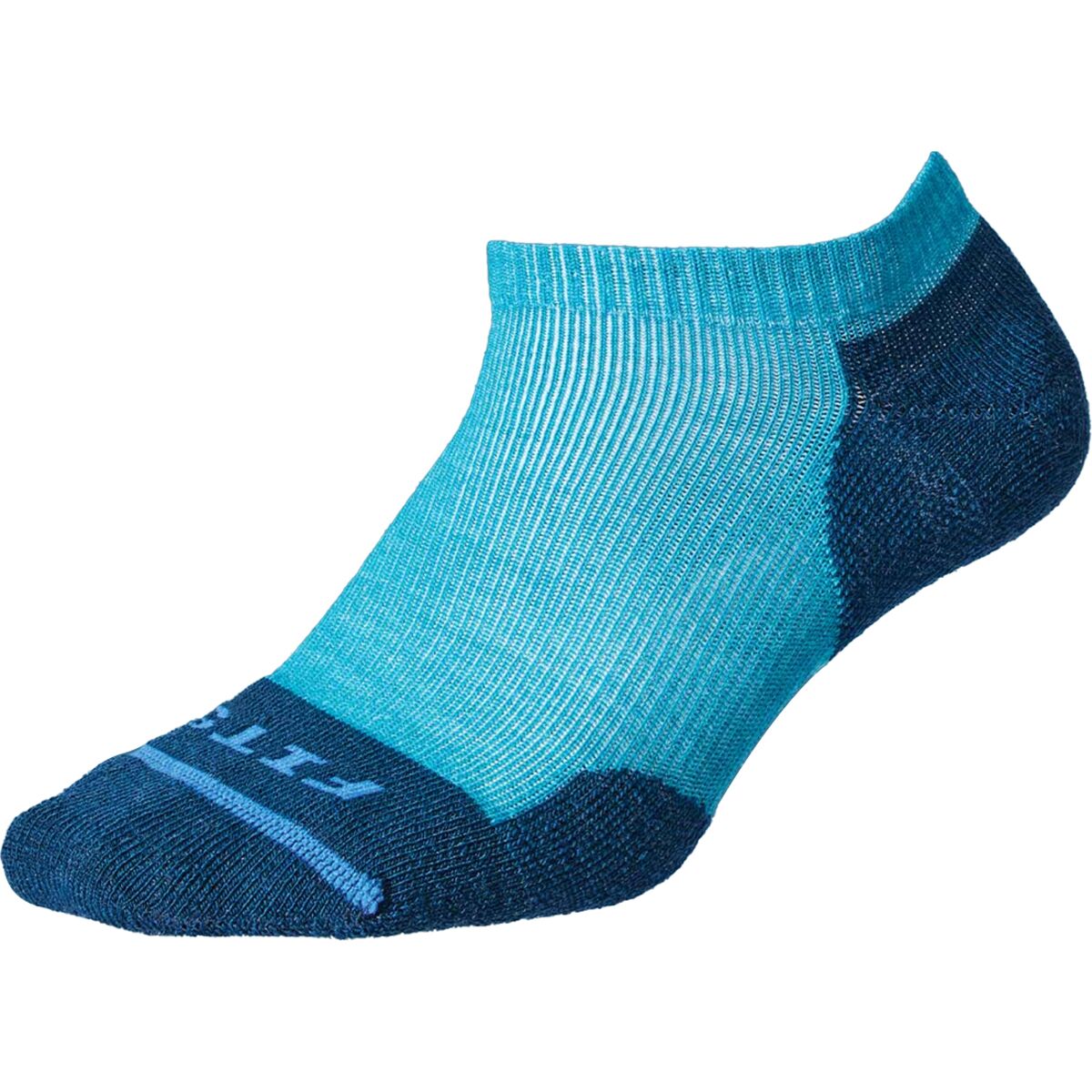
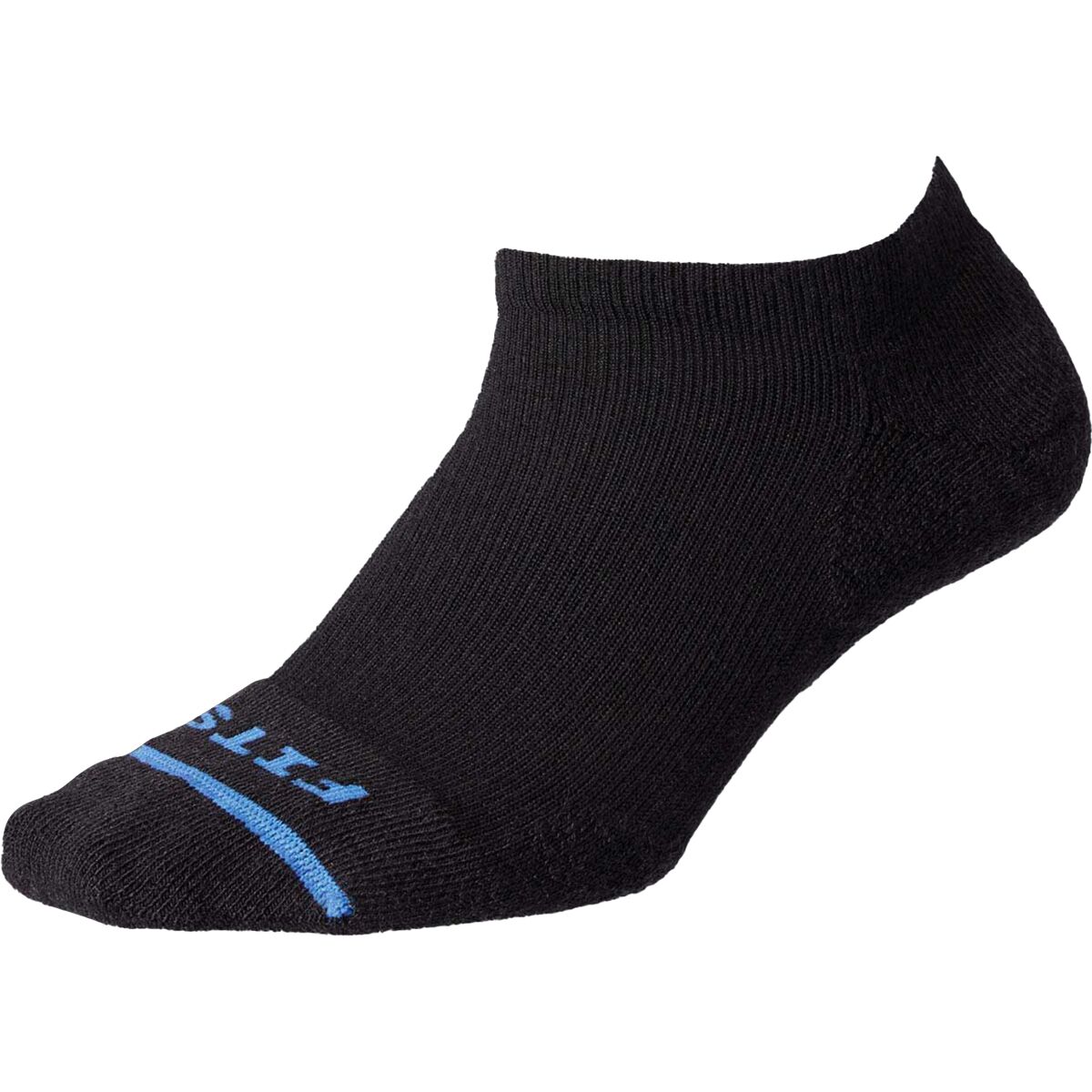
FITS
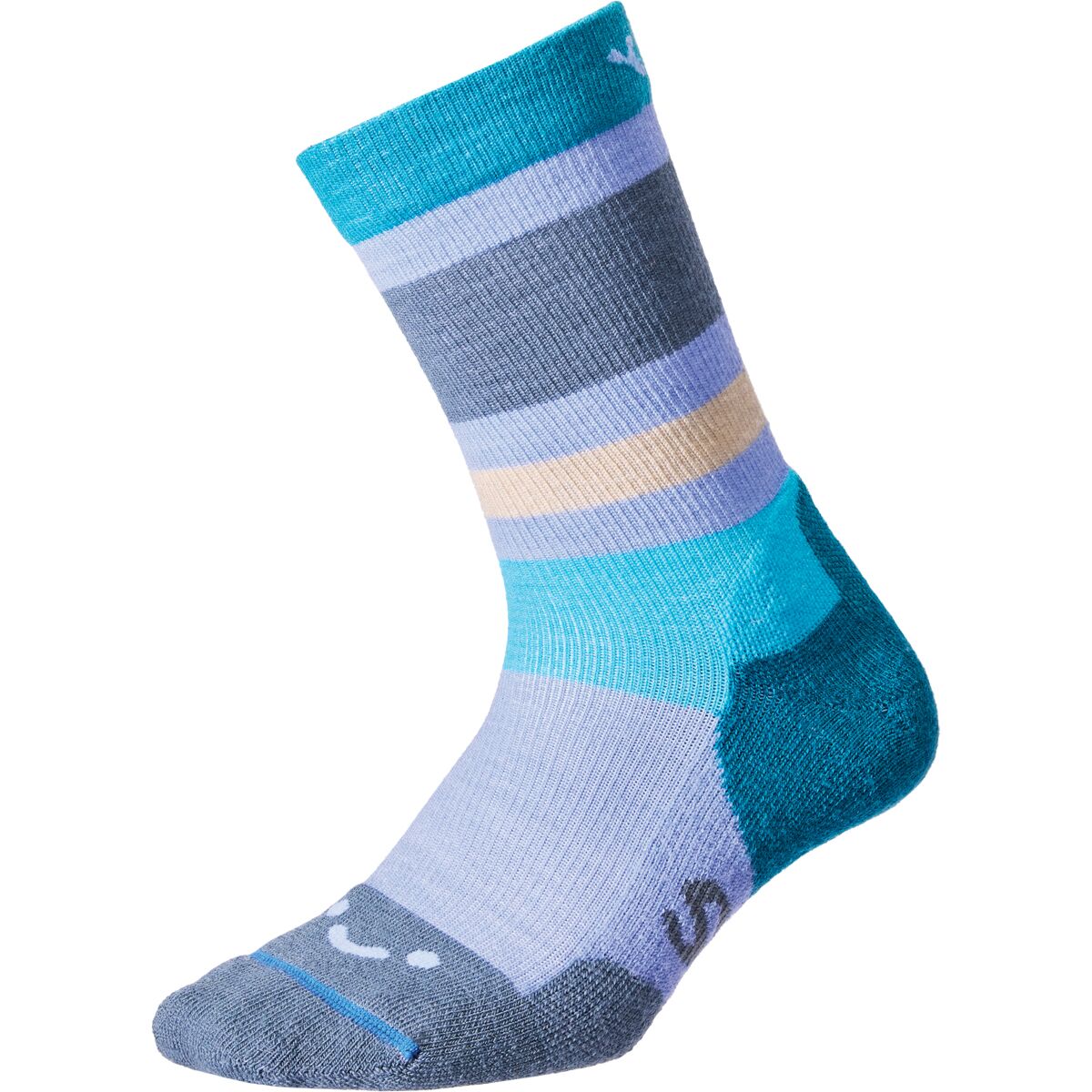
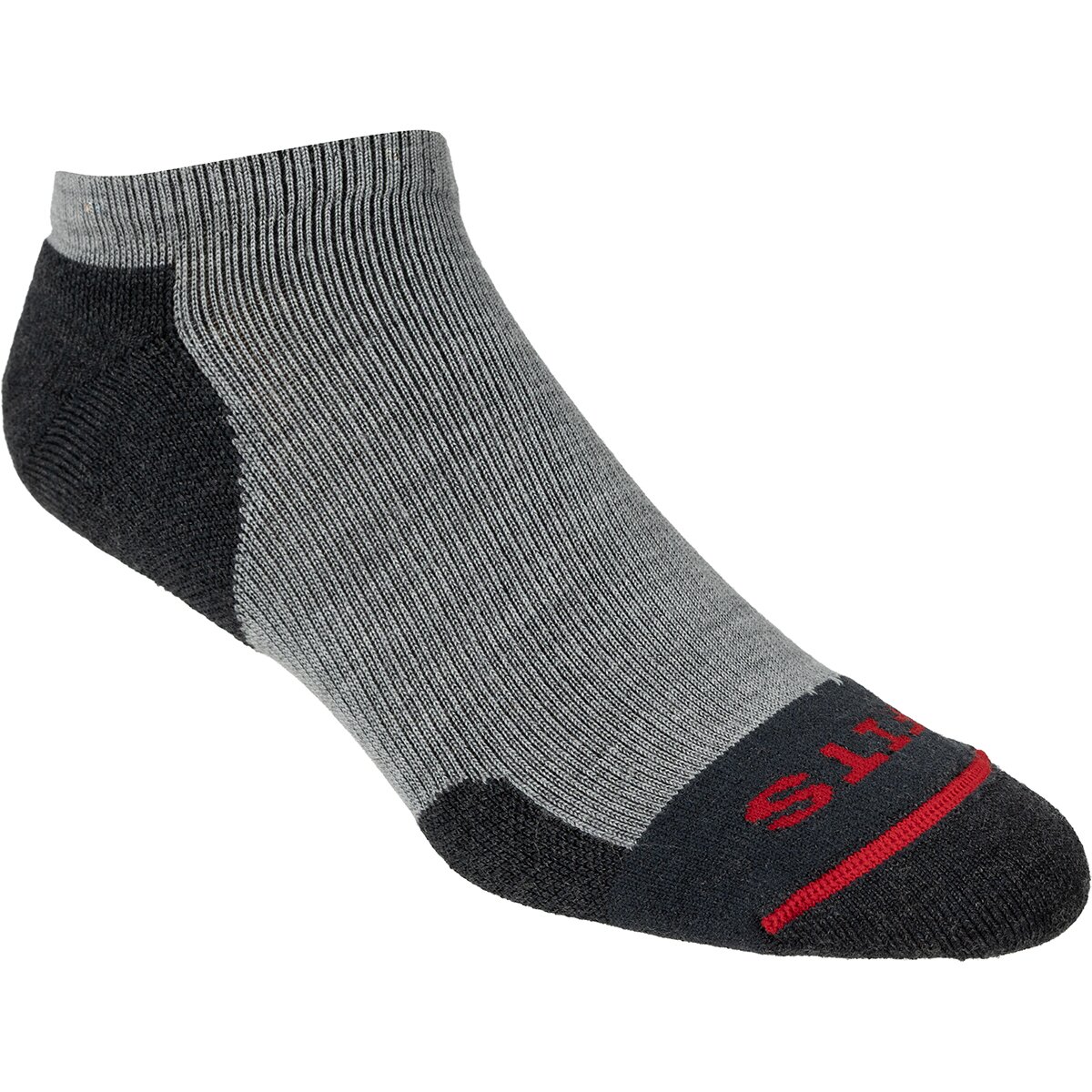
Light Hiker Quarter Socks
3 colors
$21.95
Discount Applies In Cart | Ends 11/16
(1)

FITS
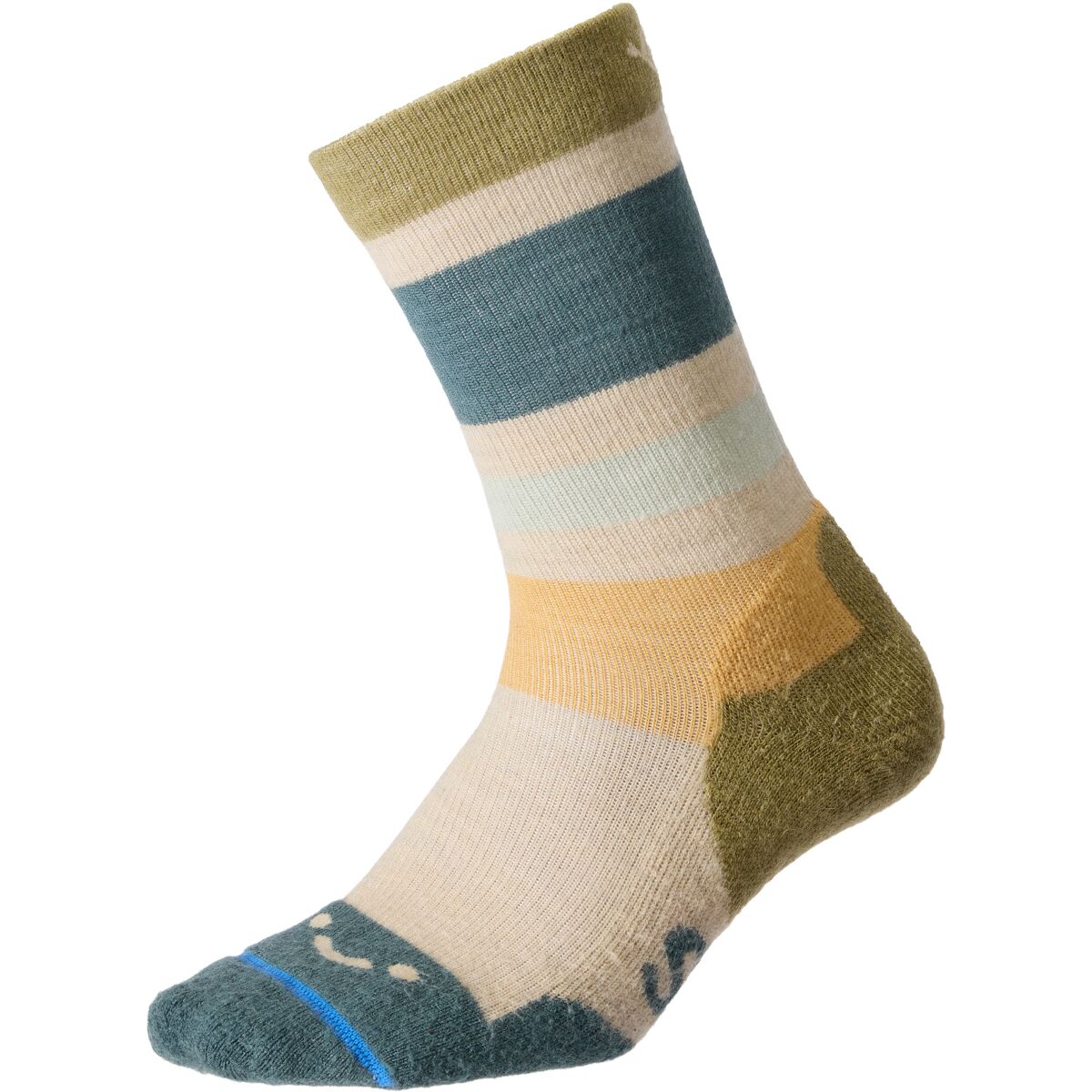
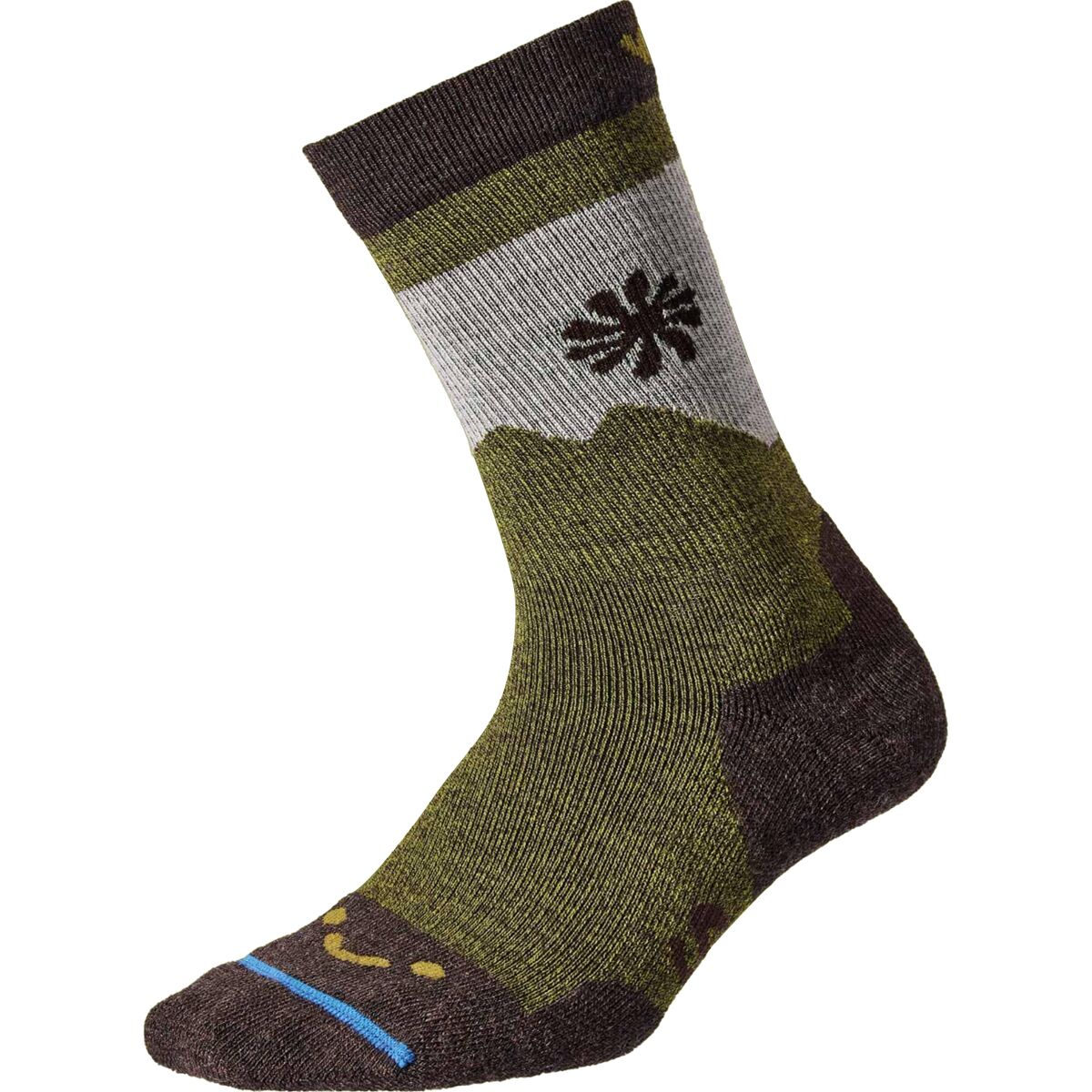
Medium Hiker Crew Socks
3 colors
$26.95
Discount Applies In Cart | Ends 11/16

FITS
Light Hiker Crew Socks - Men's
3 colors
$24.95
Discount Applies In Cart | Ends 11/16
Related Categories
Frequently Asked Questions
How do I choose the right backpack size for day hikes versus multi-day trips?
Choose by volume and load: daypacks 20–30L cover essentials for single-day hikes, 30–50L suits weekend trips or ultralight overnighting, and 50–70L is typical for multi-day backpacking with full sleep systems. Fit is equally important—pick the correct torso length, a padded hipbelt, and adjustable load lifters, and always test the pack loaded to ensure comfort.What features matter when picking hiking footwear for mixed terrain and varied seasons?
Match footwear to terrain and conditions: trail runners (think Lone Peak–style shoes) provide breathability and speed on smoother trails, while high-cut hiking boots with stiffer midsoles and waterproof membranes like Gore‑Tex offer ankle support and wet-weather protection on rocky or muddy routes. Prioritize a secure heel cup, grippy outsoles (Vibram or similar), and proper fit—break in boots before long trips to prevent blisters.How should I weigh durability versus lightweight design when selecting tents, trekking poles, and packs?
Base the choice on trip type: rugged, high-denier fabrics and aluminum poles resist abrasion and repeated use on rough terrain, whereas ripstop nylon and carbon-shaft poles cut weight for fastpacking or minimal-load trips. Inspect denier ratings, seam-taping, reinforced stress points, and component repairability to judge long-term durability versus weight savings.How does a daypack like the Talon 33 compare to a 50–70L multi-day pack for weekend trips?
A Talon 33–style daypack emphasizes agility, lower weight, and quick-access features (hip-belt pockets, external attachment points), making it great for fast hikes or very minimalist overnights. A 50–70L multi-day pack includes a framed load-carrying system, larger sleep-system capacity, and more adjustment for hauling heavier loads comfortably over several days.What navigation and safety tech should hikers bring for backcountry trips?
Use a layered approach: carry a topo map and compass as primary backups, and add a GPS watch or handheld for route tracking and elevation data. For remote areas consider a satellite communicator like the inReach Mini for two‑way messaging and SOS capability, download offline maps in apps (e.g., AllTrails) before you go, and bring a spare power bank to preserve device battery.