


Up To 20% Off Full-Price Items
Shop now
EXTRA 20% Off Clearance
Shop now | Ends 11/9
Get An EXTRA $50 Cash Back*
Summit+ exclusive
Scott Ski
31 results
HSA/FSA Eligible

Scott
Chase 2 Plus Helmet
2 colors
Winter Sale
(3)

Scott
Decree Ski Poles
3 colors
Extra 20% Off Clearance | Ends 11/9
(3)

Scott
Koko Ski Poles
3 colors
Extra 20% Off Clearance | Ends 11/9

Scott
Cosmos Re-Source Boot - 2026
1 color
10% Cashback Eligible

Scott
Cosmos Touring Boot - 2026
1 color
10% Cashback Eligible
(1)

Scott
Celeste Tour Boot - 2026 - Women's
1 color
Extra 20% Off Clearance | Ends 11/9
HSA/FSA Eligible

Scott
Track Plus Helmet
3 colors
Extra 20% Off Clearance | Ends 11/9

Scott
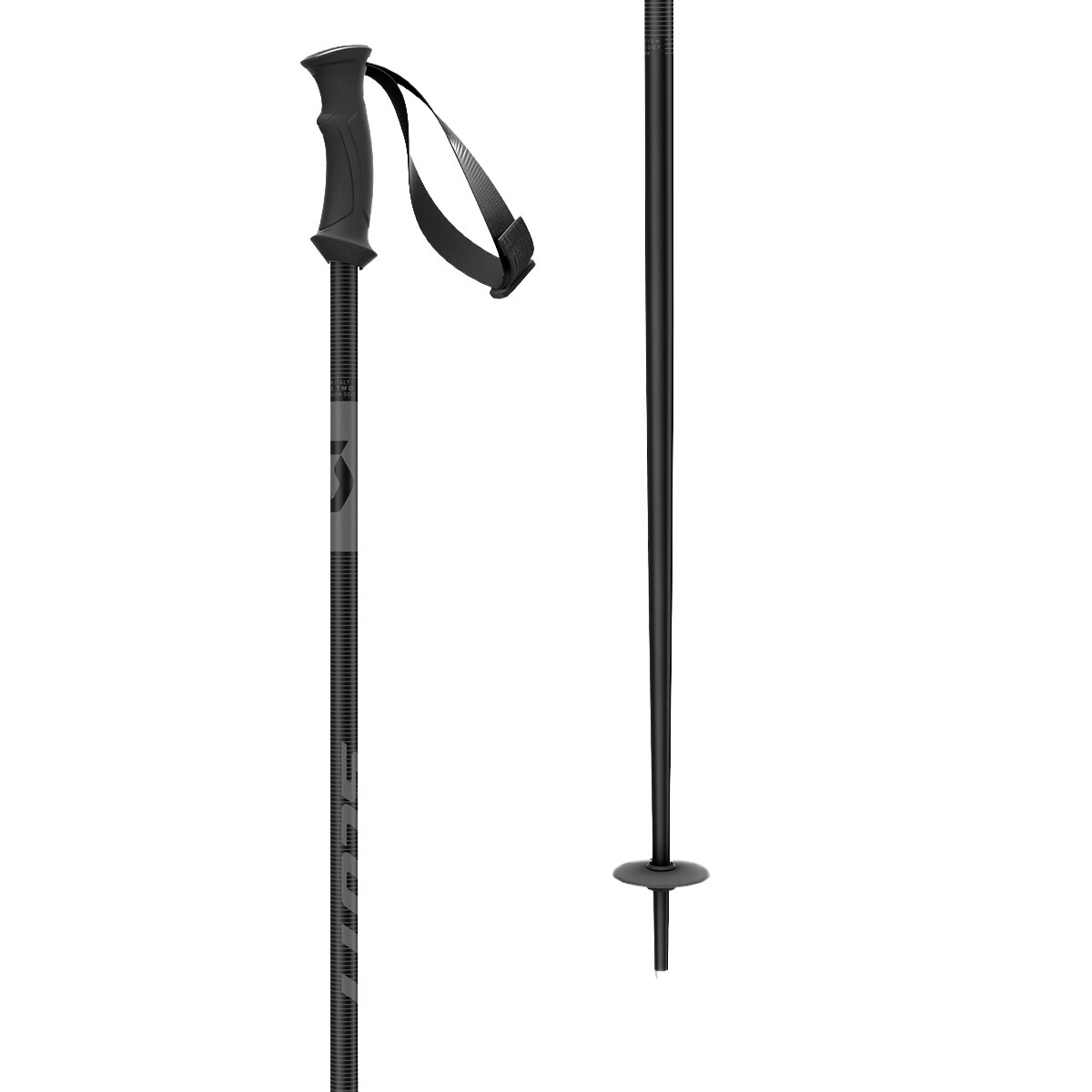
Sun Valley Ski Pole
1 color
Extra 20% Off Clearance | Ends 11/9
HSA/FSA Eligible

+3
Scott
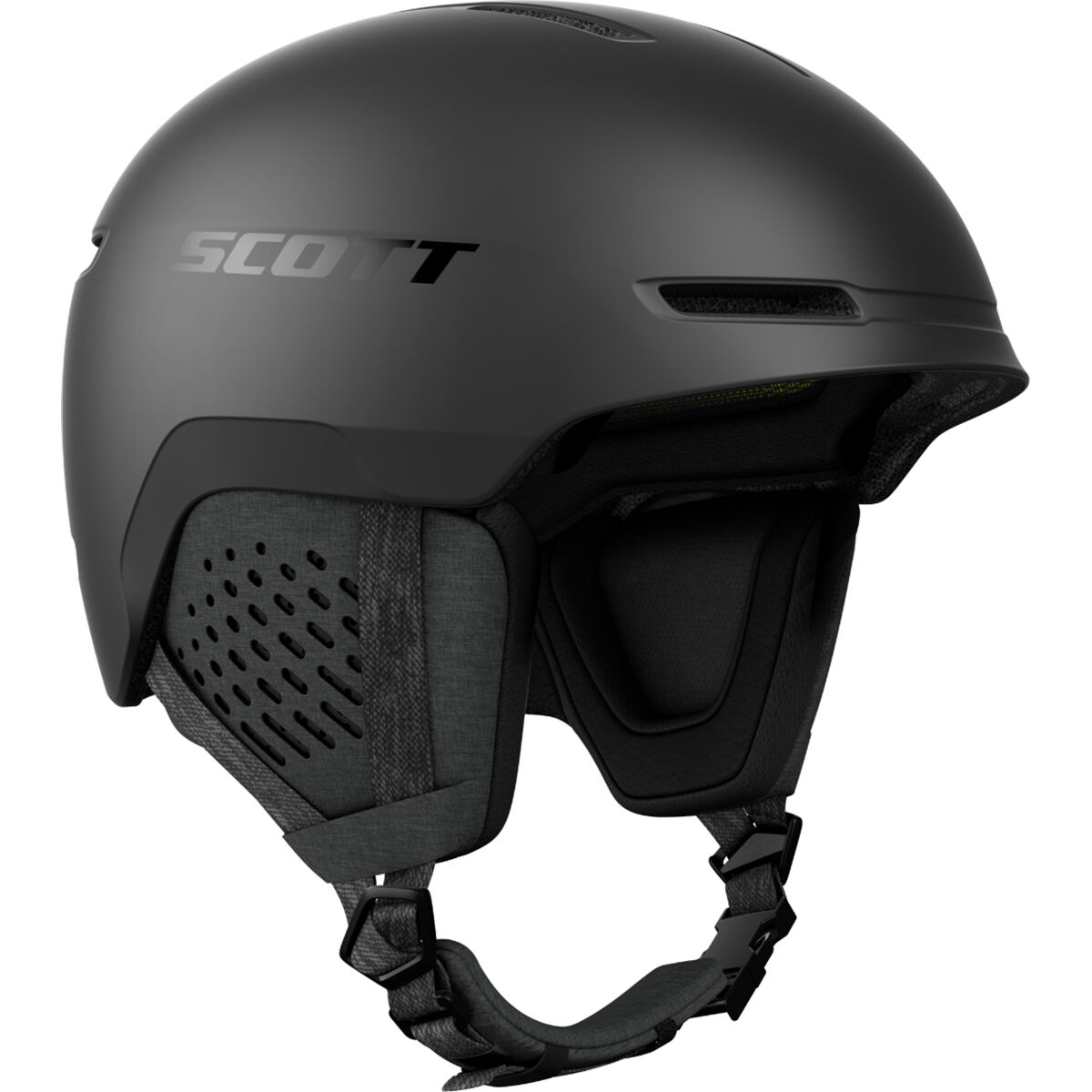
Track Helmet
7 colors
Discount Applies In Cart | Ends 11/16

Scott
Patrol E2 30L Avy Airbag Backpack
1 color
Discount Applies In Cart | Ends 11/16

Scott
Hint 130 GW Boot - 2026
1 color
10% Cashback Eligible

Scott
Patrol E2 38L Airbag Avypack Kit
1 color
Extra 20% Off Clearance | Ends 11/9

Scott
540 Pro Ski Pole
1 color
Discount Applies In Cart | Ends 11/16

Scott
Celeste Boot - 2026 - Women's
1 color
10% Cashback Eligible

Scott
Kacy Ski Pole
2 colors
Extra 20% Off Clearance | Ends 11/9

Scott
SEA Pole
3 colors
Extra 20% Off Clearance | Ends 11/9

Scott
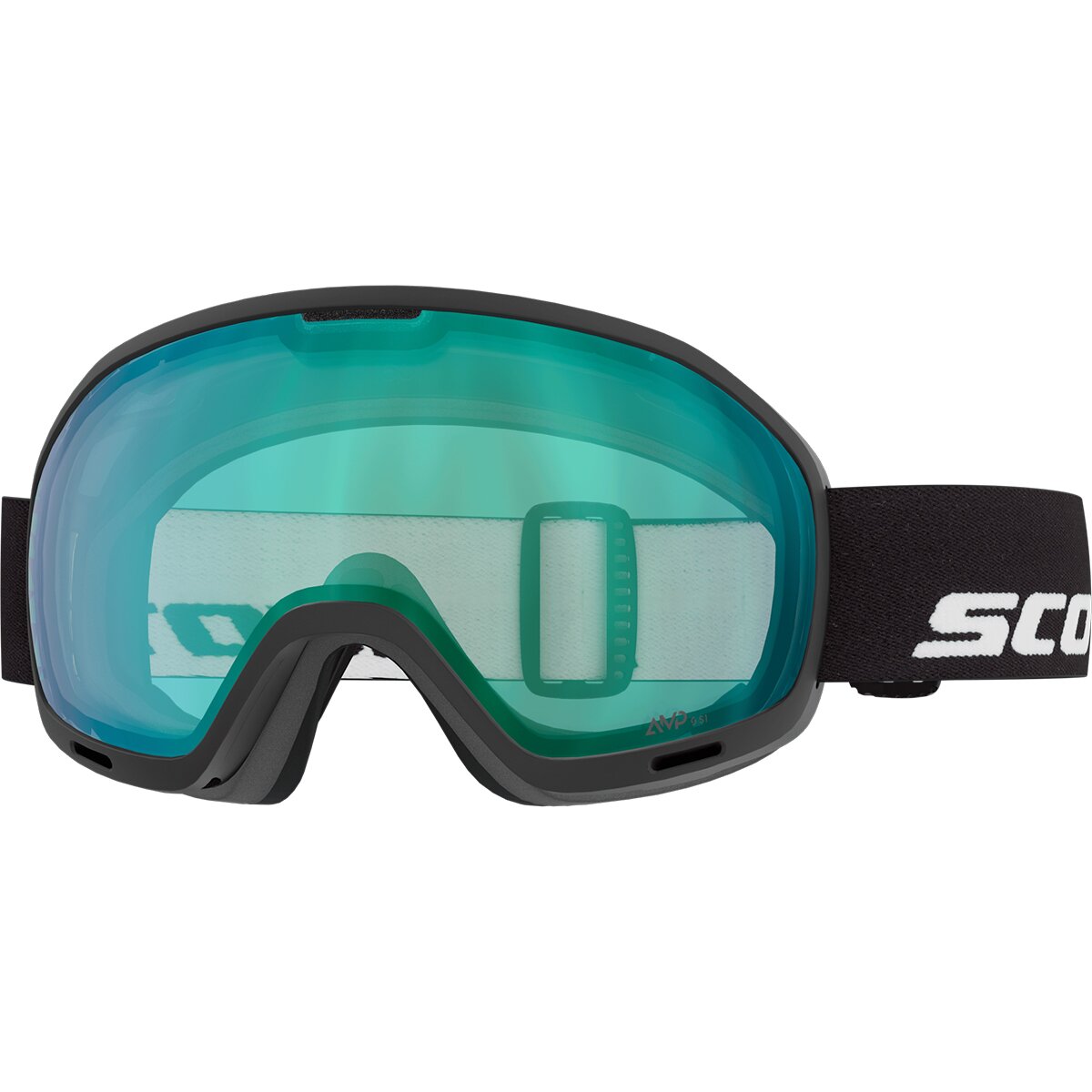
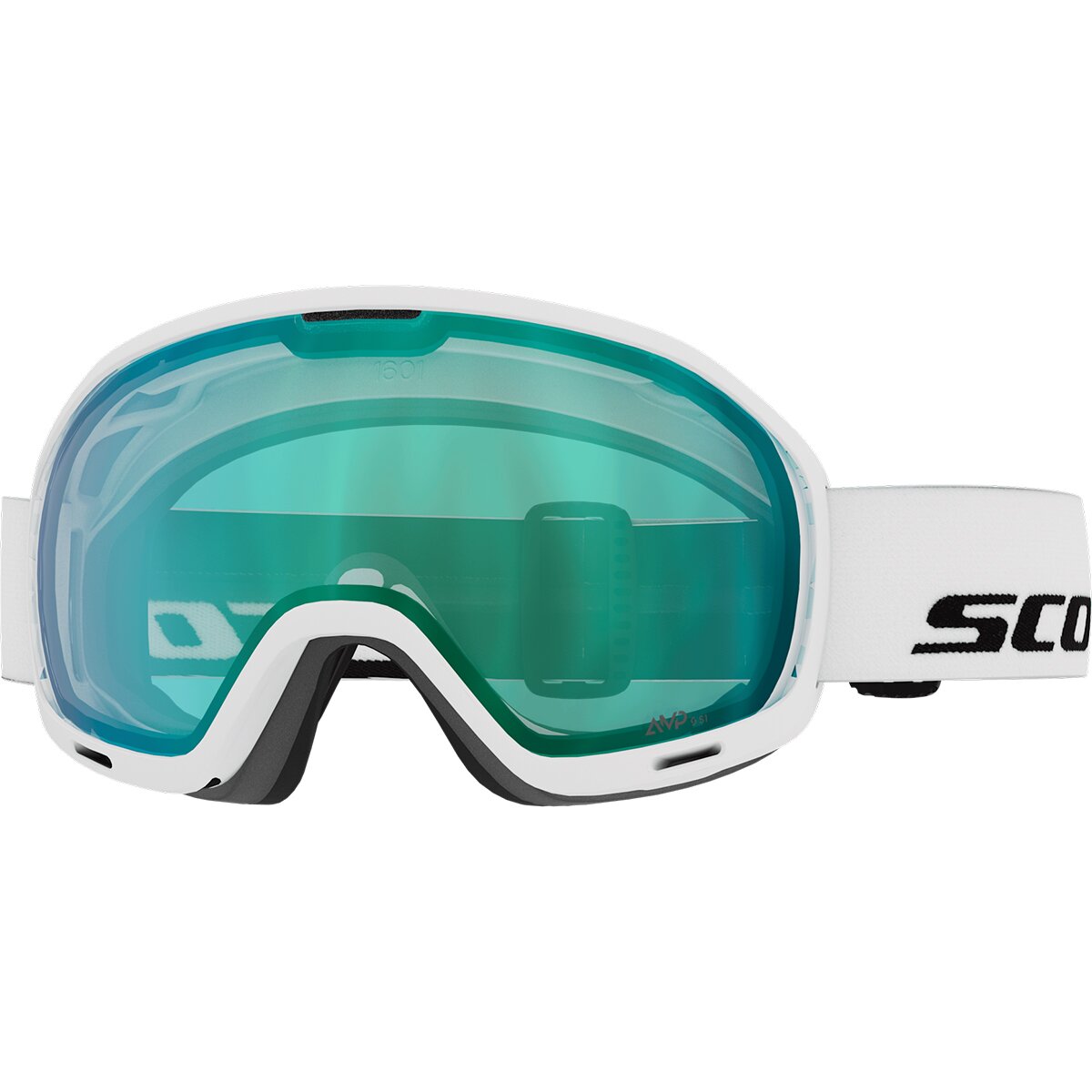
Shield Goggles
3 colors
Discount Applies In Cart | Ends 11/16

Scott
540 Pro Ski Poles - 2027
1 color
Winter Sale

Scott
Shield Junior Goggles - Kids'
2 colors
Discount Applies In Cart | Ends 11/16

Scott
Unlimited II OTG Goggles
2 colors
Discount Applies In Cart | Ends 11/16

Scott
Cartridge Set For Airbag (CO2+Argon)
1 color
Discount Applies In Cart | Ends 11/16

Scott
Team Issue SRS Ski Poles
1 color
Discount Applies In Cart | Ends 11/16

Scott
SMU Decree Re-Entry Ski Pole
1 color
Extra 20% Off Clearance | Ends 11/9

Scott
Free 18 Ski Pole
1 color
Discount Applies In Cart | Ends 11/16
HSA/FSA Eligible

Scott
Flow Pro Mips Helmet
2 colors
Discount Applies In Cart | Ends 11/16

Scott
SCO Patrol Ultralight E2 25L Airbag Avypack Kit
1 color
Discount Applies In Cart | Ends 11/16

Scott
Orbit Alpine Touring Boot - 2025
1 color
Extra 20% Off Clearance | Ends 11/9

Scott
Cosmos PRO Boot - 2026
1 color
Extra 20% Off Clearance | Ends 11/9
(2)

Scott
Cosmos Boot - 2026
1 color
Extra 20% Off Clearance | Ends 11/9
HSA/FSA Eligible

Scott
Couloir Tour Helmet
1 color
Winter Sale

Scott
Voodoo Telemark Ski Boot
1 color
10% Cashback Eligible
Related Categories

Frequently Asked Questions
Which SCOTT skis are best for backcountry powder while still keeping uphill efficiency?
The Superguide Freetour is built as a freetour/powder hybrid with Pro‑Tip rocker, a lightweight Paulownia/beech dual wood core and skin compatibility via SCOTT Hook Fixation, making it a strong choice for long approaches and float. For bigger, more committed powder days the Scrapper 115 offers more float and stability thanks to a ~115 mm waist and a stiffer, heavier layup, though it’s noticeably heavier on the climb.How does the Superguide Freetour compare to the Scrapper 115?
The Superguide Freetour is a lighter touring-focused ski (≈1530 g per ski at 178 cm, ≈1610 g at 185 cm) with a Pro‑Tip rocker and a 3Dimension Touring sidecut for maneuverable turns and uphill efficiency. The Scrapper 115 is a big‑mountain freeride shape with a wider waist (~115 mm) and a heavier construction (~1930 g at 189 cm) that prioritizes flotation and stability when charging steep, deep lines. Choose the Superguide for weight‑sensitive touring and the Scrapper for maximum flotation and high‑speed confidence.Are the Superguide Carbon and Freeguide Carbon boots good for long tours and driving big skis?
Yes, both Superguide Carbon and Freeguide Carbon boots use a relatively wide last and carbon reinforcement to balance uphill walkability with downhill power. They’re designed to provide a secure, high‑performance stance to drive wider skis while keeping cuff mobility and weight reasonable for longer tours.How should I choose SCOTT ski length and waist width for mixed backcountry terrain?
For mixed backcountry, match length and width to your weight, fitness, and preferred turn shape: longer lengths (e.g., 185–189 cm) increase high‑speed stability, shorter lengths (e.g., 178 cm or shorter) improve agility in tight terrain. Waist width in the 104–115 mm range favors powder flotation and versatile turn performance, while a ~98 mm like the Sea 98 is better for playful, quicker edge‑to‑edge skiing on varied snow.What construction features give SCOTT skis stability at speed without adding excessive weight?
SCOTT pairs a Paulownia/beech dual wood core with carbon and aramid reinforcements to achieve torsional stiffness and damping while keeping mass low. Sandwich semi‑elliptic sidewalls and the 3Dimension Touring sidecut improve edge hold and turn control, while Pro‑Tip rocker and factory CNC base grind/factory edge finish help flotation and smooth speed delivery.