


20% Off Full-Price Items
Ends today
Flash Sale! Up To 70% Off
Shop now | Ends 11/2
Spend $200, Get $30 Cash Back
Summit+ only | Shop kids'
DAKINE
362 results


+5
DAKINE
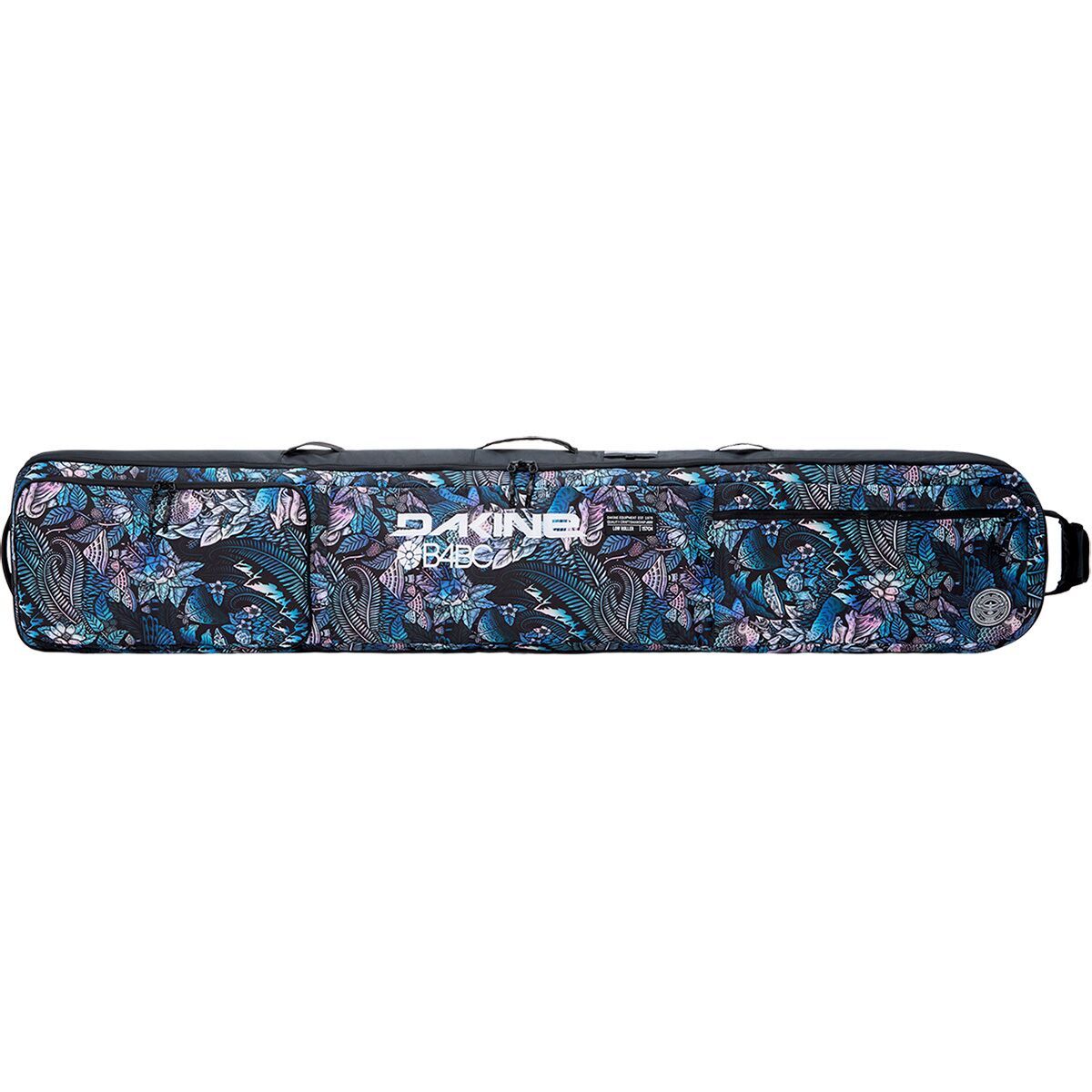
Low Roller Snowboard Bag
9 colors
Discount Applies In Cart | Ends 11/1
(1)

+2
DAKINE
Fall Line Ski Roller Bag
6 colors
Discount Applies In Cart | Ends 11/1
(1)

DAKINE
Boot 50L Pack
5 colors
Discount Applies In Cart | Ends 11/1
(2)

DAKINE
Pick-Up Pad
2 colors
Flash Sale! Ends 11/2
(5)

DAKINE
Low Roller Snowboard Bag X Mayhem
1 color
Flash Sale! Ends 11/2
(2)

DAKINE
Tour Snowboard Bag
5 colors
Flash Sale! Ends 11/2
(2)

DAKINE
Split Roller 110L Gear Bag
2 colors
Discount Applies In Cart | Ends 11/1
(1)

DAKINE
Split Roller 85L Gear Bag X Mayhem
1 color
Flash Sale! Ends 11/2
(1)

DAKINE
Pickup Pad DLX
1 color
Flash Sale! Ends 11/2
(1)

DAKINE
DLX 75L Boot Pack
3 colors
Discount Applies In Cart | Ends 11/1
(2)

DAKINE
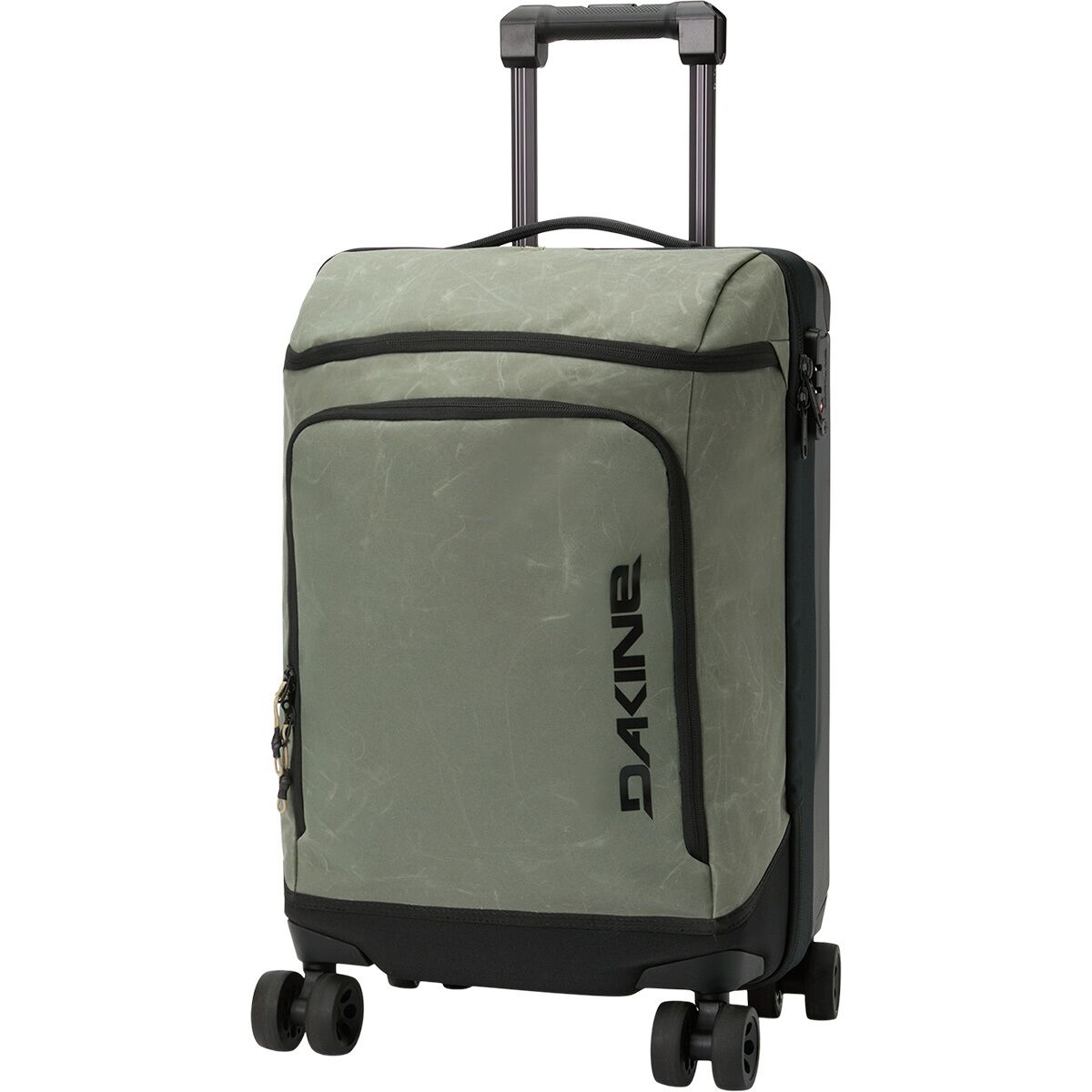
Carry-On 42L Roller Bag
3 colors
Flash Sale! Ends 11/2
(1)

DAKINE
Tram Ski Bag
1 color
Flash Sale! Ends 11/2
(2)

DAKINE
Team Mission Surfboard Bag Thruster
1 color
Flash Sale! Ends 11/2
(3)

DAKINE
70L Boot Locker DLX
3 colors
Discount Applies In Cart | Ends 11/1
(3)

DAKINE
Tram Ski Bag
3 colors
Discount Applies In Cart | Ends 11/1

DAKINE
Split Roller 85L Gear Bag
3 colors
Flash Sale! Ends 11/2

DAKINE
Titan 2.0 GORE-TEX Mitten - Men's
3 colors
Discount Applies In Cart | Ends 11/1

DAKINE
Pickup Pad DLX Curve
3 colors
Flash Sale! Ends 11/2
(4)
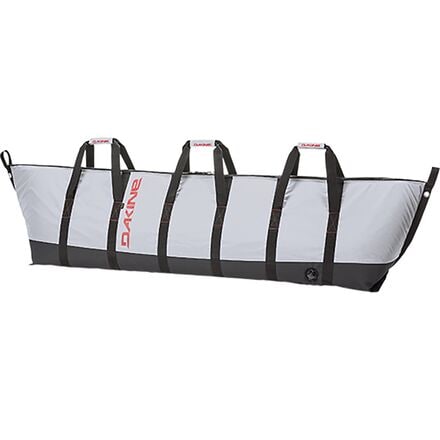
DAKINE
Freestanding Fish Bag
1 color
Flash Sale! Ends 11/2
(1)

DAKINE
Split Adventure 38L Backpack
3 colors
Discount Applies In Cart | Ends 11/1

DAKINE
Status 42L+ Roller Bag
2 colors
Flash Sale! Ends 11/2

DAKINE
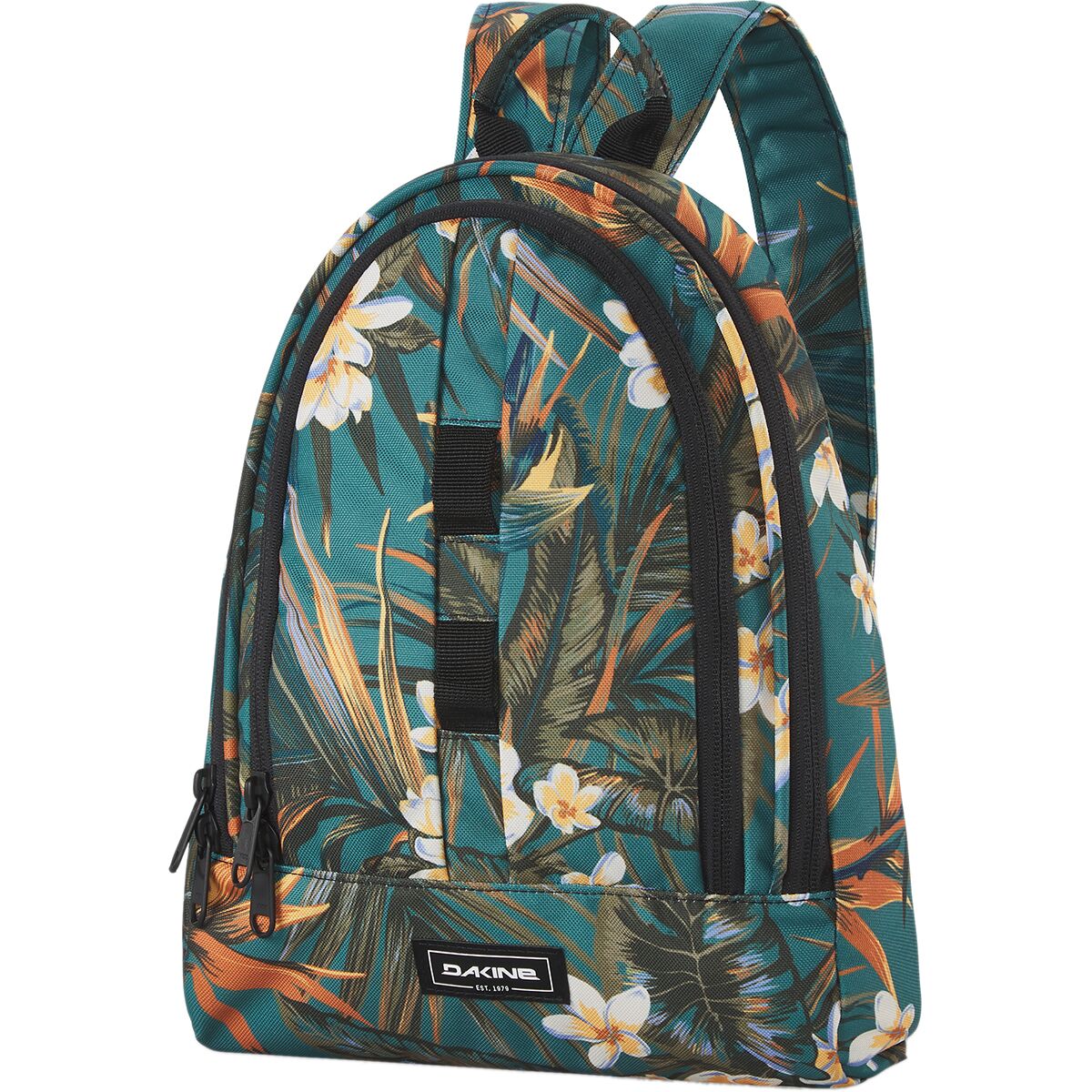
Cosmo 6.5L Backpack - Women's
5 colors
Flash Sale! Ends 11/2
(3)

DAKINE
Padded Ski Sleeve
5 colors
Discount Applies In Cart | Ends 11/1

+2
DAKINE
69L Boot Locker
6 colors
Discount Applies In Cart | Ends 11/1
(2)

DAKINE
Daylight Noserider Surfboard Bag
1 color
Flash Sale! Ends 11/2
(5)

+10
DAKINE
Campus 33L Backpack
14 colors
Discount Applies In Cart | Ends 11/1
(3)

DAKINE
Sequoia 2.0 GORE-TEX Mitten - Women's
3 colors
Discount Applies In Cart | Ends 11/1

DAKINE
Aero Rack Pad 28in - 2-Pack
2 colors
Discount Applies In Cart | Ends 11/1
(5)

DAKINE
Titan 2.0 GORE-TEX Glove - Men's
3 colors
Discount Applies In Cart | Ends 11/1

+2
DAKINE
Tour Unstructured Cap
6 colors
Flash Sale! Ends 11/2

DAKINE
Daylight Hybrid Surfboard Bag
1 color
Flash Sale! Ends 11/2
(6)

DAKINE
Poacher RAS Vest
1 color
Discount Applies In Cart | Ends 11/1
(1)

+15
DAKINE
Jive Shoulder Bag - Women's
19 colors
Flash Sale! Ends 11/2
(8)

+3
DAKINE
Tall Boy Beanie - Men's
7 colors
Discount Applies In Cart | Ends 11/1

DAKINE
Boot 50L Backpack
1 color
Discount Applies In Cart | Ends 11/1

DAKINE
Boundary Ski Roller Bag
3 colors
Discount Applies In Cart | Ends 11/1

DAKINE
High Roller Snowboard Bag
2 colors
Discount Applies In Cart | Ends 11/1

DAKINE
Heli Pro 24L Backpack
2 colors
Flash Sale! Ends 11/2
(2)

DAKINE
Split 87L 4 Wheel Roller Bag
3 colors
Discount Applies In Cart | Ends 11/1
(1)

DAKINE
x Mayhem Daylight Deluxe Thruster Surfboard Bag
1 color
Flash Sale! Ends 11/2

+6
DAKINE
Jo Jo Purse - Women's
10 colors
Flash Sale! Ends 11/2
(5)

DAKINE
Pickup Pad Halfside
1 color
Flash Sale! Ends 11/2
(2)
Related Categories



Frequently Asked Questions
What makes Dakine different from other action‑sports brands?
Dakine started in Hawaii in 1979 and draws design cues from surf, snow, and mountain sports, now headquartered in Torrance, California. That heritage shows up in functional, activity‑focused details—things like reinforced carry systems, helmet and goggle storage, and gear organization—designed by people who actually use the gear in surf, snow, and bike environments.How are Dakine packs and bags built to handle abrasion and heavy loads?
Many Dakine packs use heavy‑duty fabrics like 1260D ballistic nylon and 630D nylon with reinforced overlays and internal load‑distribution frames to resist edge wear and keep weight stable. Compression straps, reinforced attachment points for skis/boards, and dedicated pockets reduce stress on seams and make the bags more serviceable in the field.What features do Dakine snow packs and gloves include for backcountry days?
Dakine snow packs such as the Blade include deployable helmet carry, fleece‑lined goggle pockets, A‑frame ski or snowboard straps, camera access sleeves, and hydration compatibility (HydraPak‑ready), with capacities around 2,031 cubic inches on some models. Dakine gloves like the Titan pair use removable touchscreen‑compatible liners, weather‑resistant shells, and hand‑warmer pockets to give modular warmth and function for variable conditions.How does Dakine balance warmth, dexterity, and carrying comfort across its product range?
Dakine designs use modular systems—removable liners in gloves, adjustable straps and internal frames in packs—so users can trade warmth for dexterity or pack volume for mobility depending on conditions. Materials and construction prioritize durability and weather resistance while allowing fit adjustments and feature access that keep comfort high without excessive bulk.