


Up To 20% Off Full-Price Items
Shop now
EXTRA 20% Off Clearance
Shop now | Ends 11/9
Get An EXTRA $50 Cash Back*
Summit+ exclusive
DAKINE Fly Fishing
7 results

DAKINE
Freestanding Fish Bag
1 color
Current price: $260.00 Original price: $400.01
35% off
10% Cashback Eligible
(1)

DAKINE
2ft Freestanding Fish Bag
1 color
Current price: $211.25 Original price: $325.01
35% off
Winter Sale

DAKINE
50L Cooler
1 color
Current price: $96.00 Original price: $192.01
50% off
Winter Sale

DAKINE
Flat Fish Bag
1 color
Current price: $192.50 - $260.00 Original price: $400.01
Up to 45% off
Extra 10% Off Clearance | Ends 11/09

DAKINE
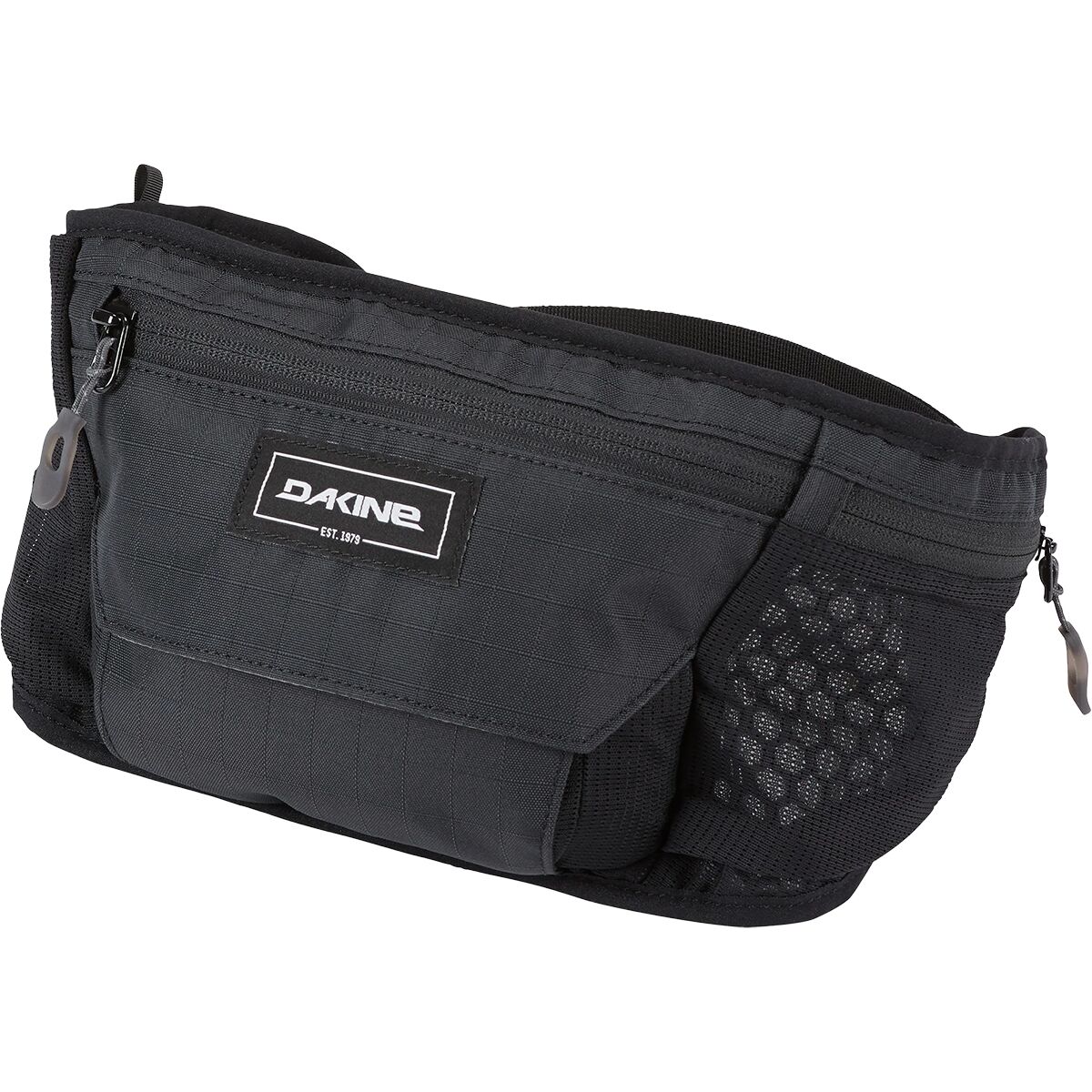
Mission Fish 12L Waist Pack
1 color
Current price: $97.50 Original price: $150.01
35% off
Winter Sale

DAKINE
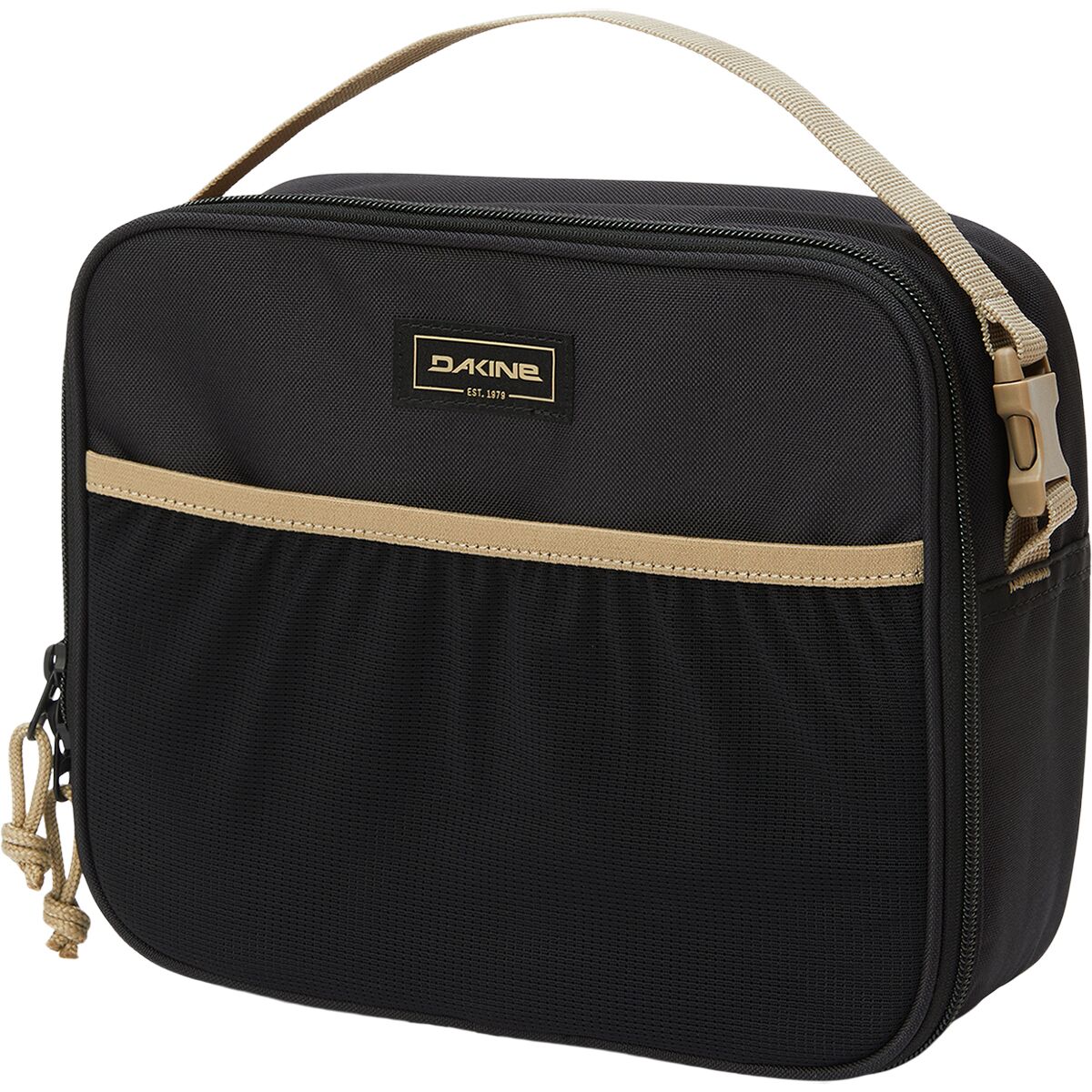
Snacktime 5L Lunch Box
1 color
Current price: $22.20 Original price: $37.01
40% off
Extra 10% Off Clearance | Ends 11/09

DAKINE
Fish Open Finger Glove
1 color
Current price: $18.70 Original price: $34.01
45% off
Extra 20% Off Clearance | Ends 11/9
(1)
Related Categories



Frequently Asked Questions
How waterproof are Dakine fly fishing packs and how do they handle saltwater exposure?
Dakine fish packs use heavy-duty waterproof Cordura® outer fabrics and a coated inner liner to keep gear dry, and several models include drain-plug detailing to shed water after wet use (the Ulua 60L explicitly features post-fishing drainage). The materials and construction are chosen for repeated saltwater exposure, but rinsing and drying after each outing will extend pack life.What pack size is right for shore, ocean, or extended fly-fishing outings?
For short shore trips or minimalist setups, the Mission Fish Waist Pack 12L keeps essentials hands‑free and accessible; for a full day of gear a mid‑sized Mission Fish Pack (commonly used in ~40L setups) holds extra flies, tackle, and a light jacket. Choose the Ulua 60L when you need extended‑outing capacity, room for rod tubes and extra wet storage for island or multi‑day ocean excursions.How do Dakine fish bags differ and what length should I choose for transporting a catch?
Dakine offers freestanding and flat fish bags in lengths from about 2–6 feet; freestanding designs are easier to place on a table or boat deck while flat bags pack down for storeroom space. Pick a length based on the species and maximum expected catch length—shorter bags for smaller freshwater species, longer (4–6 ft) models for larger saltwater fish.How does the Mission Fish Waist Pack 12L compare to the Ulua 60L Fish Pack?
The Mission Fish Waist Pack 12L is a compact, hands‑free solution for shortshore or light‑gear days, focusing on quick access and mobility, whereas the Ulua 60L is a full‑capacity ocean pack built for extended trips with dedicated wet storage and a drain plug for post‑use drainage. The Ulua offers more attachment points and volume for rod tubes and larger tackle loads, while the Mission waist pack prioritizes low‑bulk convenience.When should I choose open‑finger gloves vs full‑finger gloves and what do Dakine options protect against?
Open‑finger gloves are ideal for casting, fly‑tying, and precise knot work because they preserve dexterity while offering sun and abrasion protection to the palm and back of hand. Full‑finger gloves are better for colder, windier, or rougher shoreline conditions where added warmth and abrasion resistance matter; Dakine gloves generally use quick‑dry, durable materials optimized for wet environments.