


Up To 20% Off Full-Price Items
Shop now
EXTRA 20% Off Clearance
Shop now | Ends 11/9
Get An EXTRA $50 Cash Back*
Summit+ exclusive
DAKINE Camp Kitchen
3 results

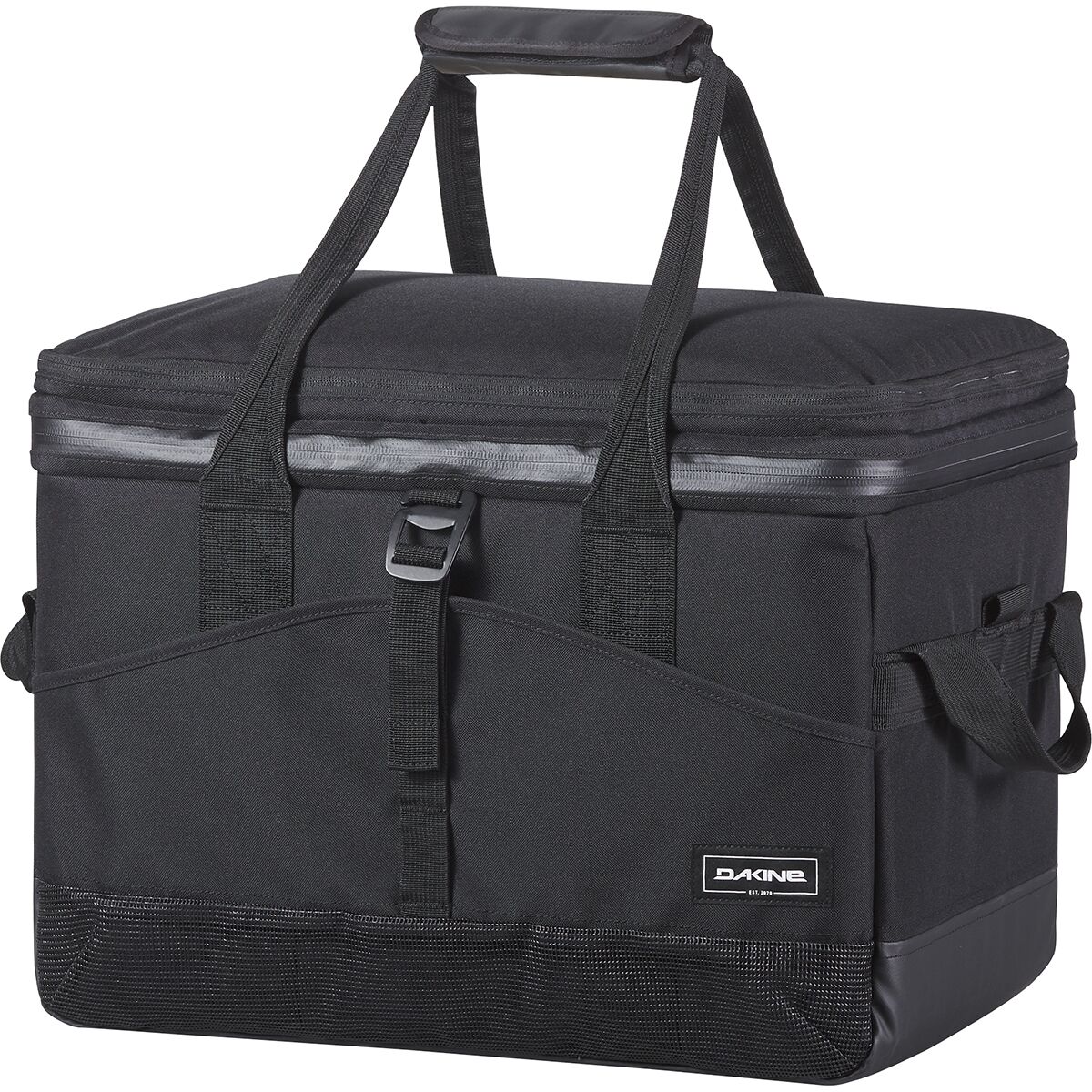
DAKINE
50L Cooler
1 color
Current price: $96.00 Original price: $192.01
50% off
Winter Sale

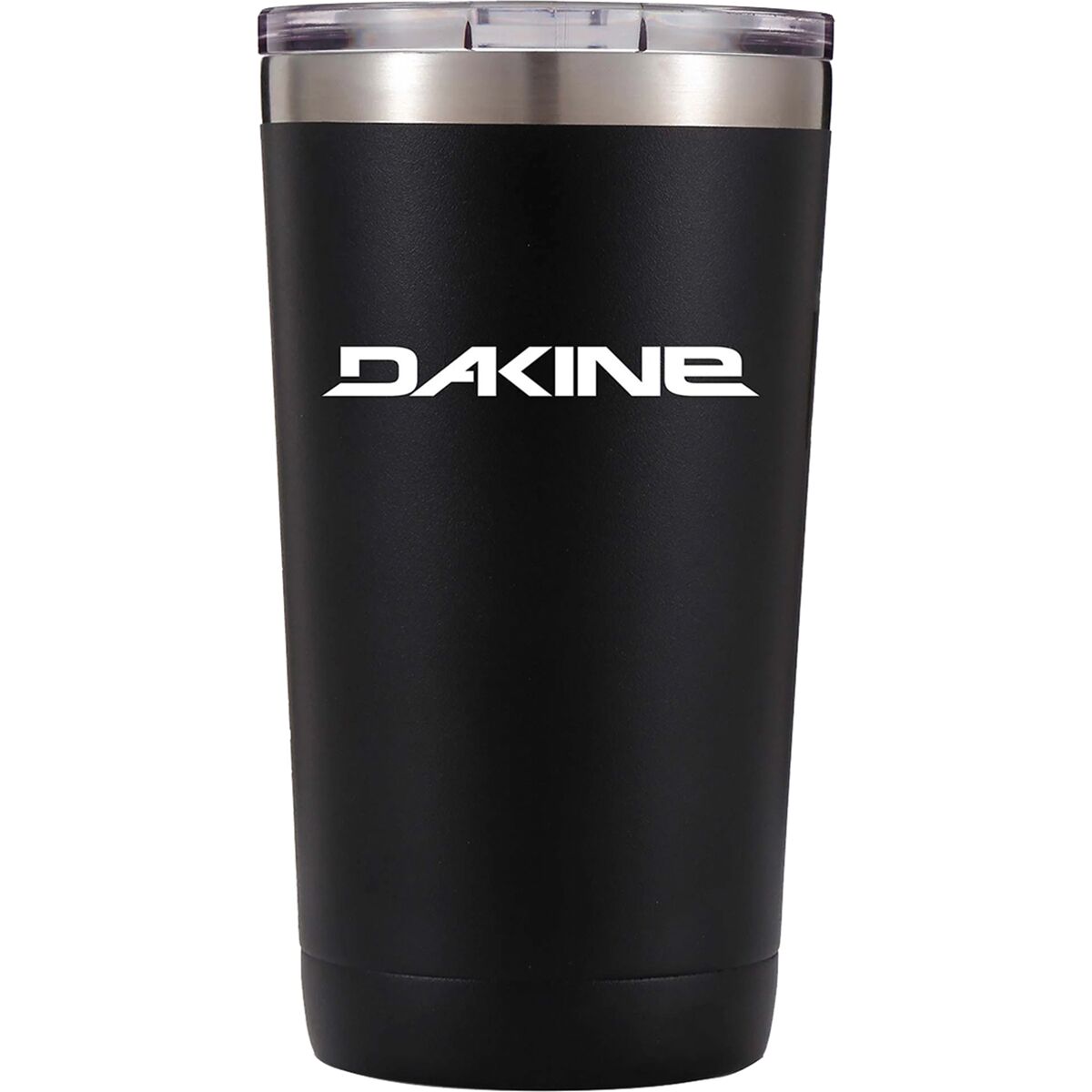
DAKINE
Tumbler 16oz
1 color
Current price: $11.25 Original price: $25.01
55% off
Winter Sale

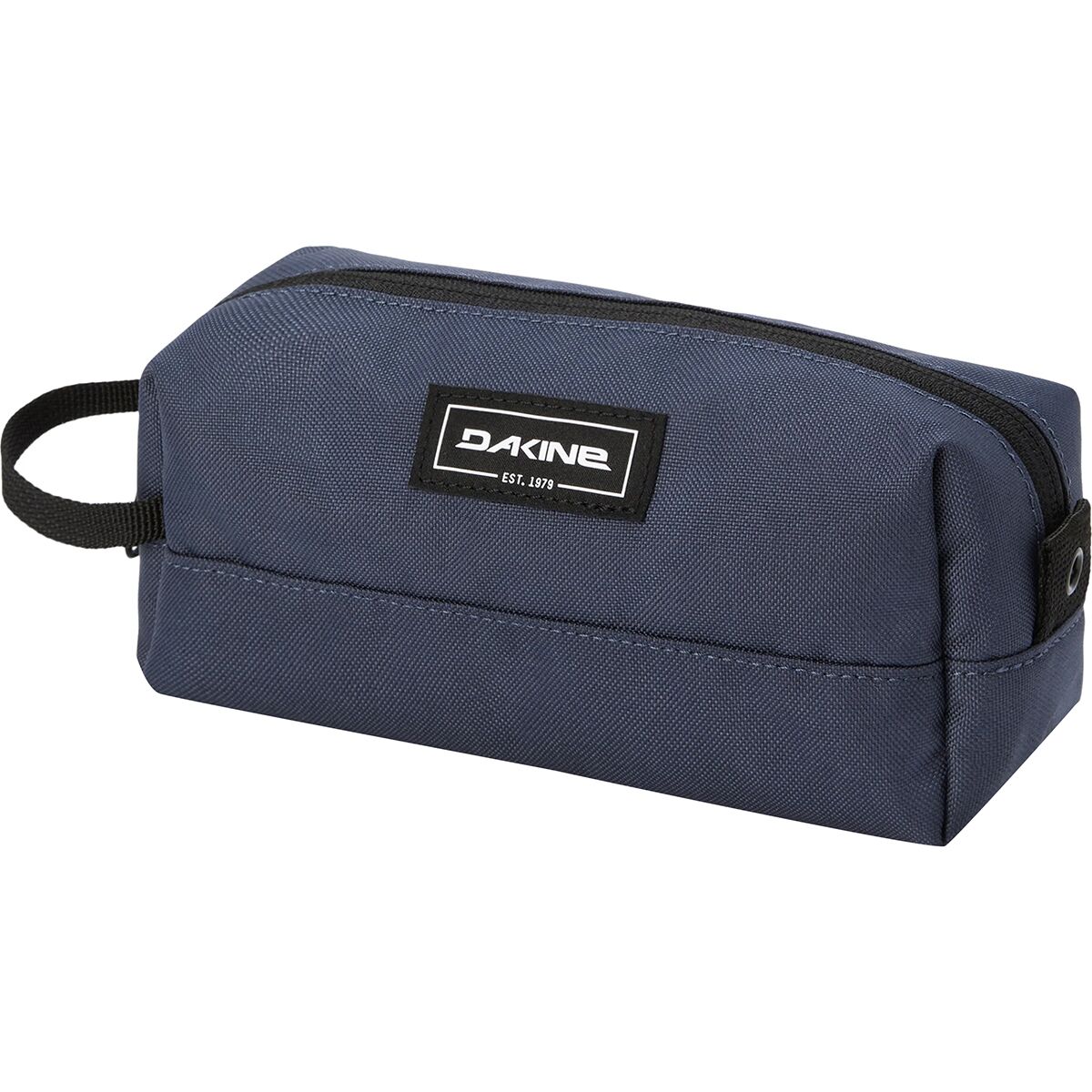
DAKINE
Snacktime 5L Lunch Box
1 color
Current price: $22.20 Original price: $37.01
40% off
Extra 10% Off Clearance | Ends 11/09
Related Categories



Frequently Asked Questions
What features should I prioritize when choosing Dakine camp kitchen cookware for multi-day trips?
Choose lightweight, weather‑tight materials and stackable construction so pots and dishes pack efficiently; look for front‑access designs for easy reach at camp. Check tech specs like capacity (pots for 1–3 person meals), quick‑disconnect components, and magnetic clips to speed setup and cleaning.How do Dakine pots and dishes hold up in wet or cold conditions?
Dakine camp kitchen pieces use weather‑tight fabrics and corrosion‑resistant materials that shed moisture and resist freezing on metal parts. Quick‑disconnect fittings and front‑access layouts minimize exposure when accessing cookware, while robust seals and clips help keep contents dry and functional in damp weather.How should I size Dakine cookware and hydration for solo trips versus small groups?
For solo or ultralight outings, choose compact pots and dishes sized for single‑serving meals and a smaller reservoir (1–1.5 L) to save weight; for two to three people, opt for 1.5–3 L cookware and shared pots designed for multiple servings. Match hydration capacity to trip length and exertion—a 3L reservoir is a common choice for full‑day hikes or longer camp chores.How does the Dakine Seeker 3L Hydration Pack compare to smaller Dakine hydration options for day hikes?
The Seeker’s 3L lumbar reservoir provides higher carrying capacity and easier access on long outings, and it commonly pairs with a high‑flow Blaster bite valve with shut‑off for fast hydration. Smaller Dakine packs (1–2 L) reduce weight and bulk for short, fast hikes but offer less on‑trail water reserve and fewer integrated storage features.Which construction details (valves, clips, access points) most affect usability of Dakine camp kitchen systems?
Prioritize quick‑disconnect valves for fast filling and cleaning, magnetic hose clips to secure lines while cooking, and front‑access pockets so you can reach utensils without unpacking everything. Also check valve types (shut‑off vs. passive), seam sealing, and lightweight yet durable materials to ensure reliable performance and easy maintenance at camp.