


Up To 20% Off Full-Price Items
Shop now
EXTRA 20% Off Clearance
Shop now | Ends 11/9
Get An EXTRA $50 Cash Back*
Summit+ exclusive
100% Fishing
1 result

100%
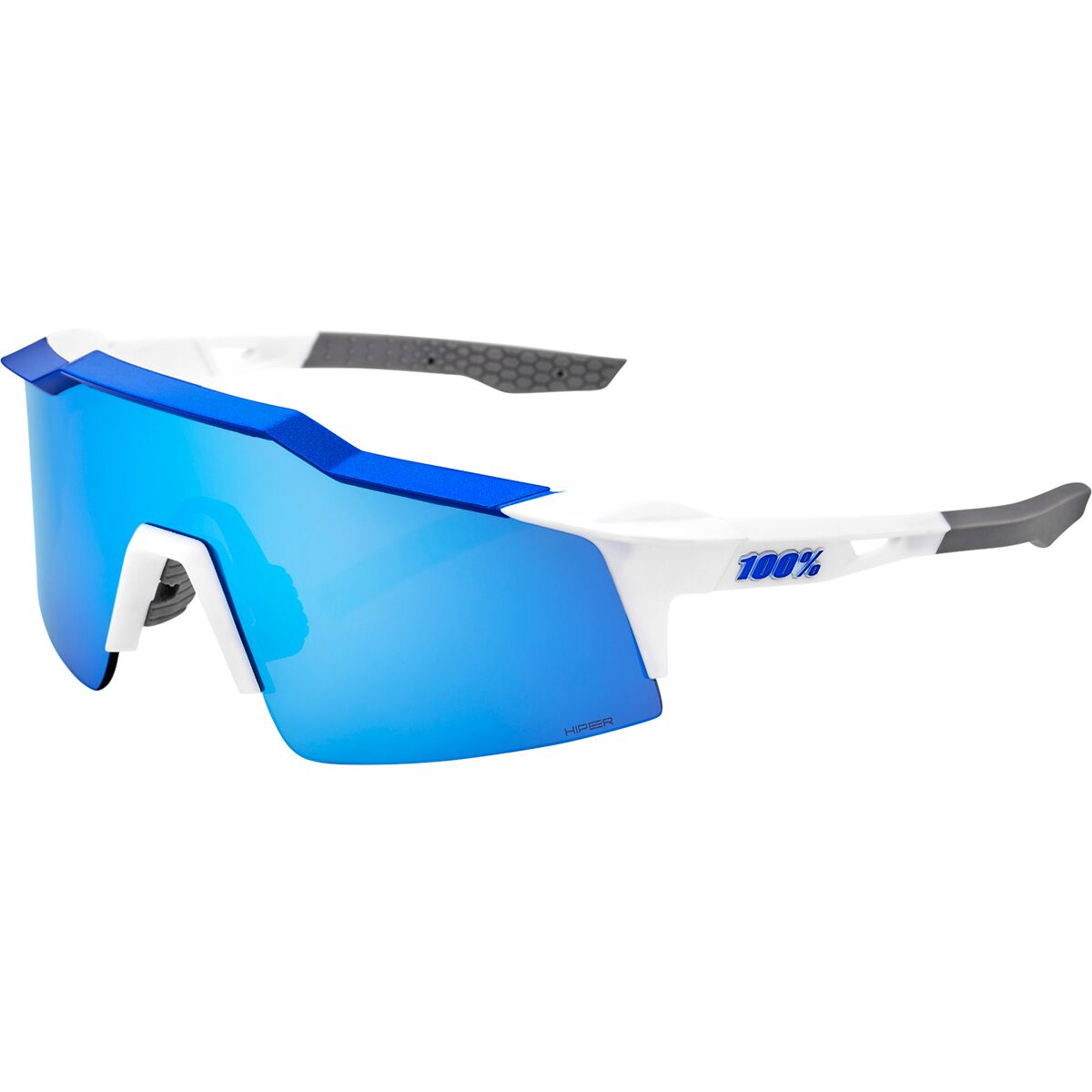
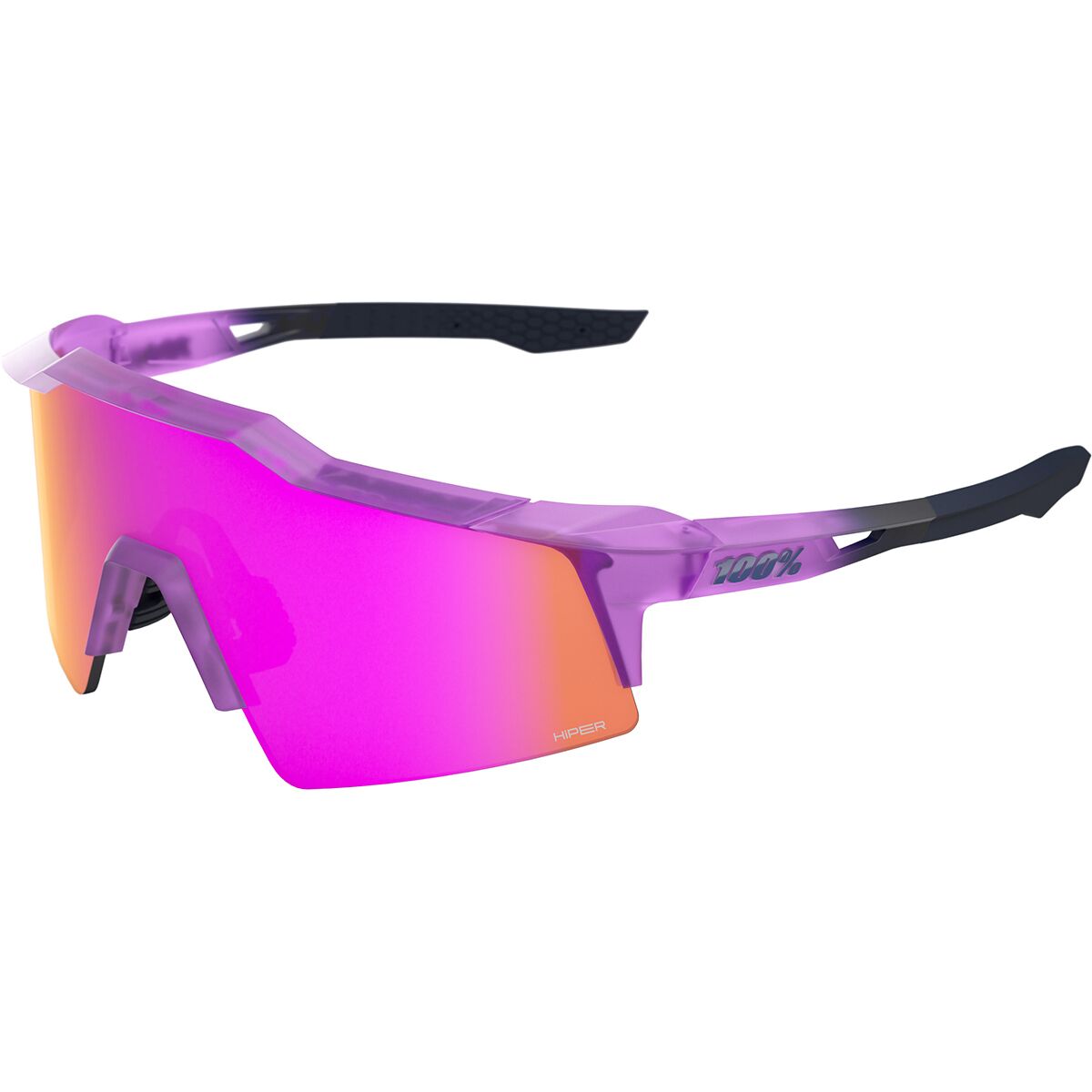
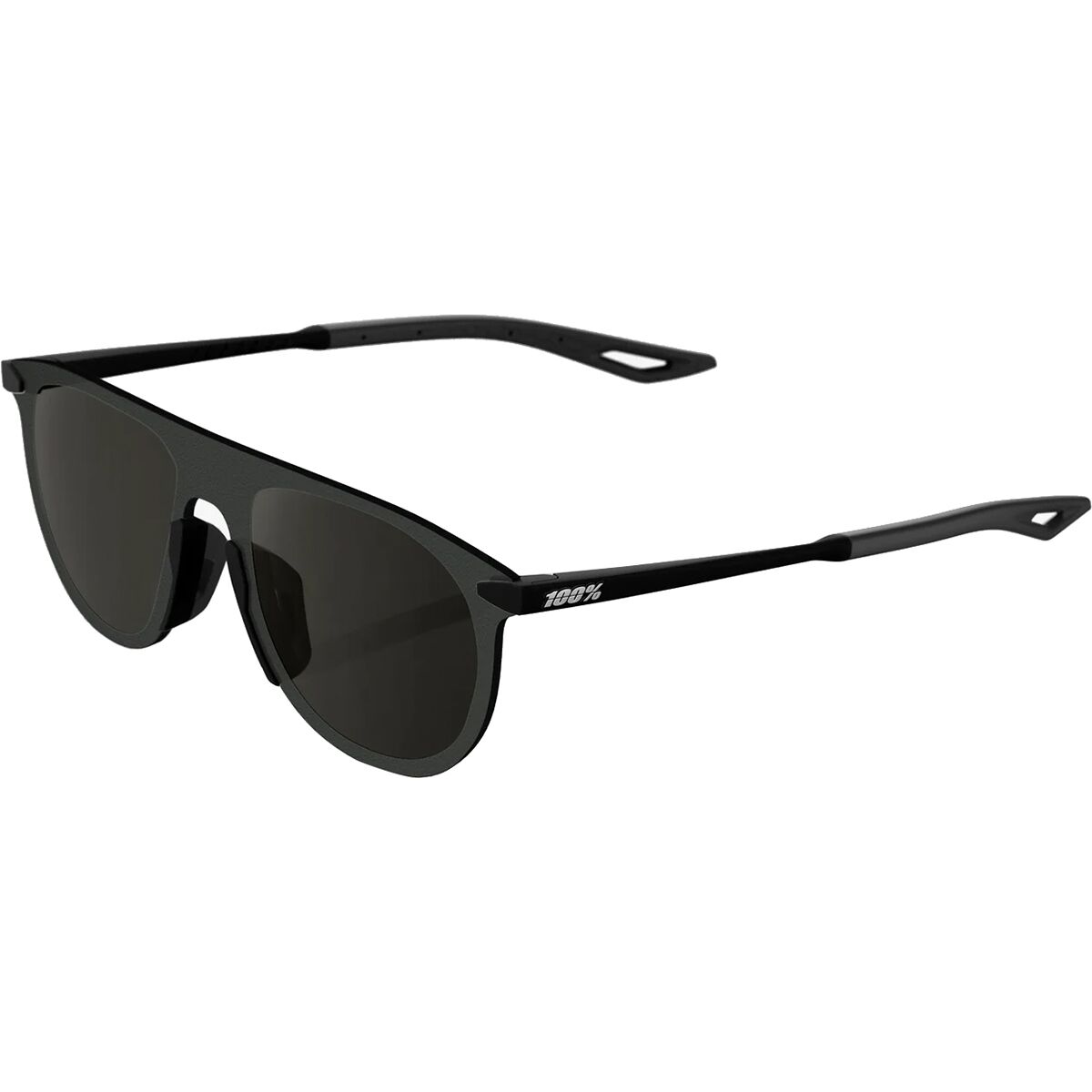
HyperCraft Sunglasses
5 colors
$149.95 - $169.00
(1)
Related Categories




Frequently Asked Questions
How do I choose the right rod and reel combo for freshwater bass fishing?
Pick a rod length between about 6'6" and 7'6" depending on the cover and casting distance you need; medium to medium‑heavy power with a fast action tip gives a good balance of sensitivity and backbone for hooksets. Use a spinning reel for lighter lures and higher line visibility or a baitcasting reel when fishing heavier lures and thick cover; a 6.2:1–7.1:1 gear ratio covers most bass retrieves. Match line test (typically 10–20 lb for bass) and consider braided mainline with a fluorocarbon leader for heavy cover and low visibility.What’s the difference between spinning reels and baitcasting reels, and when should I use each?
Spinning reels are easier to cast and better for light lures, lighter lines, and beginners because they resist backlash and handle long casts of small baits. Baitcasters offer greater casting accuracy, higher cranking power, and larger line capacity, making them ideal for heavy lures, flipping, and fishing thick cover once you’ve mastered thumb control. Choose spinning setups for finesse techniques and baitcasting for power‑oriented fishing and larger lures.How do I decide between braided, fluorocarbon, and monofilament lines?
Braided line provides the highest sensitivity and smallest diameter for a given strength—great for heavy cover and long casts—but is highly visible and benefits from a fluorocarbon leader. Fluorocarbon is low‑visibility and sinks well, making it a good leader material and choice in clear water for finicky fish. Monofilament stretches more for shock absorption and stays buoyant, which helps topwater and some casting applications.How should I size and choose waders and fishing apparel for comfort and mobility?
For waders, prioritize breathable laminated fabrics (e.g., 3‑layer or 4‑layer) for all‑day comfort and choose neoprene only for very cold conditions; ensure a snug but non‑restrictive fit through chest and hips and check boot size with gravel guards and thicker socks in mind. Look for articulated knees, reinforced insteps, and adjustable suspenders for mobility; for apparel, layer with moisture‑wicking baselayers and a waterproof/breathable outer shell.How do rod action and power affect different techniques like jigging, topwater, and trout fishing?
Action (where the rod bends) determines sensitivity and energy transfer: fast action rods bend near the tip for quick hooksets and better sensitivity (useful for jigging and single‑hook lures), while slow action rods bend deeper for longer casts and softer presentations (often preferred for small‑stream trout). Power (ultra‑light to heavy) should match target species and lure weight—ultra‑light for panfish/trout with small lures, medium or medium‑fast for general bass work, and medium‑heavy to heavy for big jigs, swimbaits, or saltwater predators. Adjust action and power to your technique and the fish you’re targeting for best performance.