


Up To 20% Off Full-Price Items
Shop now
EXTRA 20% Off Clearance
Shop now | Ends 11/9
Get An EXTRA $50 Cash Back*
Summit+ exclusive
100% Fly Fishing
1 result

100%
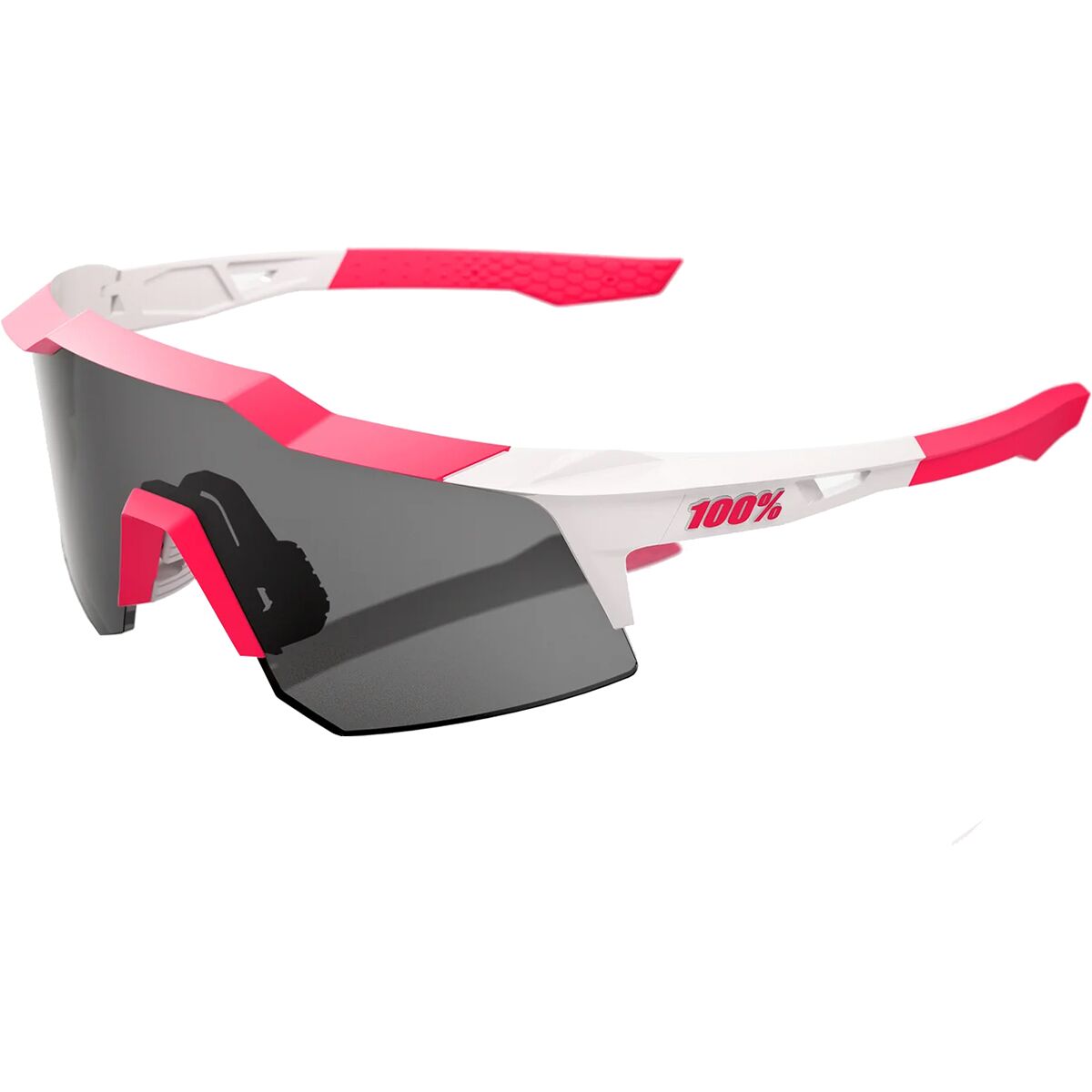
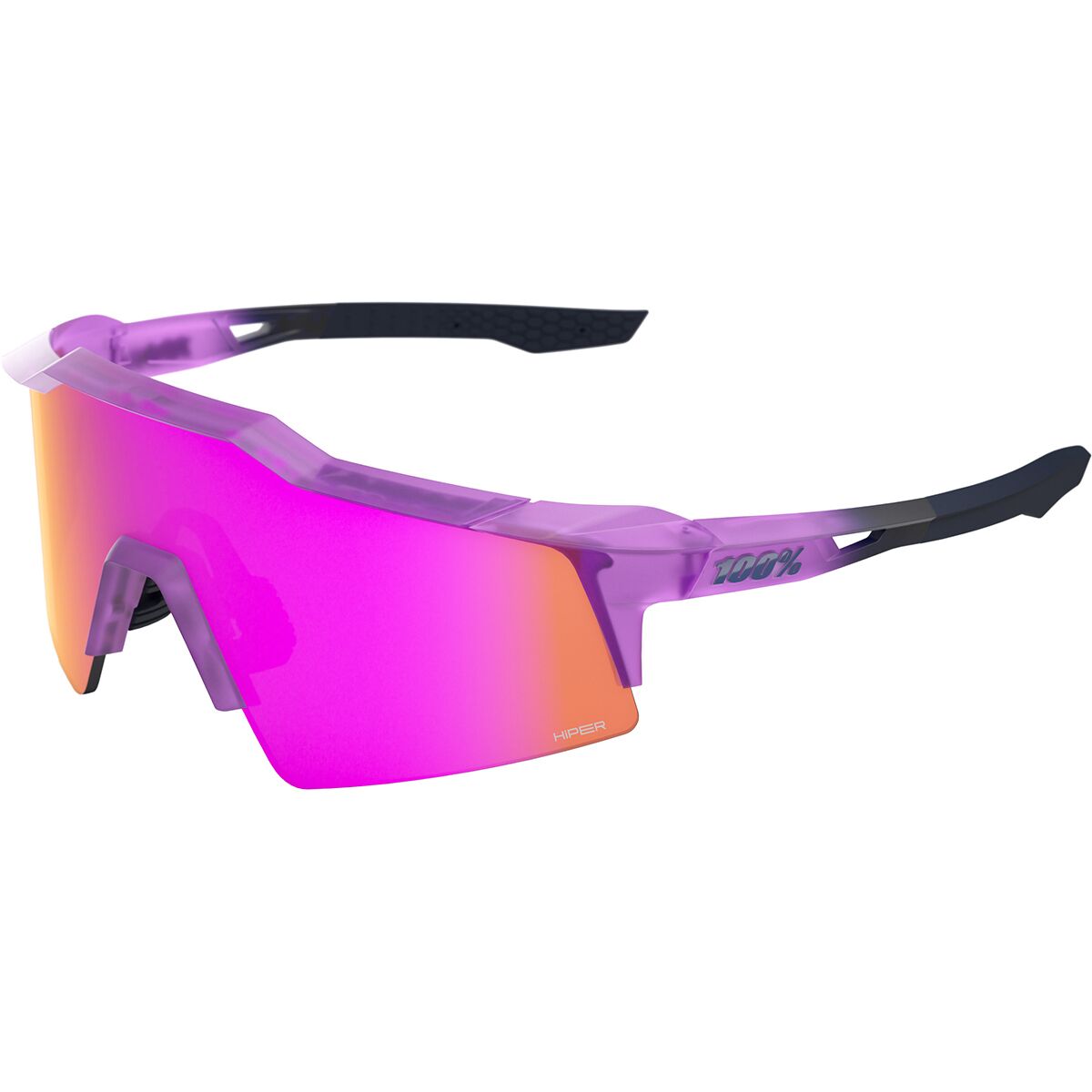
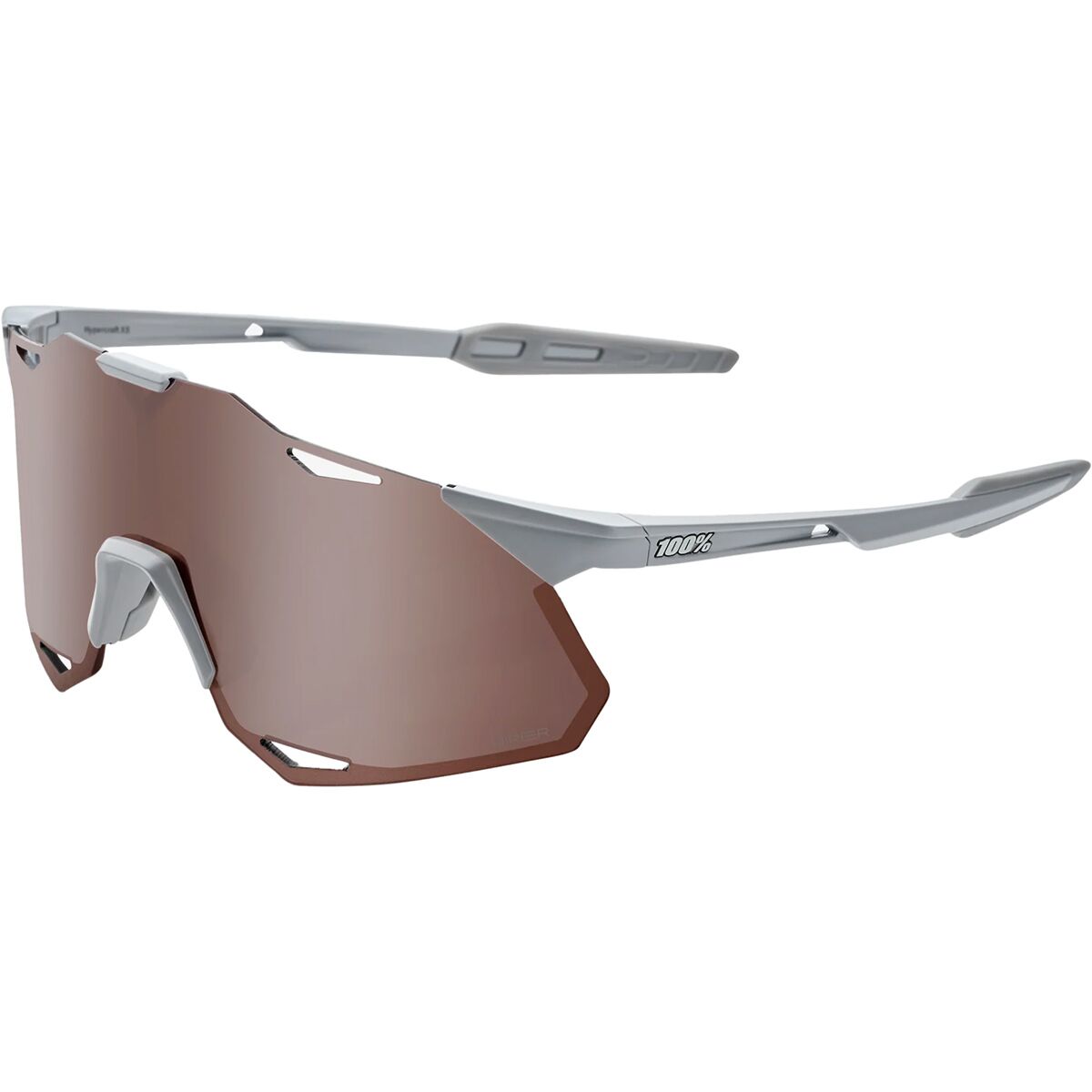
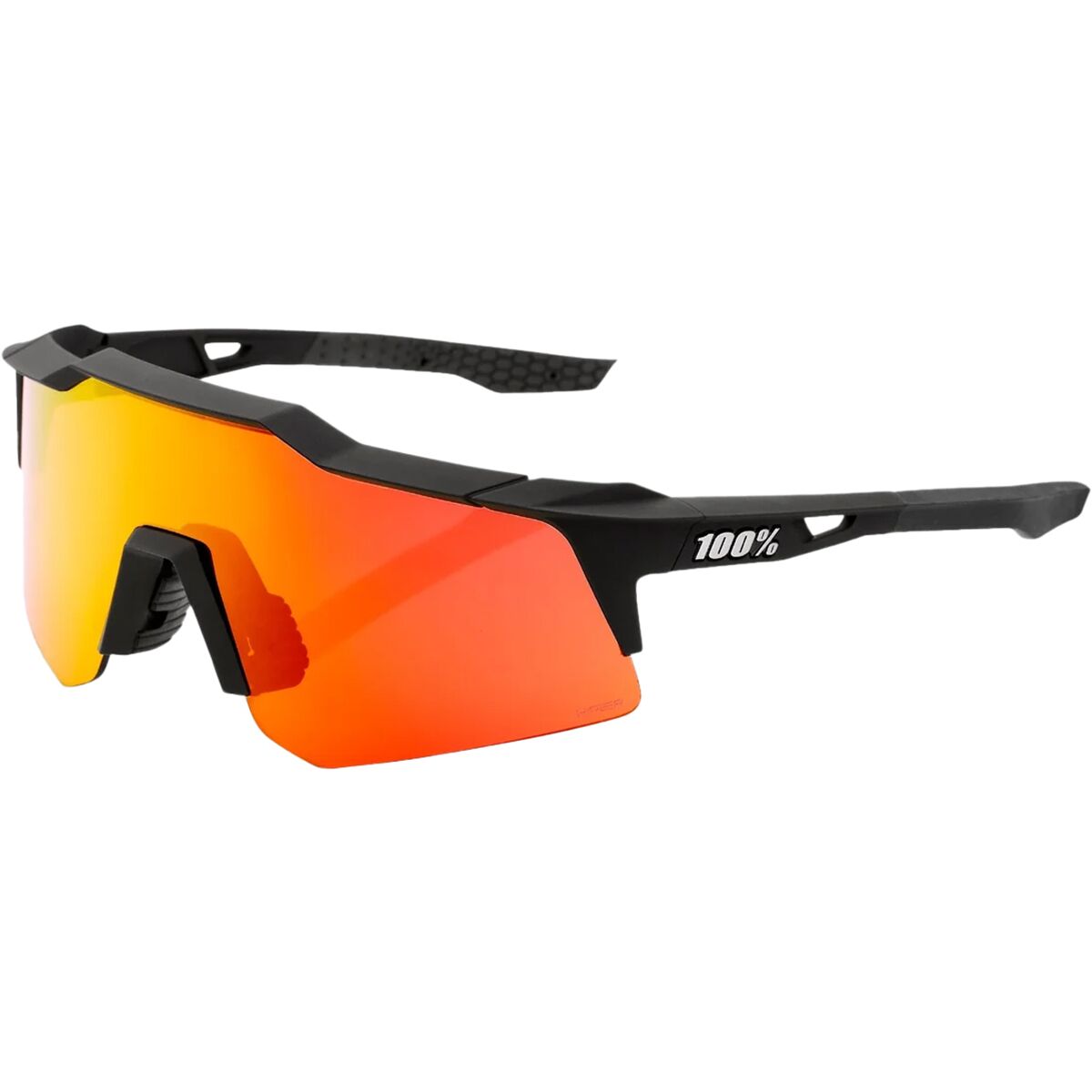
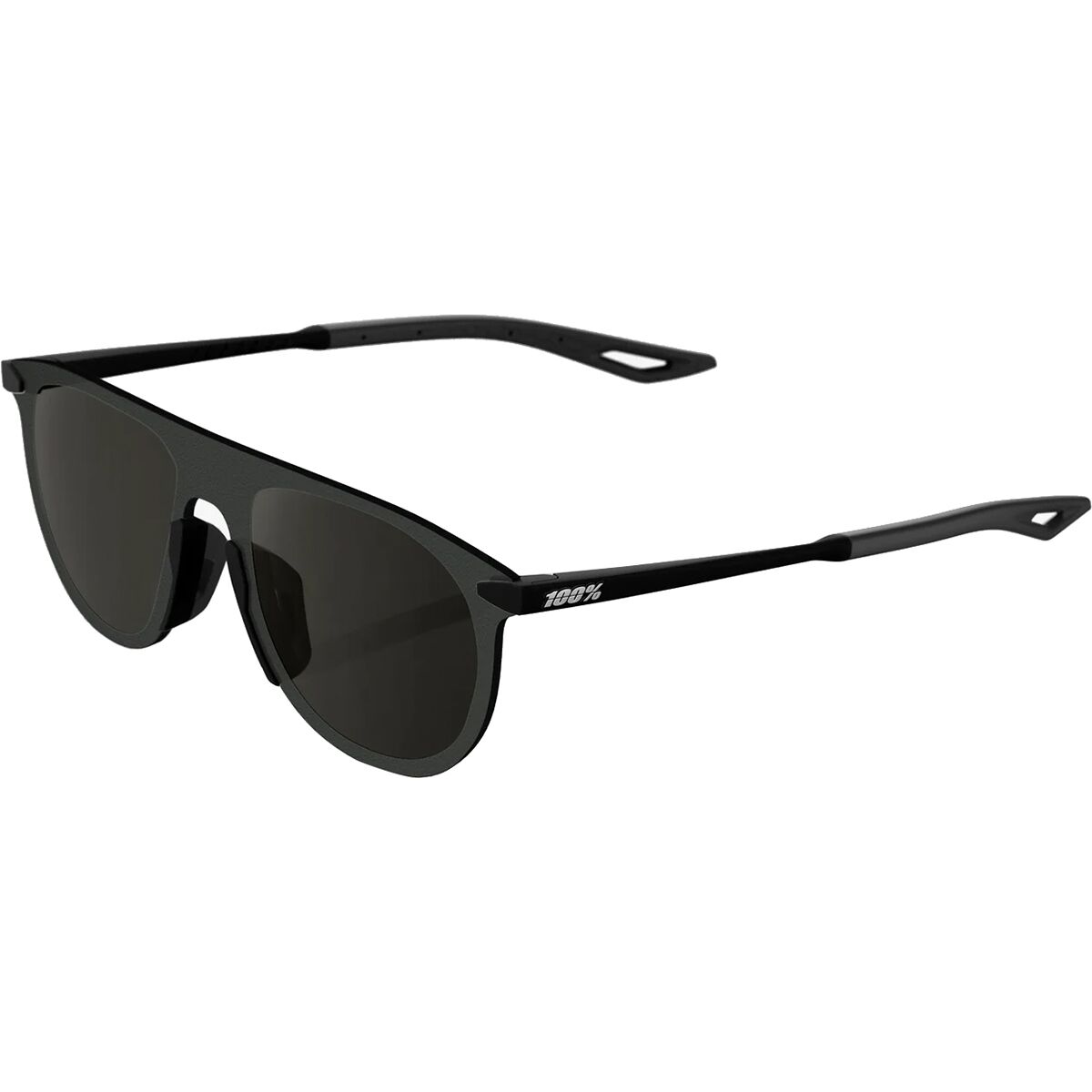
HyperCraft Sunglasses
5 colors
$149.95 - $169.00
(1)
Related Categories



Frequently Asked Questions
What fly rod weight should I choose for trout, bass, or saltwater species?
Match rod weight to target fish and fly size: 0–3 weights suit panfish and small trout, 4–6 weights cover most trout and bass situations, and 7–10 weights are better for steelhead, salmon, pike, and most saltwater work. Also match the rod to the line weight stamped on the rod and the types of flies you’ll cast—a 5-weight is a versatile trout rod, while an 8-weight or 9-weight gives you the power to handle larger flies and wind.When should I pick a fast-action rod versus a medium- or slow-action rod?
Fast-action rods recover quickly and deliver power for long casts, heavy wind, and big flies, making them a good choice for open-water trout, saltwater, or streamer fishing. Medium-action rods offer more forgiveness and easier loop control for roll casts and delicate presentations, while slow-action rods are best for lightweight flies and very precise, short-range presentations. Consider your typical water (small creek vs open lake), the flies you use, and your casting comfort when choosing action.How does a 9' 5-weight rod compare to an 8'6" 5-weight for river trout fishing?
A 9' 5-weight gives slightly more reach and line control for mending and longer casts on wider rivers, whereas an 8'6" 5-weight is more maneuverable in tight, brush-lined streams and often easier for shorter, roll-cast situations. Both sizes can handle typical trout flies, so pick based on the water you fish most and whether you prioritize distance and mending or tight-quarters accuracy.Which fly line type should I use for dry-fly, nymphing, and streamer fishing?
Floating lines are the go-to for dry-fly work and many nymph rigs when you want the indicator or fly near the surface, while weight-forward floating lines help with distance and turnover. For streamers or deeper presentations, use a sink-tip or full-sinking line (matched to the desired sink rate) to get flies into the strike zone, and choose a tapered versus level sink based on turnover needs.