


Up To 20% Off Full-Price Items
Shop now
EXTRA 20% Off Clearance
Shop now | Ends 11/9
Get An EXTRA $50 Cash Back*
Summit+ exclusive
100% Fly Fishing Essentials
1 result

100%
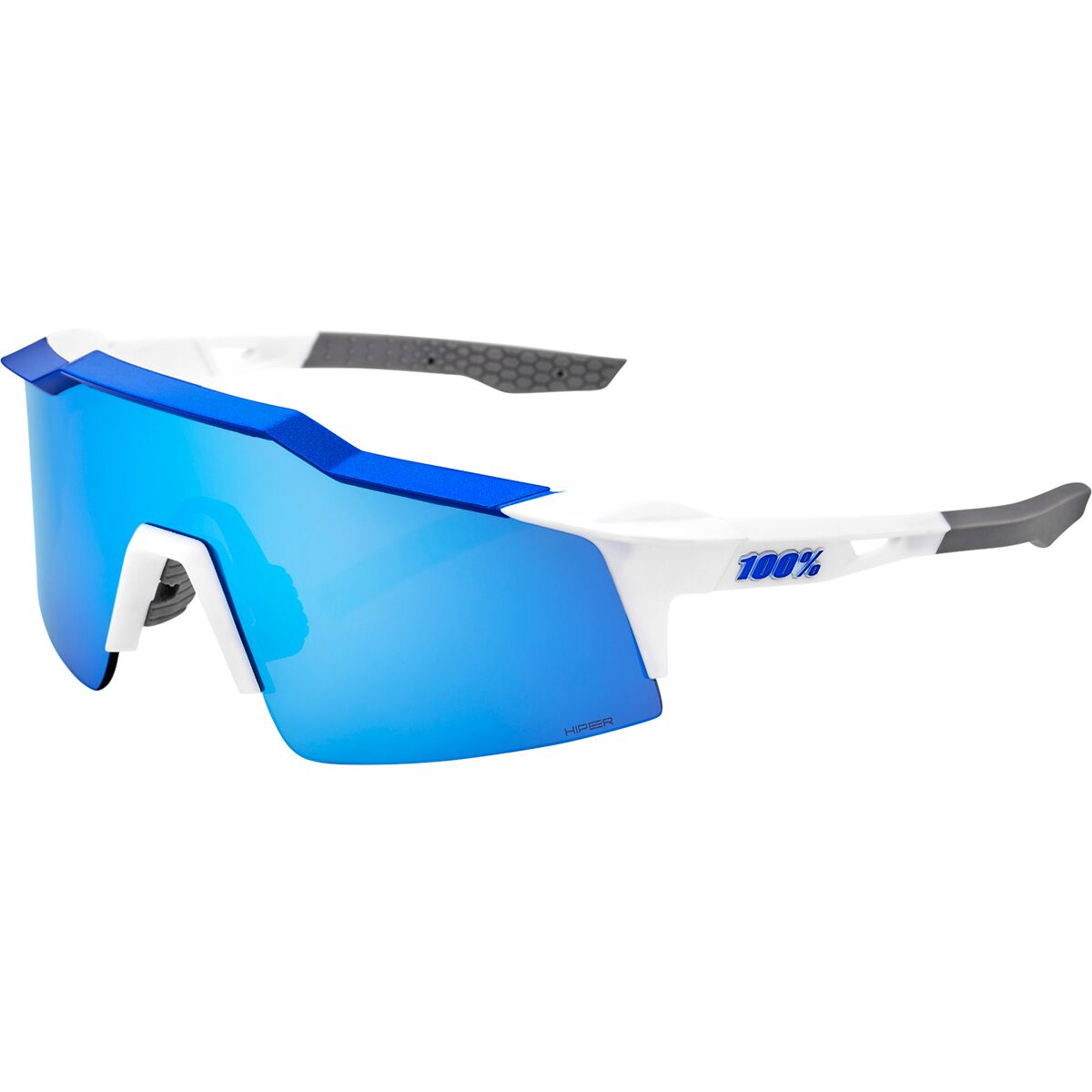
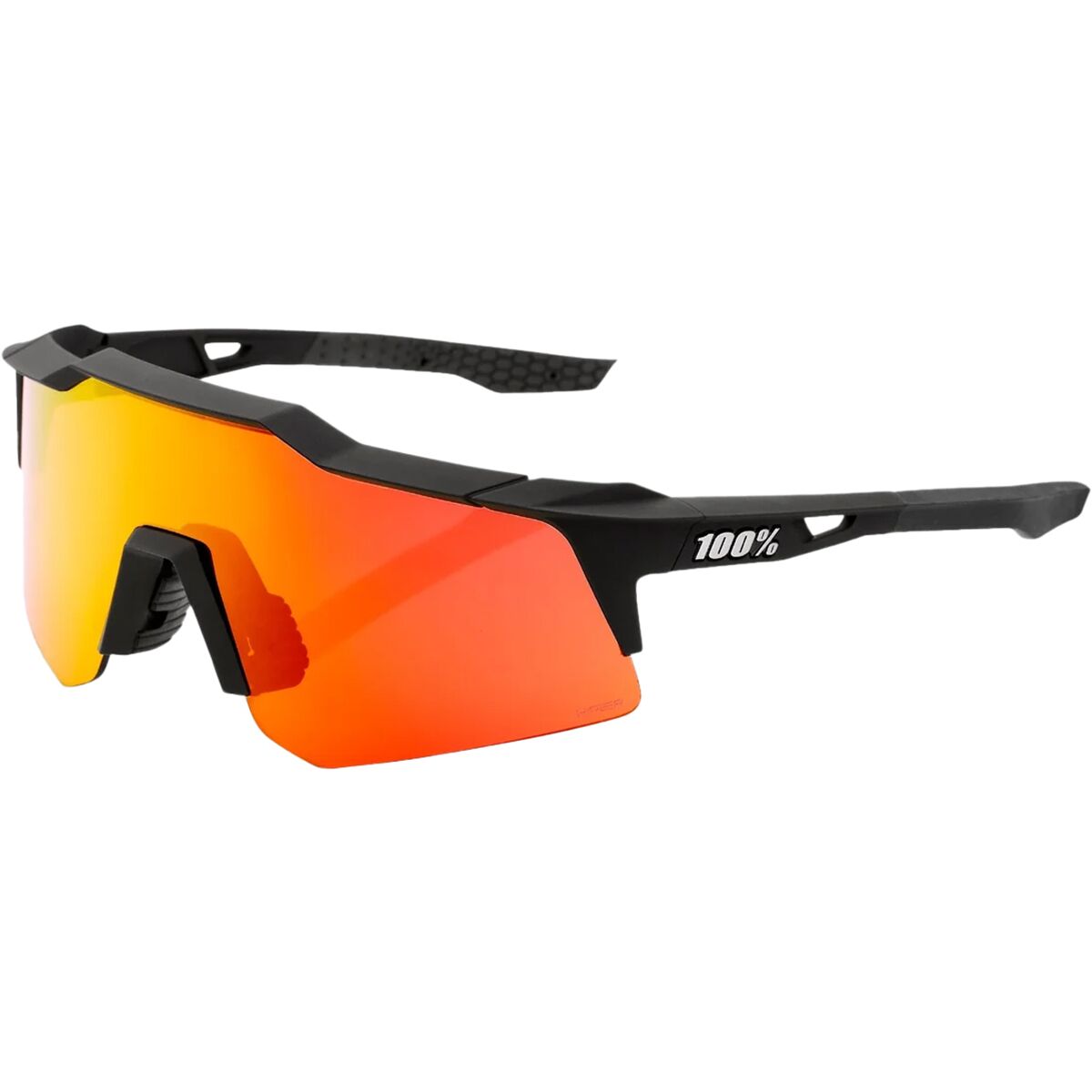
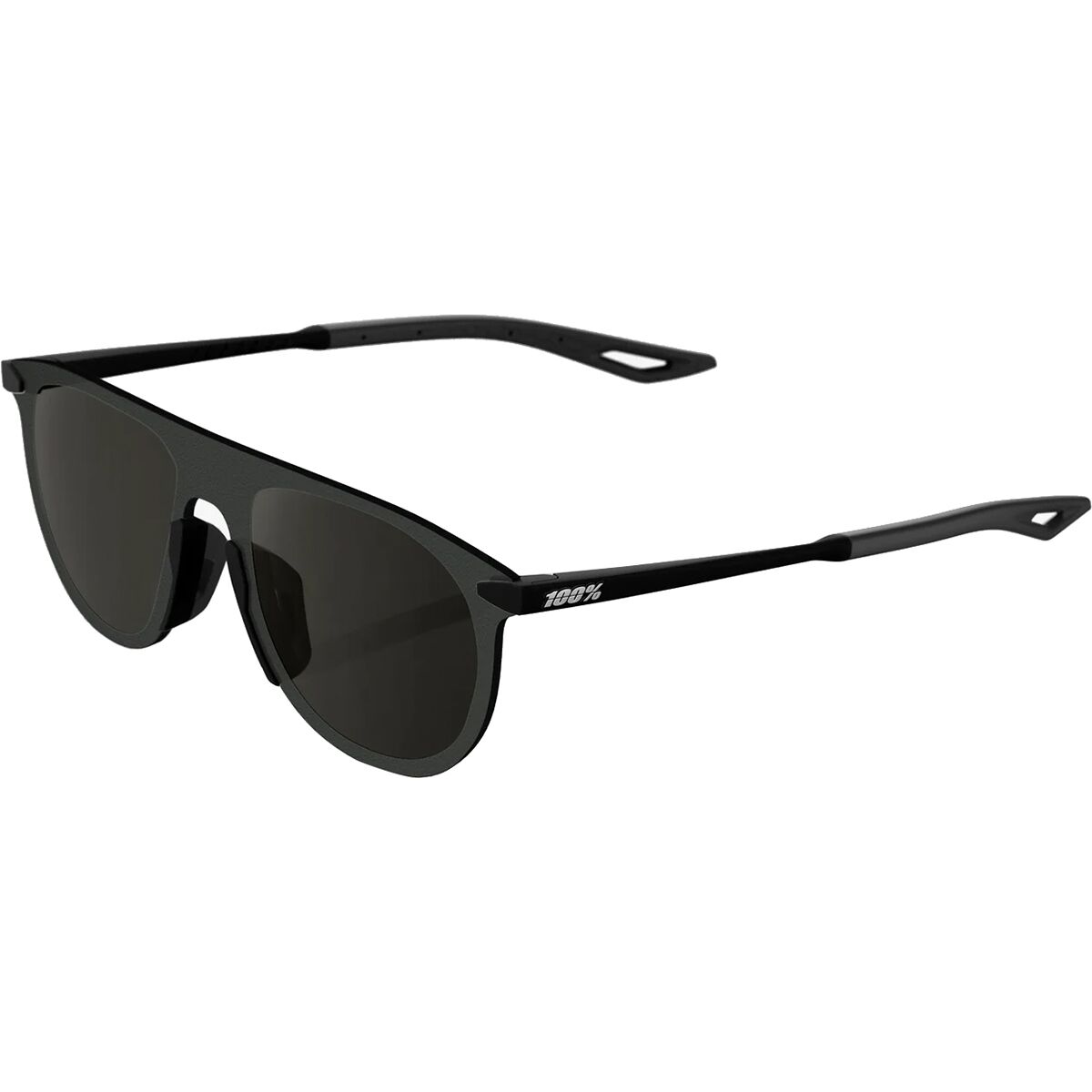
HyperCraft Sunglasses
5 colors
$149.95 - $169.00
(1)
Related Categories




Frequently Asked Questions
How do I choose the right fly rod length and weight for trout, bass, and different water types?
Choose rod length and weight based on water size and target species: a 9-ft 5-weight is a versatile all-around choice for rivers and lakes, while a 4-weight or shorter rod favors delicate presentations in tight, small streams. For larger trout or bass and windier conditions, step up to a 5-weight or 6-weight for better punch and fly control. Look for moderate-action blanks (for example, the Sage Mod series) and a cork grip that matches your casting style and comfort.How should I match reel, line, leader, and tippet for a pre-spooled 9-ft 5-weight combo?
Pair a reel sized for a 5-weight with a smooth drag and enough arbor to hold backing; this balances retrieve speed and line capacity for trout and light bass work. Use a weight-forward floating fly line for most freshwater presentations, add a tapered leader appropriate to the fly size, and choose tippet based on species and fly (commonly 4X–6X for trout). Spooling backing behind the fly line and matching knot types (e.g., perfection loop or nail knot to the leader) keeps the system reliable on the water.How does a 4-weight rod compare to a 5-weight for trout fishing in streams and tailwaters?
A 4-weight emphasizes delicate, accurate dry-fly presentation and is ideal for small streams and selective trout, while a 5-weight offers more versatility when you need to cast larger flies, fight bigger fish, or punch through light wind. The 4-weight can make short, precise casts more easily, but the 5-weight reduces the need to swap rods when conditions or target species change. Choose based on typical water size, fly types, and how often you expect to encounter larger fish.What features matter most in waders, boots, and sunglasses for safe wading and good visibility?
Prioritize breathable, waterproof fabrics with reinforced stress points and reliable closures (examples include Orvis’ Clearwater-style constructions) to stay comfortable and dry; TIZIP or equivalent waterproof zippers and reinforced knees add durability on longer trips. Boots should have grippy, replaceable traction options or rubber lugs suited to local riverbed conditions, and fit well over or with your waders to prevent blisters. Polarized sunglasses with full-coverage frames improve visibility into the water and protect your eyes from glare and hooks.Which type of pack and net are best for catch-and-release and mobility on long hikes?
Choose a lightweight sling or submersible backpack if you need mobility and quick access to tools, or a chest pack for close-at-hand fly storage and nippers when wading frequently; look for organized pockets and waterproof or TIZIP-style closures. For ethical catch-and-release, carry a rubberized, fish-friendly net such as Fishpond’s Nomad series (compact models like the Nomad Native Net are easy to pack) with a long handle for gentle netting. Prioritize low-bulk, quick-draining materials and an attachment system that keeps the net secure but accessible.