


Athlete Q&A: Brayden Butler
Meet the pro para climber at the top of his game
Brayden Butler, Backcountry’s newest athlete, is no stranger to the winner’s circle. With just five years of competition experience under his belt, he’s traveled internationally, podiuming around the world and claiming the title of World Champion. The sport in question? World-class para climbing.
For the uninitiated, para climbing is competitive climbing for athletes with disabilities. The first internationally recognized para climbing competition took place in 2006, and the sport has steadily grown ever since. So much so that the LA28 organizing committee has recognized para climbing as an event for the 2028 Summer Paralympics.
Brayden competes under para climbing’s RP2 classification, which includes athletes with two limbs impaired by a neurological condition. In Brayden’s case, the left side of his body is partially paralyzed, requiring conscious, force-based movement to function.
“When you run, you naturally swing your arms. You don’t think about it, it just happens,” Brayden says. “For me, that automatic movement doesn’t exist on my left side. If I’m not consciously telling my arm to move, it seizes up and stays there until I actively will it to release. Every movement on the wall requires that same deliberate mental effort.”
“When you run, you naturally swing your arms. You don’t think about it, it just happens,” Brayden says. “For me, that automatic movement doesn’t exist on my left side. If I’m not consciously telling my arm to move, it seizes up and stays there until I actively will it to release. Every movement on the wall requires that same deliberate mental effort.”
“Both became the sports that filled the void motocross left, and that journey shapes pretty much everything about how I approach competition and life,” he says.
Most recently, Brayden podiumed at the World Climbing Para Series here in Salt Lake City. We caught up with him after his win to chat about climbing, competing, and what’s on the horizon for this world-class athlete.

Gearhead Alli: How did you get into climbing?
Brayden: I got into climbing kind of by accident. After my brain injury at eight years old, I transitioned to mountain biking because it was the closest thing I could find to motocross. I raced nationally for years and loved it. Then in November 2021, when I was 15, my local climbing gym opened and I figured I’d give it a shot.
Within a week of my first time on the wall, I found out my hometown of Birmingham, Alabama, was hosting Para Climbing Nationals four months away. So I went from never having climbed to training five days a week basically overnight. I competed at that Nationals, made finals, podiumed, and have been on the US team competing at World Cups ever since.
Q: Do you have a favorite memory from when you were just getting started as a beginning climber?
Brayden: It has to be a trip to Smith Rock with my dad and a family friend named Todd shortly after I started. Todd was sixty-plus years old and one of the strongest climbers I had ever seen, especially for his age. I was this brand-new kid barely climbing 5.10, just watching him and his son absolutely crush it at one of the most iconic crags in the country. I think about that trip all the time.
Q: When did you know you wanted to compete? And when did you enter your first competition?
Brayden: Honestly, the desire to compete was just always there. I’m a naturally competitive person, and my mindset has always been that there’s no point in trying something if I’m not going to push as hard as I possibly can. So when the stars aligned and Para Climbing Nationals landed in my hometown just weeks after I started climbing, I didn’t see any reason not to enter and try to win.
Q: What does your training schedule look like?
Brayden: For most of my climbing career, nearly five years, I never had a real coach. I was learning from podcasts, picking competitors’ brains, and just compiling information on my own. Early on I was climbing five days a week and lifting three to five, which was honestly way too much and pretty unstructured.
Over time I’ve dialed it in. In the off-season I focus more on strength, limit bouldering, and building the capacity to do hard moves. As competitions get closer, I shift toward endurance and power endurance while maintaining strength. Right now, I’m climbing four days a week and lifting two to three, with one dedicated strength session, one power endurance session, and one endurance session per week. My endurance sessions aren’t your typical laps on easy routes. They’re focused on executing harder moves efficiently and maintaining that under fatigue.
Q: Do you have any tips for climbers wanting to push themselves to their next level?
Brayden: For climbers wanting to level up, it really depends where you are. If you’re brand new, just climb as much as you can and pay attention to how your body moves on the wall. Climbing has this quality where your body naturally wants to find the most efficient path. Trust that instinct, stay curious about every move, and you’ll improve. For intermediate and advanced climbers, it’s a different story. You eventually hit a ceiling where just climbing isn’t enough anymore, and that’s when a more structured, intentional approach starts to matter.
Q: What’s your go-to treat after a big day of training?
Brayden: Honestly, I don’t treat myself as often as I’d like. But if I could eat a pint of ice cream or a really good pizza after every training day, I absolutely would. That’s the dream.
Q: On competition day, what keeps you centered and ready to perform your best?
Brayden: This has evolved a lot for me. Early on I’d watch other climbers amping themselves up and treating competition day like a completely different realm, and I tried to do the same. It didn’t work. My heart rate would spike, and I’d lose the fluidity I’d worked so hard to build in training.
Over the last couple of years, I’ve moved away from that entirely. What works for me is treating competition day exactly like a training day, because I treat every training session like a competition anyway. The less that changes, the more consistently I perform. If I can just trust my training and climb the way I normally do, I know everything is going to be okay.
Q: Do you have a favorite Backcountry piece for training or rest day?
Brayden: The piece I reach for most is the Destination 20L Backpack in green. I use it every single day, whether I’m climbing outside, heading to the gym, or going to class. It carries everything I need. For clothing, my favorite has to be the WAAS Allied Down Hooded Jacket. Whenever it’s not ninety degrees in Salt Lake, so basically all winter, I’m wearing that thing to the crag or while projecting boulders. It’s become a staple.
Brayden’s Favorite Backcountry Gear & Apparel

Backcountry
BGA Waas ALLIED Down Hooded Jacket - Men's
3 colors
Backcountry
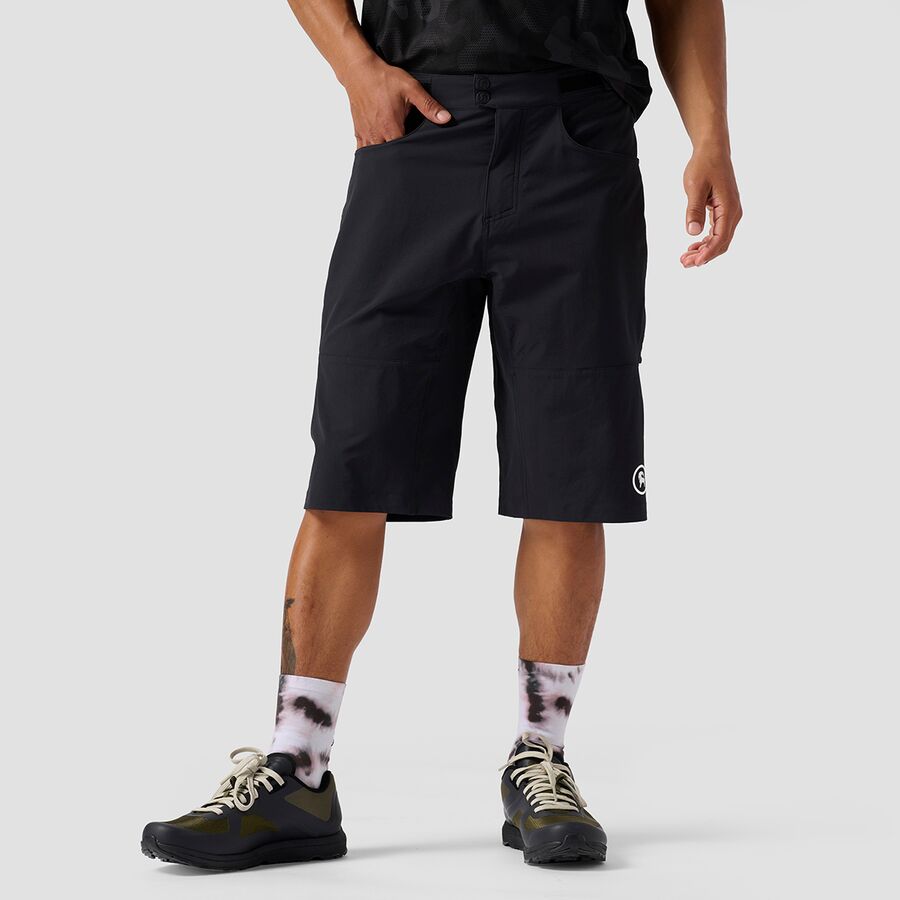
BGA Empire Bike Short - Men's
2 colors
Backcountry
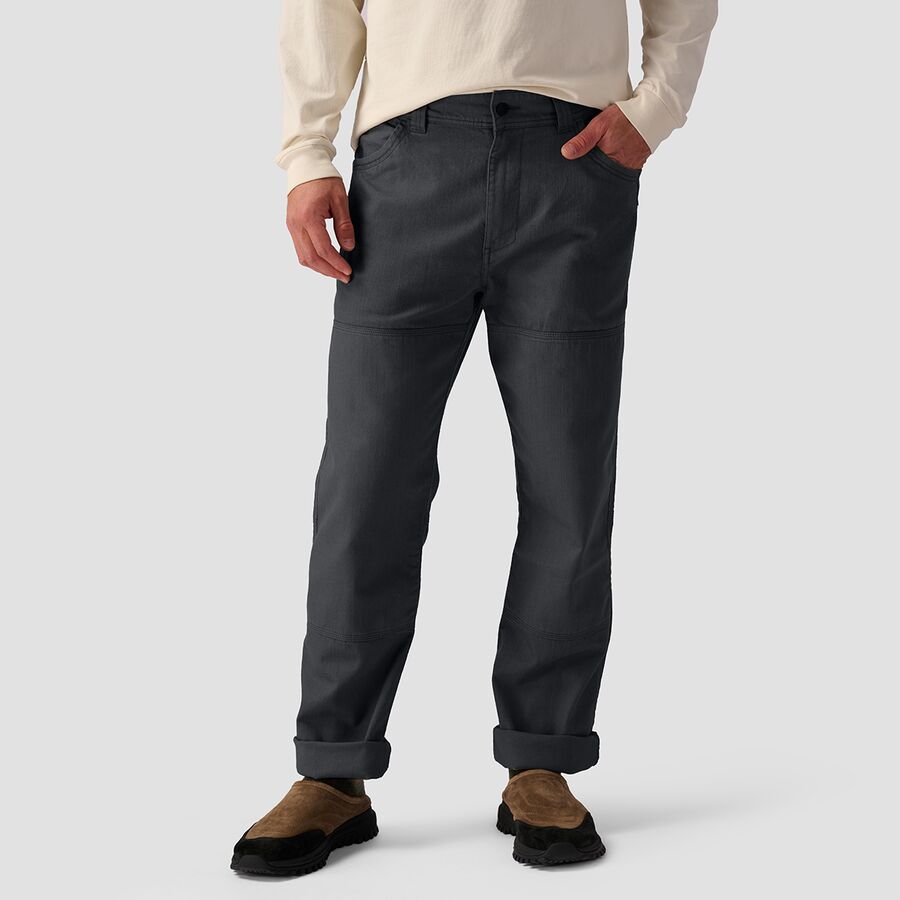
BGA Rambler Stretch Workpant - Men's
1 color

Backcountry
BGA Destination 20L Backpack
2 colors

Backcountry
BGA Tahoe Woven Short-Sleeve Snap-Up Shirt - Men's
1 color

Backcountry
BGA Tahoe Boardwalk Short - Men's
3 colors

+3
Backcountry
BGA Tahoe Sun Long-Sleeve Crew Shirt - Men's
7 colors

Backcountry
BGA Highliner PrimaLoft Air-Perm Fleece Hoodie - Men's
5 colors

+5
Backcountry
BGA Tahoe Sun Hoodie - Men's
9 colors

Backcountry
BGA Rambler Stretch Canvas Jacket
1 color

+2
Coalatree
Trailhead Short - Men's
6 colors

Backcountry
BGA Rambler Stretch Canvas Workpant - Men's
3 colors
Q: What’s your off-season like?
Brayden: The para climbing season runs pretty late and starts pretty early, so I don’t really get a traditional off-season the way a lot of climbers do. But when the competition calendar eases up, the biggest thing that changes is the mental load. Training is less grueling, and I get to pour more energy into the other things I love.
Mountain biking is at the top of that list. It’s my first love and something I look forward to every day. I also get out snowboarding with friends, most of whom are skiers, so I have to keep up somehow. And I cook a lot. My dad is a chef, so food has always been a big part of my life. I love hosting people and cooking for them. It builds connection in a way that’s hard to replicate anywhere else. The off-season is short, but I make sure those things don’t get lost in the process.
Q: Have any big outdoor projects, either completed or hoping to tick soon?
Brayden: Right now I have two ongoing boulder projects in Little Cottonwood Canyon, Superchunk (V10) and Euro Trash (V12). But where I really want to go is sport climbing. My big goal is to become the first para climber to climb 5.14a. I have a couple of routes I’m eyeing, one in Utah and one in Germany, and I’m hoping to get on both of them this season. I don’t want to say too much just yet, but that’s the direction I’m pushing toward. Competition training has taken up most of my time outdoors, but I’m hoping that balance shifts in the coming years.
Q: After podium at 2026 Nationals and in Salt Lake last month, what’s your next competition goal?
Brayden: After a breakout season last year, the goal now is simple: I want to be undisputed. I want to consistently stand on the top of the podium at every competition. Not just podium, but win. That’s a lot of pressure to put on myself, but if I’m being honest, it’s what I’m after. I want to be strong enough going into every comp that no matter what climb they put in front of me, I know my abilities are there to execute.
To be specific, the rest of this season is focused on the Innsbruck world cup in June, the Laval world cup, and the Asia world cups later this year. My goal at each one is simple: treat it as me versus the climb and top everything I get on.
Q: Now that you’ve made SLC your home, what’s your favorite thing about living in Utah?
Brayden: From a climbing standpoint, Salt Lake City is hard to beat. I have ten-plus gyms within reach, and I’m surrounded by some of the best climbers in the world. You can’t really ask for a better place to chase big goals in this sport.
But outside of climbing, it’s the weather and the outdoors. Winters here are incredible for snowboarding, and the summers remind me of growing up in Alabama. Swimming in the reservoirs, getting outside, soaking up the heat—it genuinely feels like home.
Climb Like Brayden

La Sportiva
Skwama Climbing Shoe - Women's
1 color
Black Diamond
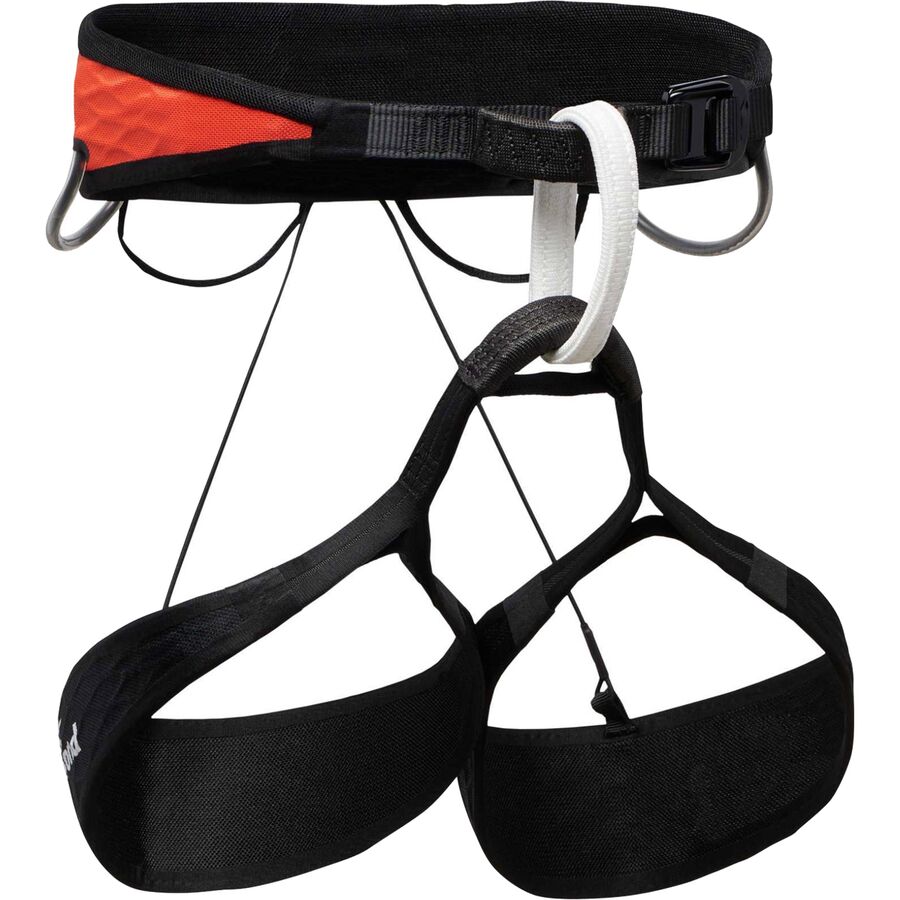
AirNet Harness - Women's
1 color
Friction Labs
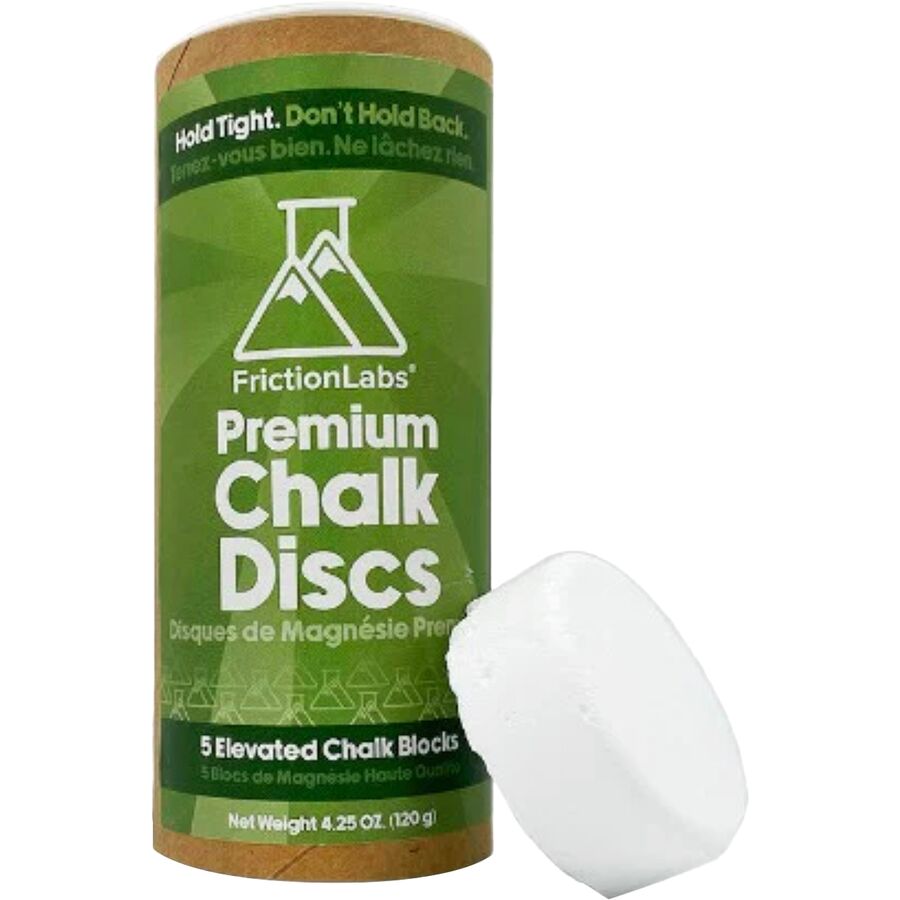
The Chalk Disc
1 color
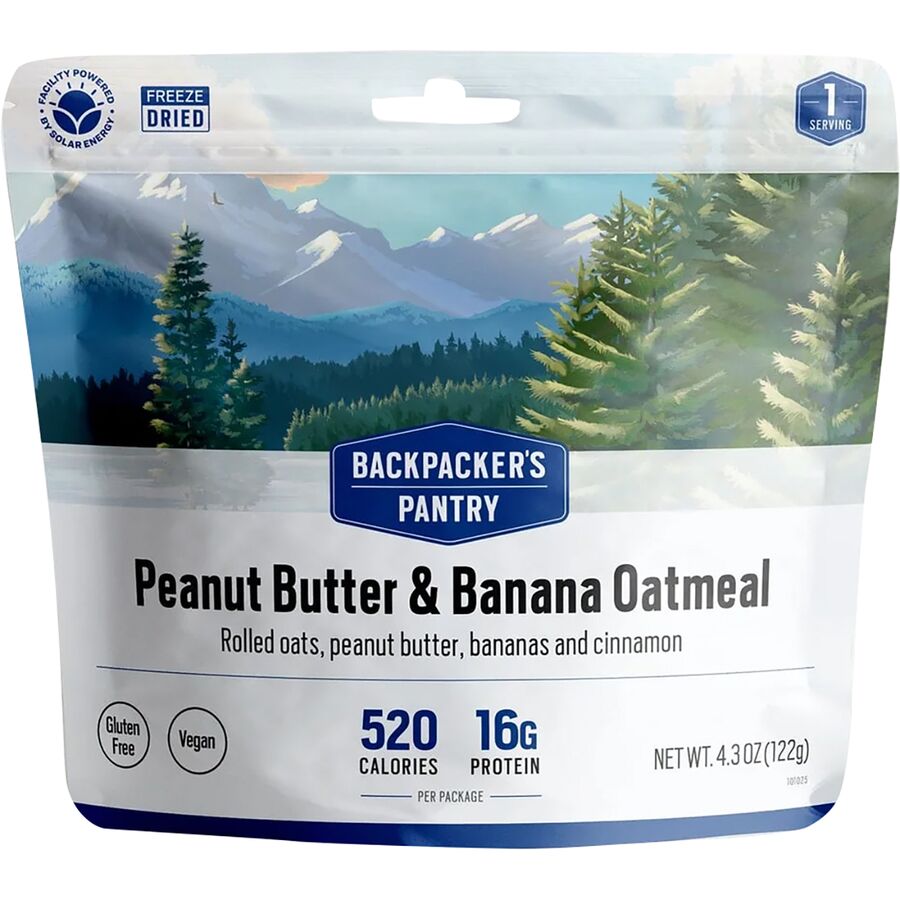
Backpacker's Pantry
Peanut Butter & Banana Oatmeal
1 color
Q: Are you reading or watching anything right now? If so, what’s got you stoked about it?
Brayden: On the reading side, I’ve been deep into sports psychology lately. I’m currently working through The Mindful Athlete and The Inner Game of Tennis, both classics for a reason. I also just finished Greenlights by Matthew McConaughey and genuinely loved it. It kept me hooked the whole way through.
Q: What does it mean to you to be named Utah’s Adaptive Male Athlete of the Year at the 14th Annual State of Sport Awards?
Brayden: Honored is a cliche, but it’s genuinely the right word. The night of the event I got to meet people like Michael Phelps and incredible athletes from all across Utah. Any chance I get to represent para athletes, I take it seriously. And getting to do that on a stage that big and give a speech I felt truly compelled to give is something I won’t forget. Some amazing connections and opportunities have come out of that night.
What stands out most is that they chose to recognize para athletes in an equitable way alongside everyone else. That matters.
Q: How can our audience follow you? And where can they cheer you on next?
Brayden: You can follow me on Instagram at @brayden.climbs. I also have a YouTube channel coming soon that will document my time competing in Europe and beyond, so keep an eye out for that. Next up, you can cheer me on at the World Climbing Para Series in Innsbruck, Austria, on June 15th and 16th. Finals will be livestreamed, so tune in and watch some incredible para climbing.
Q: Any final thoughts you want to share with the Herd?
Brayden: Get outside. Right now, before the sun melts you off the rock. Go climb, go ride your mountain bike, go ski if you’re somewhere with snow still on the ground. We’ve been blessed with incredible weather in Salt Lake and beyond, and it’s not going to last forever. Enjoy it while it’s here, and do it with the people you love.
Brayden Butler currently holds the title World Climbing RP2 World Champion. He lives and trains in Salt Lake City.
A climber, trail runner, and backcountry skier, Gearhead Alli can be found in a hammock with a book or planning a crafternoon when she’s not chasing vert.
Explore More Climbing Content
From The Backcountry Bulletin


