


Up To 20% Off Full-Price Items
Shop now
EXTRA 20% Off Clearance
Shop now | Ends 11/9
Get An EXTRA $50 Cash Back*
Summit+ exclusive
Yes. Snowboard
10 results


Yes.
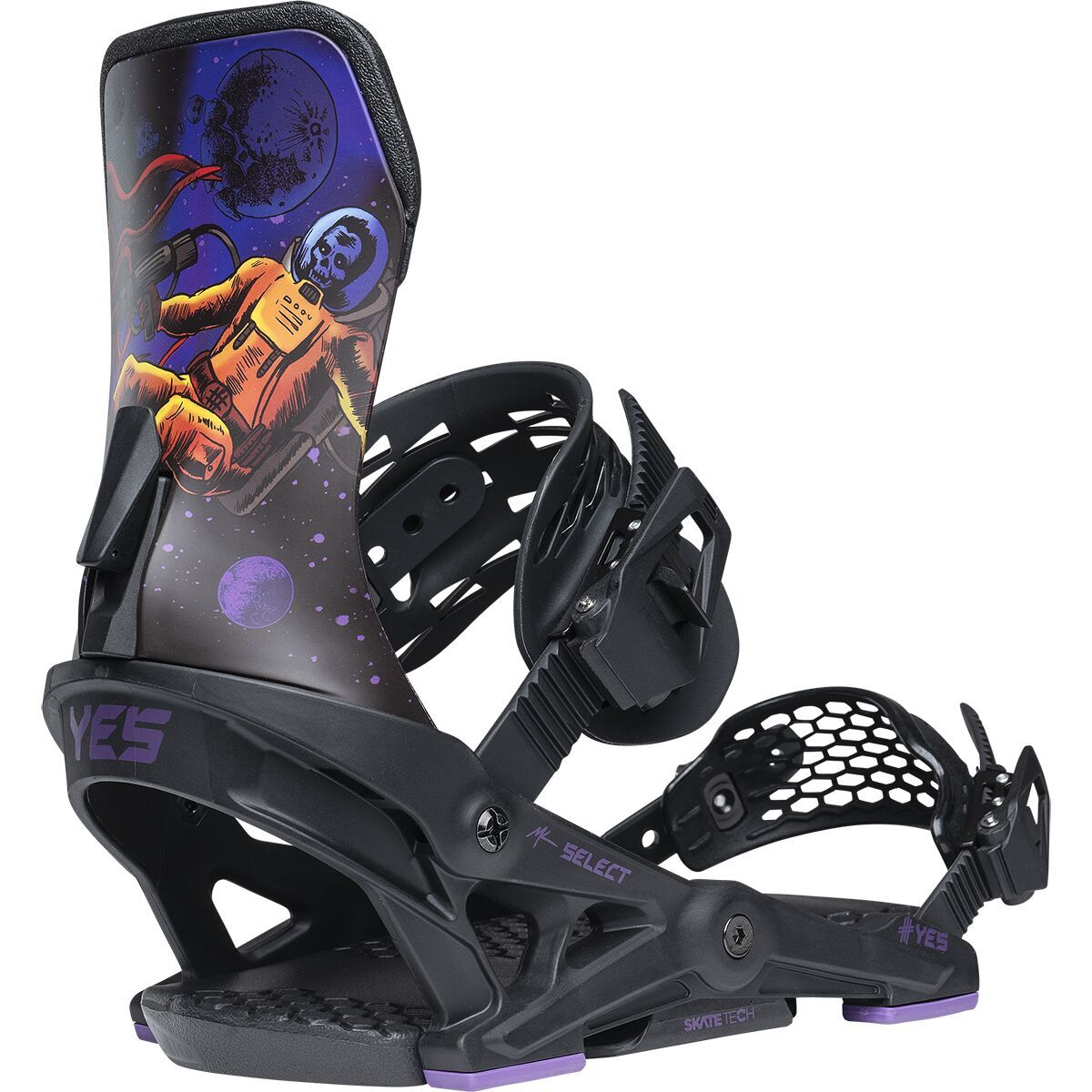
Select Kowalchuk Snowboard Binding - 2026
1 color
$299.95

Yes.
Shifter XTRM Eiki 3D Snowboard - 2026
1 color
$579.95
10% Cashback Eligible

Yes.
Shifter 3D Snowboard - 2026
1 color
$429.95
10% Cashback Eligible

Yes.
Hel Yes Snowboard - 2026 - Women's
1 color
$579.95
10% Cashback Eligible

Yes.
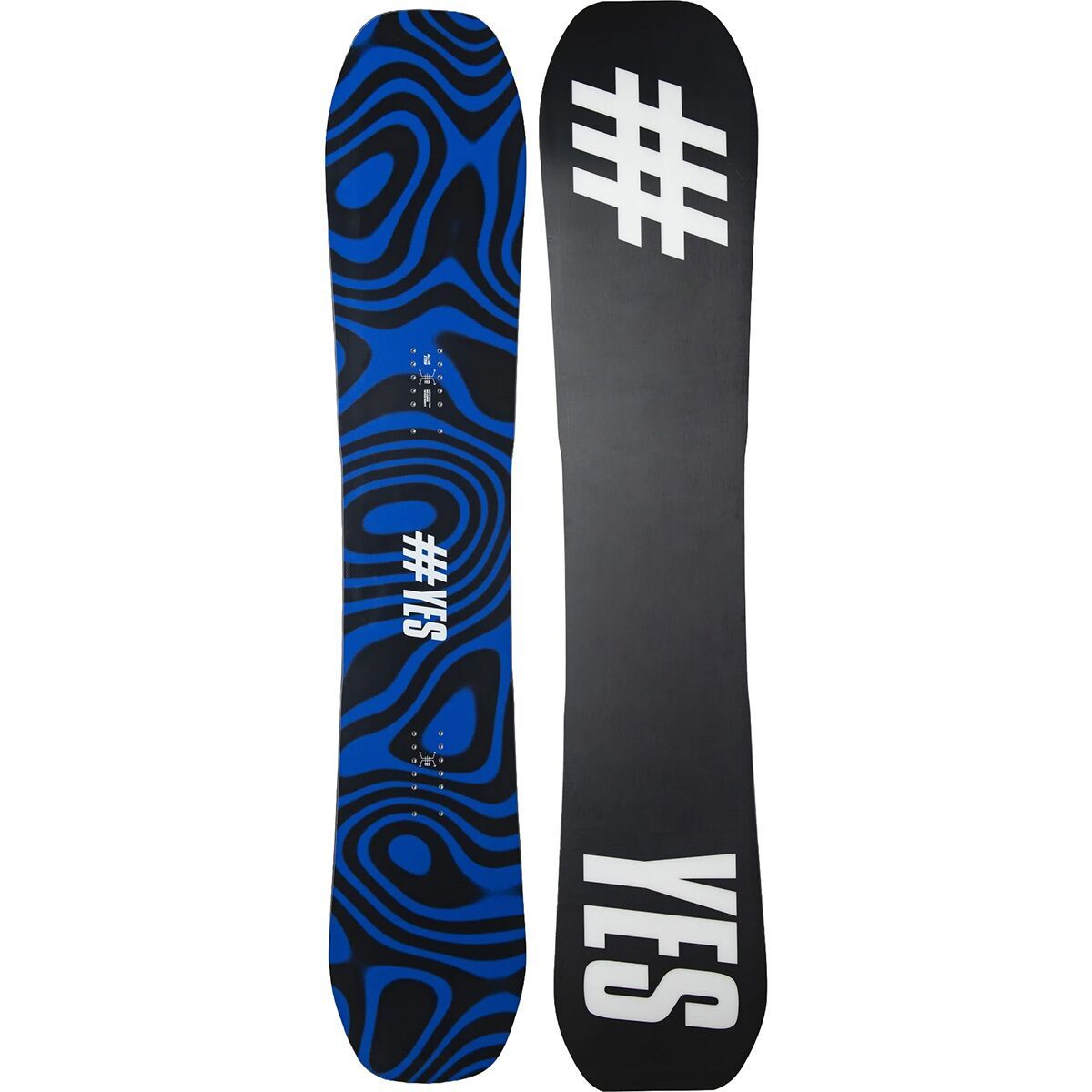
Greats Snowboard - 2026
1 color
$629.95
10% Cashback Eligible

Yes.
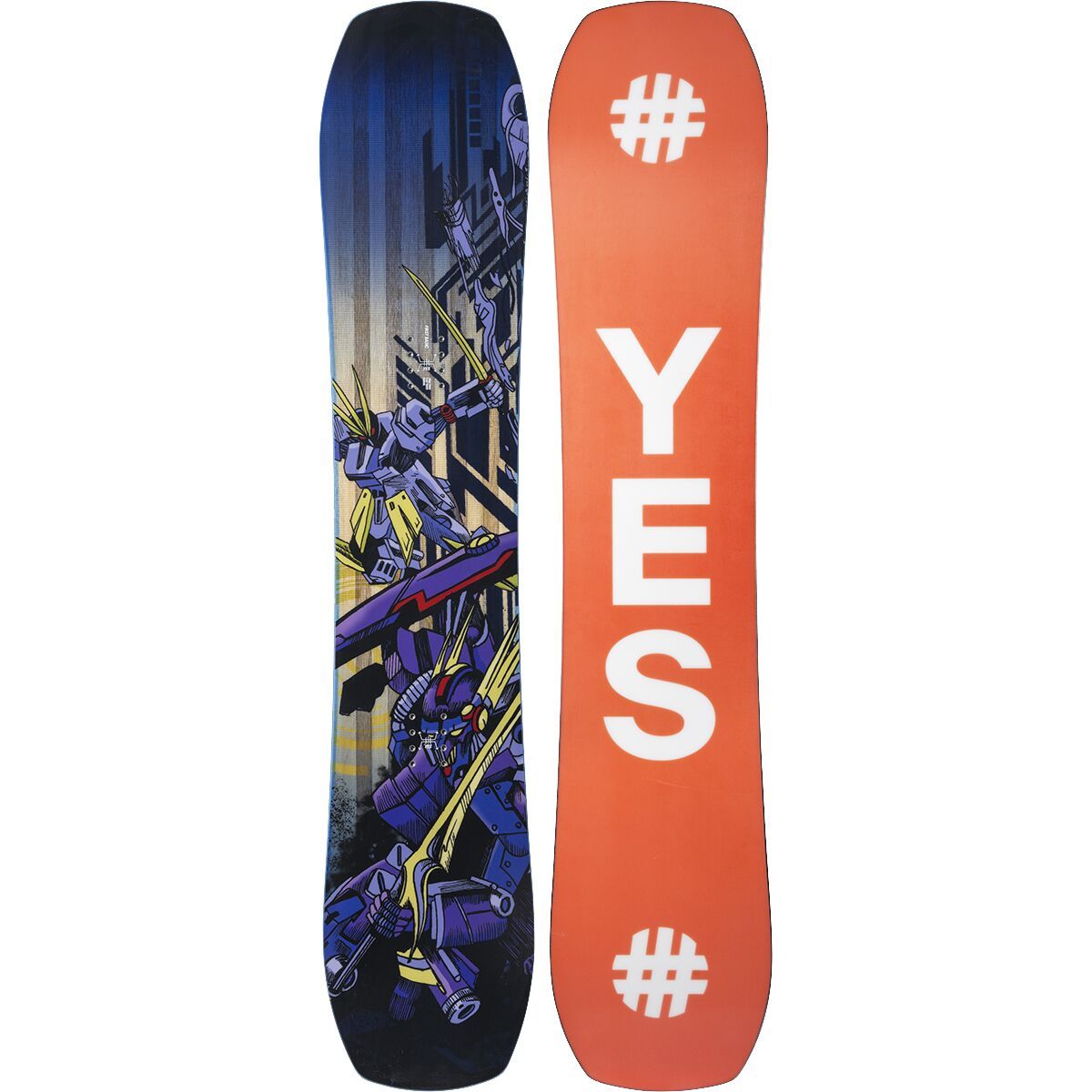
First Basic Snowboard - 2026 - Kids'
1 color
$299.95
Discount Applies In Cart | Ends 11/16

Yes.
Cream Halldor 3D Snowboard - 2026
1 color
$579.95
10% Cashback Eligible

Yes.
Airmaster 3D Snowboard - 2026
1 color
$529.95
10% Cashback Eligible

Yes.
Jumper Snowboard - 2025 - Kids'
1 color
$269.95
Discount Applies In Cart | Ends 11/16

Yes.
Airmaster XTRM Snowboard Binding - 2025
1 color
$599.95
10% Cashback Eligible
Related Categories
Frequently Asked Questions
What is unique about YES V-CORE construction and how does it change how a board rides?
YES V-CORE is a tuned core construction that softens the center while stiffening the nose and tail, giving boards more maneuverability underfoot with added pop and stability at the tips. That tuned flex pattern helps V-CORE models feel playful in the park or nimble in tighter terrain while retaining edge hold and response for faster all-mountain lines.How should I pick length, waist width, and flex for a YES snowboard based on my weight, boot size, and riding style?
Choose length primarily by height and weight plus style—shorter for park and technical riding, longer for high-speed stability and powder; consult the YES size chart for exact ranges. Select waist width >26cm or a “wide” model if you wear bigger boots to avoid toe/heel drag, and match flex to your skill: soft (1–4) for forgiving freestyle, medium (5–7) for versatile all-mountain, and stiff (8–10) for high-speed freeride and big-line stability.Which YES shapes and side profiles work best for powder, park, and hardpack carving?
For powder and off-piste you want directional shapes with a rocker or hybrid nose for float; for park and switch riding choose a true twin or softer flex directional-twin for balance and pop. For hardpack and carving pick a camber or camber-dominant hybrid with a stiffer flex and a sidecut tuned for tighter radius turns and strong edge hold.How does a YES V-CORE hybrid-profile board compare to a full camber or full rocker board?
A V-CORE hybrid-profile blends camber underfoot with rocker or uplifted tips, offering the edge grip and pop of camber plus the forgiveness and float of rocker in the nose/tail. Full camber favors precision, pop, and strong edge hold on groomers and hardpack, while full rocker is more forgiving and excels at float in deep snow but sacrifices some high-speed stability.What materials and base options do YES snowboards use, and how do those choices affect performance and maintenance?
YES commonly uses lightweight wood cores (paulownia/poplar blends) with fiberglass and occasional carbon reinforcements for snap and torsional strength; those laminates tune pop, dampening, and responsiveness. Sintered P-Tex bases are faster and hold wax better for speed and durability, while extruded bases are lower-maintenance but slower; reinforced edges and quality topsheets improve longevity in park and backcountry use.