


Up To 20% Off Full-Price Items
Shop now
EXTRA 20% Off Clearance
Shop now | Ends 11/9
Get An EXTRA $50 Cash Back*
Summit+ exclusive
Yes.
10 results


Yes.
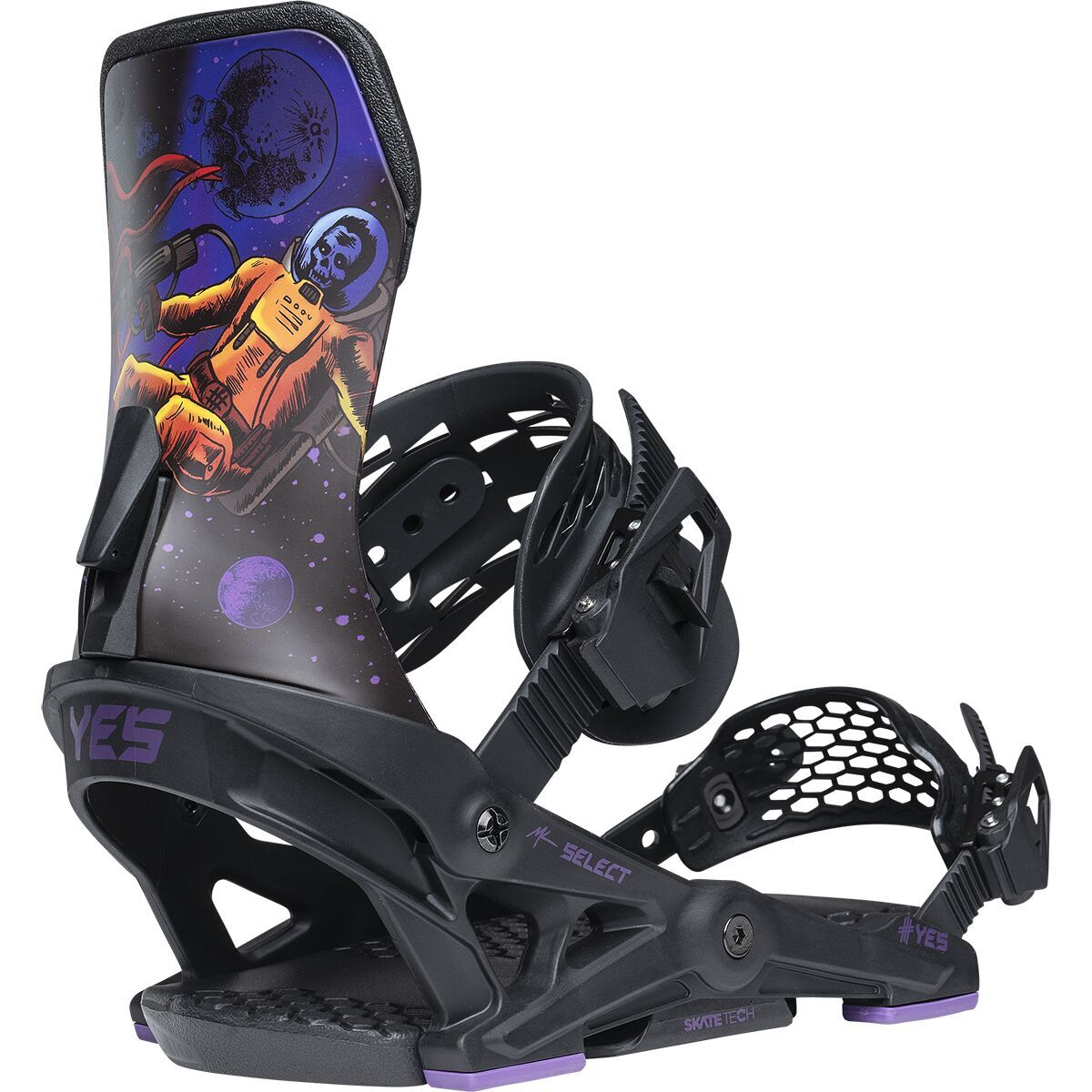
Select Kowalchuk Snowboard Binding - 2026
1 color
$299.95

Yes.
Shifter XTRM Eiki 3D Snowboard - 2026
1 color
$579.95
10% Cashback Eligible

Yes.
Shifter 3D Snowboard - 2026
1 color
$429.95
10% Cashback Eligible

Yes.
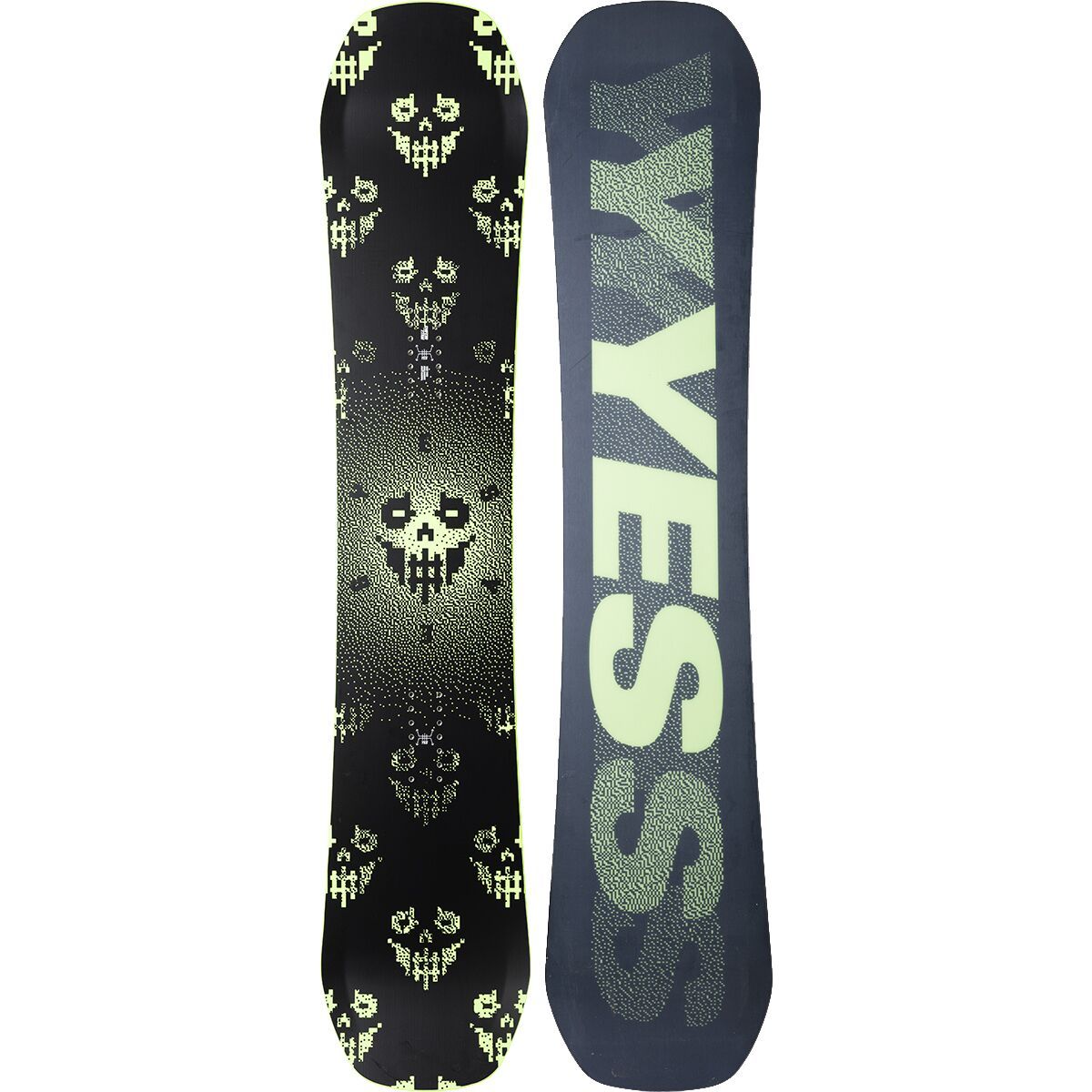
Hel Yes Snowboard - 2026 - Women's
1 color
$579.95
10% Cashback Eligible

Yes.
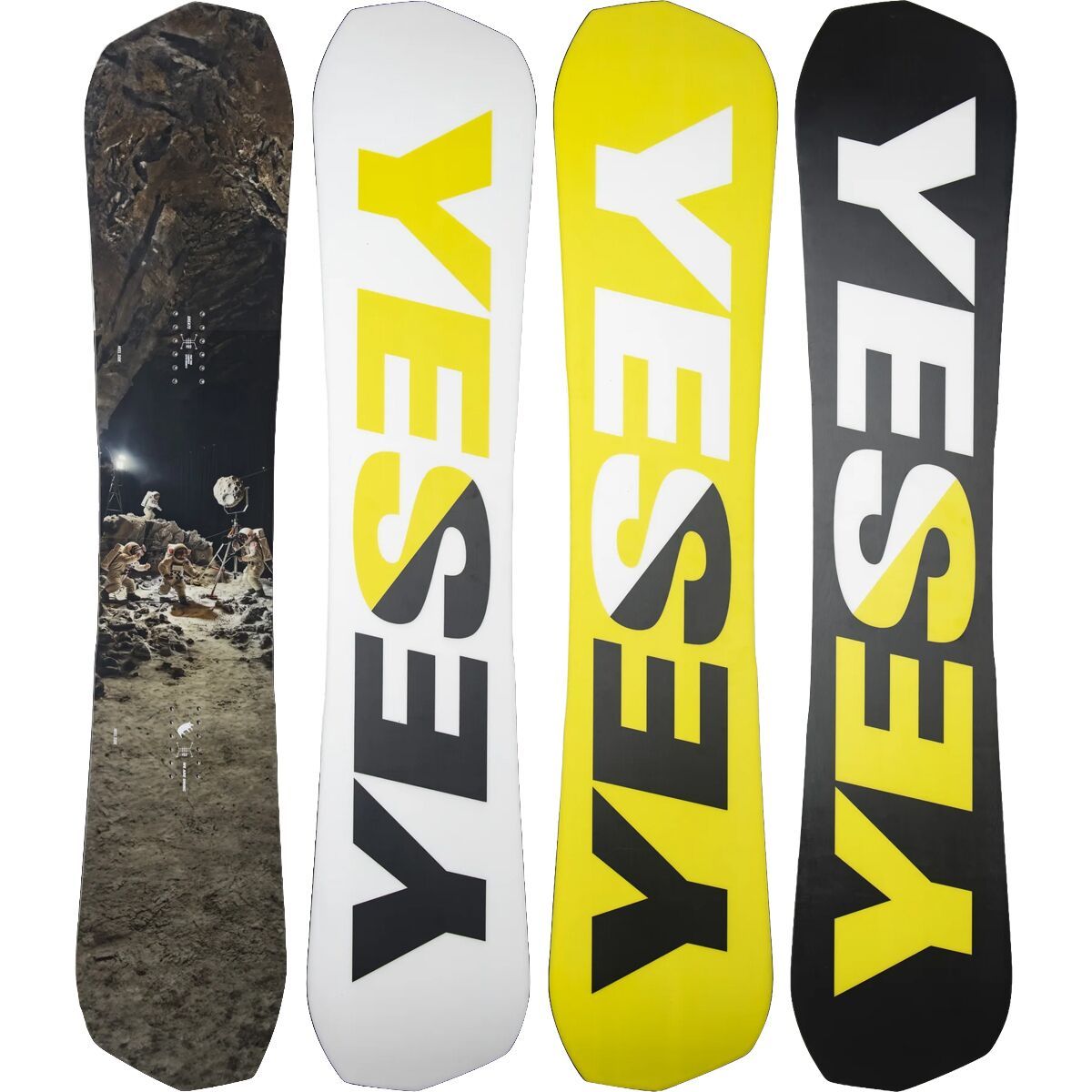
Greats Snowboard - 2026
1 color
$629.95
10% Cashback Eligible

Yes.
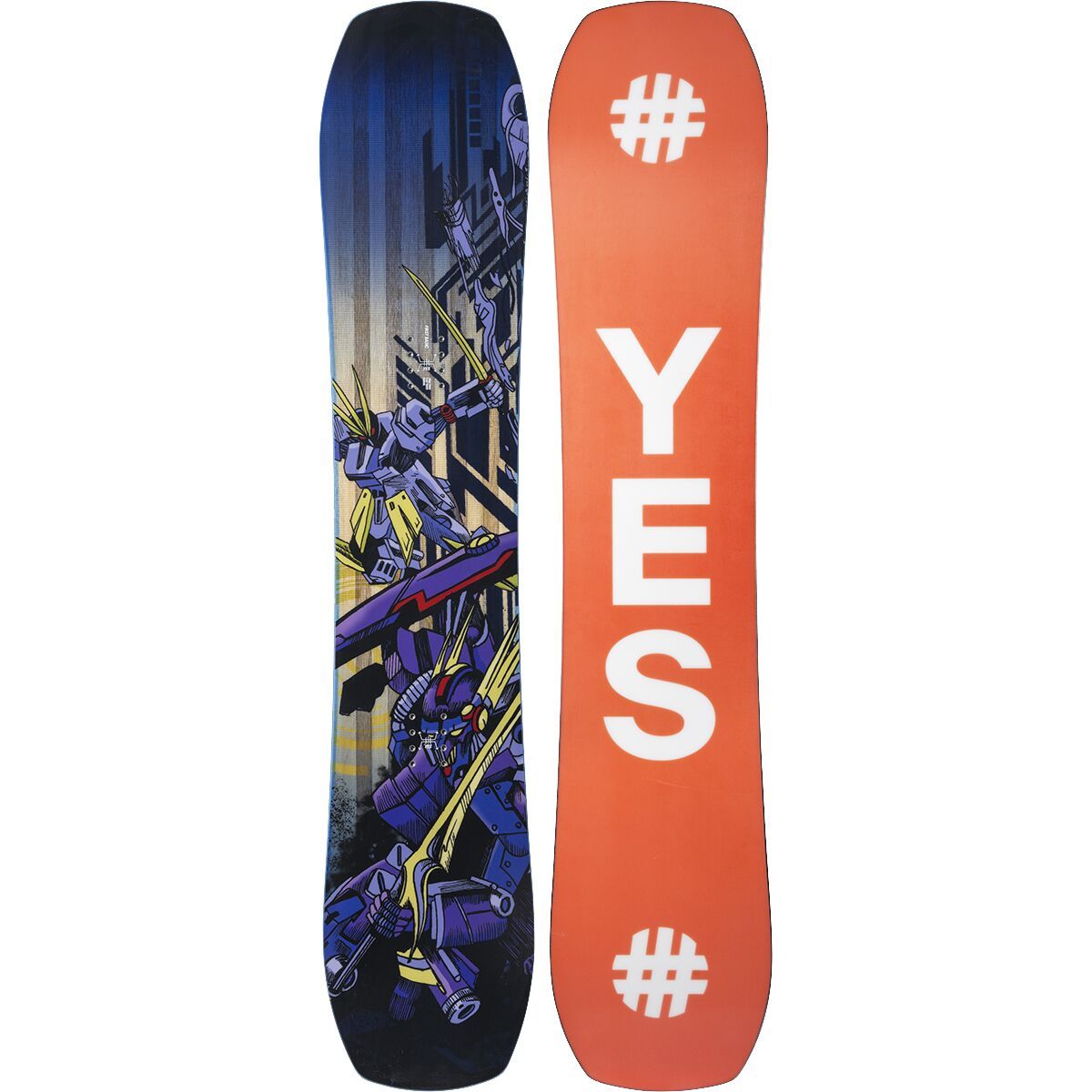
First Basic Snowboard - 2026 - Kids'
1 color
$299.95
Discount Applies In Cart | Ends 11/16

Yes.
Cream Halldor 3D Snowboard - 2026
1 color
$579.95
10% Cashback Eligible

Yes.
Airmaster 3D Snowboard - 2026
1 color
$529.95
10% Cashback Eligible

Yes.
Jumper Snowboard - 2025 - Kids'
1 color
$269.95
Discount Applies In Cart | Ends 11/16

Yes.
Airmaster XTRM Snowboard Binding - 2025
1 color
$599.95
10% Cashback Eligible
Related Categories
Frequently Asked Questions
What design features and materials set YES. snowboards apart for freeride and backcountry riding?
YES. boards pair playful freestyle DNA with big-mountain performance by blending directional and twin-influences, often using camber/rocker hybrid profiles (rocker in tip/tail with camber underfoot) for both float and edge hold. Construction typically uses lightweight poplar/paulownia cores, sintered bases for better glide and wax absorption, and fiberglass laminates (triax or biax) tuned for torsional response and durability. The brand also favors tapered noses and dampening layups on freeride shapes to improve float and stability at speed.How does the YES. Typo compare to the YES. Hel Yes. Splitboard?
The YES. Typo is a playful, freeride-oriented twin/directional board favored for quirky freestyle moves and variable snow, with a softer-to-medium flex that prioritizes pressability and quick turn initiation. The YES. Hel Yes. Splitboard is built specifically for backcountry touring and descent performance, featuring splitboard hardware and a directional freeride outline with a stiffer flex and reinforced construction for charging variable conditions. Choose the Typo if you ride lift-access or resort terrain and value park/press versatility, and pick the Hel Yes. Splitboard if your focus is uphill access and stable, high-speed powder descents.How should I size a YES. snowboard or splitboard for freeride and backcountry use?
Start with the brand’s size chart and match board length to your height, weight, and intended use—shorter for playful freestyle and easier maneuvering, longer for added float and stability in powder and high-speed lines. Pay attention to waist width relative to your boot size (wider waists for larger BSLs) and consider setback stance on directional freeride or splitboards for better float. For splitboards add a length or so if you prioritize flotation in deep snow, and always cross-check recommended rider weight ranges for each model.What flex and shape should I choose for all-mountain versus powder-focused YES. boards?
For all-mountain versatility, look for medium flex (around 4–6/10) and a directional-twin or mild directional shape that balances edge hold and playfulness across groomers, choppy snow, and small pow. For powder-focused riding choose stiffer flexes (6–9/10) with tapered or rocker-biased noses and a set-back stance to maximize float and high-speed stability. If you split time between park and pow, a softer-medium flex and a true twin or directional-twin with a slightly wider nose gives the best compromise.What should I look for in YES. splitboard construction and accessories for efficient uphill and stable descents?
Prioritize splitboards with reinforced touring inserts, clean sealant at split seams, and a lightweight yet damped core (poplar/paulownia blends) so you get efficient uphills without sacrificing downhill performance. A sintered base helps skin glide on approach and speeds on the descent, while robust metal edges and targeted laminates improve edge hold and vibration damping at speed. Also check compatibility with your chosen bindings and skins (cut-to-shape or model-specific) and that the included hardware (clips/bridges) is easy to rig in cold conditions.