


Up To 20% Off Full-Price Items
Shop now
EXTRA 20% Off Clearance
Shop now | Ends 11/9
Get An EXTRA $50 Cash Back*
Summit+ exclusive
Western Mountaineering Overlanding
36 results


Western Mountaineering
Kodiak MF Sleeping Bag: 0F Down
1 color
10% Cashback Eligible
(3)

Western Mountaineering
Puma Super MF Sleeping Bag: -25F Down
1 color
10% Cashback Eligible
(3)

Western Mountaineering
Bison GWS Expedition Sleeping Bag: -40F Down
1 color
10% Cashback Eligible

Western Mountaineering
MegaLite Sleeping Bag: 30F Down
1 color
10% Cashback Eligible
(2)

Western Mountaineering
Cloudlite Sleeping Bag: 15F Down
1 color
10% Cashback Eligible

Western Mountaineering
Alpinlite Sleeping Bag: 20F Down
1 color
10% Cashback Eligible
(10)

Western Mountaineering
Sequoia StormShield Sleeping Bag
1 color
10% Cashback Eligible
(2)

Western Mountaineering
Tioga Silk Sleeping Bag Liner
1 color
(3)

Western Mountaineering
TerraLite Sleeping Bag: 25F Down
1 color
10% Cashback Eligible
(8)

Western Mountaineering
Hot Sac Vapor Barrier Liner
1 color

Western Mountaineering
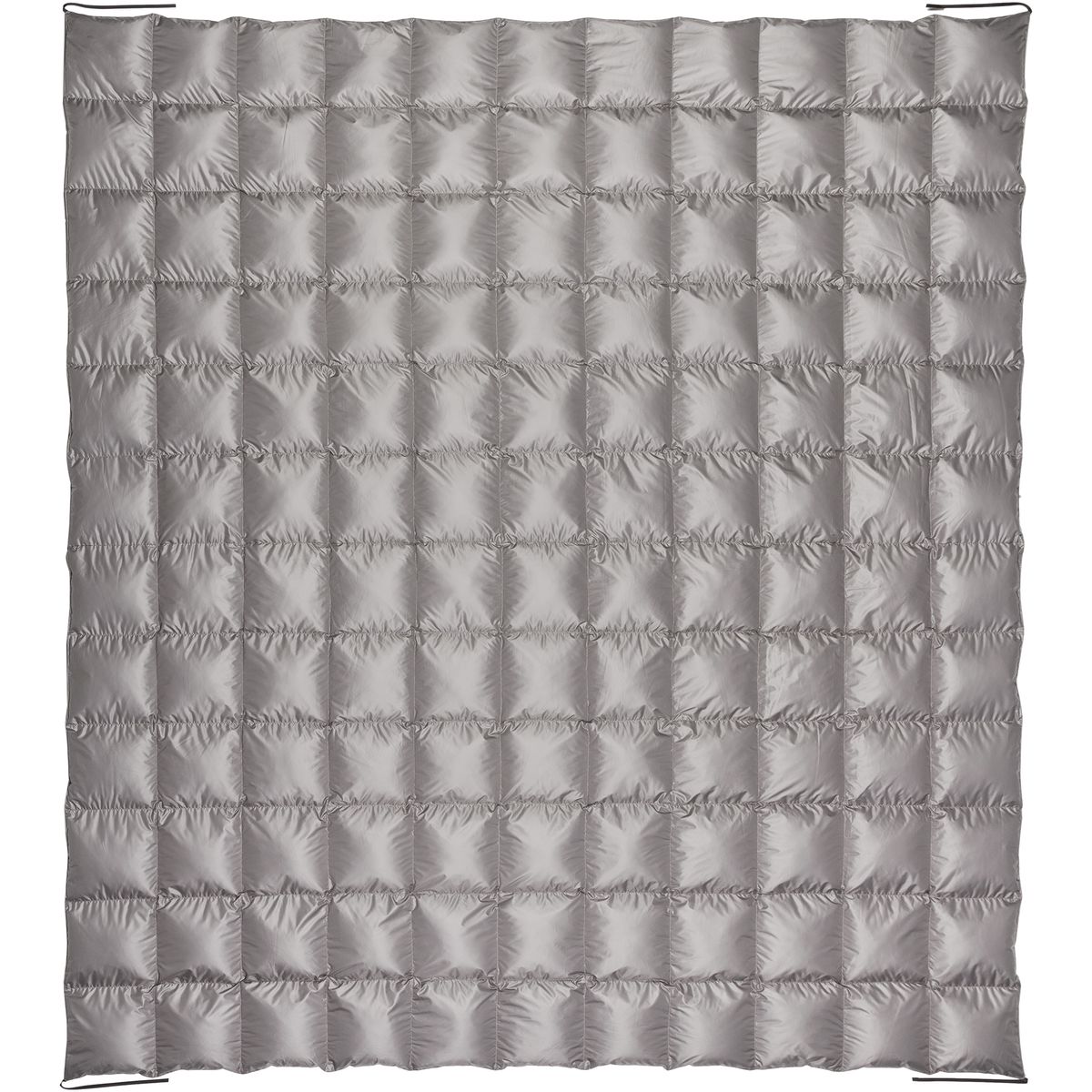
Cloud 9 Comforter
1 color
10% Cashback Eligible

Western Mountaineering
Ponderosa MF Sleeping Bag: 15F Down
1 color
10% Cashback Eligible

Western Mountaineering
Versalite Sleeping Bag: 10F Down
1 color
10% Cashback Eligible
(9)

Western Mountaineering
Caribou MF Sleeping Bag: 35F Down
1 color
10% Cashback Eligible
(1)

Western Mountaineering
Sequoia MF Sleeping Bag: 5F Down
1 color
10% Cashback Eligible

Western Mountaineering
Kodiak StormShield Sleeping Bag
1 color
10% Cashback Eligible

Western Mountaineering
Badger StormShield Sleeping Bag
1 color
10% Cashback Eligible

Western Mountaineering
UltraLite Sleeping Bag: 20F Down
1 color
10% Cashback Eligible
(7)

Western Mountaineering
Dreamlite Sleeping Bag: 35F Down
1 color
10% Cashback Eligible

Western Mountaineering
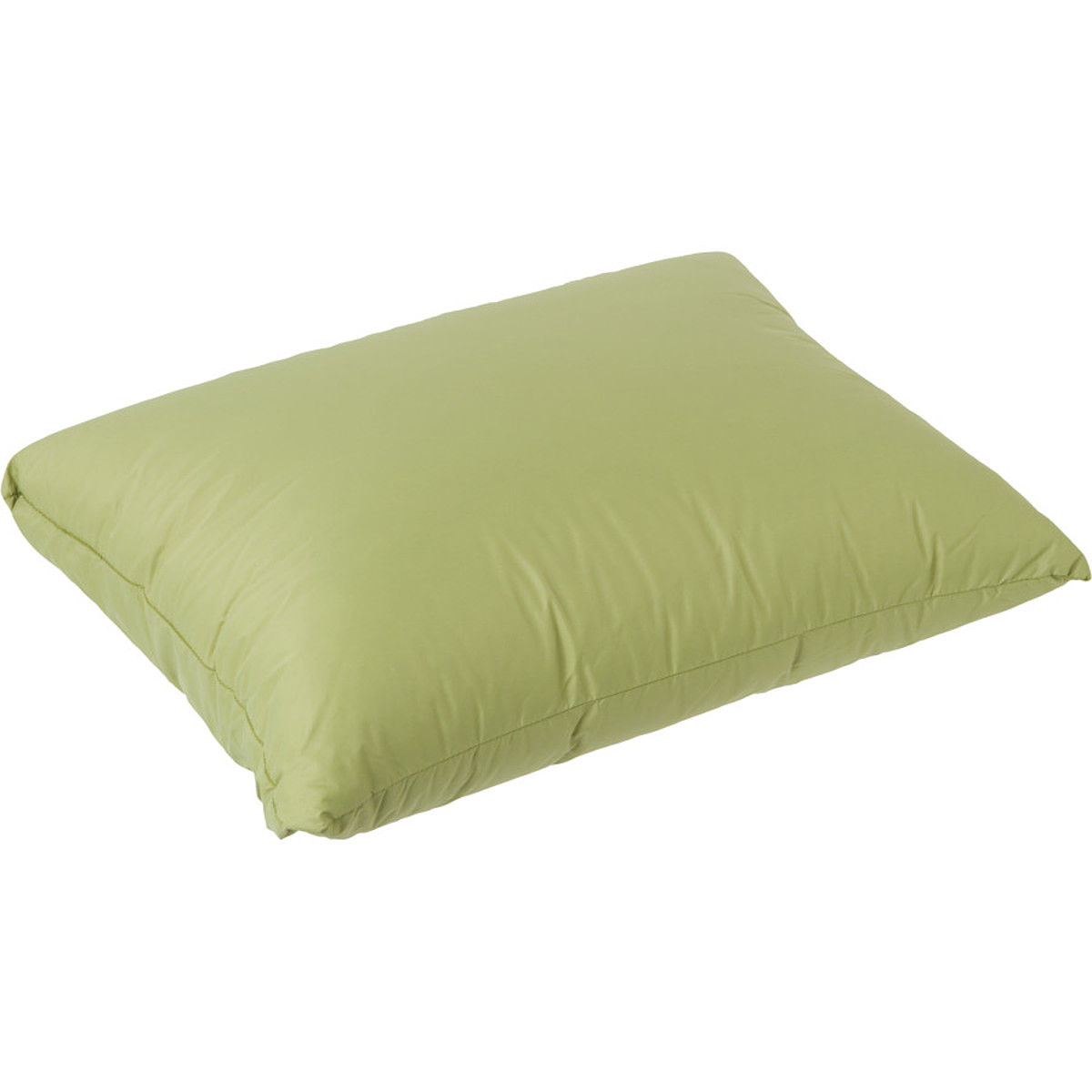
Cloudrest Down Pillow
1 color
(3)

Western Mountaineering
Puma StormShield Sleeping Bag: -25F Down
1 color
10% Cashback Eligible
(1)

Western Mountaineering
Antelope StormShield Sleeping Bag
1 color
10% Cashback Eligible
(1)

Western Mountaineering
Flylite Sleeping Bag: 36F Down
1 color
10% Cashback Eligible

Western Mountaineering
Apache MF Sleeping Bag: 15F Down
1 color
10% Cashback Eligible

Western Mountaineering
Lynx MF Sleeping Bag: -10F Down
1 color
10% Cashback Eligible
(1)

Western Mountaineering
Astralite Quilt: 26F Down
1 color
10% Cashback Eligible
(2)

Western Mountaineering
Nanolite Quilt: 38F Down
1 color
10% Cashback Eligible
(1)

Western Mountaineering
Sonora Sleeping Bag Liner
1 color
(1)

Western Mountaineering
SlingLite Hammock Underquilt: 20F Down
1 color

Western Mountaineering
Bristlecone MF Sleeping Bag: -10F Down
1 color
10% Cashback Eligible
(3)

Western Mountaineering
Antelope MF Sleeping Bag: 5F Down
1 color
10% Cashback Eligible
(3)

Western Mountaineering
Badger MF Sleeping Bag: 15F Down
1 color
10% Cashback Eligible

Western Mountaineering
Summer Coupler Sleeping Bag Liner
1 color

Western Mountaineering
Sycamore MF Sleeping Bag: 25F Down
1 color
10% Cashback Eligible
(1)

Western Mountaineering
Summerlite Sleeping Bag: 32F Down
1 color
10% Cashback Eligible
(5)

Western Mountaineering
Everlite Sleeping Bag: 45F Down
1 color
10% Cashback Eligible
(1)
Related Categories


Frequently Asked Questions
How do I choose between the Sycamore MF, UltraLite, and ExtremeLite for overlanding trips?
The Sycamore MF is a semi-rectangular three‑season bag that prioritizes room to move (good for side sleepers or car-camping with variable temps) and typically carries ~17–18 oz of 850+ fill with about a 25°F rating and a roughly 8x15" stuff size. The UltraLite is a classic mummy three‑season model with a slimmer cut that trades some room for better warmth-to-weight, while the ExtremeLite series pushes the weight/packability envelope for minimalist overland or fastpacking use. Match shape to your sleep style and pick the lightest model you can afford that still meets your comfort and storage needs.What do MicroLite XP and 20D microfiber shells actually do for overland use?
MicroLite XP and 20D microfiber are downproof, lightweight fabrics treated for water resistance and low wind permeability, which help keep loft and delay moisture soak on damp nights. They’re also breathable and sufficiently durable for typical overland abrasion, making them a good balance of packability and weather resistance. Those shells combined with 850+ down preserve loft and warmth without excessive bulk.How should I pick the right size and shape (length and girth) for comfort on three-season trips?
Choose length to match your height—Western Mountaineering offers sizes roughly from 5'6" to 7'0"—and consider girth numbers if you roll or sleep on your side; semi‑rectangular cuts like the Sycamore MF provide more shoulder/hip/foot room than mummy models. If you want maximum warmth-per-weight and minimal dead space, pick a mummy (e.g., UltraLite); if you want to stretch, layer, or sleep with clothes on, choose the Sycamore MF’s roomier profile. Always leave a little extra space so you don’t compress the down and lose insulation.How can I extend warmth for nights colder than a bag’s stated rating?
Use an insulated sleeping pad with R‑value around 5.0 or higher, add baselayers and a hat, and make use of the bag’s hood and draft collar to trap heat; these strategies are often more effective than relying on the bag alone. Western Mountaineering’s continuous baffle layouts and adjustable hoods help maintain loft when you layer up, and opening the two‑way zipper or footbox offers quick ventilation if you overheat. Avoid compressing the bag under you and consider a liner for a few degrees of added warmth.What construction features in Western Mountaineering bags improve real-world performance?
Key features include continuous slant‑box baffles and differential cut to maximize loft and prevent cold spots, insulated draft tubes and collars to seal zipper areas, and contoured adjustable hoods for head heat retention. Practical touches like a #5 YKK two‑way zipper with footbox vent and high‑loft 850+ goose down (5" loft in some models) give a reliable warmth-to-weight ratio and adaptable ventilation for diverse overland conditions.