


Up To 20% Off Full-Price Items
Shop now
EXTRA 20% Off Clearance
Shop now | Ends 11/9
Get An EXTRA $50 Cash Back*
Summit+ exclusive
USWE Hike & Camp
26 results


USWE
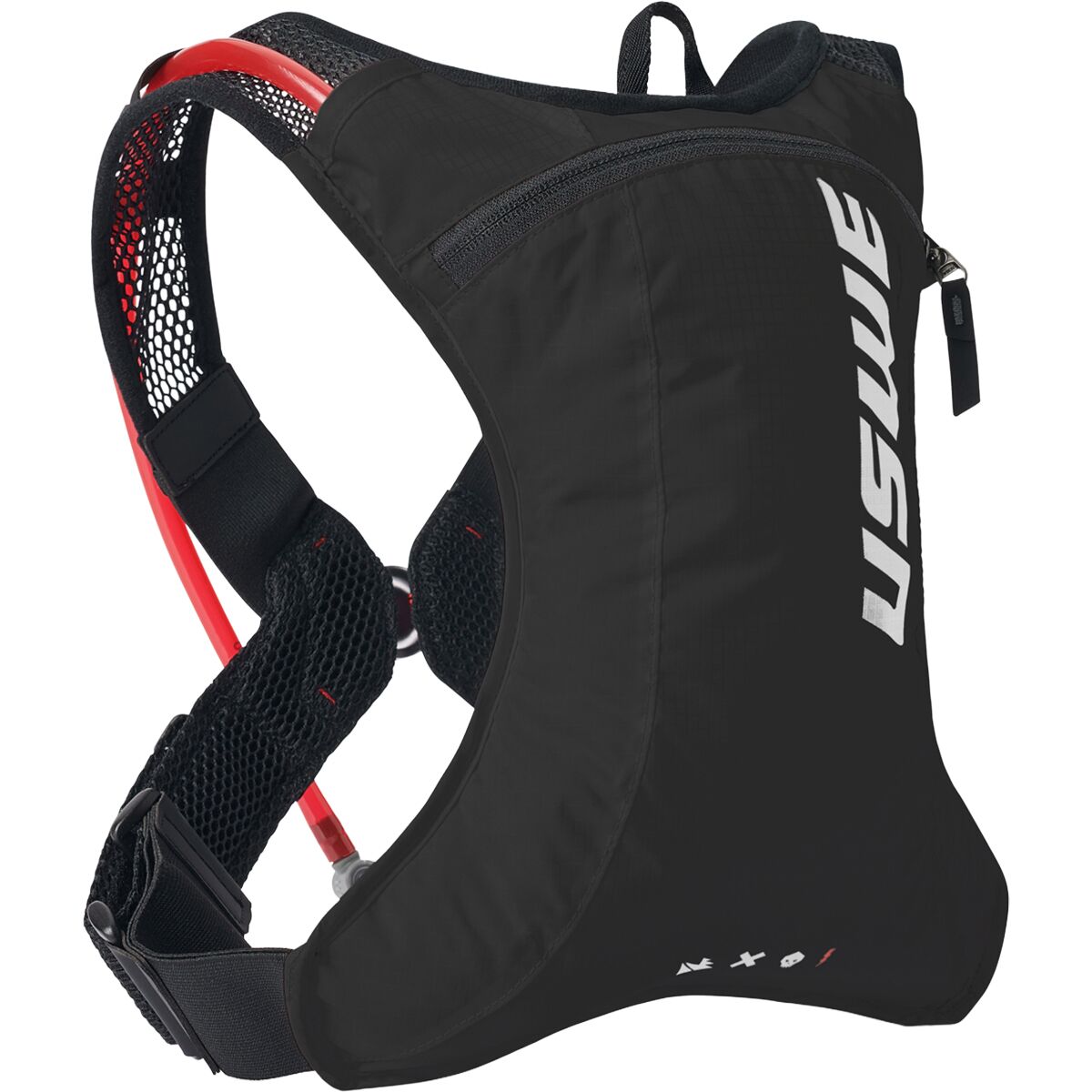
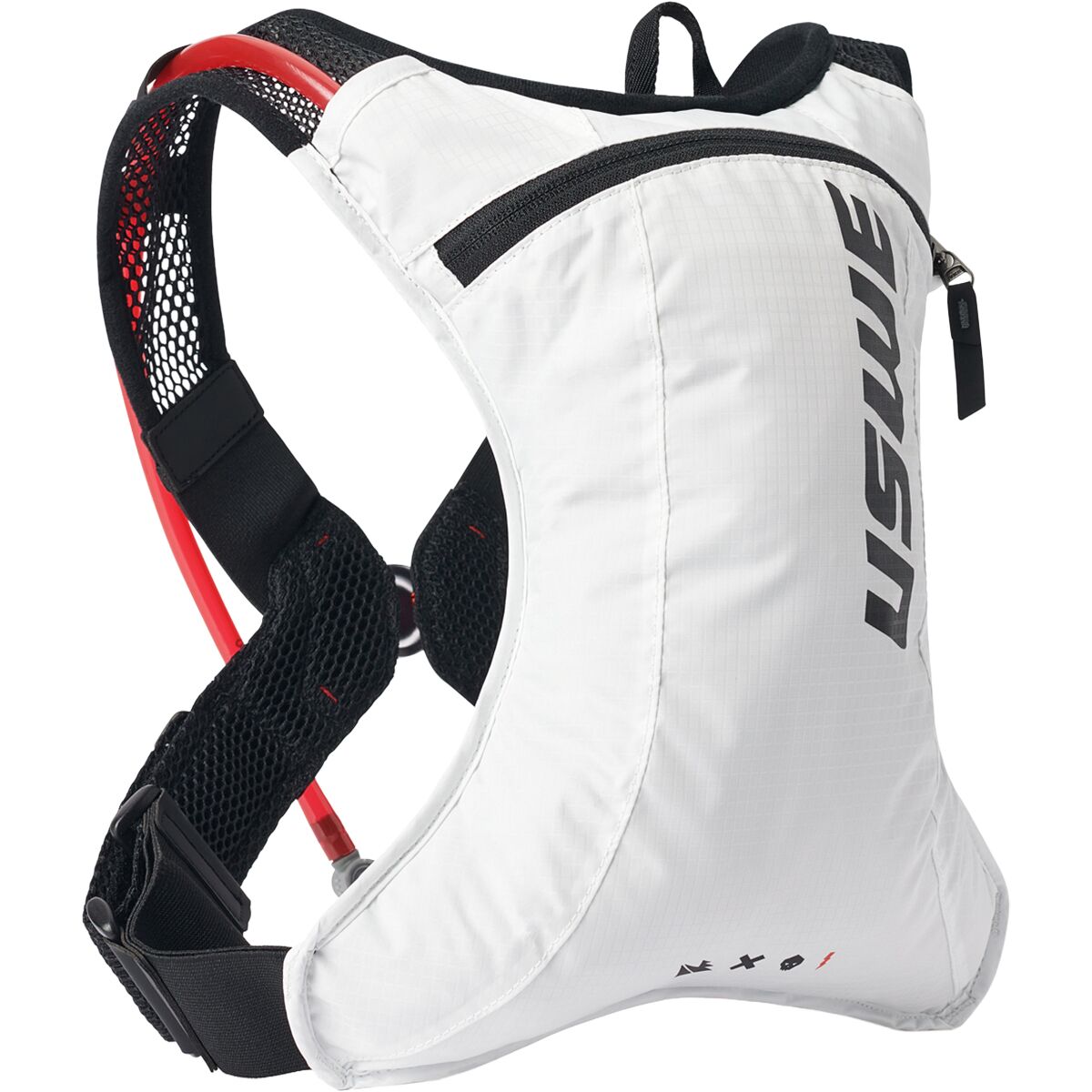
Race 2.0 Hydration Pack
4 colors
Discount Applies In Cart | Ends 11/16
(11)

USWE
MTB Hydro 3 Hydration Pack
4 colors
Discount Applies In Cart | Ends 11/16
(3)


+2
USWE
Outlander XC 2L Hydration Pack
6 colors
Discount Applies In Cart | Ends 11/16
(1)

USWE
Bike VST 8L Hydration Vest
3 colors
Discount Applies In Cart | Ends 11/16

USWE
MTB Hydro 9 Hydration Pack
2 colors
Discount Applies In Cart | Ends 11/16

USWE
MTB Hydro 12 Hydration Pack
2 colors
Discount Applies In Cart | Ends 11/16

USWE
Outlander 10 Hydration Pack
2 colors
Discount Applies In Cart | Ends 11/16
(1)

USWE
Outlander XC 4L Hydration Pack
3 colors
Discount Applies In Cart | Ends 11/16

USWE
Rush 8L Hydration Pack
2 colors
Discount Applies In Cart | Ends 11/16
(3)

USWE
Zippered VST 25L Daypack
1 color
Discount Applies In Cart | Ends 11/16

USWE
Shred 25L Backpack
2 colors
Winter Sale
(1)

USWE
Magnet Tube Clip
1 color
Discount Applies In Cart | Ends 11/16
(1)

USWE
Outlander Xc, Xs 2L Hydration Pack
1 color
Discount Applies In Cart | Ends 11/16

USWE
Rolltop Vst 18L Daypack
1 color
Discount Applies In Cart | Ends 11/16

USWE
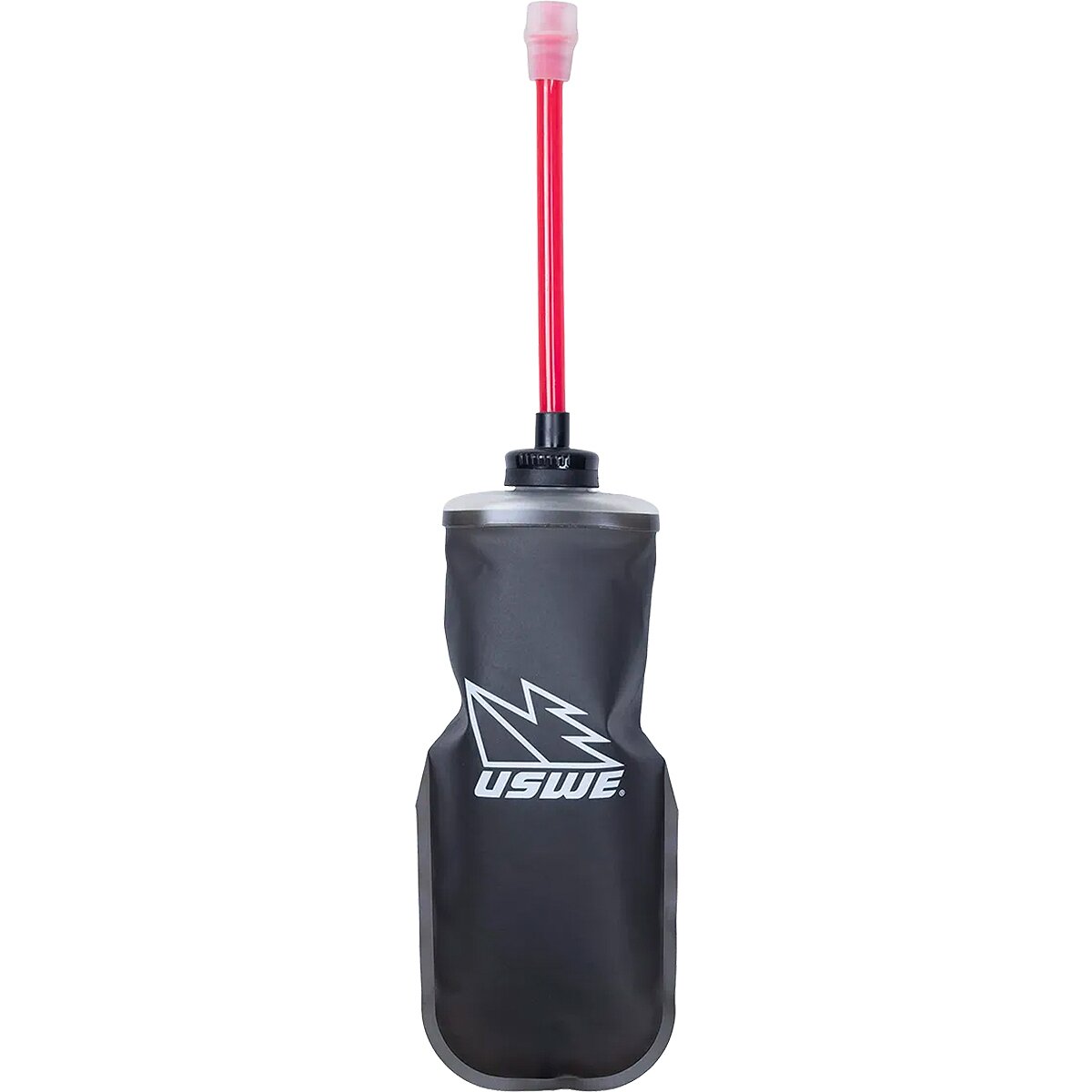
Rocket Softflask With Straw
1 color
Discount Applies In Cart | Ends 11/16

USWE
Action Camera Harness - NDM 1
1 color
Discount Applies In Cart | Ends 11/16

USWE
Bite Valve
1 color
Discount Applies In Cart | Ends 11/16

USWE
Rocket Softflask With Wide Opening
1 color
Discount Applies In Cart | Ends 11/16

USWE
Vst Termocell Winter Harness
1 color
Discount Applies In Cart | Ends 11/16

USWE
Vst Small Size Harness
1 color
Discount Applies In Cart | Ends 11/16

USWE
Vst Mesh Harness
1 color
Discount Applies In Cart | Ends 11/16

USWE
Vst Bladder Sleeve
1 color
Discount Applies In Cart | Ends 11/16

USWE
Zulo-6 Hip Pack
2 colors
Discount Applies In Cart | Ends 11/16

USWE
Zulo 2L Hydration Pack
2 colors
Discount Applies In Cart | Ends 11/16

USWE
Watt 25L E-MTB Protector Backpack
1 color
Winter Sale

USWE
Quick Coupling Set
1 color
Discount Applies In Cart | Ends 11/16
Related Categories
Frequently Asked Questions
How do I choose the right daypack versus an overnight backpack for hikes?
Pick volume and features to match trip length: daypacks are typically 20–40L for essentials, while multi-day backpacks are >40L to carry sleep systems and extra food. Prioritize a hip-belt and adjustable torso length for load transfer, hydration compatibility, and pockets for quick access; many packs like the Osprey Talon 33 offer hydration sleeves and hip-belt pockets that make day use more comfortable. Try packs with a simulated load to check fit and ventilation before committing.What should I look for in a sleeping pad for cold-weather camping?
Focus on insulation (R-value), construction, and noise—high-R-value inflatable pads like the Therm-a-Rest NeoAir XTherm NXT are designed for cold conditions while closed-cell pads add durability and faster drying. Also weigh packed size and weight against warmth: thicker, insulated pads weigh more but reduce conductive heat loss. Look for a pad with reliable valves and a quiet top layer if you move a lot in your sleep.How do trail runners compare to hiking boots for long-distance hikes and backpacking?
Trail runners are lighter and more breathable, making them faster and less fatiguing on well-packed trails, while hiking boots offer stiffer midsoles, higher cuffs, and beefier soles for ankle support and protection on technical, rocky, or heavily loaded treks. Choose trail runners for fastpacking or summer miles on smooth trails and opt for boots with aggressive rubber (e.g., Vibram MegaGrip) and reinforced toes for rocky, muddy, or snow-prone terrain. Consider your pack weight and ankle stability needs when deciding, and expect less break-in time with trail runners.What features matter most in a rain shell for summer hiking?
Look for a waterproof-breathable membrane like Gore-Tex or eVent combined with a durable water-repellent (DWR) finish and fully taped seams to keep driving rain out. Venting options—pit zips or front zippers—plus an adjustable hood and hem let you tune breathability during steep climbs, which is especially important in hot or humid conditions. Choose a lighter, more packable shell if you prioritize weight over heavy-duty abrasion resistance.How do I pick the right hydration system and how much water should I carry?
Match capacity to activity and conditions: most day hikes are fine with 1–2 liters on the body plus a bottle, while hot-weather or long-days often require 2–3 liters or more, and multi-day trips combine reservoirs with filtering options. Ensure the reservoir or bottles are compatible with your pack (look for hydration sleeves and tube routing in packs like the Talon 33), and consider insulated tubes or sleeves for cold weather and quick-disconnect valves for easy refills and cleaning.