


Up To 20% Off Full-Price Items
Shop now
EXTRA 20% Off Clearance
Shop now | Ends 11/9
Get An EXTRA $50 Cash Back*
Summit+ exclusive
Trew Gear Ski
23 results

Trew Gear
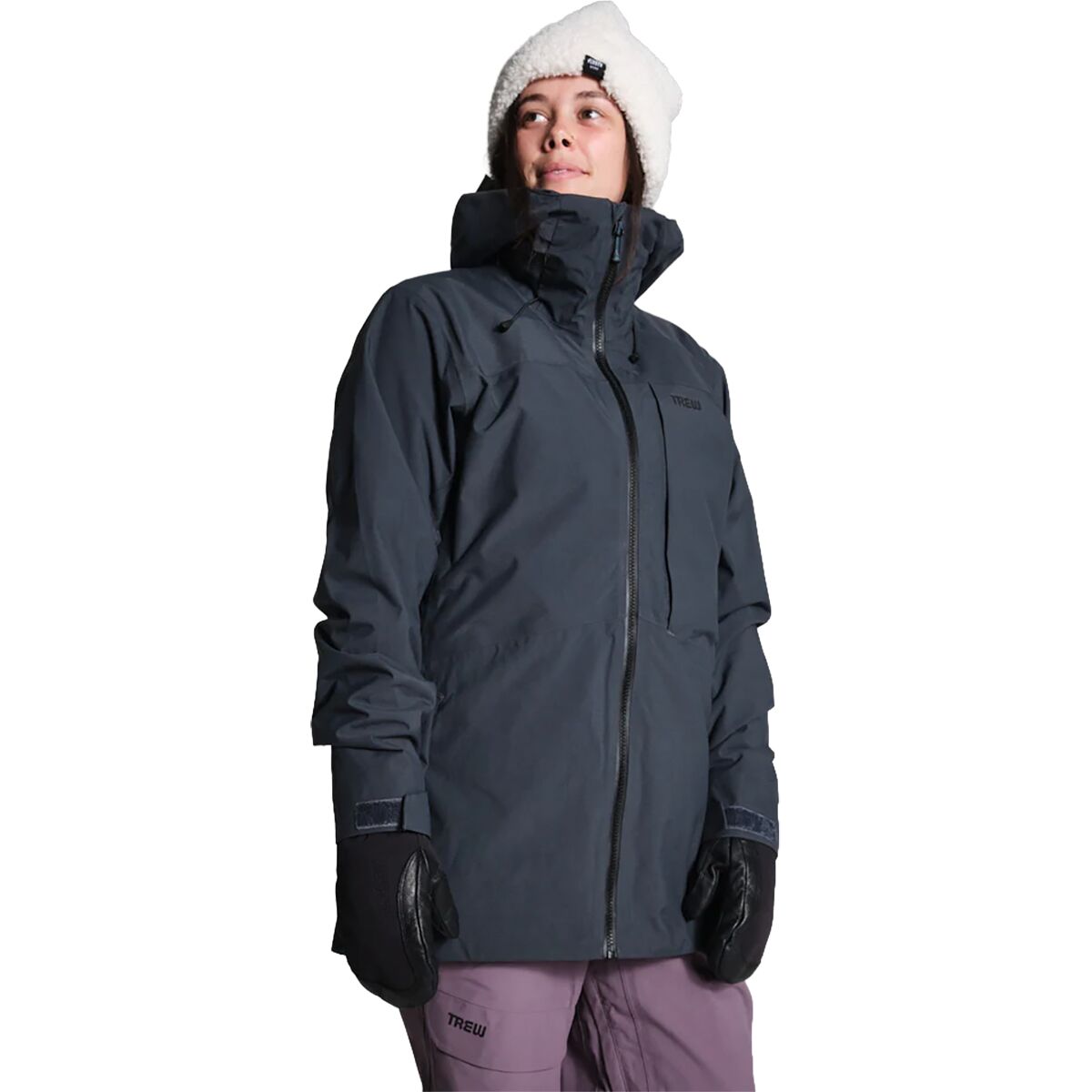
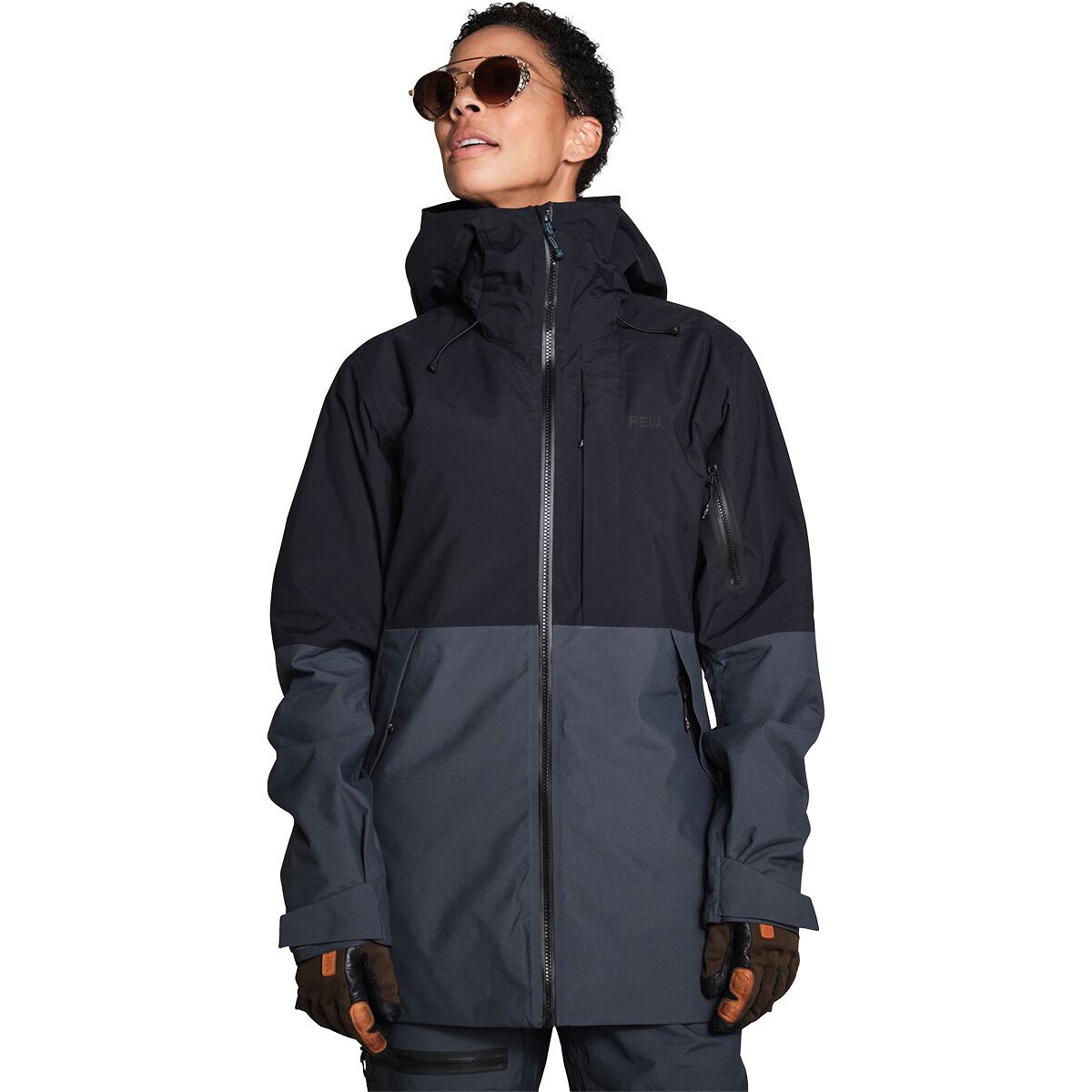
Stella Jacket - Women's
5 colors
Spend $800+ On Outerwear, Get $50 | Summit+

Trew Gear
Chariot Bib Pant - Women's
5 colors
Spend $800+ On Outerwear, Get $50 | Summit+

+2
Trew Gear
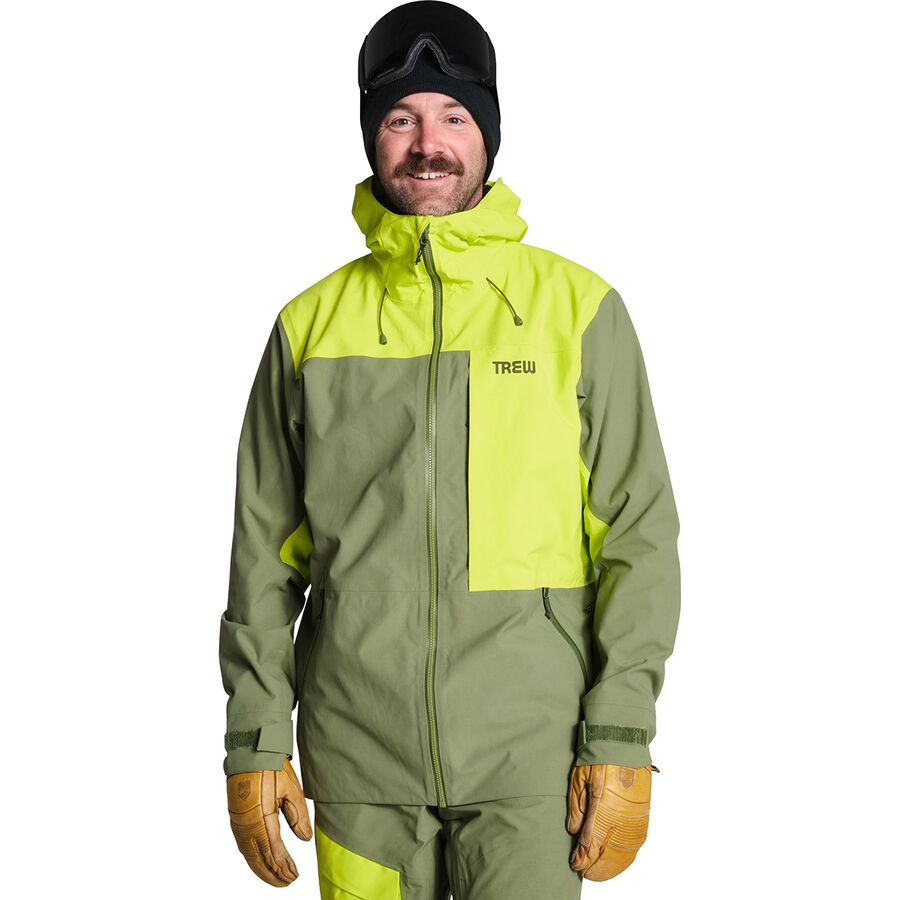
Cosmic Jacket - Men's
6 colors
Spend $800+ On Outerwear, Get $50 | Summit+

Trew Gear
Astoria Jacket - Women's
3 colors
Spend $800+ On Outerwear, Get $50 | Summit+
(1)

Trew Gear
TREWth Bib Pant - Men's
4 colors
Spend $800+ On Outerwear, Get $50 | Summit+

Trew Gear
Astoria Bib - Women's
5 colors
Extra 20% Off Clearance | Ends 11/9

Trew Gear
Chariot Primo Bib - Women's
3 colors
Extra 20% Off Clearance | Ends 11/9
(1)

Trew Gear
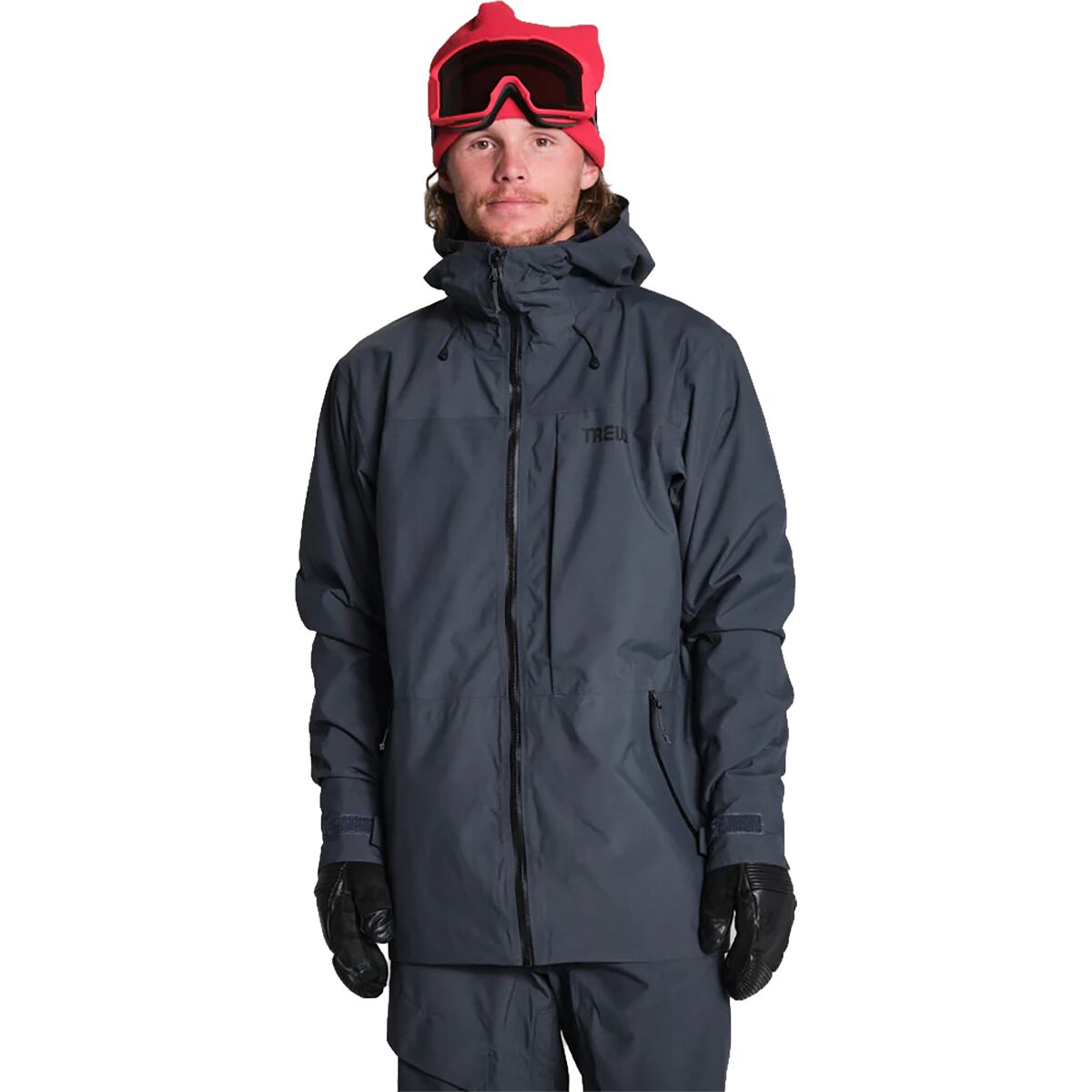
Popover Jacket
5 colors
Extra 20% Off Clearance | Ends 11/9
(2)

Trew Gear
Jefferson Bib - Men's
5 colors
Spend $800+ On Outerwear, Get $50 | Summit+
(1)

Trew Gear
Jefferson Jacket - Men's
3 colors
Spend $800+ On Outerwear, Get $50 | Summit+
(4)

Trew Gear
Eagle Pant - Men's
2 colors
Spend $800+ On Outerwear, Get $50 | Summit+

Trew Gear
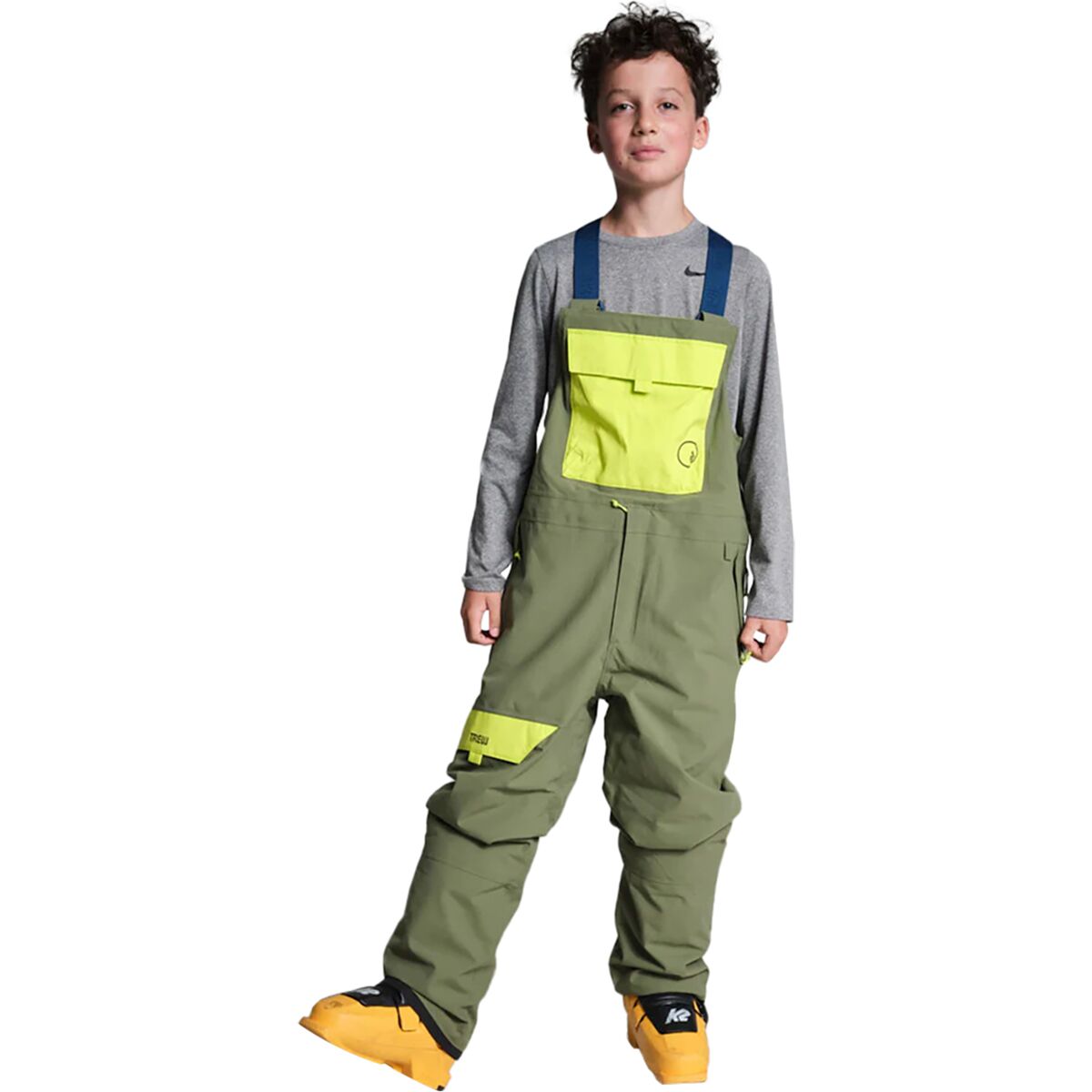
Mega Blast Bib - Kids'
2 colors
Spend $800+ On Outerwear, Get $50 | Summit+
(1)

Trew Gear
Cano Jacket - Kids'
2 colors
Spend $800+ On Outerwear, Get $50 | Summit+

Trew Gear
Cooper Pant - Men's
2 colors
Spend $800+ On Outerwear, Get $50 | Summit+
(1)

Trew Gear
Stella Primo Jacket - Women's
2 colors
Extra 20% Off Clearance | Ends 11/9

Trew Gear
Olallie Pant - Women's
2 colors
Spend $800+ On Outerwear, Get $50 | Summit+

Trew Gear
Tatoosh Bib - Men's
3 colors
Extra 20% Off Clearance | Ends 11/9
(1)

Trew Gear
Trillium Bib - Women's
2 colors
Extra 20% Off Clearance | Ends 11/9
(1)

Trew Gear
Trillium Jacket - Women's
1 color
Extra 10% Off Clearance | Ends 11/09
(1)

Trew Gear
McKenzie Pant - Women's
1 color
Extra 20% Off Clearance | Ends 11/9
(1)

Trew Gear
TREWth Primo Bib - Men's
1 color
Discount Applies In Cart | Ends 11/16
(1)

Trew Gear
Cosmic Primo Jacket - Men's
1 color
Discount Applies In Cart | Ends 11/16

Trew Gear
Capow Bib Pant - Men's
3 colors
Spend $800+ On Outerwear, Get $50 | Summit+
Related Categories




Frequently Asked Questions
What types of skiing are TREW Gear pieces designed for?
TREW Gear is tuned for high-output skiing—backcountry touring, sidecountry laps, heliskiing, hut trips and all-day resort runs—where breathability, mobility, and layering matter. Their shells and bibs are made to handle deep snow and repeated lap-stacking with features like roomy cuts, durable panels, and large vents for heat dump.How should I size TREW jackets and bibs like the Cosmic Primo or TREWTh bibs?
TREW tends toward a loose, layering-friendly fit; many riders prefer their normal size for comfort but size down on models like the Cosmic Primo if you want a trimmer cut. The touring line has been redesigned for a stretchier, closer fit, so check each model’s size chart and consider how many insulating layers you’ll wear.How does the Cosmic Primo compare to the Pow Funk and the Bellows bib?
The Cosmic Primo is a burly, rugged 3-layer shell built for durability and protection on aggressive days, while the Pow Funk leans more toward a progressive, style-forward shell with the same backcountry focus. The Bellows bib emphasizes high-capacity, accessible storage for heli swaps and long outings, whereas the Capow/TREWTh-style bibs prioritize weather protection and touring-friendly features like side zips.Are TREW shells waterproof and breathable enough for steep and high-output touring?
Yes, most TREW shells use seam-sealed 3-layer waterproof/breathable fabrics and durable scuff-guard panels for protection in deep snow and crashes. They pair those fabrics with large pit zips (notably 16-inch underarm vents on some models) and lightweight touring cuts to dump heat during steep skinning or fast laps.What midlayers and layering system work best under TREW hardshells for variable conditions?
TREW is designed around a layering approach—use a breathable next-to-skin base layer, a ventilated midlayer like a Gore-Tex Power Dry grid fleece for moisture management, and a 3-layer hardshell on top for weather protection. For high-output days choose lighter, stretchy midlayers to allow ventilation through pit zips and side zips on bibs; for cold hut trips add a warmer synthetic or down midlayer that still compresses under the shell.