


Up To 70% Off Black Friday Sale
More brands added | Shop now
20% Off Full-Price Items
Shop now
Camp & Travel Up To 70% Off
Daily deal! Shop now
Thule Tents & Shelters
12 results

Thule
Anti Condensation Mat
1 color
Current price: $134.96 - $149.96 Original price: $199.95
25% off
Black Friday Sale | Limited Time Only

Thule
Thule Levels
1 color
$49.95
(9)

Thule
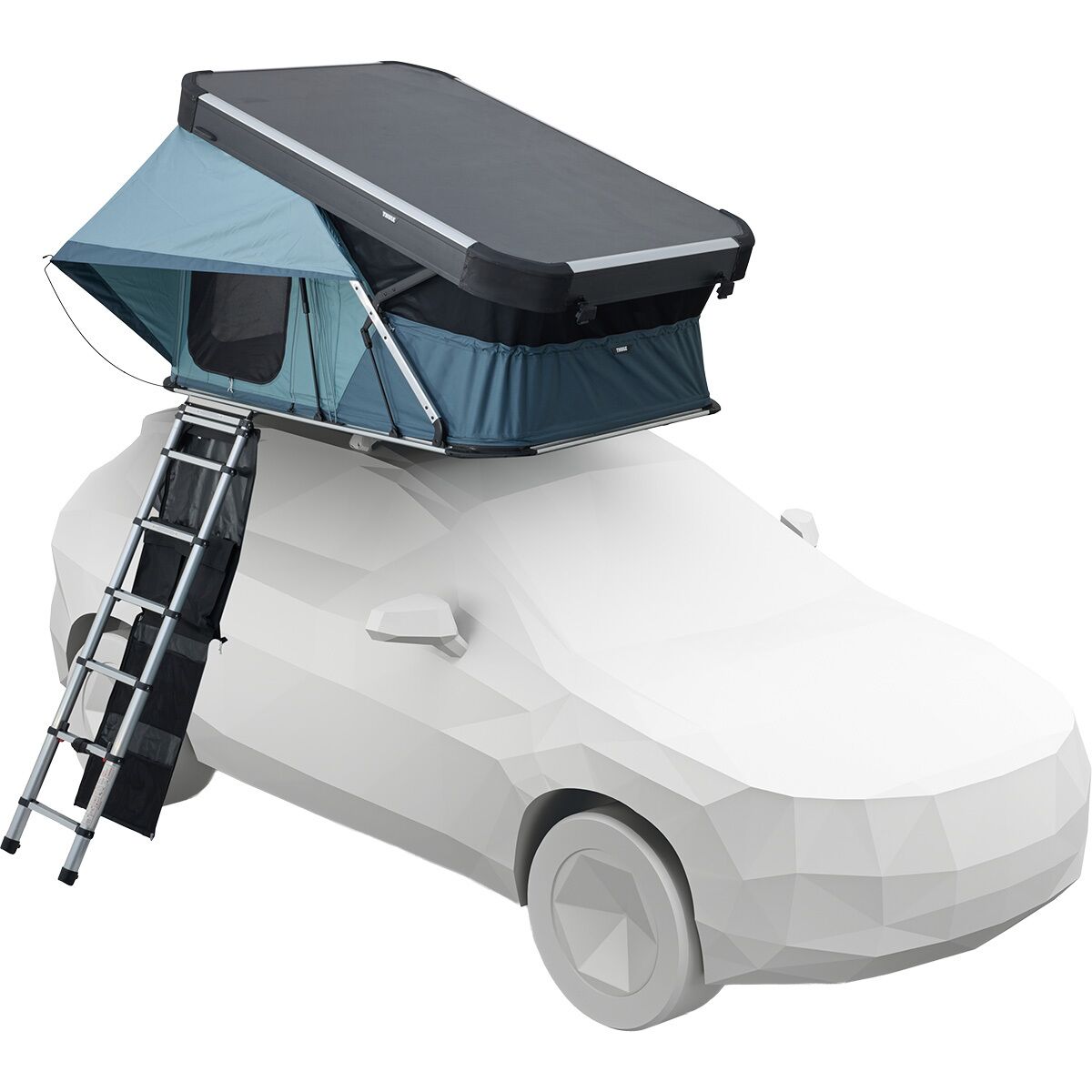
Widesky Tent
1 color
Current price: $3,198.95 Original price: $3,999.95
20% off
10% Cashback Eligible
(1)

Thule
Widesky Rainfly
1 color
Current price: $94.95 Original price: $119.95
21% off
Black Friday Sale | Limited Time Only

Thule
Kukenam Tent
1 color
Current price: $1,918.95 Original price: $2,399.95
20% off
10% Cashback Eligible
(3)

Thule
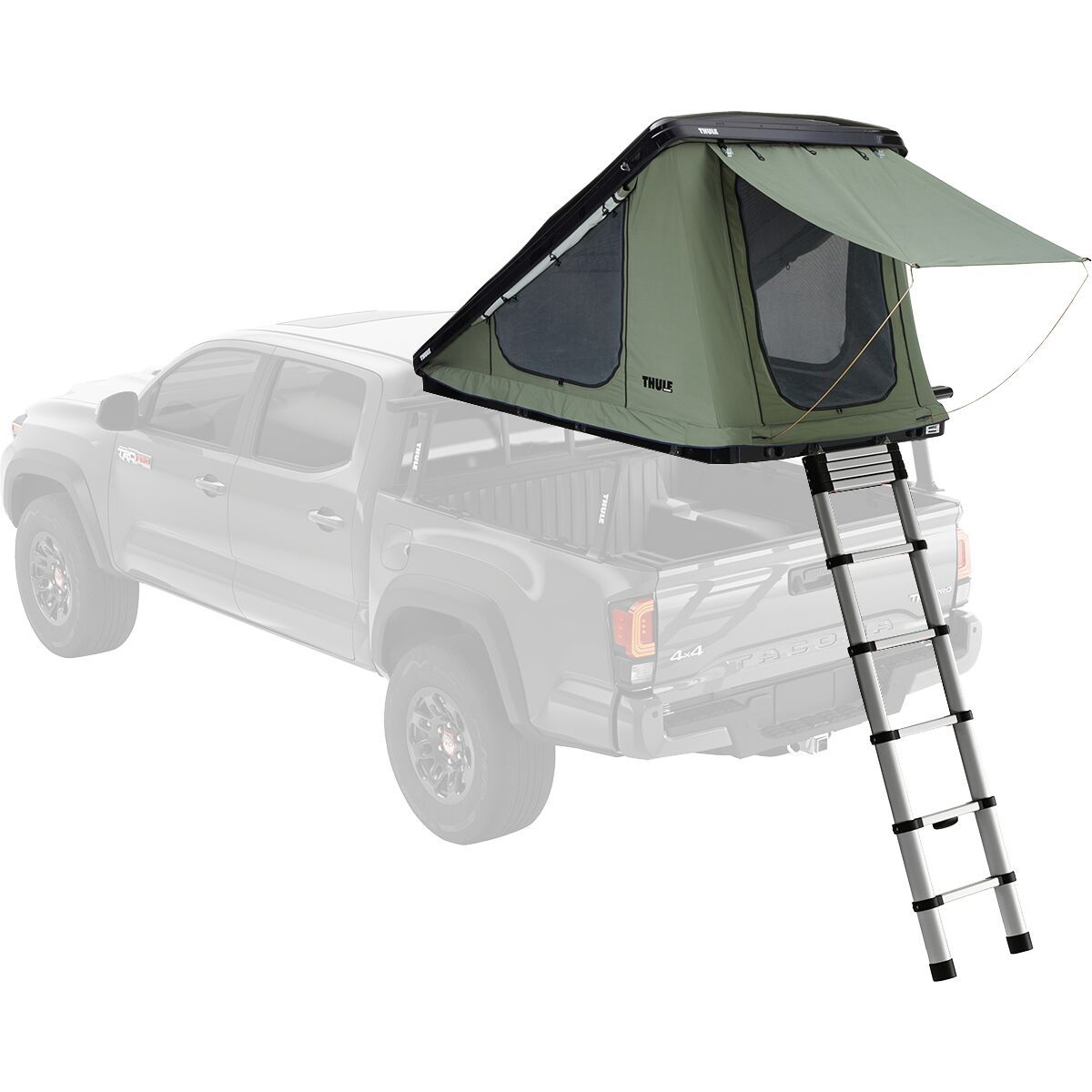
Approach 2 Tent
2 colors
Current price: $1,998.95 - $2,878.95 Original price: $3,599.95
20% off
10% Cashback Eligible
(1)

Thule
Approach Annex
1 color
$599.95 - $699.95
10% Cashback Eligible
(1)

Thule
Large Approach Awning
1 color
$369.95
(1)

Thule
Small/Medium Approach Awning
1 color
$349.95

Thule
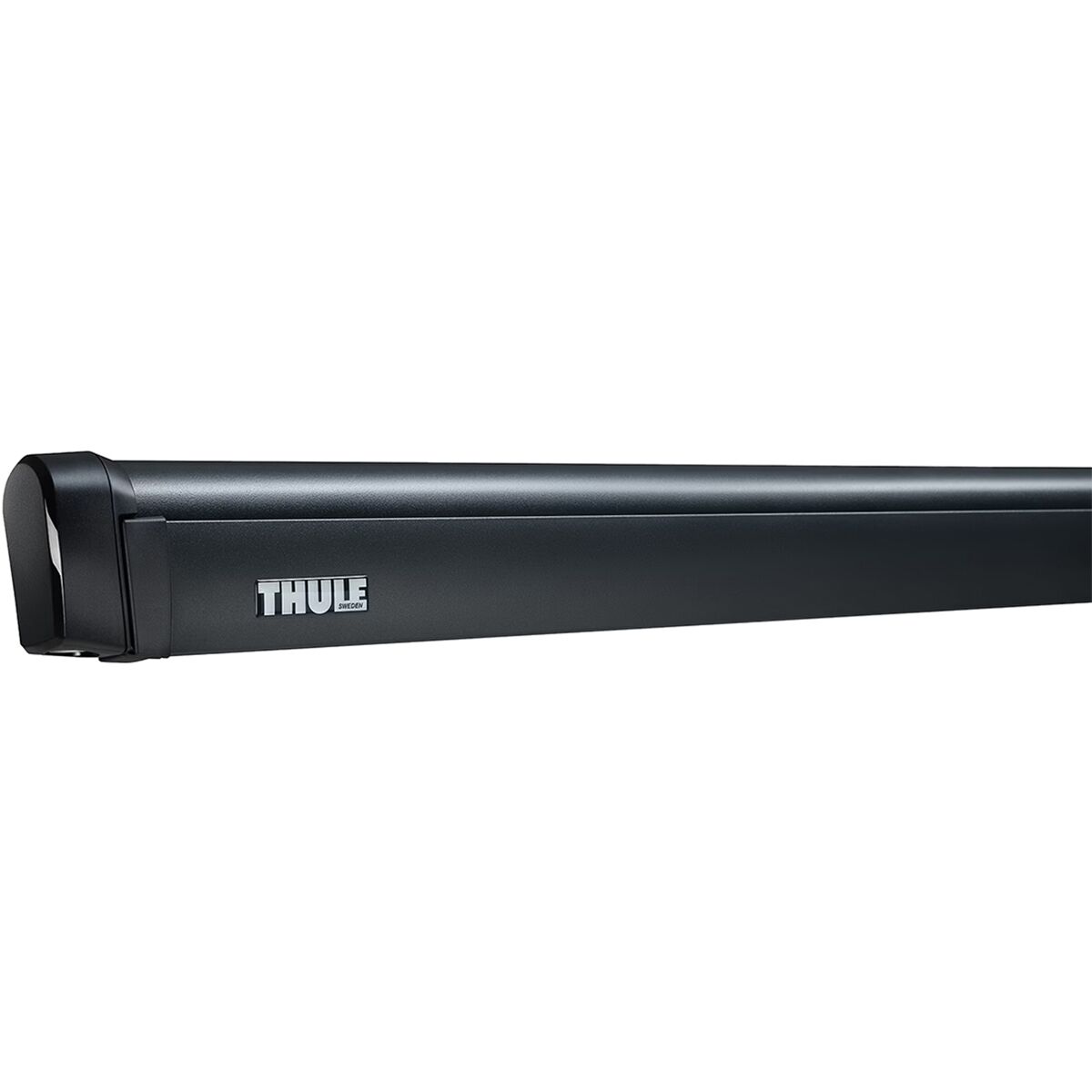
Roof Mount HideAway Awning
1 color
$1,449.95 - $1,549.95
15% Cash Back For Summit+ | Ends 12/3
(12)

Thule
x Tepui Low-Pro 3
1 color
$1,999.95
10% Cashback Eligible

Thule
Outland Awning
1 color
$899.95 - $999.95
15% Cash Back For Summit+ | Ends 12/3
(1)
Related Categories
Frequently Asked Questions
What are the practical differences between Thule softshell rooftop tents (like the Approach M or Tepui Foothills) and hardshell models (like the Widesky)?
Softshell tents such as the Thule Approach M and Tepui Foothills offer larger interior volume, more window ventilation, and typically fold out for greater living space, making them well suited to family or longer-stay car camping. Hardshell models like the Thule Widesky close into a rigid, low-profile shell for faster deployment, better aerodynamics while driving, and slightly quicker setup/breakdown for frequent stopovers. Choose softshells for room and airflow, hardshells for speed, road noise reduction, and a sleeker driving profile.What mounting and vehicle-compatibility requirements do Thule rooftop tents and the Thule Outset hitch shelter have?
Rooftop tents require a roof rack with crossbars and a model-specific minimum bar spread and weight capacity, while the Thule Outset mounts to a standard 2-inch hitch receiver—check your vehicle’s roof and hitch payload limits before choosing. Many Thule models list static loads up to about 660 lb, but you should verify crossbar rating and Thule’s fit guide for exact bar spread and bracket compatibility. Proper load distribution, secure mounting hardware, and confirming your vehicle’s limits ensure safe, long-term use.How do Thule tents perform in bad weather and at preventing condensation?
Thule rooftop tents use durable fabrics (commonly 600D polyester ripstop) and premium waterproof covers with multi-mode rain protection to shed heavy rain while preserving views; seams and zippers are designed for weather resistance. Large mesh windows and skylights plus anti-condensation liners or mats help ventilate interior air and reduce moisture buildup, and many models are marketed for all-season use with reinforced poles or rigid shells. For heavy or prolonged storms, use sewn-in awnings/annexes and ensure vents remain partly open to manage humidity.How does the hitch-mounted Thule Outset compare to the rooftop Thule Approach M for family or overland use?
The Thule Outset is a hitch-mounted 3-person shelter designed for low, easy entry—helpful for kids, seniors, or pets—and offers generous peak headroom (about 44.5 in) with a 3-person capacity and a sleeping footprint around 88.6 x 52.8 in. The Thule Approach M is a rooftop softshell that also fits 2–3 people, provides a slightly larger sleeping footprint (about 95 x 51 in) and elevated sleeping off the ground, and weighs less than some hitch units, depending on configuration. Choose Outset when accessibility and ground-level entry matter; choose Approach M when elevation, a rooftop profile and slightly larger internal floor area are priorities.What mattress, storage, and accessory features should I prioritize when buying a Thule rooftop tent?
Look for dual-density foam mattresses (supportive base with a softer comfort layer, typically with removable/washable covers) and the option to add toppers or anti-condensation mats for comfort and moisture control. Prioritize internal organization—mesh pockets, gear loops, and multiple doors/windows for ventilation—and confirm annex, awning, or ladder compatibility if you need extra living space or shade. Finally, match tent footprint and peak height to your group size and roof/hitch capacity so the mattress and accessories fit your planned use.