


Up To 70% Off Black Friday Sale
More brands added | Shop now
20% Off Full-Price Items
Shop now
Camp & Travel Up To 70% Off
Daily deal! Shop now
Thule Rooftop Tents
9 results

Thule
Anti Condensation Mat
1 color
Current price: $134.96 - $149.96 Original price: $199.95
25% off
Black Friday Sale | Limited Time Only

Thule
Widesky Tent
1 color
Current price: $3,198.95 Original price: $3,999.95
20% off
10% Cashback Eligible
(1)

Thule
Widesky Rainfly
1 color
Current price: $94.95 Original price: $119.95
21% off
Black Friday Sale | Limited Time Only

Thule
Kukenam Tent
1 color
Current price: $1,918.95 Original price: $2,399.95
20% off
10% Cashback Eligible
(3)

Thule
Approach 2 Tent
2 colors
Current price: $1,998.95 - $2,878.95 Original price: $3,599.95
20% off
10% Cashback Eligible
(1)

Thule
Approach Annex
1 color
$599.95 - $699.95
10% Cashback Eligible
(1)

Thule
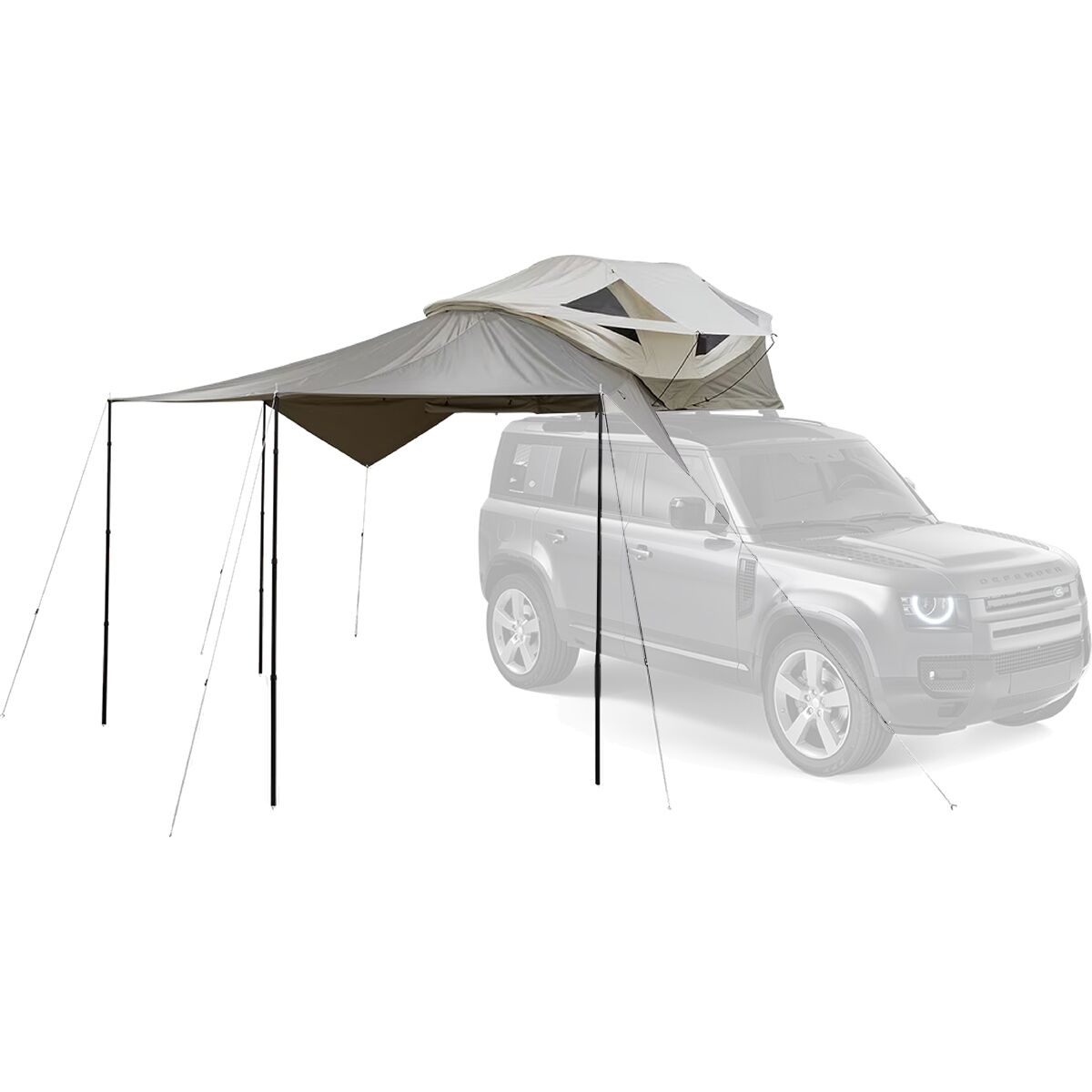
Large Approach Awning
1 color
$369.95
(1)

Thule
Small/Medium Approach Awning
1 color
$349.95

Thule
x Tepui Low-Pro 3
1 color
$1,999.95
10% Cashback Eligible
Related Categories
Frequently Asked Questions
How do the Thule Approach M and the Thule Tepui Foothill differ?
The Approach M is a soft‑shell, cavernous model with closed dimensions of 49" × 56" × 11", open dimensions of 95" × 56" × 40", a 2–3 person sleeping capacity, and a listed weight of about 128 lbs with a 660 lb weight capacity. The Tepui Foothill is a compact design with a narrow 24" closed width (83" × 24" × 9.5") that opens to 83" × 47" × 40", supports two adults, and weighs roughly 110 lbs with a 400 lb capacity — its narrow profile is helpful under low‑clearance obstacles like garages. Choose the Approach M for interior space and comfort, or the Foothill when low clearance, lower roof footprint, and lighter weight are priorities.What should I consider when choosing between Thule's soft‑shell Approach models and a more traditional hard‑shell rooftop tent?
Soft‑shell Approach models expand to maximize interior space while keeping a smaller travel profile and lower weight, making them efficient for long drives and better aerodynamics. Hard‑shell designs tend to be stiffer and often quicker to deploy in some setups but can be heavier and bulkier on the roof; Thule’s Approach line emphasizes fast deployment and roomy interiors despite being soft‑shell. Factor in vehicle roof load, storage space, and how often you’ll set up camp versus drive long distances.What roof rack spread and vehicle load ratings do I need to install a Thule rooftop tent?
The Approach M specifies a minimum roof rack spread of 31 inches and weighs about 128 lbs (the Tepui Foothill lists about 110 lbs but does not specify spread), so you must confirm your crossbar spacing and weight capacity before buying. Compare the tent weight plus occupants to your vehicle’s dynamic and static roof load limits and the rated capacity of your roof rack hardware; consult your vehicle manual and rack manufacturer for exact limits. If your vehicle or rack can’t meet the listed spread or load, consider lighter models or upgrading mounting hardware.How well do Thule rooftop tents handle weather, ventilation, and condensation?
Thule uses 600D water‑resistant polyester canopies and thermoplastic‑coated nylon rainfly materials for waterproof and UV resistance, and many models include a removable rain cover with three modes for variable protection. Large panoramic windows with mosquito netting and dual skylights provide ventilation and airflow, and accessories like anti‑condensation mats and annex walls help manage moisture and comfort in different climates. Zippers, oversized windows, and quality seams are designed to stay functional in wet or windy conditions, but good campsite placement and ventilation practices still help reduce condensation.How fast are Thule rooftop tents to set up and what comfort accessories are available?
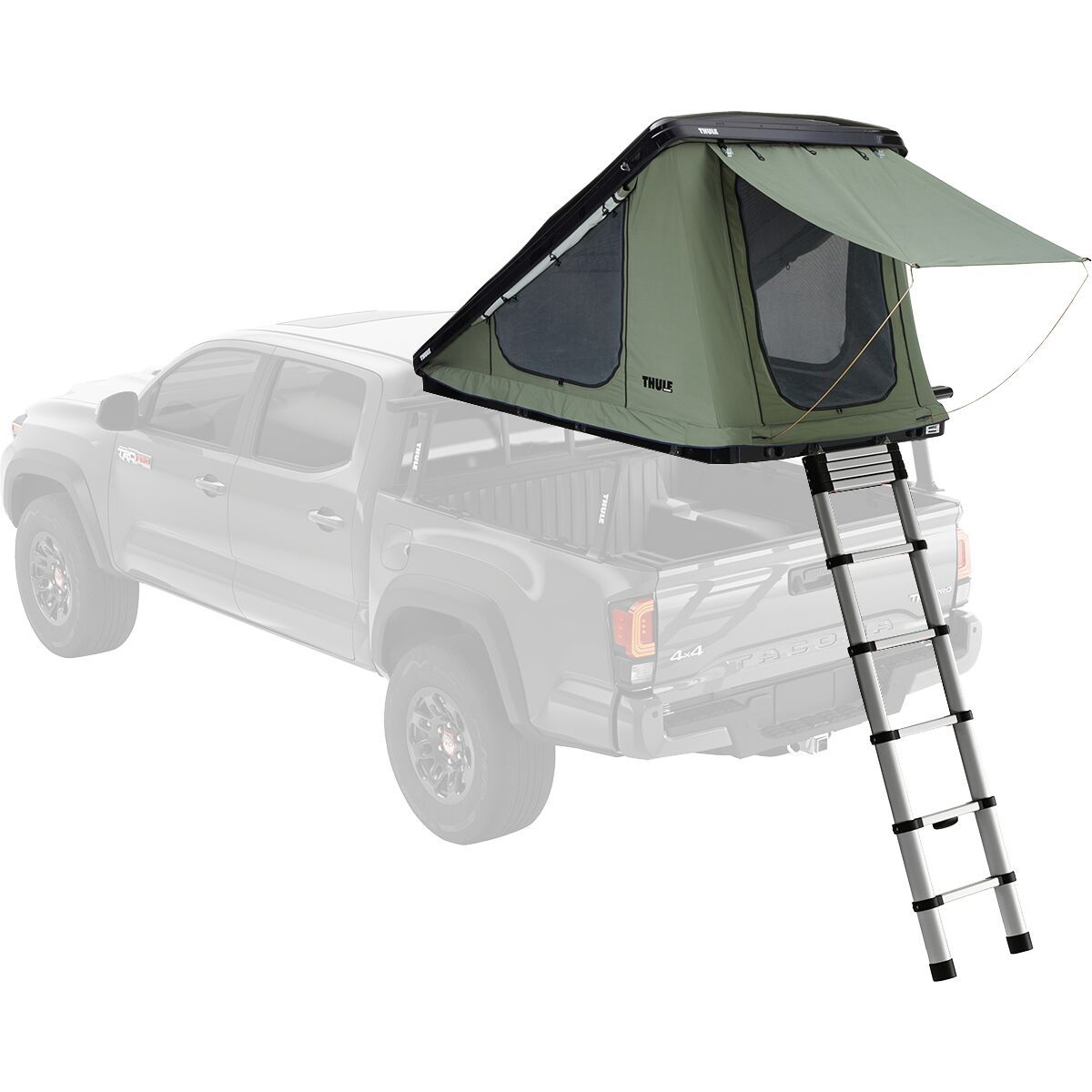
Most Thule rooftop tents deploy and break down in under three minutes and are designed for single‑person operation; the Foothill uses internal telescoping frame poles and several models include pre‑installed mounting rails and lockable mounting brackets for quicker installation. Thule tents come with features like dual‑density foam mattresses (the Approach M uses 6 cm on the floor and a premium dual‑layer mattress), mesh pockets, hanging loops, an aluminum telescoping ladder, and compatibility with awnings, annex walls, mattress toppers, and organizers to customize comfort. The included pre‑set torque ratchet and sturdy zippers simplify setup and long‑term use.