


Up To 20% Off Full-Price Items
Shop now
EXTRA 20% Off Clearance
Shop now | Ends 11/9
Get An EXTRA $50 Cash Back*
Summit+ exclusive
Thule Overlanding
82 results

Thule
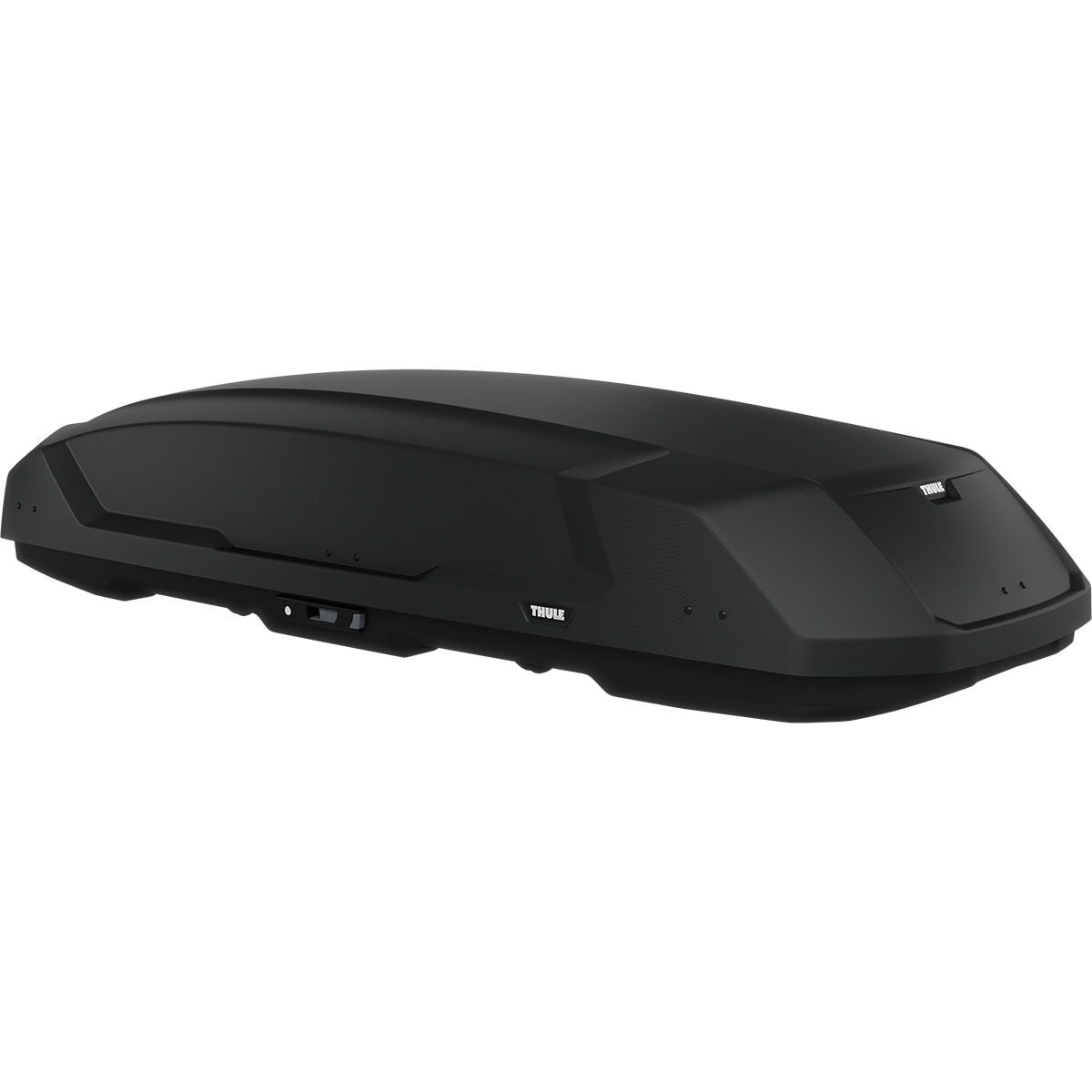
Motion 3 Cargo Box
2 colors
10% Cashback Eligible
(71)

Thule
HideAway Awning Rack Mount
1 color
10% Cashback Eligible
(7)


Thule
Force 3 Cargo Box
1 color
10% Cashback Eligible
(51)

Thule
Canyon XT Cargo Basket
1 color
10% Cashback Eligible
(47)

Thule
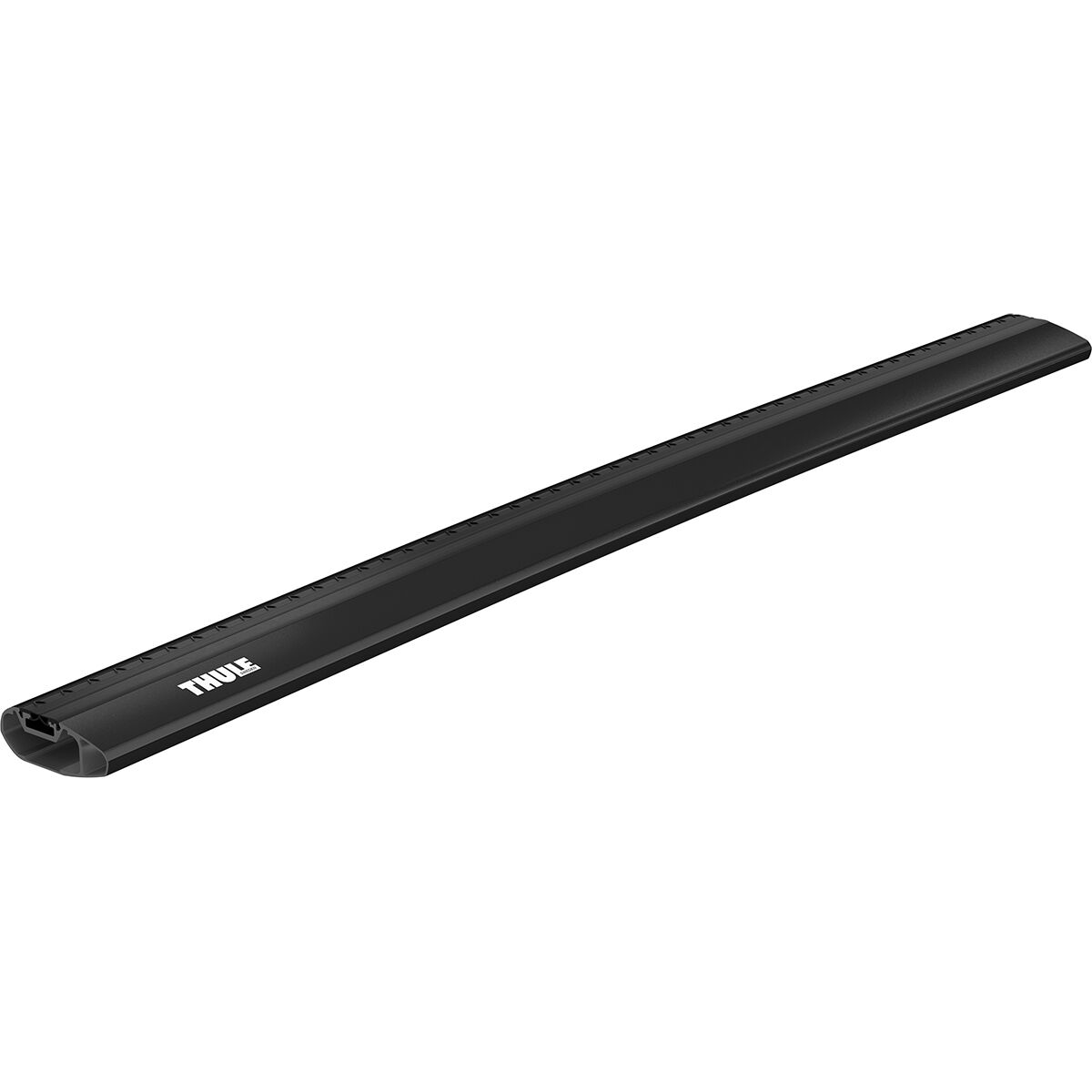
WingBar Evo Load Bar - 2 Bars
3 colors
(434)

Thule
Rapid Gutter Foot Pack - 2 Pair
1 color
(6)

Thule
One Key System
1 color
(52)

Thule
JawGrip
1 color
(2)

Thule
Anti Condensation Mat
1 color

Thule
Cradle Ratchet Strap Kit - 6-Pack
1 color
(56)

Thule
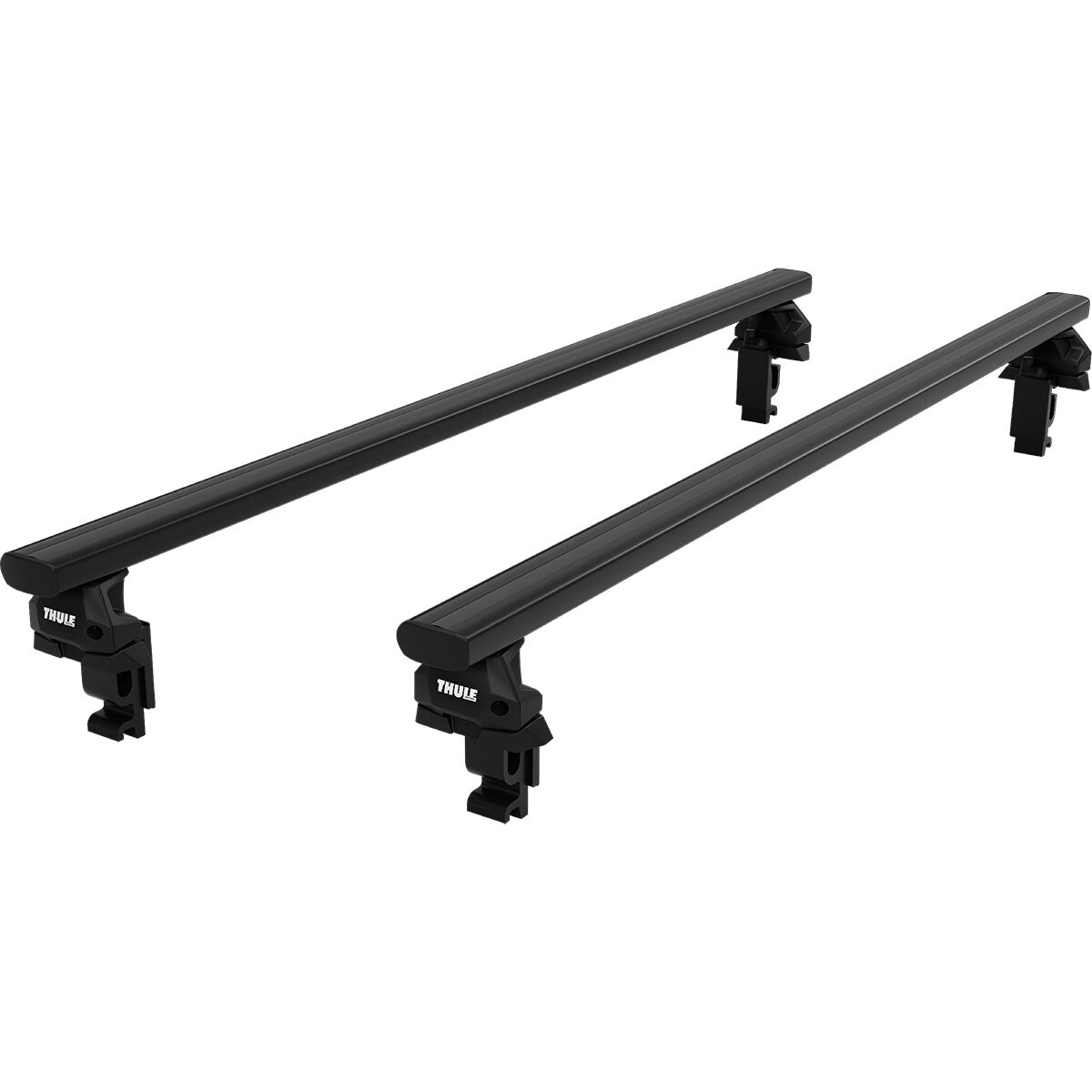
SquareBar Load Bar - 2 Bars
1 color
(74)

Thule
EVO Fit Kit- 2 Pair
1 color
(31)

Thule
T-Track Cargo Boxe Adapter Kit
1 color
(5)

Thule
WingBar Edge 86cm Roof Bar - 1-Pack
1 color

Thule
Accessory Strap Kit - 4-Pack
1 color
(27)

Thule
Snug Tite Lock
1 color
(33)

Thule
Thru-Axle Adapter
1 color
(5)

Thule
Bike Protector
1 color

Thule
Vero Bike Repair Holder
1 color

Thule
Integrated Bike Lock
1 color

Thule
Epos 3-Bike Hitch Rack + Lights
1 color
10% Cashback Eligible
(1)

Thule
Widesky Tent
1 color
10% Cashback Eligible
(1)

Thule
Widesky Rainfly
1 color

Thule
Pulse 2
1 color
10% Cashback Eligible
(3)

Thule
Kukenam Tent
1 color
10% Cashback Eligible
(3)

Thule
Approach 2 Tent
2 colors
10% Cashback Eligible
(1)

Thule
Approach 2 Awning Walls
1 color
10% Cashback Eligible

Thule
Approach 2 Awning
1 color
10% Cashback Eligible
(1)

Thule
Approach Annex
1 color
10% Cashback Eligible
(1)

Thule
Revert Integrated Bike Lock
1 color

Thule
Revert Fatbike Wheel Basket
1 color

Thule
Revert 20/24in Wheel Adapter
1 color
(12)

Thule
Epos Bike Repair Stand
1 color

Thule
Verse Transport Wheels
1 color

Thule
Verse Light & Plate Kit
1 color
(1)

Thule
Light Extention Cable
1 color

Thule
Foldable Loading Ramp Black
1 color
(4)

Thule
Epos Light & Plate Kit
1 color
(1)

Thule
Epos High Grade ABUS Lock
1 color
(4)

Thule
Epos 3 Storage Bag
1 color

Thule
Epos 2 Storage Bag
1 color

Thule
HideAway Awning Wall Mount
1 color
10% Cashback Eligible
(7)
Related Categories




Frequently Asked Questions
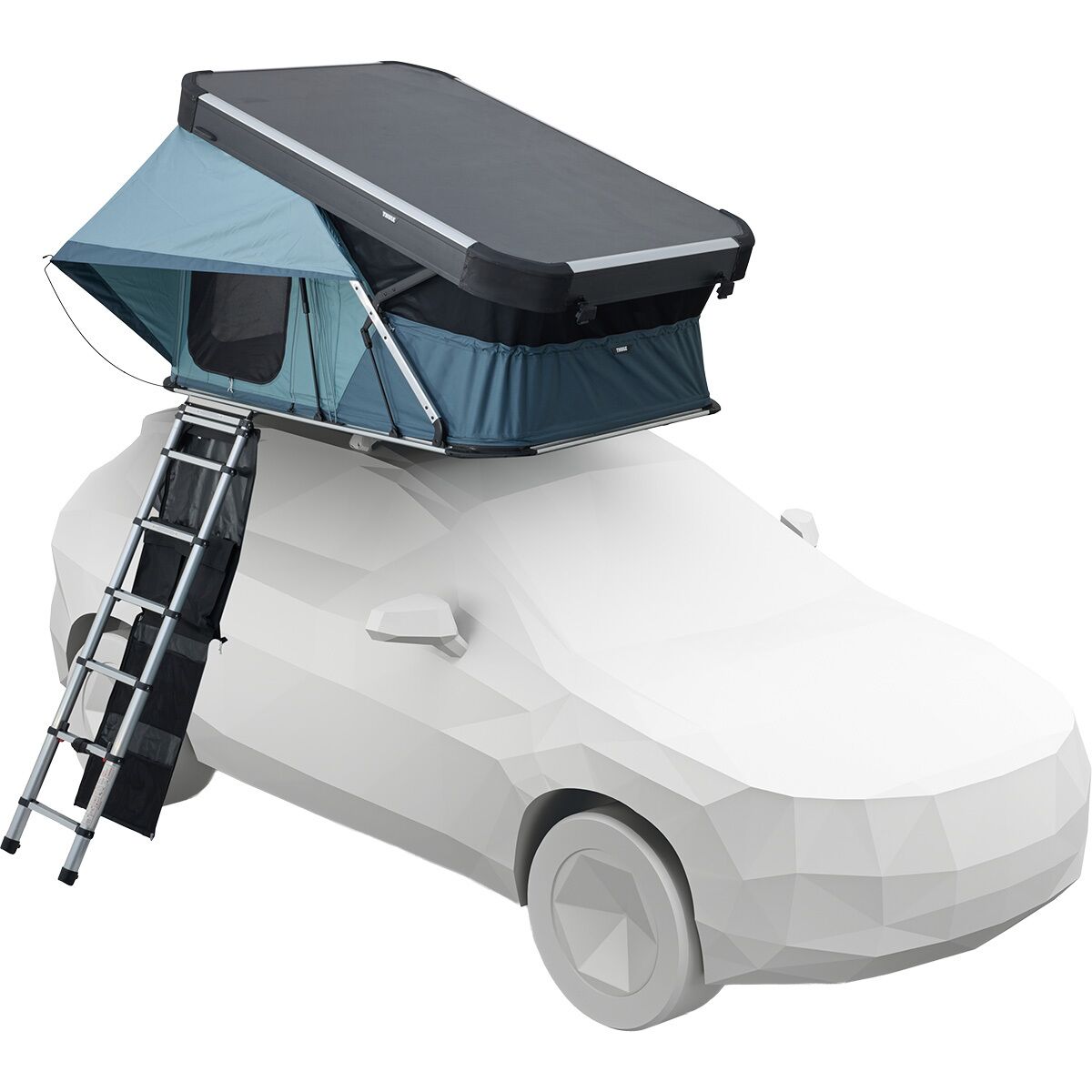
Should I choose a rooftop tent (RTT) like the Thule Approach or a hitch‑mounted tent like the Thule Outset for overlanding?
Choose a rooftop tent when you want elevated sleeping, more interior living space (annex compatibility on models like the Approach), and quick rooftop access; RTTs like the Approach series also pair well with roof racks for longer trips and multi‑person setups. Choose the hitch‑mounted Thule Outset if you prefer lower center of gravity, no roof climbing, quicker ground‑level entry, and a compact install that works well on compact SUVs and crossovers. Consider vehicle roof load ratings, towing capacity, and how often you’ll be setting up camp on windy or rugged terrain.What roof rack and vehicle specs do I need to install a Thule rooftop tent such as the Approach M?
Most Thule RTTs require a sturdy roof rack with sufficient crossbar spread and load ratings — for example, the Approach M needs about a 31‑inch minimum crossbar spread and fits aero, factory, round, or square bars when rated for dynamic and static loads. Check your vehicle’s roof payload, sunroof clearance, and crossbar dynamic rating (crossbars commonly rated around 220 lbs dynamic) versus the tent’s weight (~95–128 lbs) and static capacity requirements. If you’re mounting to a truck bed, Thule TracOne bed racks provide a no‑drill solution with ~30" height and high static capacity (up to ~800 lbs).How does the Thule Approach compare to the Explorer Ayer 2 for two‑person overlanding trips?
The Thule Explorer Ayer 2 is one of the lighter RTT options (~95 lbs) and is optimized for lower weight and easier fuel economy, making it a good choice for solo or two‑person minimalist setups. The Approach line (including M, 2M, 2L, 2L variants) prioritizes interior space, annex compatibility, and higher static capacities (~128 lbs and up to 600 lbs static floor rating on some models), so it’s better for couples who want more living area or plan to add annexes and gear. Choose the Explorer Ayer 2 for weight savings and simplicity, and the Approach models for space and modularity.What materials and construction features give Thule RTTs weather resistance and durability?
Thule uses heavy‑duty fabrics like 600D polyester ripstop, thermoplastic‑coated nylon rainflies, and rubber‑coated Cordura covers for abrasion and waterproofing, plus reinforced stitching and robust locking frames to withstand wind and repeated use. Mattresses are dual‑density, 2.5‑inch high‑density foam for comfort, and vents/anti‑condensation mats plus large screened windows help manage moisture and airflow in wet or cold conditions. Hard shell and soft shell options include aerodynamic shells or low‑profile designs to reduce drag and noise when driving.How should I size and plan storage and load for an overlanding setup with Thule roof boxes, crossbars, and bed racks?
Match cargo box volume (Thule boxes commonly 16–22 cu ft; empty weights around 41 lbs) and roof rack dynamic capacity to your vehicle’s roof load and the intended cargo: a typical roof box supports up to ~165 lbs but must be within the crossbar and vehicle dynamic limits. Use Winbar EVO crossbars or equivalent rated bars for rooftop tents and boxes, and TracOne bed racks for heavier static loads and rooftop‑style mounts in truck beds; always factor in tent weight (~95–128 lbs), gear weight, and crossbar spread. Plan for annexes or awnings by adding a bit of extra storage and confirming static/dynamic ratings to avoid overloading during travel.