


Up To 20% Off Full-Price Items
Shop now
EXTRA 20% Off Clearance
Shop now | Ends 11/9
Get An EXTRA $50 Cash Back*
Summit+ exclusive
Smith Fly Fishing Essentials
21 results


Smith
Embark ChromaPop Polarized Sunglasses
4 colors
$135.00 - $257.00
Up to 40% off
Winter Sale
(157)


+9
Smith
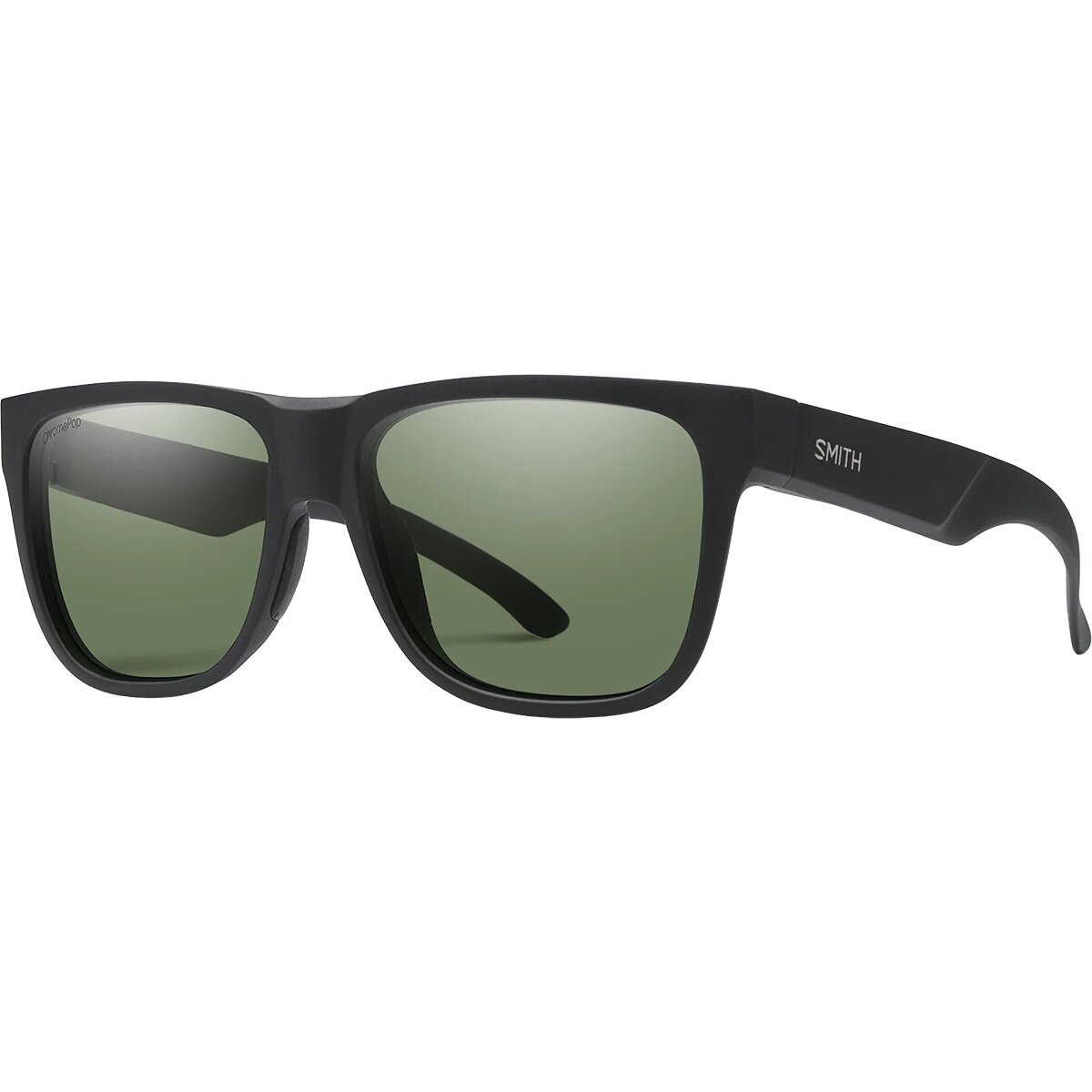
Lowdown 2 ChromaPop Polarized Sunglasses
13 colors
$187.00 - $277.00
(469)

+5
Smith
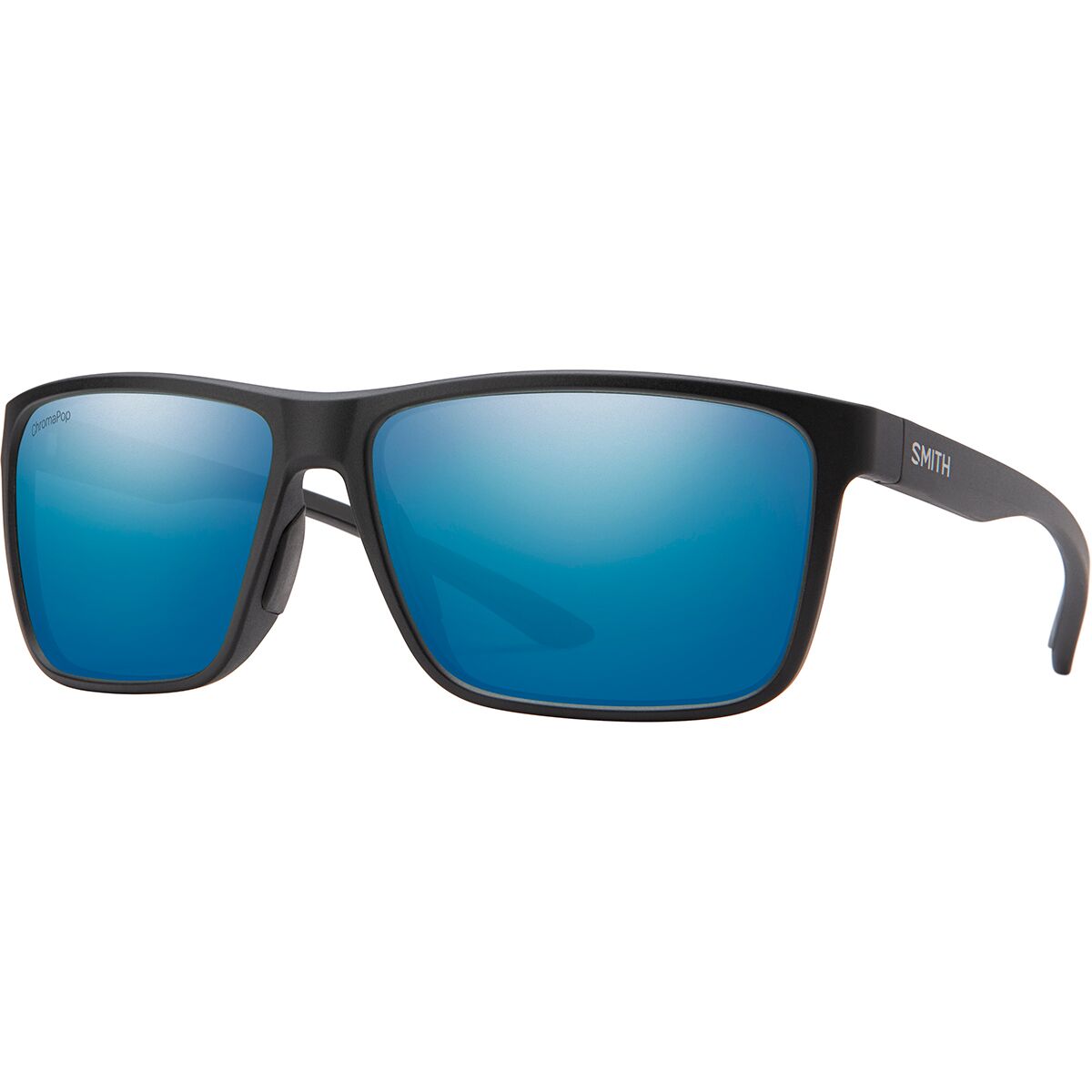
Riptide ChromaPop Polarized Sunglasses
9 colors
$217.00 - $277.00
(209)

+8
Smith
Guide's Choice Sunglasses
12 colors
$207.00 - $327.00
(1361)

Smith
Shoal ChromaPop Polarized Sunglasses
5 colors
$117.00 - $277.00
Up to 40% off
Extra 20% Off Clearance | Ends 11/9
(6)

Smith
Barra ChromaPop Polarized Sunglasses
4 colors
$217.00 - $277.00
(233)

+7
Smith
Guide's Choice XL ChromaPop Polarized Sunglasses
11 colors
$237.00 - $327.00
(219)

Smith
Rockaway ChromaPop Polarized Sunglasses
4 colors
Current price: $125.40 - $161.40 Original price: $269.00
40% off
Extra 20% Off Clearance | Ends 11/9
(55)

Smith
Lowdown Slim2 ChromaPop Polarized Sunglasses
3 colors
$217.00
(386)

Smith
Guide's Choice ChromaPop Polarized Sunglasses - Men's
3 colors
$237.00 - $297.00
(39)

Smith
Redding 2 ChromaPop Polarchromic Sunglasses
3 colors
$327.00
(17)

Smith
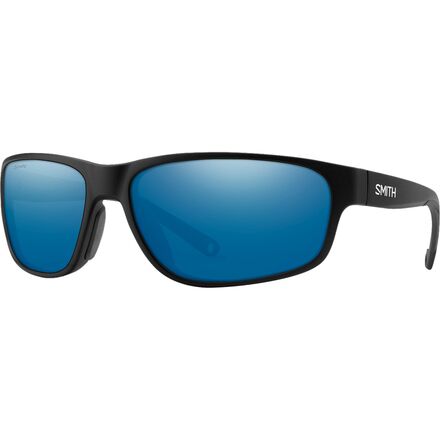
Backcast ChromaPop Polarchromic Sunglasses
2 colors
$307.00
(13)
+4
Smith
Redding 2 ChromaPop Polarized Sunglasses
8 colors
$237.00 - $297.00
(17)

+3
Smith
Lineup ChromaPop Polarized Sunglasses
7 colors
$130.20 - $217.00
Up to 40% off
Winter Sale
(6)

+5
Smith
Guides Choice S ChromaPop Polarized Sunglasses
9 colors
$178.20 - $327.00
Up to 40% off
Winter Sale
(12)

+3
Smith
Outrigger ChromaPop Polarized Sunglasses
7 colors
$217.00 - $277.00
(1)

Smith
Hookset ChromaPop Polarized Sunglasses
2 colors
$297.00
(7)

Smith
Guide's Choice XL ChromaPop Polarchromic Sunglasses
1 color
$327.00
(16)

Smith
Backcast ChromaPop Polarized Sunglasses
3 colors
$217.00 - $277.00
(13)

Smith
Hookset ChromaPop Sunglasses
5 colors
$297.00 - $327.00
(9)

Smith
Arvo Polarized Sunglasses
5 colors
$217.00 - $277.00
(10)
Related Categories
Frequently Asked Questions
How do Smith polarized lenses help me spot fish while fly fishing?
Smith’s polarized lenses cut surface glare so you can see below the waterline, while ChromaPop™ polarization boosts contrast and color differentiation to make fish, rocks, and structure easier to pick out. Mirrored and low-VLT tints further reduce eye strain on bright flats, and anti-fog or hydrophobic coatings help maintain clarity in humid or wet conditions.Which lens type should I choose for changing light on a multi-hour day on the water?
Choose photochromic ChromaPop lenses if you need one pair that auto-tints from low to bright light; they adapt throughout the day. For consistently bright conditions pick a mirrored or darker polarized lens, and for dawn/dusk or overcast days select higher-transmission amber or rose tints or an interchangeable-lens model so you can swap to a low-light lens.How should Smith fly-fishing sunglasses fit for comfortable casting and wading?
Look for frames with adjustable nose and temple pads and lightweight construction so the glasses stay put during casts and when wading; many Smith fly-fishing styles feature grippy rubberized pads designed for wet conditions. Check frame widths (about 130–140 mm) and lens heights (40–50 mm) for adequate coverage and peripheral vision—larger lenses help with side-to-side sightlines while stalking fish.How durable and water-ready are Smith frames and coatings on fly-fishing models?
Smith builds many fly-fishing styles with impact-resistant polycarbonate or glass polarized lenses and hydrophobic treatments that shed water and oil; hypoallergenic, grippy frame coatings resist slippage when wet. Anti-fog coatings are available on select models and rinsing with fresh water plus drying with a microfiber cloth will extend lens and frame life without harming coatings.How does ChromaPop polarized compare to ChromaPop photochromic lenses for fly fishing?
ChromaPop polarized lenses provide a fixed, high-contrast tint that excels in consistently bright conditions and maximizes color separation, whereas ChromaPop photochromic lenses combine that contrast boost with automatic light-dark adaptation for variable conditions. Pick fixed ChromaPop when you want a predictable tint and maximum glare reduction on sunny days, and choose photochromic ChromaPop when you need one pair to cover changing light from low overcast to midday sun.