


Up To 20% Off Full-Price Items
Shop now
EXTRA 20% Off Clearance
Shop now | Ends 11/9
Get An EXTRA $50 Cash Back*
Summit+ exclusive
Smith Fly Fishing
21 results


Smith
Embark ChromaPop Polarized Sunglasses
4 colors
$135.00 - $257.00
Up to 40% off
Winter Sale
(157)


+9
Smith
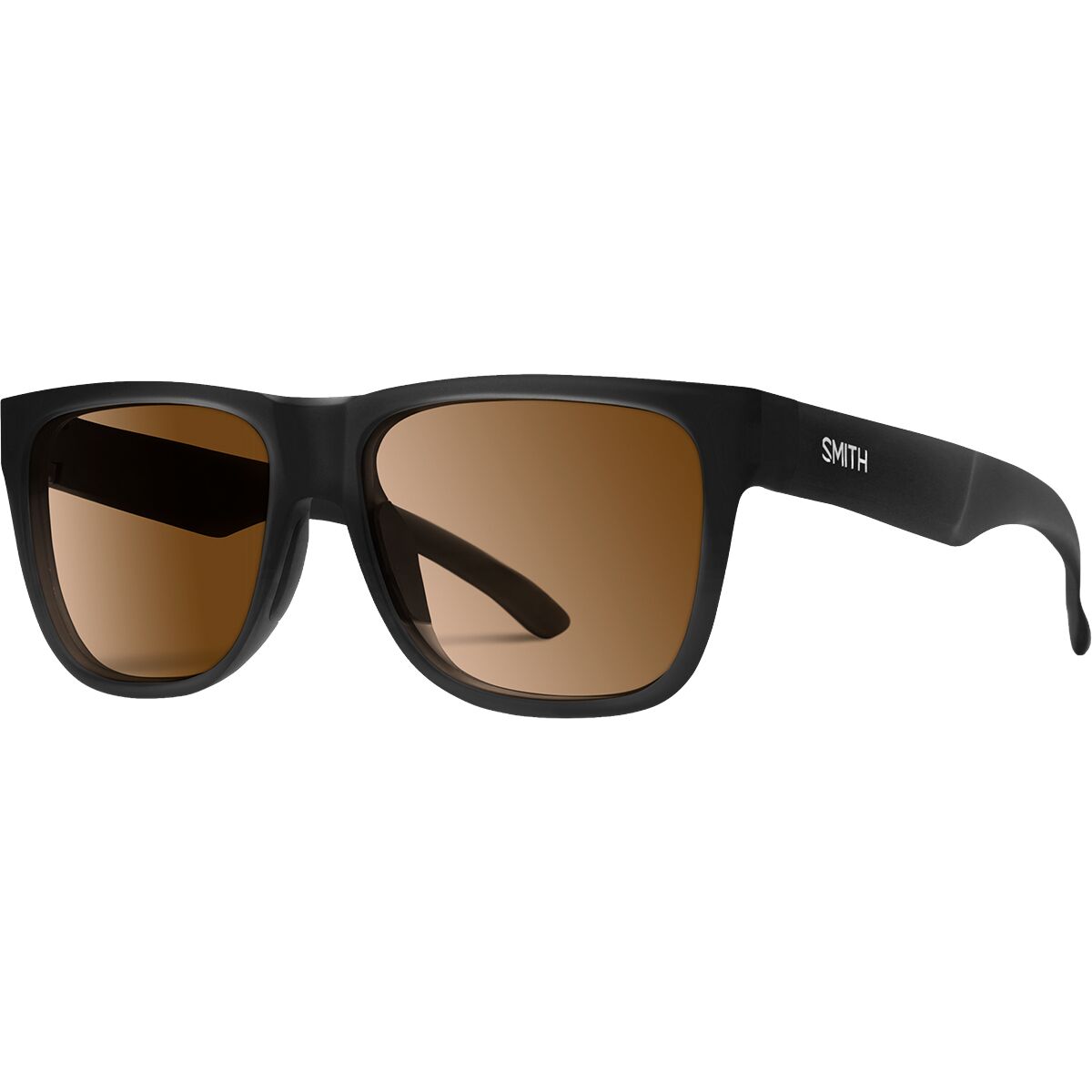
Lowdown 2 ChromaPop Polarized Sunglasses
13 colors
$187.00 - $277.00
(469)

+5
Smith
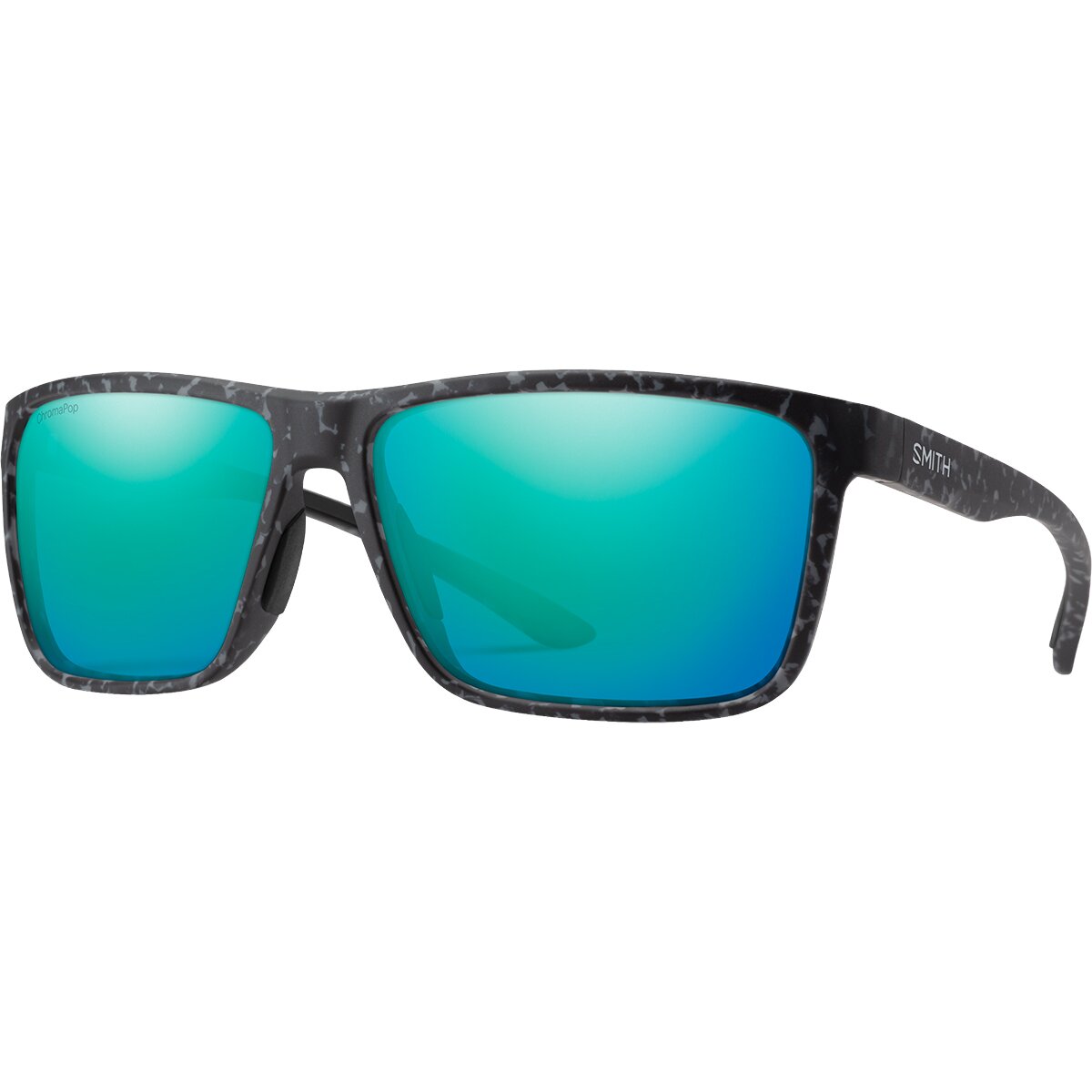
Riptide ChromaPop Polarized Sunglasses
9 colors
$217.00 - $277.00
(209)

+8
Smith
Guide's Choice Sunglasses
12 colors
$207.00 - $327.00
(1361)

Smith
Shoal ChromaPop Polarized Sunglasses
5 colors
$117.00 - $277.00
Up to 40% off
Extra 20% Off Clearance | Ends 11/9
(6)

Smith
Barra ChromaPop Polarized Sunglasses
4 colors
$217.00 - $277.00
(233)

+7
Smith
Guide's Choice XL ChromaPop Polarized Sunglasses
11 colors
$237.00 - $327.00
(219)

Smith
Rockaway ChromaPop Polarized Sunglasses
4 colors
Current price: $125.40 - $161.40 Original price: $269.00
40% off
Extra 20% Off Clearance | Ends 11/9
(55)

Smith
Lowdown Slim2 ChromaPop Polarized Sunglasses
3 colors
$217.00
(386)

Smith
Guide's Choice ChromaPop Polarized Sunglasses - Men's
3 colors
$237.00 - $297.00
(39)

Smith
Redding 2 ChromaPop Polarchromic Sunglasses
3 colors
$327.00
(17)

Smith
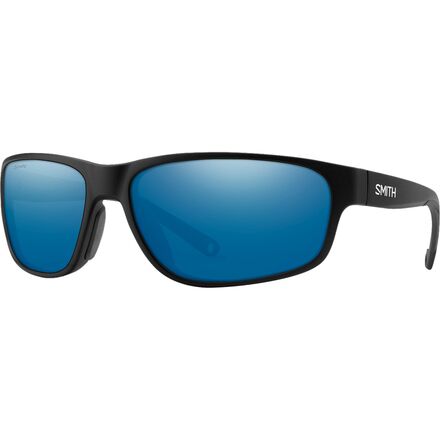
Backcast ChromaPop Polarchromic Sunglasses
2 colors
$307.00
(13)
+4
Smith
Redding 2 ChromaPop Polarized Sunglasses
8 colors
$237.00 - $297.00
(17)

+3
Smith
Lineup ChromaPop Polarized Sunglasses
7 colors
$130.20 - $217.00
Up to 40% off
Winter Sale
(6)

+5
Smith
Guides Choice S ChromaPop Polarized Sunglasses
9 colors
$178.20 - $327.00
Up to 40% off
Winter Sale
(12)

+3
Smith
Outrigger ChromaPop Polarized Sunglasses
7 colors
$217.00 - $277.00
(1)

Smith
Hookset ChromaPop Polarized Sunglasses
2 colors
$297.00
(7)

Smith
Guide's Choice XL ChromaPop Polarchromic Sunglasses
1 color
$327.00
(16)

Smith
Backcast ChromaPop Polarized Sunglasses
3 colors
$217.00 - $277.00
(13)

Smith
Hookset ChromaPop Sunglasses
5 colors
$297.00 - $327.00
(9)

Smith
Arvo Polarized Sunglasses
5 colors
$217.00 - $277.00
(10)
Related Categories
Frequently Asked Questions
Which Smith fly-fishing tools are best for beginners versus experienced anglers?
Beginners benefit from a compact set: nippers/line cutters, a pair of forceps or hemostats for safe hook removal, a small landing net, and spare tippet and leaders. Experienced anglers often add full‑size pliers for leverage, dedicated crimpers or split‑ring pliers, and more specialized tools like hook sharpeners or measuring rulers depending on target species. Match tool complexity to your typical water (small streams vs saltwater flats) and the fish sizes you pursue.How do I choose between forceps, hemostats, and pliers for removing hooks?
Forceps and hemostats offer fine control and reach for small hooks and delicate handling, making them ideal for small trout and catch‑and‑release work. Pliers give more leverage and cutting power for larger hooks, heavier leaders, or saltwater situations. For versatility, many anglers carry a compact pair of nippers plus either forceps or pliers depending on the expected fish size.What materials and construction details should I look for in Smith fly-fishing tools?
Prioritize corrosion-resistant materials such as anodized marine‑grade aluminum and stainless steel, plus non‑corrosive fasteners and UV‑resistant finishes for long life. Solid joints and well‑finished edges reduce snagging and improve reliability, while replaceable cutting blades or easily serviced pivots extend tool longevity. These construction choices matter most if you fish in saltwater or harsh conditions.How do Smith nippers and line cutters compare to multi‑function pliers?
Nippers and dedicated line cutters are compact and fast for trimming tippet and leader, and they’re easier to clip with one hand while rigging. Multi‑function pliers add gripping surfaces, cutters, crimpers, and more leverage for removing large hooks and handling split rings, but they’re bulkier. Choose nippers for lightweight, minimalist setups and pliers when you need versatility and greater mechanical advantage.How should I care for Smith fly-fishing tools to prevent corrosion and wear?
Rinse tools thoroughly with fresh water after exposure to salt or dirty water, then dry completely before storage to minimize corrosion. Periodically apply a light lubricant to pivots and cutting edges, sharpen or replace blades as needed, and store tools in a dry, ventilated case to preserve finishes and moving parts. Regular inspection for loose fasteners or corrosion spots keeps tools reliable on the water.