


20% Off Full-Price Items
Shop now
EXTRA 20% Off Clearance
Shop now | Ends 11/9
Get An EXTRA $50 Cash Back*
Summit+ exclusive
Scarpa Climb
75 results


Scarpa
Scarpa Phantom 6000 HD Mountaineering Boot
1 color
10% Cashback Eligible
(1)

Scarpa
Instinct VSR LV Climbing Shoe
1 color
Discount Applies In Cart | Ends 11/16
(6)

Scarpa
Crux Shoe - Men's
1 color
Winter Sale
(8)

Scarpa
Drago LV Climbing Shoe
1 color
Discount Applies In Cart | Ends 11/16
(7)

Scarpa
Instinct VSR Climbing Shoe
1 color
Discount Applies In Cart | Ends 11/16
(5)

Scarpa
Phantom Tech HD Mountaineering Boot
1 color
Discount Applies In Cart | Ends 11/16
(5)

Scarpa
Instinct VS Climbing Shoe - Men's
1 color
Discount Applies In Cart | Ends 11/16
(14)

Scarpa
Blackbird Climbing Shoe
1 color
Discount Applies In Cart | Ends 11/16

Scarpa
Phantom 8000 Thermic HD Mountaineering Boot
1 color
Discount Applies In Cart | Ends 11/16
(1)

Scarpa
Generator Mid Climbing Shoe
1 color
Discount Applies In Cart | Ends 11/16
(7)

Scarpa
Instinct VS Climbing Shoe - Women's
1 color
Discount Applies In Cart | Ends 11/16
(3)

Scarpa
Helix Climbing Shoe - Women's
2 colors
Discount Applies In Cart | Ends 11/16
(3)

Scarpa
Veloce Climbing Shoe
1 color
Discount Applies In Cart | Ends 11/16
(9)

Scarpa
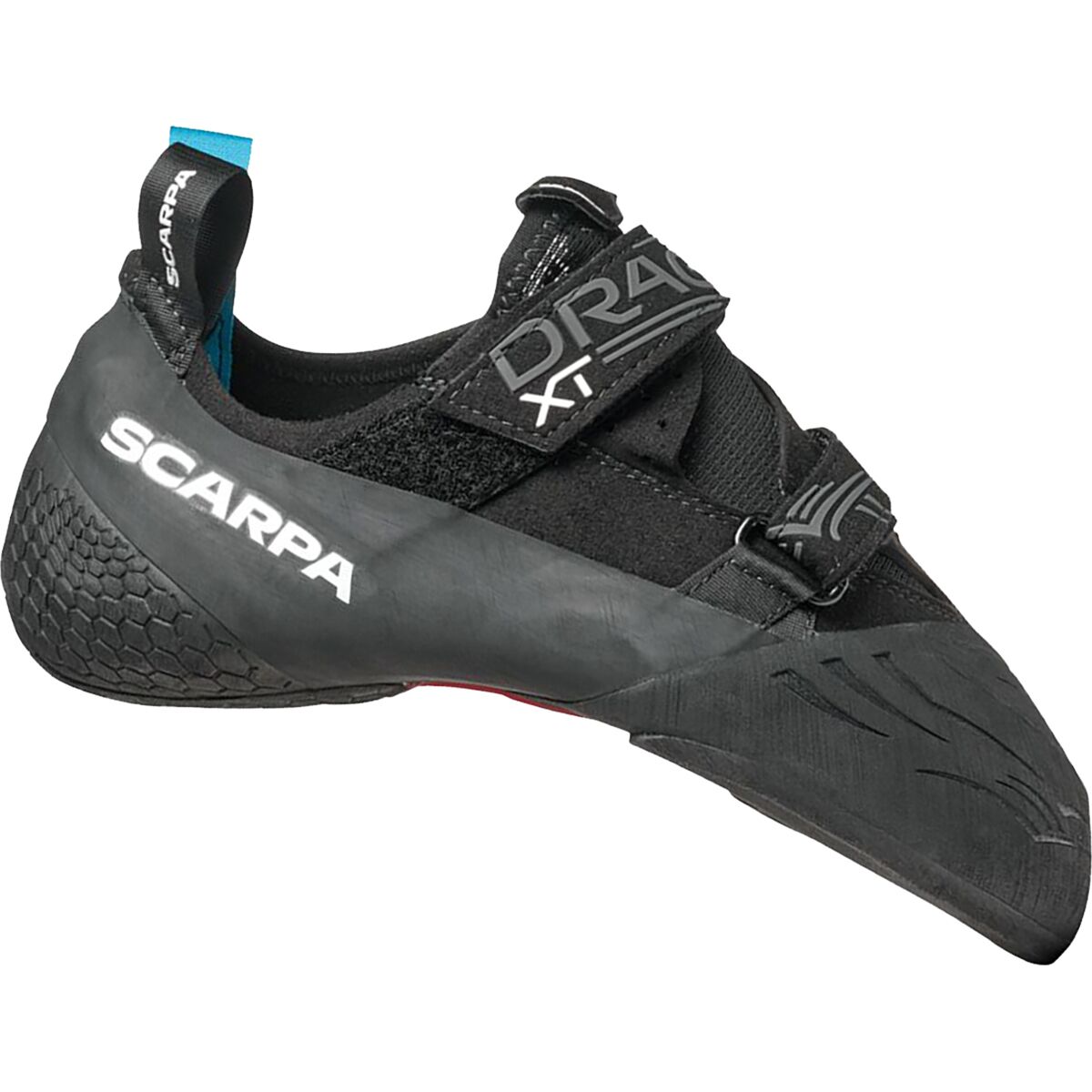
Drago XT Climbing Shoe
1 color
Discount Applies In Cart | Ends 11/16
(1)

Scarpa
Origin VS Climbing Shoe - Men's
2 colors
Discount Applies In Cart | Ends 11/16
(2)

Scarpa
Rapid XT Shoe - Men's
1 color
Discount Applies In Cart | Ends 11/16
(6)

Scarpa
Drago Climbing Shoe
1 color
Discount Applies In Cart | Ends 11/16
(7)

Scarpa
Crux 2 Approach Shoe - Men's
1 color
Discount Applies In Cart | Ends 11/16

Scarpa
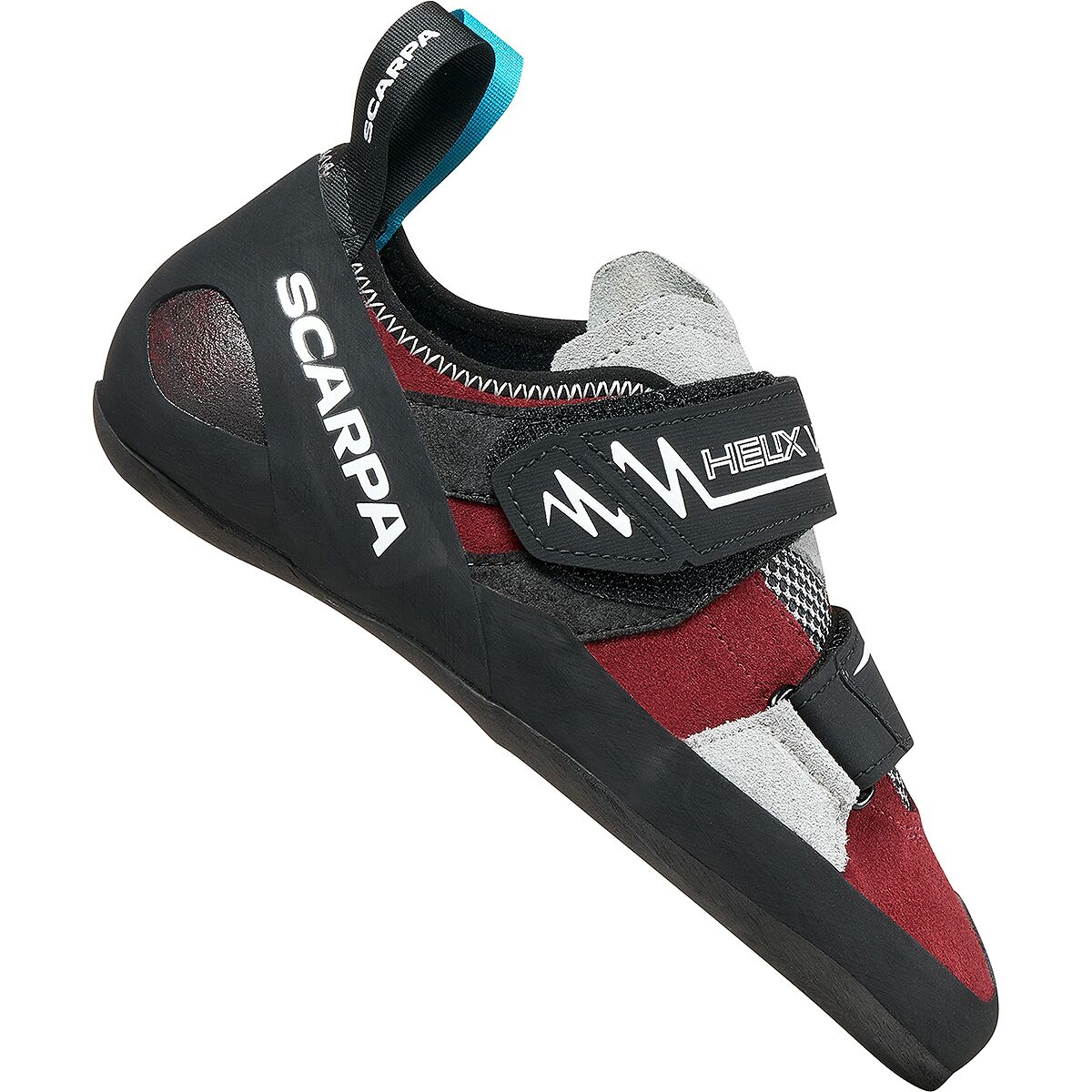
Helix Climbing Shoe
2 colors
Discount Applies In Cart | Ends 11/16
(4)

Scarpa
Vapor V Climbing Shoe
1 color
Discount Applies In Cart | Ends 11/16
(2)

Scarpa
Rapid XT Mid GTX Shoe - Men's
1 color
Discount Applies In Cart | Ends 11/16

Scarpa
Vapor V LV Climbing Shoe
1 color
Discount Applies In Cart | Ends 11/16

Scarpa
Veloce Climbing Shoe - Women's
1 color
Discount Applies In Cart | Ends 11/16
(3)

Scarpa
Ribelle HD Mountaineering Boot - Men's
1 color
Discount Applies In Cart | Ends 11/16

Scarpa
Crux Shoe - Women's
1 color
Winter Sale
(3)

Scarpa
Mont Blanc Pro GTX Mountaineering Boot - Men's
1 color
10% Cashback Eligible
(1)

Scarpa
Drago Climbing Shoe - Kids'
1 color
Discount Applies In Cart | Ends 11/16

Scarpa
Boostic R Climbing Shoe
1 color
Discount Applies In Cart | Ends 11/16
(2)

Scarpa
Generator Mid Climbing Shoe - Women's
1 color
Extra 20% Off Clearance | Ends 11/9
(2)

Scarpa
Vapor Climbing Shoe - Women's
1 color
Discount Applies In Cart | Ends 11/16

Scarpa
Arpia V Climbing Shoe
1 color
Discount Applies In Cart | Ends 11/16
(1)

Scarpa
Crux 2 GTX Approach Shoe - Men's
1 color
Discount Applies In Cart | Ends 11/16

Scarpa
Mojito Bio Shoe - Men's
3 colors
Extra 20% Off Clearance | Ends 11/9

Scarpa
Crux Shoe - Women's
1 color
Extra 10% Off Clearance | Ends 11/09
(7)

Scarpa
Fuego Boot
1 color
Discount Applies In Cart | Ends 11/16
(2)


Scarpa
Mojito Shoe - Women's
2 colors
Discount Applies In Cart | Ends 11/16
(3)

Scarpa
Instinct Climbing Shoe - Men's
1 color
Discount Applies In Cart | Ends 11/16
(4)

Scarpa
Arpia V LV Climbing Shoe
1 color
Discount Applies In Cart | Ends 11/16

Scarpa
Origin Climbing Shoe
1 color
Discount Applies In Cart | Ends 11/16

Scarpa
Mont Blanc GTX Mountaineering Boot
1 color
Discount Applies In Cart | Ends 11/16

Scarpa
Origin VS Climbing Shoe - Women's
2 colors
Winter Sale

Scarpa
Rapid LT Shoe - Men's
1 color
Discount Applies In Cart | Ends 11/16
(1)
Related Categories




Frequently Asked Questions
How do I choose the right Scarpa climbing shoe for bouldering, sport climbing, or trad routes?
Match the shoe’s last and stiffness to the activity: downturned, asymmetric models like Instinct or Chimera favor steep bouldering and powerful toe hooks, Drago offers ultra-sensitive precision for technical problems, and stiffer Vapor or Helix models give edging support for sport and trad. Consider rubber and midsole too—XS Edge and a stiffer Flexan midsole for sustained edging, XS Grip2 or Davos S72 for sticky smearing and gym work.Which fit and sizing approach works best for Scarpa shoes and how much do they stretch?
Scarpa shoes are typically sized 1–2 sizes down from street shoes for performance fits, but amount varies by last and material—leather stretches more than microsuede or synthetic uppers. Try low-volume vs standard lasts, note women’s-specific lasts if available, and favor lace-ups for precise long-route adjustments while Velcro models are convenient for quick sessions.How do the Instinct, Drago, and Chimera models compare for performance climbing?
The Instinct family is a supportive, all-round performance shoe (often using Bi-Tension for toe power) suited to sport and technical bouldering; the Drago is ultra-soft and extremely sensitive with XS Grip2 rubber for precise toe placements and steep problems; the Chimera is more aggressively downturned with V-Tension and a profile built for powerful hooking and overhang work. Choose Instinct for versatility, Drago for maximum sensitivity, and Chimera for high-performance power on steep terrain.What rubber and midsoles should I prioritize for edging versus smearing?
For hard edging and durability prioritize XS Edge rubber and a stiffer Flexan or board-lasted construction (Boostic-style midsoles improve toe support); for smearing and gym performance choose stickier compounds like Vibram XS Grip2 or the softer Davos S72 used on models like the Veloce. Heavier climbers or those who climb long vertical routes benefit from firmer midsoles and TPS or thermoshapable toe systems to maintain edging precision.How do construction choices—slip-lasted vs board-lasted, lace-up vs Velcro—affect multi-pitch comfort and performance?
Slip-lasted (softer) constructions increase sensitivity and conforming fit, while board-lasted or hybrid builds provide better support and stability for long multi-pitch climbing and edging; thermoshapable elements like TPS can improve toe performance on long routes. Lace-up models (Helix, Vapor lace versions) let you dial fit for all-day comfort and reduced pressure points, whereas Velcro/strap models (Instinct Velcro, Veloce) speed transitions but offer slightly less micro-adjustability.