


20% Off Full-Price Items
Shop now
EXTRA 20% Off Clearance
Ends today
Get An EXTRA $50 Cash Back*
Summit+ exclusive
Rotor Bike
2 results

Rotor
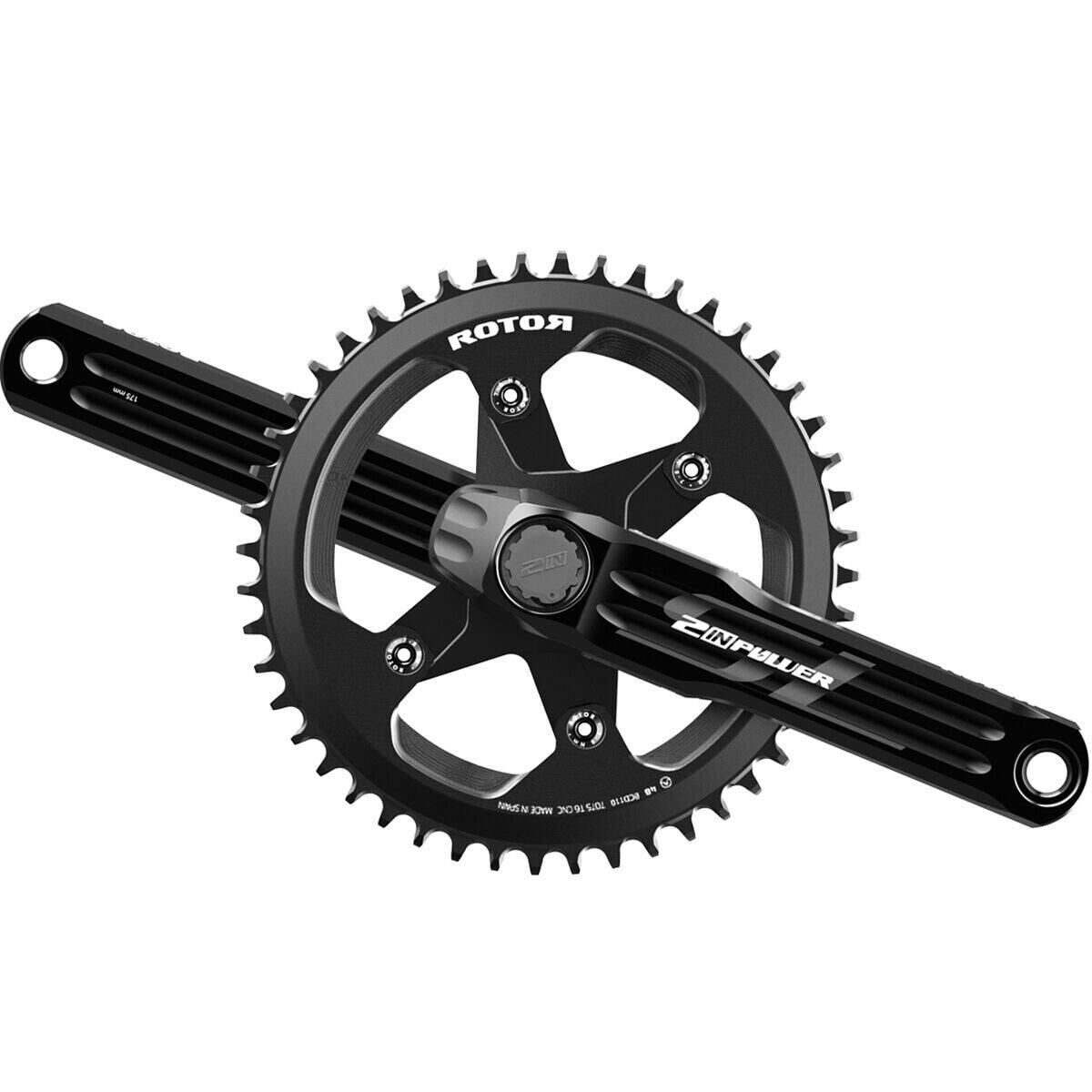
2INpower SL Dual Sided Gravel 1x Power Meter Crankset
1 color
Current price: $997.50 - $1,061.25 Original price: $1,174.00
Up to 15% off
10% Cashback Eligible

Rotor
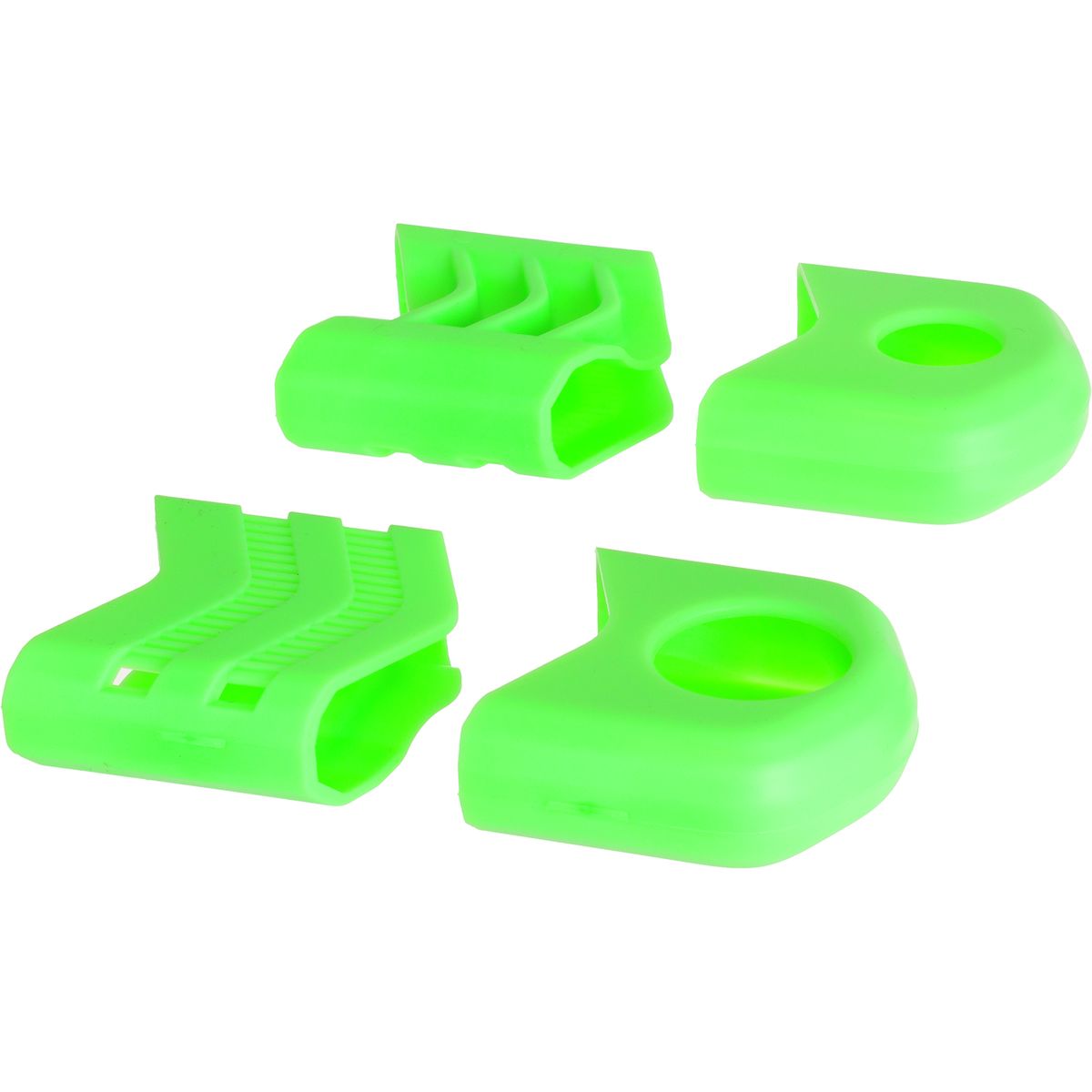
RRaptor Bumper Set
1 color
Current price: $10.21 Original price: $23.00
56% off
Winter Sale
Related Categories
Frequently Asked Questions
What makes the ROTOR INspider power meter different from other MTB power meters?
INspider is a spider-mounted power meter that replaces your crank spider (100x4 interface) so it measures drivetrain force close to the pedals and fits the majority of MTB frames. It pairs with the ROTOR Power App for calibration and firmware updates and is engineered for reduced weight and high-precision strain-gauge measurement without changing crank arms.How does the INspider compare to ROTOR's INpower/2INpower power meters?
INspider is a spider-based unit optimized for MTB fitment and frame clearance, while INpower/2INpower are crank-arm or axle-integrated options more commonly used on road and time-trial setups. Both families integrate with the ROTOR Power App for data and firmware, but they differ in mounting location, compatibility considerations, and the easiest frame/ crankset match for each riding discipline.What should I check to ensure a ROTOR crankset, chainring, or power meter will fit my bike?
Verify your bottom bracket standard and spindle interface, the spider bolt pattern (ROTOR often uses a 100x4 spider for INspider), and frame clearance for the crankset and chainring profile. Also match drivetrain speed (10–12+), chainring BCD or direct-mount spec, and cassette/chain compatibility to avoid shifting issues.Are ROTOR components suitable for e-bikes and what is the eTOR Drive Standard?
Many ROTOR cranksets and power systems are built to withstand higher torque and heat loads found on e-bikes, and products listing eTOR Drive Standard indicate compatibility with mid-drive e-bike systems and their torque demands. Always check the product page for explicit e-bike/eTOR compatibility and any installation notes specific to assisted-bike drivetrains.How do I choose chainring size and crankset type for my riding style and terrain?
For technical MTB you’ll typically favor a 1x crankset with a wide-range cassette and smaller chainring for clearance and simplicity, while road or long-distance riders often choose 2x setups for closer gear steps and higher top-end speed. Consider Q-Rings (ovalized) versus round chainrings based on personal pedaling feel, and always match chainring tooth counts to your cassette speed and intended cadence range.