


Up To 20% Off Full-Price Items
Shop now
EXTRA 20% Off Clearance
Shop now | Ends 11/9
Get An EXTRA $50 Cash Back*
Summit+ exclusive
Rotor
2 results

Rotor
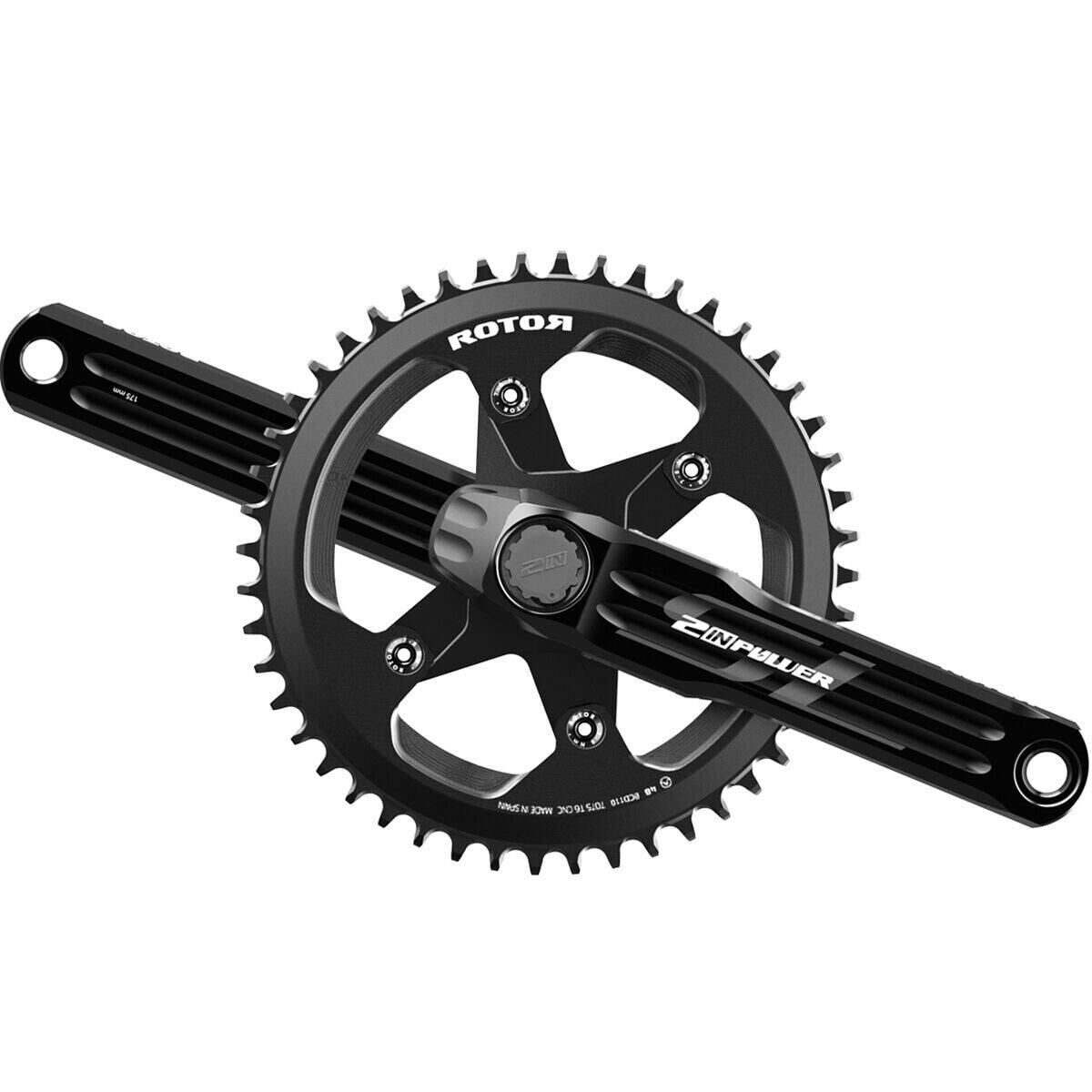
2INpower SL Dual Sided Gravel 1x Power Meter Crankset
1 color
Current price: $997.50 - $1,061.25 Original price: $1,174.00
Up to 15% off
10% Cashback Eligible

Rotor
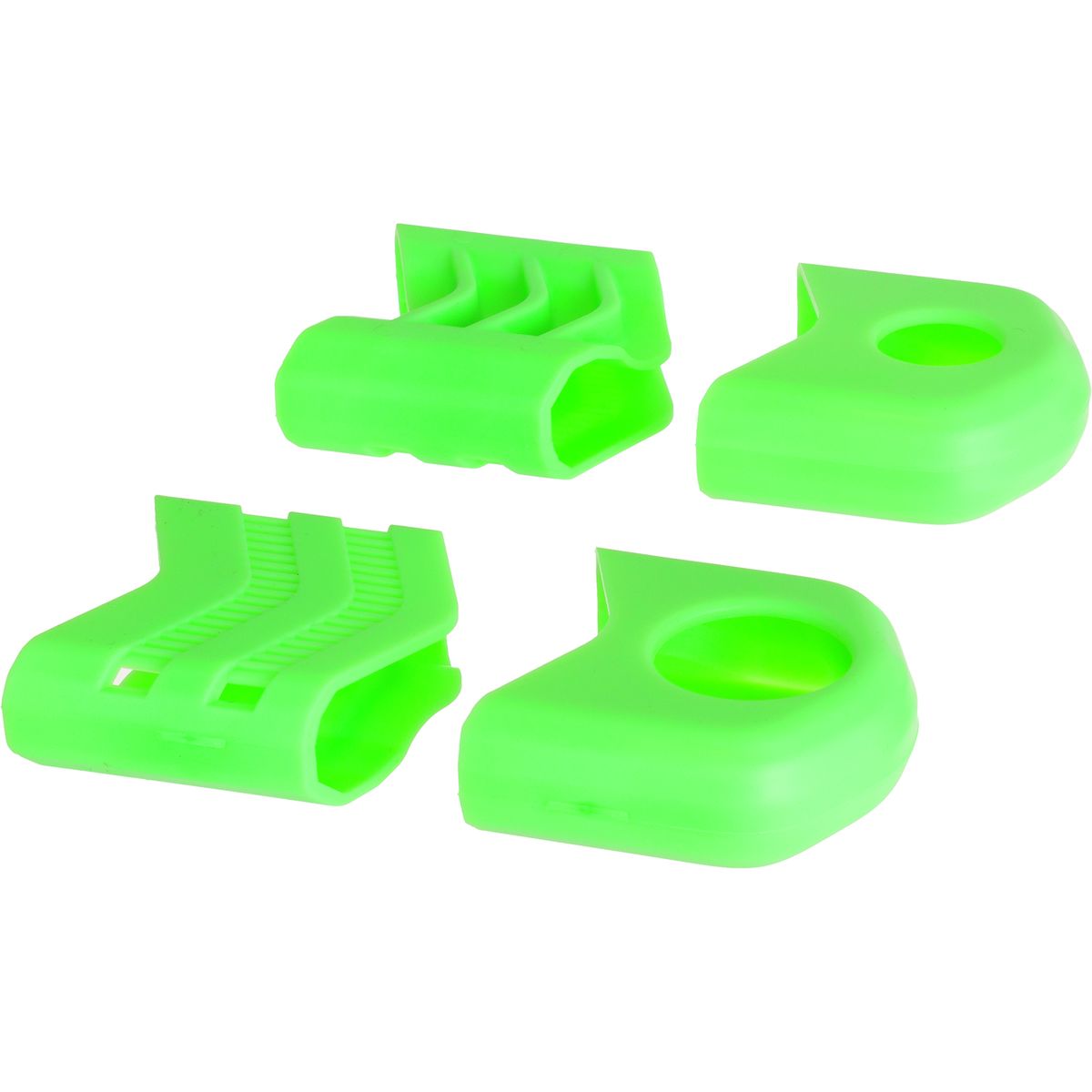
RRaptor Bumper Set
1 color
Current price: $10.21 Original price: $23.00
56% off
Winter Sale
Related Categories
Frequently Asked Questions
What rotor design (plain, drilled, slotted, or drilled/slotted) is best for my driving needs?
Plain rotors are the go-to choice for daily urban driving and smooth, quiet operation; drilled rotors help shed heat and water in wet or occasional performance use; slotted rotors evacuate pad material and gases for towing, heavy-duty, or off-road duty; drilled/slotted hybrids give the most aggressive cooling and pad cleaning for track or spirited driving. Match the design to your primary use—durability and pad life often trade off with maximum high‑heat performance.How do high‑carbon rotors (like G11H18) compare to standard cast‑iron and carbon‑ceramic options?
High‑carbon iron rotors offer improved heat dissipation, reduced thermal cracking, and quieter operation compared with standard cast‑iron, making them a strong all‑around performance upgrade. Carbon‑ceramic rotors are far lighter and extremely fade‑resistant at very high temperatures but are a premium, vehicle‑specific option mostly found on high‑end sports cars. For most drivers, high‑carbon or precision‑machined cast options balance cost, longevity, and heat management.Do rust‑protective coatings (GEOMET 360, zinc plating, full‑vane coatings) change braking performance?
Corrosion‑resistant coatings like GEOMET 360, zinc dichromate, or PowerStop’s full‑vane coatings protect non‑friction surfaces from rust without noticeably altering braking performance when applied correctly. Manufacturers typically leave the friction face uncoated or provide a non‑directional finish to ensure proper pad bedding; coated vanes and hats extend service life in wet or salty climates. Choose coated rotors if corrosion is a concern, but expect the friction surface to remain consistent with OE behavior.What vehicle fitment and specifications should I verify before buying rotors?
Confirm OEM‑compatible diameter, thickness, hub bore, bolt pattern, vane configuration, and any special mounting features listed for models like Centric GCX, Bosch QuietCast, or Raybestos to ensure a direct fit. Use the application lookup or your vehicle’s factory specs to match rotor part numbers and check whether the rotor is vented, directional, or has specific hardware requirements. Proper fitment prevents vibration and maintains ABS/sensor function.