


Up To 20% Off Full-Price Items
Shop now
EXTRA 20% Off Clearance
Shop now | Ends 11/9
Get An EXTRA $50 Cash Back*
Summit+ exclusive
Rocky Mountain Bike
7 results

Rocky Mountain
Instinct Powerplay SL C50 XT E-Bike
1 color
Current price: $4,800.00 Original price: $7,999.00
40% off
10% Cashback Eligible
HSA/FSA Eligible

Rocky Mountain
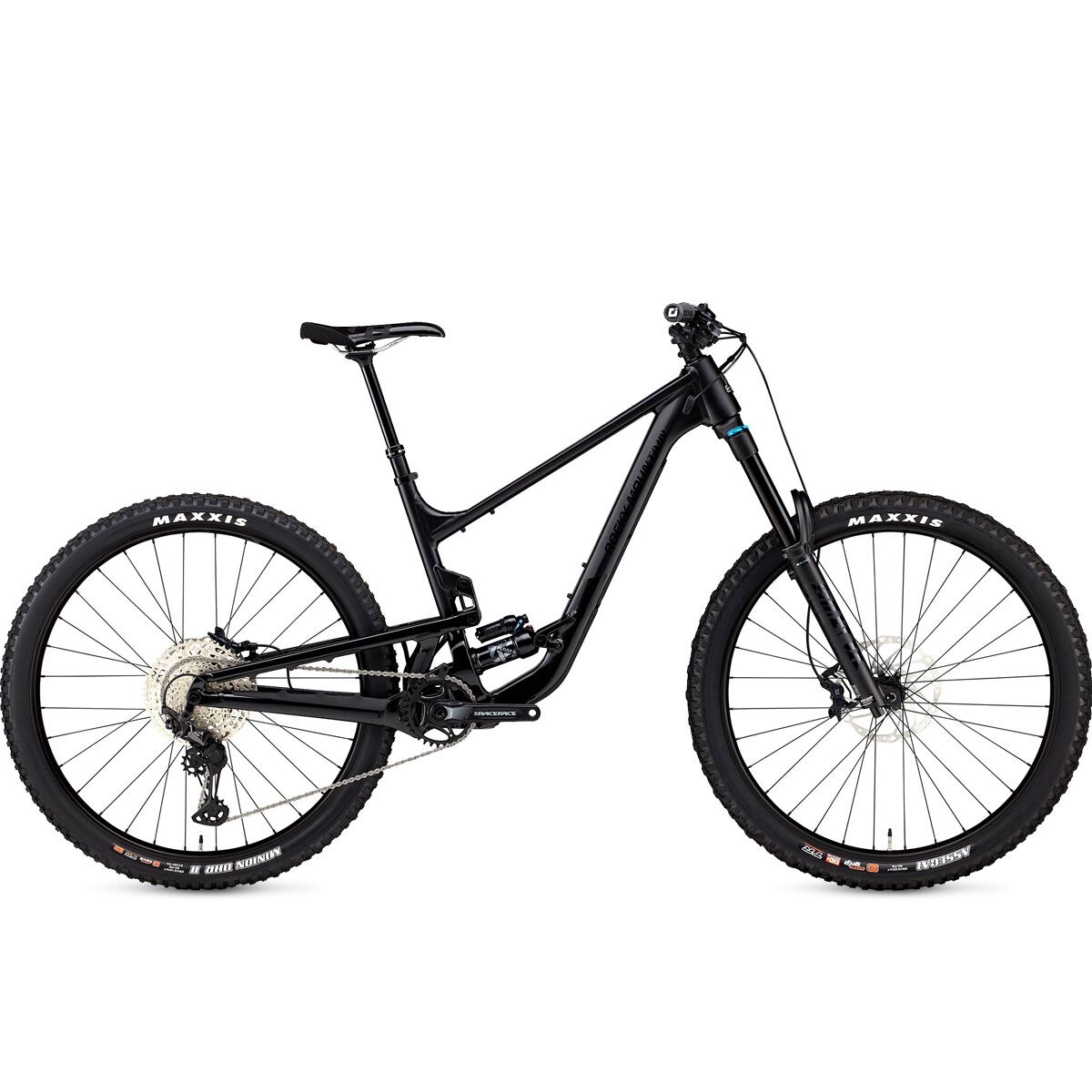
Instinct C50 XT Mountain Bike
1 color
$5,499.00
10% Cashback Eligible
HSA/FSA Eligible

Rocky Mountain
Element C70 XT Di2 Mountain Bike
1 color
$7,299.00
10% Cashback Eligible
HSA/FSA Eligible

Rocky Mountain
Reaper 24 Mountain Bike - Kids'
1 color
$2,999.00
10% Cashback Eligible
HSA/FSA Eligible

Rocky Mountain
Reaper 20 Mountain Bike - Kids'
1 color
$2,699.00
10% Cashback Eligible

Rocky Mountain
Instinct Powerplay SL C70 GX Transmission E-Bike
2 colors
Current price: $4,799.00 - $6,100.00 Original price: $9,699.00
Up to 51% off
10% Cashback Eligible
HSA/FSA Eligible

Rocky Mountain
Altitude C Frameset
1 color
Current price: $3,000.00 Original price: $4,099.00
27% off
10% Cashback Eligible
Related Categories


Frequently Asked Questions
Which Rocky Mountain mountain bike is best for cross-country, trail, or enduro riding?
Choose the Element for XC/downcountry efforts and marathon racing — it’s tuned for efficiency with 130mm front/120mm rear travel and is available in a carbon option that’s about 350g lighter than the prior generation. Pick the Fusion hardtail (100mm front) for beginner-friendly trail riding and skill building. The Instinct (150/140mm) is the do-everything trail bike, while the Altitude (170/160mm) is purpose-built for enduro and steep, rough terrain.How do Ride-9, Ride-4, and the two-position axle affect handling and how do I use them?
Ride-9 lets you dial nine geometry positions via flip chips to alter head angle, bottom bracket height, and suspension kinematics for a steeper, more agile or slacker, more stable setup. Ride-4 gives four quick positions (common on the Element) for fast on-trail tuning without heavy tools. The two-position axle available on Altitude, Instinct, and Slayer changes chainstay length to favor nimbleness or high-speed stability.How does the Rocky Mountain Instinct compare to the Altitude for aggressive trail riding?
The Instinct is a versatile trail/all-mountain bike with 150mm front/140mm rear travel that balances efficient climbing and capable descending for riders who want one bike for mixed terrain. The Altitude steps up to 170/160mm travel with a stiffer, lower-center-of-gravity chassis, linear suspension curve, and LC2R/Smoothlink tuning aimed at steep, rough descents and enduro racing. Choose the Instinct for more pedaling versatility and the Altitude if you prioritize descending performance and aggressive terrain.When should I choose an alloy frame versus a carbon frame on Rocky Mountain bikes?
Alloy frames offer durability and value for riders who want toughness for rugged use or prefer a lower-cost build, while carbon frames reduce weight and improve ride responsiveness—Rocky Mountain notes the Element’s carbon option saves roughly 350g versus the prior generation. For trail and enduro riders, alloy can be a sensible choice for abuse tolerance, but if climbing efficiency and lower rotating mass matter, carbon is worth considering. Match the material to your priorities (durability vs weight/efficiency) and intended riding terrain.What wheel size and frame size should I pick — 29", 27.5", or a mullet setup?
Rocky Mountain primarily runs 29" wheels for better rollover and high-speed stability, with 27.5" offered on XS frames or for riders wanting quicker maneuverability; some Instinct and Altitude builds support mullet setups (29" front, 27.5" rear) for a balance of traction and agility. Always consult the model-specific size chart for reach and standover, consider your height and riding style, and remember many full-suspension models include size-specific shock tunes to optimize suspension for each frame size.