


Up To 20% Off Full-Price Items
Shop now
EXTRA 20% Off Clearance
Shop now | Ends 11/9
Get An EXTRA $50 Cash Back*
Summit+ exclusive
Rip Curl Surf
36 results


Rip Curl
Dawn Patrol 5/4 Chest-Zip Hooded Wetsuit - Men's
1 color
Discount Applies In Cart | Ends 11/16

Rip Curl
Dawn Patrol 4/3 Chest-Zip Full Wetsuit - Men's
1 color
Discount Applies In Cart | Ends 11/16

Rip Curl
Dawn Patrol 3/2GB Chest-Zip Full Wetsuit - Women's
2 colors
Discount Applies In Cart | Ends 11/16

Rip Curl
Dawn Patrol 5/4 Chest-Zip Hooded Wetsuit - Women's
1 color
Discount Applies In Cart | Ends 11/16

Rip Curl
E-Bomb 2mm Stitchless Glove
1 color
Discount Applies In Cart | Ends 11/16
(1)

Rip Curl
Dawn Patrol 3/2 Back-Zip Full Wetsuit - Women's
2 colors
Discount Applies In Cart | Ends 11/16

Rip Curl
Dawn Patrol 3mm Round Toe Bootie - Men's
1 color
Discount Applies In Cart | Ends 11/16
(1)

Rip Curl
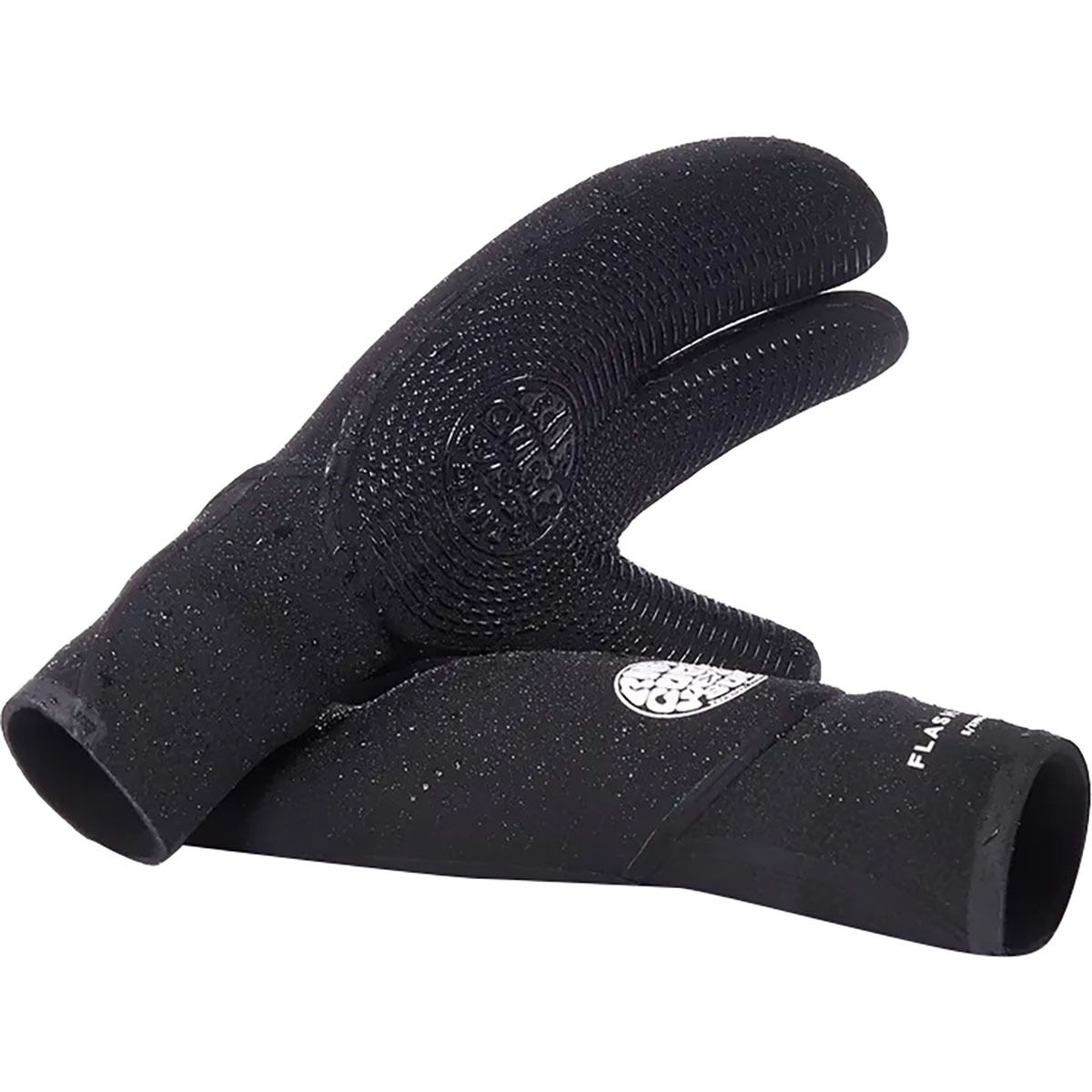
Flashbomb 5/3 3 Finger Glove - Men's
1 color
Discount Applies In Cart | Ends 11/16

Rip Curl
Dawn Patrol Long-Sleeve Wetsuit Jacket - Women's
1 color
Discount Applies In Cart | Ends 11/16

Rip Curl
Dawn Patrol 2mm Surf Cap
1 color
Discount Applies In Cart | Ends 11/16

Rip Curl
Flashbomb 7/5mm Mitten
1 color
Discount Applies In Cart | Ends 11/16
(1)

Rip Curl
Dawn Patrol 2/2 Long-Sleeve Spring Wetsuit - Women's
1 color
Discount Applies In Cart | Ends 11/16

Rip Curl
Flash Bomb 5mm Round Toe Bootie
1 color
Discount Applies In Cart | Ends 11/16

Rip Curl
Dawn Patrol 3mm Split Toe Bootie - Men's
1 color
Discount Applies In Cart | Ends 11/16

Rip Curl
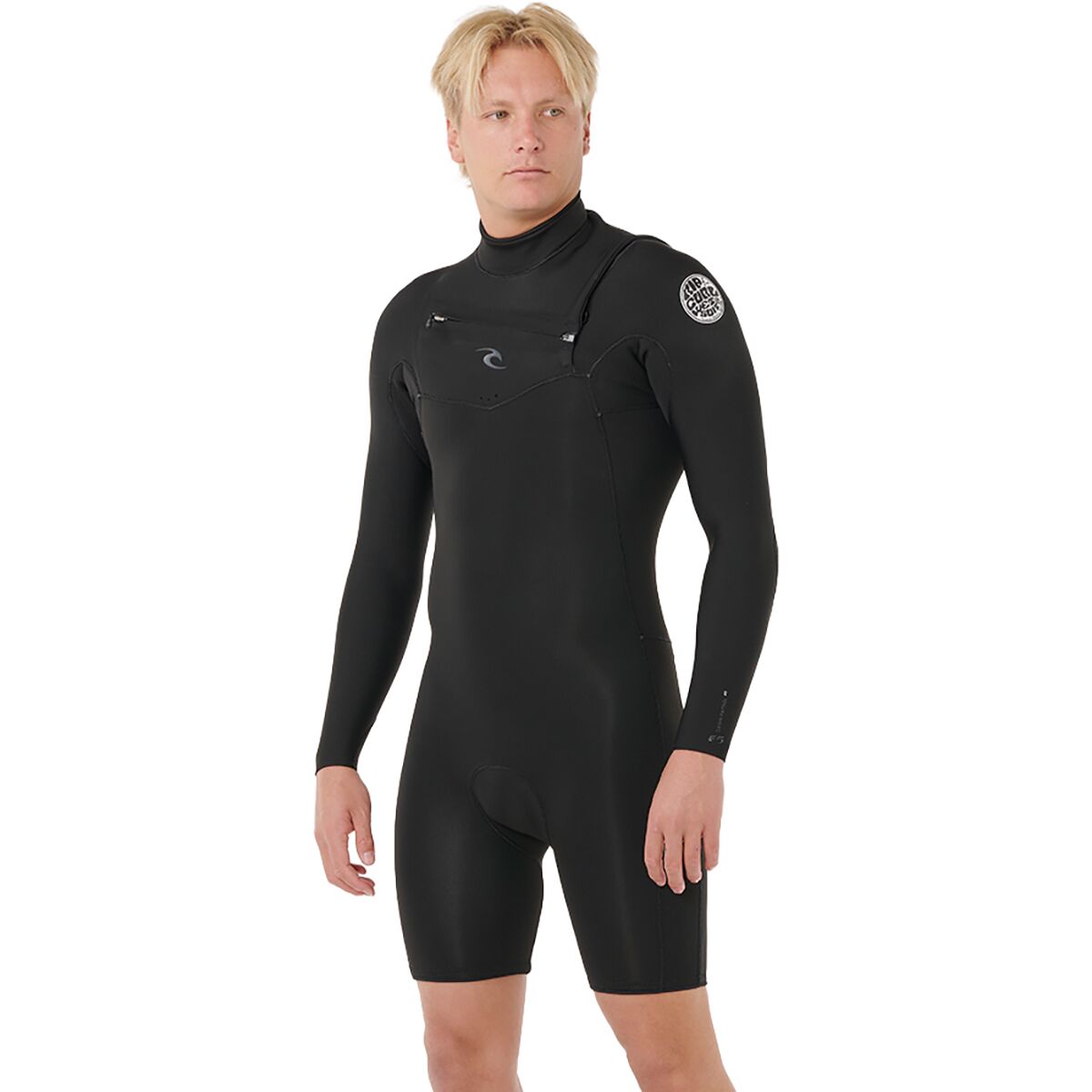
Dawn Patrol Long-Sleeve 2/2 Chest Zip Spring Wetsuit - Men's
1 color
Discount Applies In Cart | Ends 11/16

Rip Curl
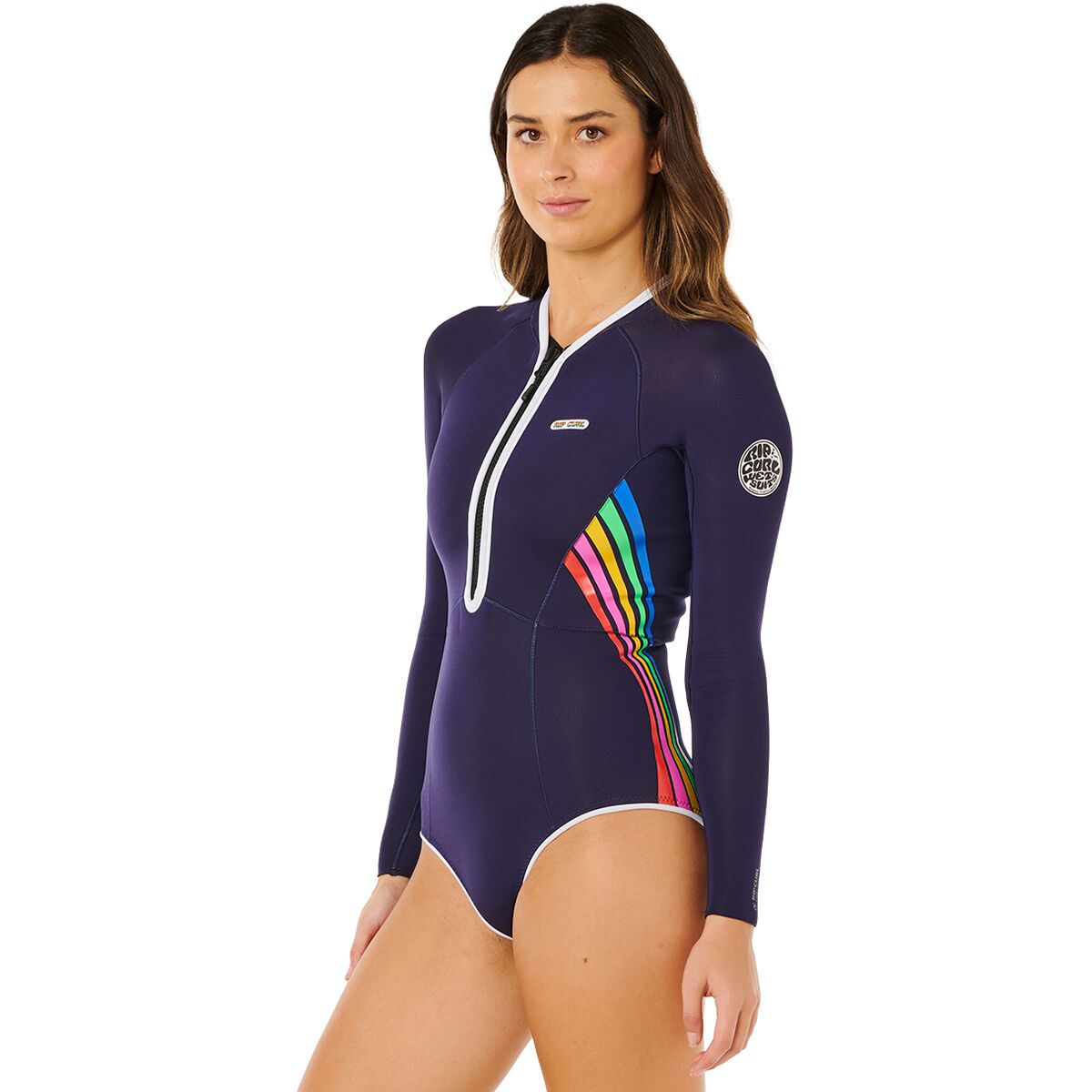
G-Bomb 1.5mm Print LS Front Zip Spring Wetsuit - Women's
1 color
Winter Sale
(1)

Rip Curl
G-Bomb 2mm Long Jane - Women's
1 color
Discount Applies In Cart | Ends 11/16

Rip Curl
G-Bomb 2mm Long-Sleeve Backzip Spring Wetsuit - Women's
1 color
Discount Applies In Cart | Ends 11/16

Rip Curl
Stephanie Gilmore G-Bomb 1.5mm Short Jane - Women's
1 color
Winter Sale

Rip Curl
Flashbomb 3mm GB Hood
1 color
Discount Applies In Cart | Ends 11/16

Rip Curl
Dawn Patrol 3/2 Chest-Zip Full Wetsuit - Men's
1 color
Discount Applies In Cart | Ends 11/16
(1)

Rip Curl
Stephanie Gilmore G-Bomb 1.5 LS BZ Good Springsuit - Women's
1 color
Discount Applies In Cart | Ends 11/16

Rip Curl
Stephanie Gilmore G-Bomb 1.5 LS BZ Spring Wetsuit - Women's
1 color
Extra 10% Off Clearance | Ends 11/09

Rip Curl
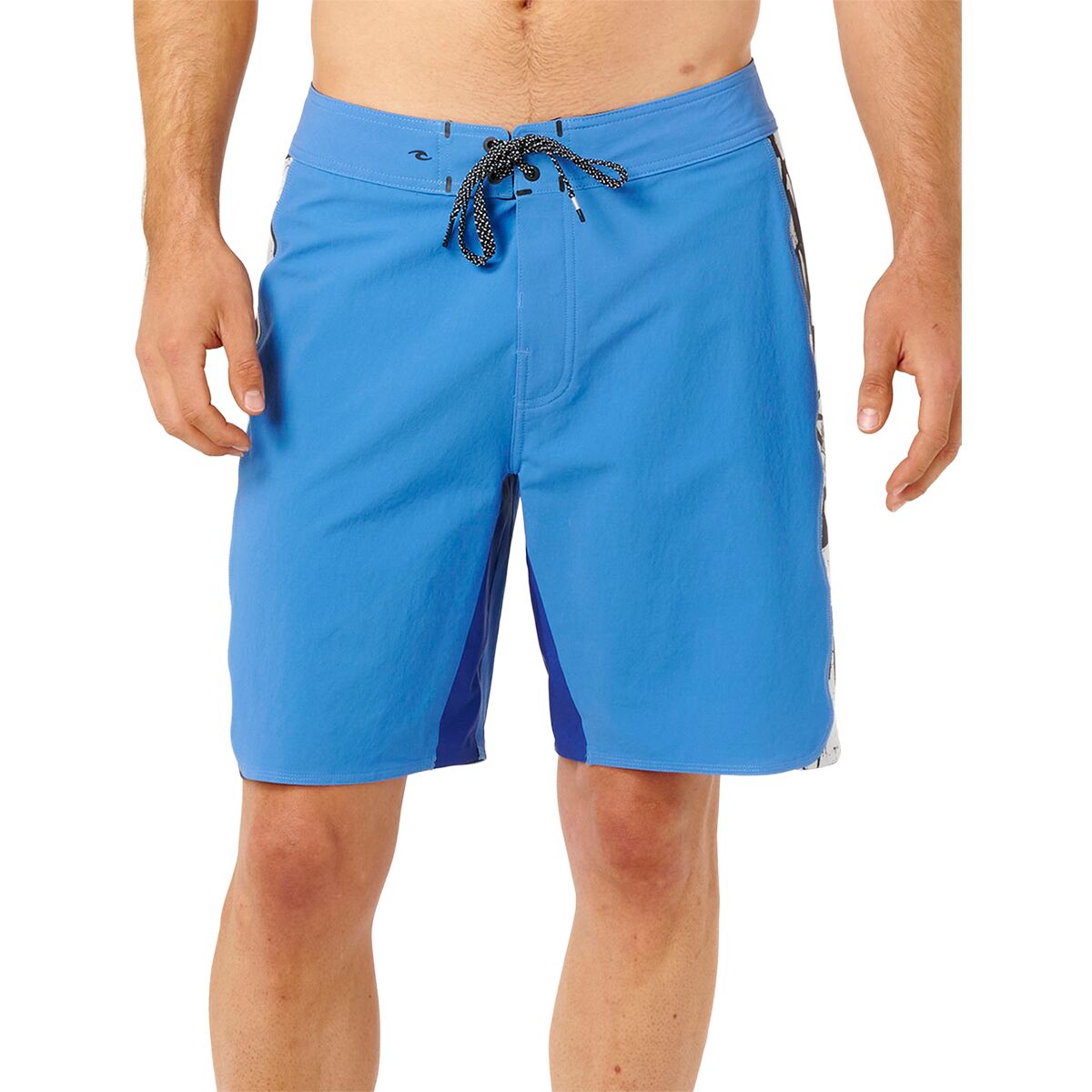
Mirage Core Board Short - Men's
1 color
Discount Applies In Cart | Ends 11/16

Rip Curl
Flash Bomb 3mm Narrow H S/Toe Bootie
1 color
Discount Applies In Cart | Ends 11/16

Rip Curl
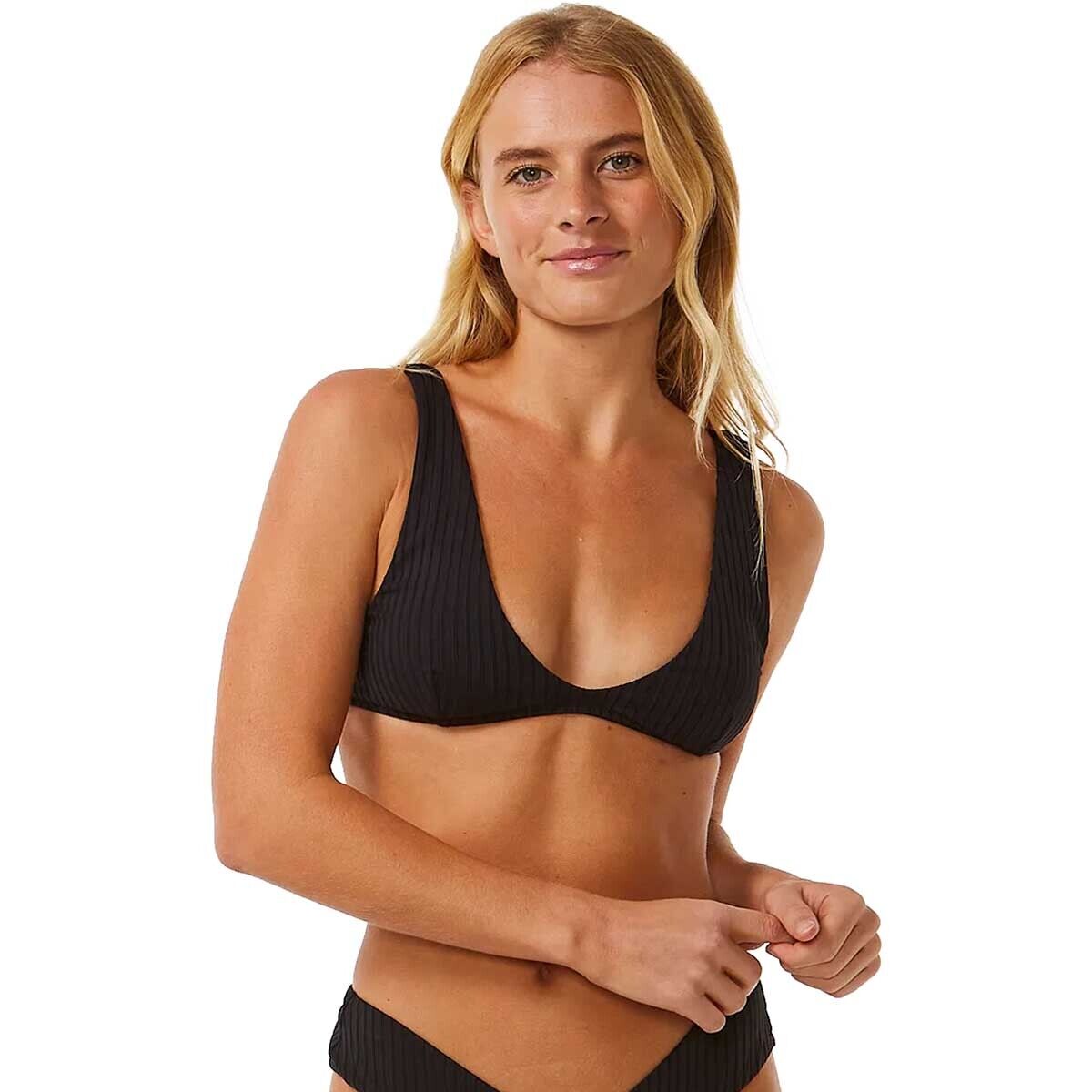
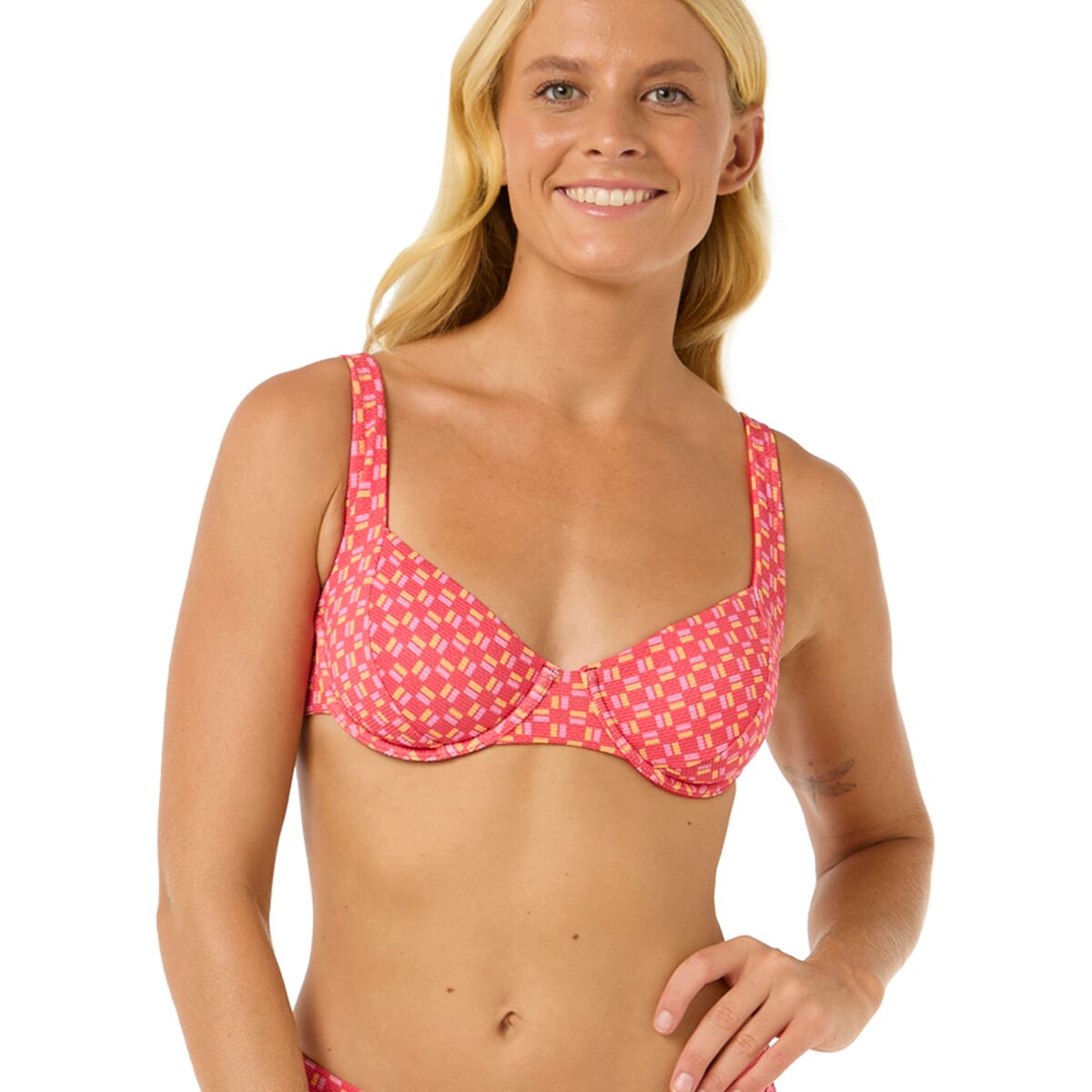
Shell Cove D-Cup Balconette Bikini Top - Women's
1 color
Winter Sale

Rip Curl
Dawn Patrol 5mm Round Toe Bootie - Men's
1 color
Discount Applies In Cart | Ends 11/16

Rip Curl
Stephanie Gilmore G-Bomb 1.5mm Spring Wetsuit - Women's
1 color
Extra 20% Off Clearance | Ends 11/9

Rip Curl
Mirage Sideways Boardshort - Men's
1 color
Winter Sale

Rip Curl
Mirage 3-2-One Ultimate Board Short - Men's
1 color
Winter Sale

Rip Curl
G-BOMB Tropical LS Back Zip Spring Wetsuit - Women's
1 color
Discount Applies In Cart | Ends 11/16

Rip Curl
Dawn Patrol 4/3 Chest-Zip Full Wetsuit - Women's
1 color
Discount Applies In Cart | Ends 11/16

Rip Curl
Dawn Patrol 4/3 Back-Zip Full Wetsuit - Women's
1 color
Discount Applies In Cart | Ends 11/16

Rip Curl
G-Bomb 1.5mm Boy Leg Wetsuit Short - Women's
1 color
Discount Applies In Cart | Ends 11/16

Rip Curl
Dawn Patrol 2/2GB Chest Zip Spring Wetsuit - Men's
1 color
Discount Applies In Cart | Ends 11/16

Rip Curl
E Bomb 2mm GB Wetsuit Hood
1 color
Discount Applies In Cart | Ends 11/16
Related Categories
Frequently Asked Questions
How do I choose the right Rip Curl wetsuit thickness for different water temperatures?
Rip Curl recommends a 2mm springsuit or shorty for warmer water around 21°C and a 3/2mm fullsuit for cooler conditions near 18°C; for colder water opt for thicker fullsuits and sealed seam construction or thermal linings. Consider your tolerance to cold and typical session length when picking thickness.How does the Flashbomb wetsuit compare to the Dawn Patrol line?
The Flashbomb prioritizes rapid drying and high-stretch performance with Rip Curl’s fast-drying Flash Lining and premium neoprene for warmth and quick turnaround between sessions. The Dawn Patrol is designed as a durable, everyday suit with a balance of flexibility and value for regular surfers who want reliable performance without the Flashbomb’s fast-dry focus.How should a Rip Curl wetsuit fit and which entry system is best for performance surfing?
A wetsuit should fit snugly across the torso, neck, and limbs without restricting breathing; Rip Curl’s super-stretch neoprene helps preserve mobility while maintaining a close seal. For performance surfing, chest-zip or zip-free entry systems offer better water seal and paddling freedom, while back-zip suits are easier to put on and take off.What key materials and seam construction does Rip Curl use to balance warmth and flexibility?
Rip Curl wetsuits use neoprene with super-stretch panels and leak-resistant seam construction, combined in many models with fast-drying linings like Flash Lining or added thermal linings to retain heat. Those elements work together to provide a mix of flexibility, durability, and warmth across entry-level to high-performance suits.What does the Rip Curl SearchGPS3 watch track and how can surfers use it?
The Search GPS3 Watch records paddle count, wave count, wave speed, distance, and integrates Surfline conditions to give session-level analytics. Surfers use it to measure progression, analyze wave performance, and log conditions for better training and decision-making.