


Up To 20% Off Full-Price Items
Shop now
EXTRA 20% Off Clearance
Shop now | Ends 11/9
Get An EXTRA $50 Cash Back*
Summit+ exclusive
Rip Curl Wetsuits
32 results


Rip Curl
Dawn Patrol 5/4 Chest-Zip Hooded Wetsuit - Men's
1 color
Discount Applies In Cart | Ends 11/16
Rip Curl
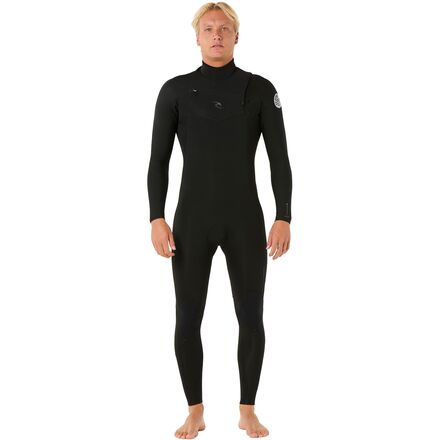
Dawn Patrol 4/3 Chest-Zip Full Wetsuit - Men's
1 color
Discount Applies In Cart | Ends 11/16

Rip Curl
Dawn Patrol 3/2GB Chest-Zip Full Wetsuit - Women's
2 colors
Discount Applies In Cart | Ends 11/16

Rip Curl
Dawn Patrol 5/4 Chest-Zip Hooded Wetsuit - Women's
1 color
Discount Applies In Cart | Ends 11/16

Rip Curl
E-Bomb 2mm Stitchless Glove
1 color
Discount Applies In Cart | Ends 11/16
(1)

Rip Curl
Dawn Patrol 3/2 Back-Zip Full Wetsuit - Women's
2 colors
Discount Applies In Cart | Ends 11/16

Rip Curl
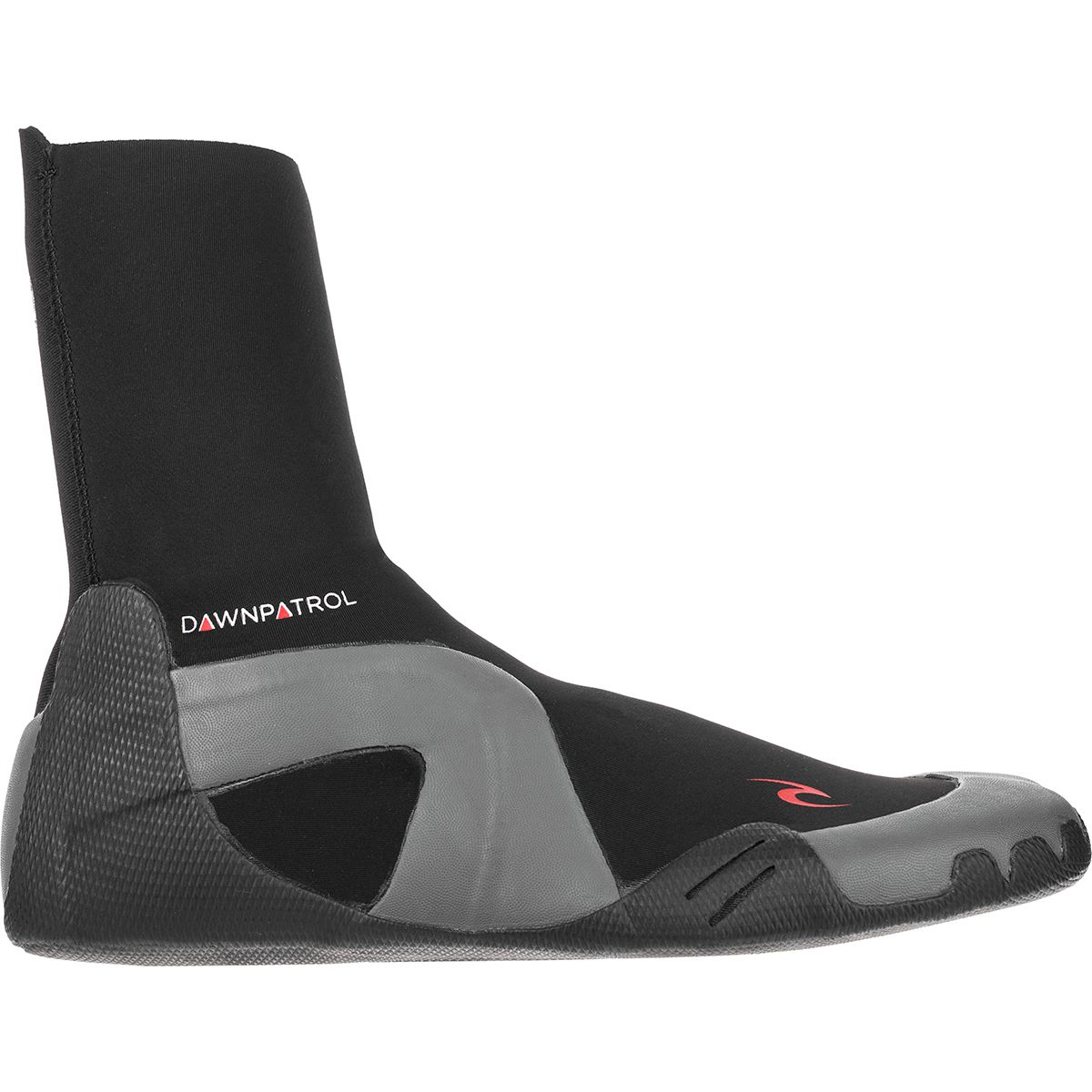
Dawn Patrol 3mm Round Toe Bootie - Men's
1 color
Discount Applies In Cart | Ends 11/16
(1)

Rip Curl
Flashbomb 5/3 3 Finger Glove - Men's
1 color
Discount Applies In Cart | Ends 11/16

Rip Curl
Dawn Patrol Long-Sleeve Wetsuit Jacket - Women's
1 color
Discount Applies In Cart | Ends 11/16

Rip Curl
Dawn Patrol 2mm Surf Cap
1 color
Discount Applies In Cart | Ends 11/16

Rip Curl
Flashbomb 7/5mm Mitten
1 color
Discount Applies In Cart | Ends 11/16
(1)

Rip Curl
Dawn Patrol 2/2 Long-Sleeve Spring Wetsuit - Women's
1 color
Discount Applies In Cart | Ends 11/16
Rip Curl
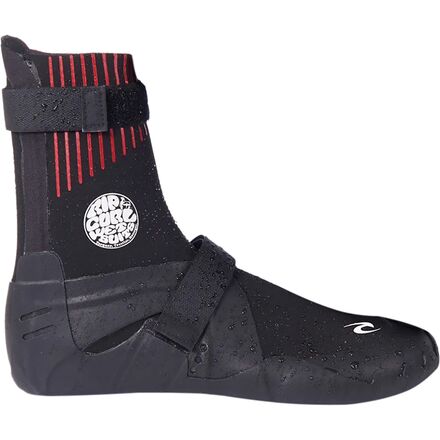
Flash Bomb 5mm Round Toe Bootie
1 color
Discount Applies In Cart | Ends 11/16
Rip Curl
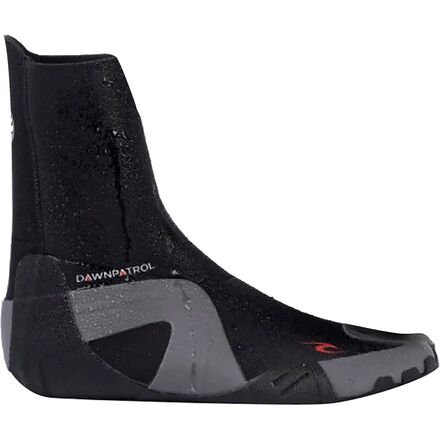
Dawn Patrol 3mm Split Toe Bootie - Men's
1 color
Discount Applies In Cart | Ends 11/16

Rip Curl
Dawn Patrol Long-Sleeve 2/2 Chest Zip Spring Wetsuit - Men's
1 color
Discount Applies In Cart | Ends 11/16

Rip Curl
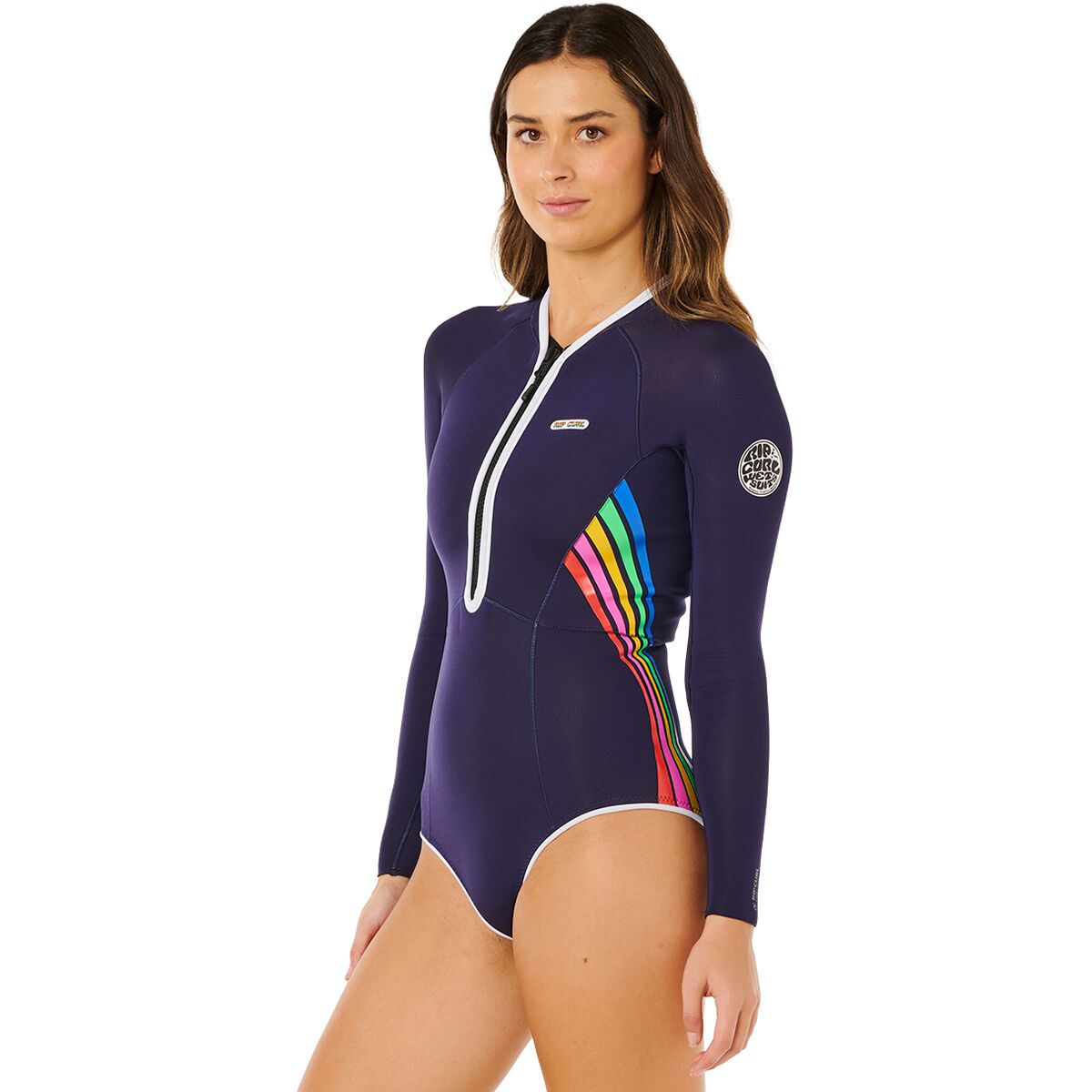
G-Bomb 1.5mm Print LS Front Zip Spring Wetsuit - Women's
1 color
Winter Sale
(1)

Rip Curl
G-Bomb 2mm Long Jane - Women's
1 color
Discount Applies In Cart | Ends 11/16

Rip Curl
G-Bomb 2mm Long-Sleeve Backzip Spring Wetsuit - Women's
1 color
Discount Applies In Cart | Ends 11/16

Rip Curl
Stephanie Gilmore G-Bomb 1.5mm Short Jane - Women's
1 color
Winter Sale
Rip Curl
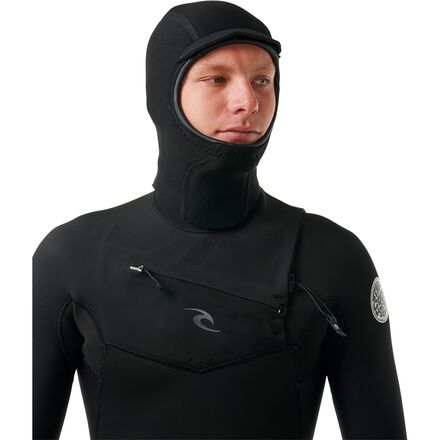
Flashbomb 3mm GB Hood
1 color
Discount Applies In Cart | Ends 11/16

Rip Curl
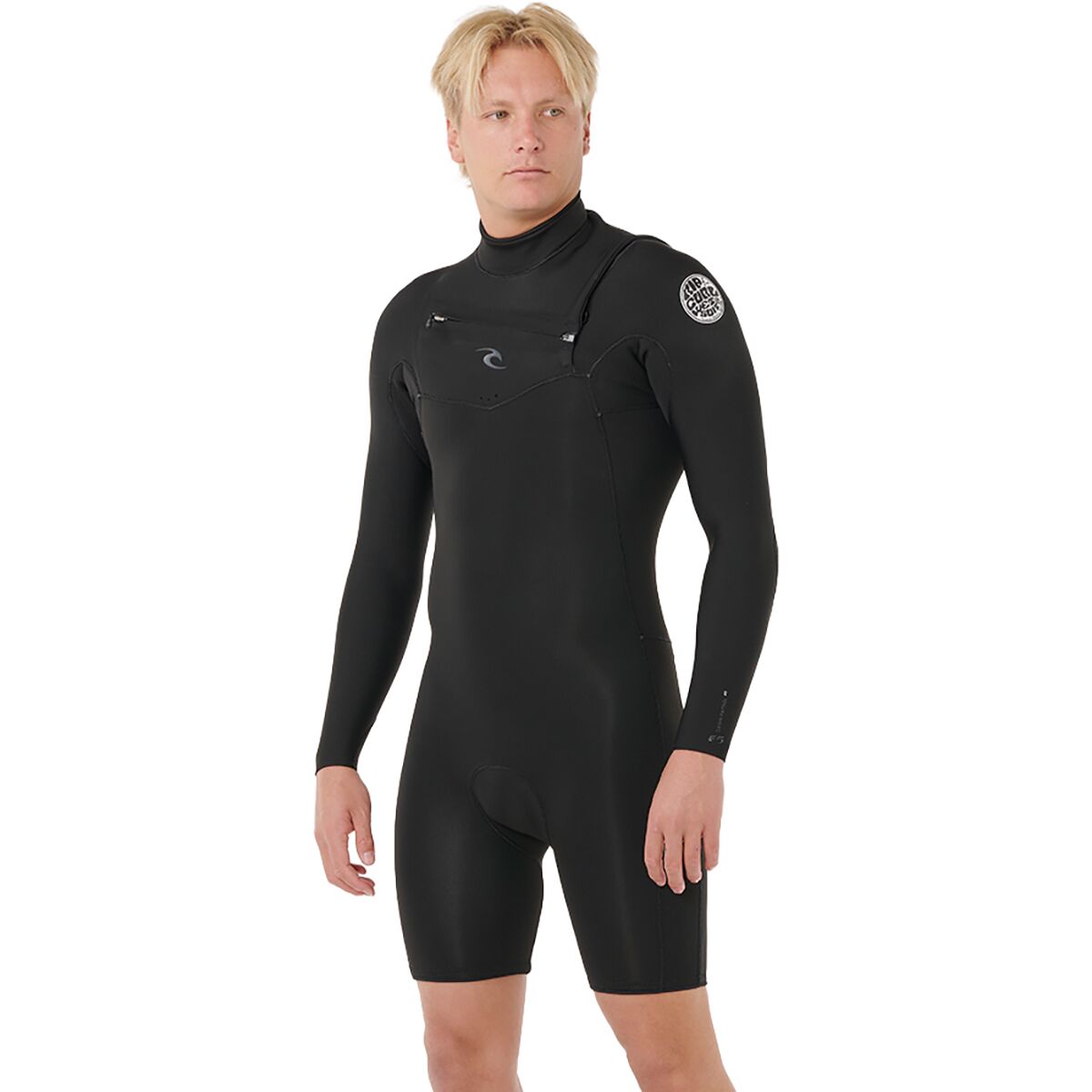
Dawn Patrol 3/2 Chest-Zip Full Wetsuit - Men's
1 color
Discount Applies In Cart | Ends 11/16
(1)

Rip Curl
Stephanie Gilmore G-Bomb 1.5 LS BZ Good Springsuit - Women's
1 color
Discount Applies In Cart | Ends 11/16

Rip Curl
Stephanie Gilmore G-Bomb 1.5 LS BZ Spring Wetsuit - Women's
1 color
Extra 10% Off Clearance | Ends 11/09

Rip Curl
Flash Bomb 3mm Narrow H S/Toe Bootie
1 color
Discount Applies In Cart | Ends 11/16

Rip Curl
Dawn Patrol 5mm Round Toe Bootie - Men's
1 color
Discount Applies In Cart | Ends 11/16

Rip Curl
Stephanie Gilmore G-Bomb 1.5mm Spring Wetsuit - Women's
1 color
Extra 20% Off Clearance | Ends 11/9

Rip Curl
G-BOMB Tropical LS Back Zip Spring Wetsuit - Women's
1 color
Discount Applies In Cart | Ends 11/16

Rip Curl
Dawn Patrol 4/3 Chest-Zip Full Wetsuit - Women's
1 color
Discount Applies In Cart | Ends 11/16

Rip Curl
Dawn Patrol 4/3 Back-Zip Full Wetsuit - Women's
1 color
Discount Applies In Cart | Ends 11/16

Rip Curl
G-Bomb 1.5mm Boy Leg Wetsuit Short - Women's
1 color
Discount Applies In Cart | Ends 11/16
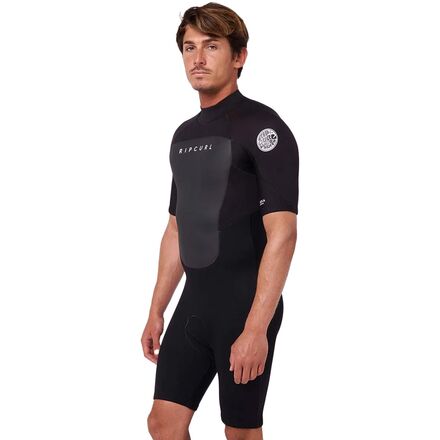
Rip Curl
Dawn Patrol 2/2GB Chest Zip Spring Wetsuit - Men's
1 color
Discount Applies In Cart | Ends 11/16

Rip Curl
E Bomb 2mm GB Wetsuit Hood
1 color
Discount Applies In Cart | Ends 11/16
Related Categories
Frequently Asked Questions
What wetsuit thickness should I choose for different water temperatures?
Match thickness to water temp first: 5/4mm or 6/4mm (torso/limbs) for cold water ~48–56°F (9–13°C) with boots and gloves, 4/3mm for cooler water ~55–63°F (13–17°C), 3/2mm for around 64–68°F (18°C) and 2mm springsuits/shorties near 70°F (21°C). Remember the first number is torso thickness and the second is limbs; prioritize torso insulation if you plan long sessions.How does the FlashBomb Fusion compare to the Dawn Patrol and the E‑Bomb/G‑Bomb lines?
FlashBomb Fusion is Rip Curl’s premium option focused on fast-drying Flash Lining and Fusion Dry Seam tech with a near stitch‑free (96%) construction for warmth and minimal water entry. Dawn Patrol is the value everyday suit (examples include 5/4mm hooded chest zip versions) that balances warmth and durability and now includes more sustainable Yulex/E5 blends on some models. E‑Bomb/G‑Bomb models prioritize maximum stretch and thermal performance with high‑end neoprenes like E6 or E7, making them better for performance surfers who need unrestricted movement.What’s the difference between E7, E6, E5 neoprene and Yulex, and how does that affect warmth and flexibility?
E7 is the lightest and most flexible Rip Curl neoprene for maximum stretch and low weight, while E6 provides high stretch with thermal benefits and E5 trades slightly more warmth for stretch compared with earlier foams. Yulex is a plant‑based natural rubber used in blends (e.g., Dawn Patrol upgrades) to improve sustainability with modest performance tradeoffs. Choose E7/E6 for performance and mobility, and E5/Yulex blends if you want a balance of warmth, durability, and lower environmental impact.Which seam construction and entry system best prevents leaks while preserving flexibility?
Glued‑and‑blindstitched (GBS) seams with internal taping (¾" E5/E6 tape on the body and spot tape on arms/hoods) are standard for water resistance and durability; Fusion Dry Seam and stitch‑free panels on FlashBomb reduce potential leak paths further. For entry, chest‑zip and zip‑free designs offer better seals and range of motion than traditional back zips, while back zips are easier to get on and off. Pick a suit with taped GBS seams and the entry style that balances seal and ease for your needs.How should a Rip Curl wetsuit fit and what should I test for paddle and surf performance?
Rip Curl suits typically have a slimmer, reduced‑panel cut, so you should expect a snug, form‑fitting feel without shoulder or chest restriction; try the suit on and perform overhead paddle and paddling motions to check flexibility. Ensure the neck, wrist, and ankle seals sit snugly without pinching, and consider sizing up or different entry systems if you have broader shoulders or plan to wear thick boots/gloves.