


Cyber Deals Are Here
Shop up to 70% off
20% Off Full-Price Items
Shop now
Insulation From $59
Daily deal! Shop now
Profile Design Bike
8 results
HSA/FSA Eligible

Profile Design
Aerobar Bracket Riser Kit
1 color
$48.50 - $54.25
Discount Applies In Cart

Profile Design
Seventeen Stem HSF Aeria Faceplate
1 color
$30.50
Discount Applies In Cart
HSA/FSA Eligible

Profile Design
WING 20c Carbon Bar
1 color
$335.00
Discount Applies In Cart
HSA/FSA Eligible

Profile Design
WING 10a Base Bar
1 color
$86.75
Discount Applies In Cart
HSA/FSA Eligible

Profile Design
Ultra FR OS Bar
1 color
$63.50
Discount Applies In Cart
HSA/FSA Eligible

Profile Design
Supersonic Ergo+ 50 SLC Aerobar
1 color
$314.00
Discount Applies In Cart
HSA/FSA Eligible

Profile Design
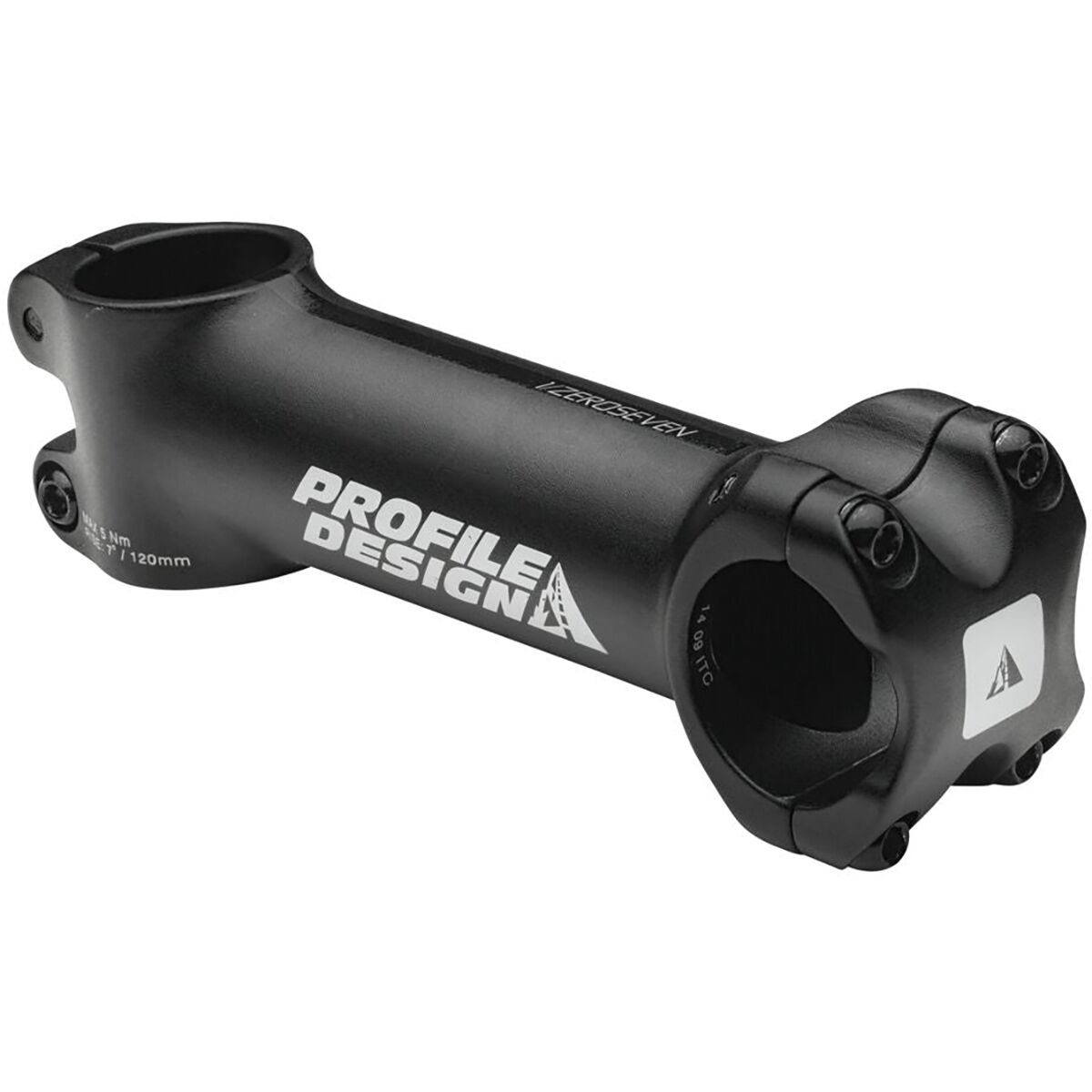
Seventeen Stem
1 color
$60.00
Discount Applies In Cart
HSA/FSA Eligible

Profile Design
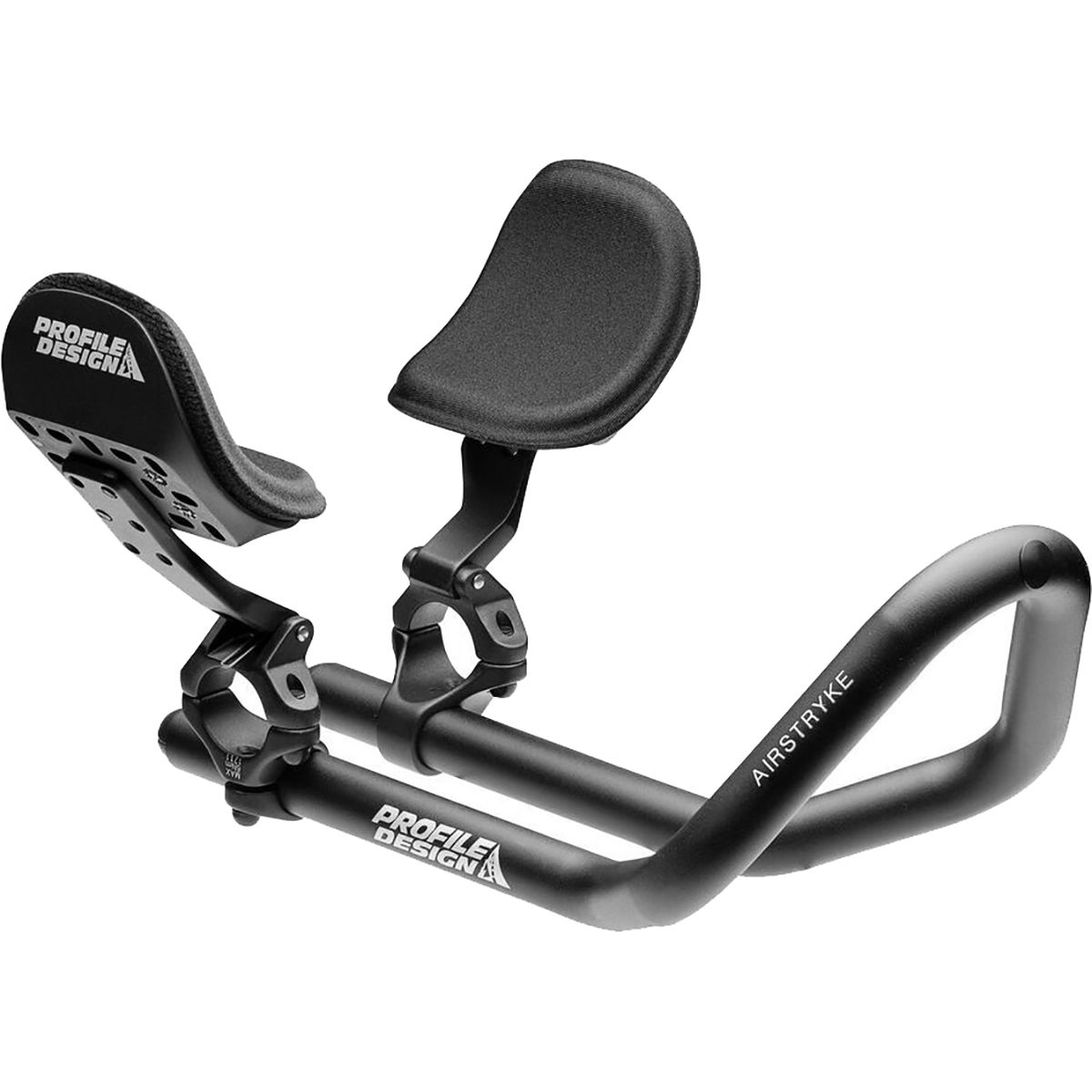
Airstryke V2 Aluminum Clip-on Aerobars
1 color
$209.00
Discount Applies In Cart
Related Categories
Frequently Asked Questions
How do I choose the right type of bike for my riding—road, gravel, mountain, or hybrid?
Match the bike to your primary terrain and riding goals: road bikes (drop bars, 700c wheels) prioritize speed and efficiency on pavement, gravel bikes offer more tire clearance and relaxed geometry for mixed surfaces, mountain bikes use wider tires and either hardtail or full‑suspension for trails, and hybrids balance comfort and utility for commuting. Consider tire width, frame geometry, and whether you need suspension or cargo mounting points to dial in the best fit for your rides.How does a hardtail mountain bike compare to a full‑suspension model?
Hardtails pair a suspension fork (e.g., RockShox Recon) with a rigid rear for simpler maintenance, greater pedaling efficiency on climbs, and lighter weight at similar price points, making them ideal for smoother trails and cross‑country. Full‑suspension bikes with rear shocks (e.g., Fox Float) absorb rough terrain better and increase descending confidence, which benefits technical or downhill riding, but they add complexity and can be heavier.Which frame material should I pick—aluminum, carbon, steel, or titanium?
Aluminum frames are stiff and light for the price and suit riders wanting responsive handling; carbon fiber offers the best strength‑to‑weight and vibration damping for performance road or XC bikes; steel provides durability and a forgiving ride for touring and commuters; titanium blends comfort and corrosion resistance with long‑term durability. Consider how much you value ride feel, weight, and longevity when choosing material, and match it to your intended use.How should I size a bike and check standover, reach, and fit?
Start with the manufacturer’s size chart using your height and inseam, then check standover height (clearance between your crotch and the top tube) and reach/stack measurements to ensure comfortable cockpit position; mountain bikes typically need more standover clearance than road bikes. Take a test ride if possible and consider a professional bike fit to fine‑tune saddle height, stem length, and handlebar position for comfort and power.What drivetrain and brake setups are best for different terrains and skill levels?
For off‑road use, 1x drivetrains (common with Shimano Deore or SRAM GX) simplify shifting and reduce dropped chain issues, while 2x drivetrains (Shimano Ultegra or SRAM Rival on road) provide tighter gear spacing and a wider overall range for varied gradients. Hydraulic disc brakes are recommended for consistent stopping power in wet and technical conditions, while mechanical discs are simpler to service; choose components that balance durability, shifting precision, and maintenance needs for your riding style.