


Up To 70% Off Black Friday Sale
More brands added | Shop now
20% Off Full-Price Items
Shop now
Camp & Travel Up To 70% Off
Daily deal! Shop now
POC Fly Fishing Essentials
4 results

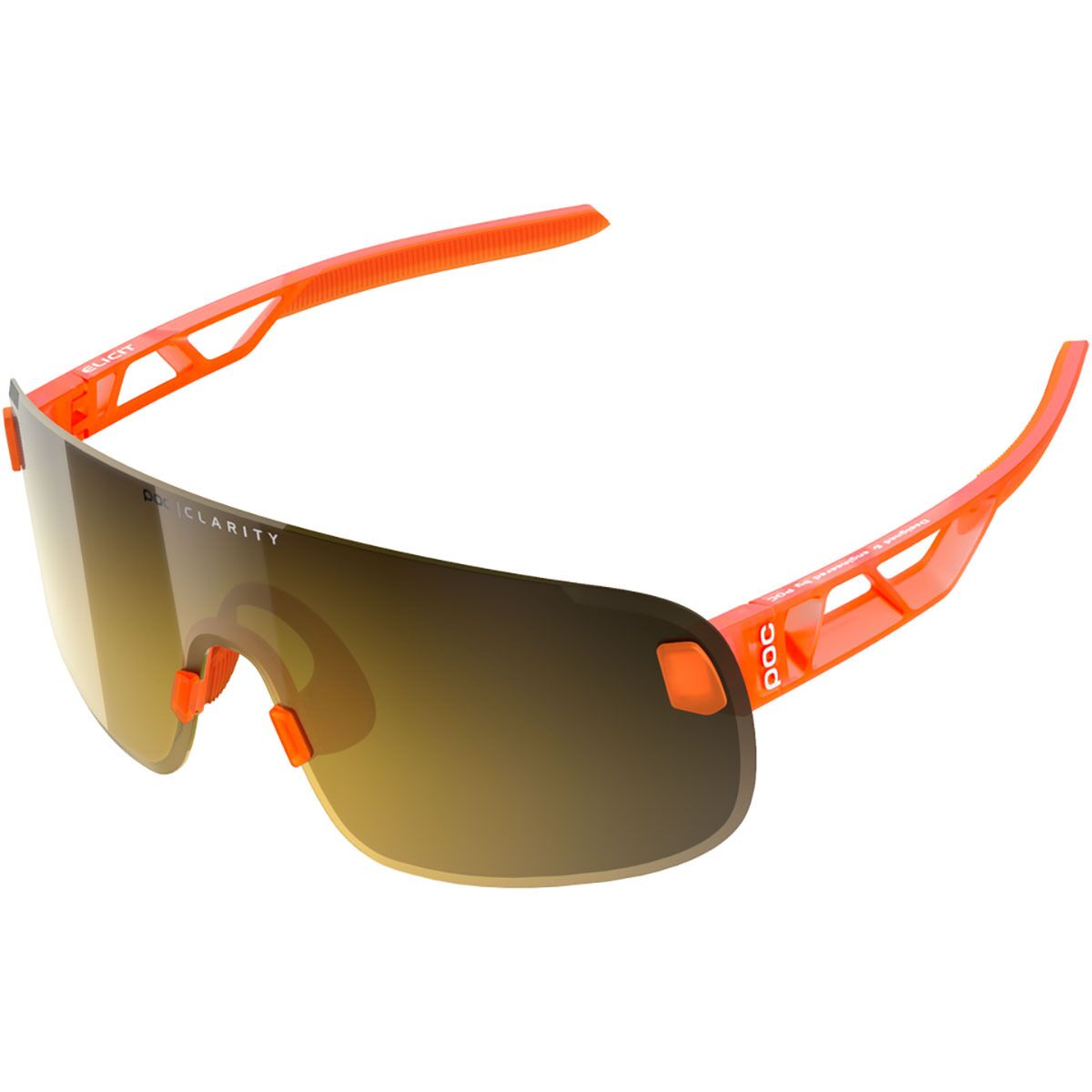
POC
Elicit Toric Limited Edition Sunglasses
2 colors
$69.00 - $230.00
Up to 70% off
Daily Deal | Today ONLY


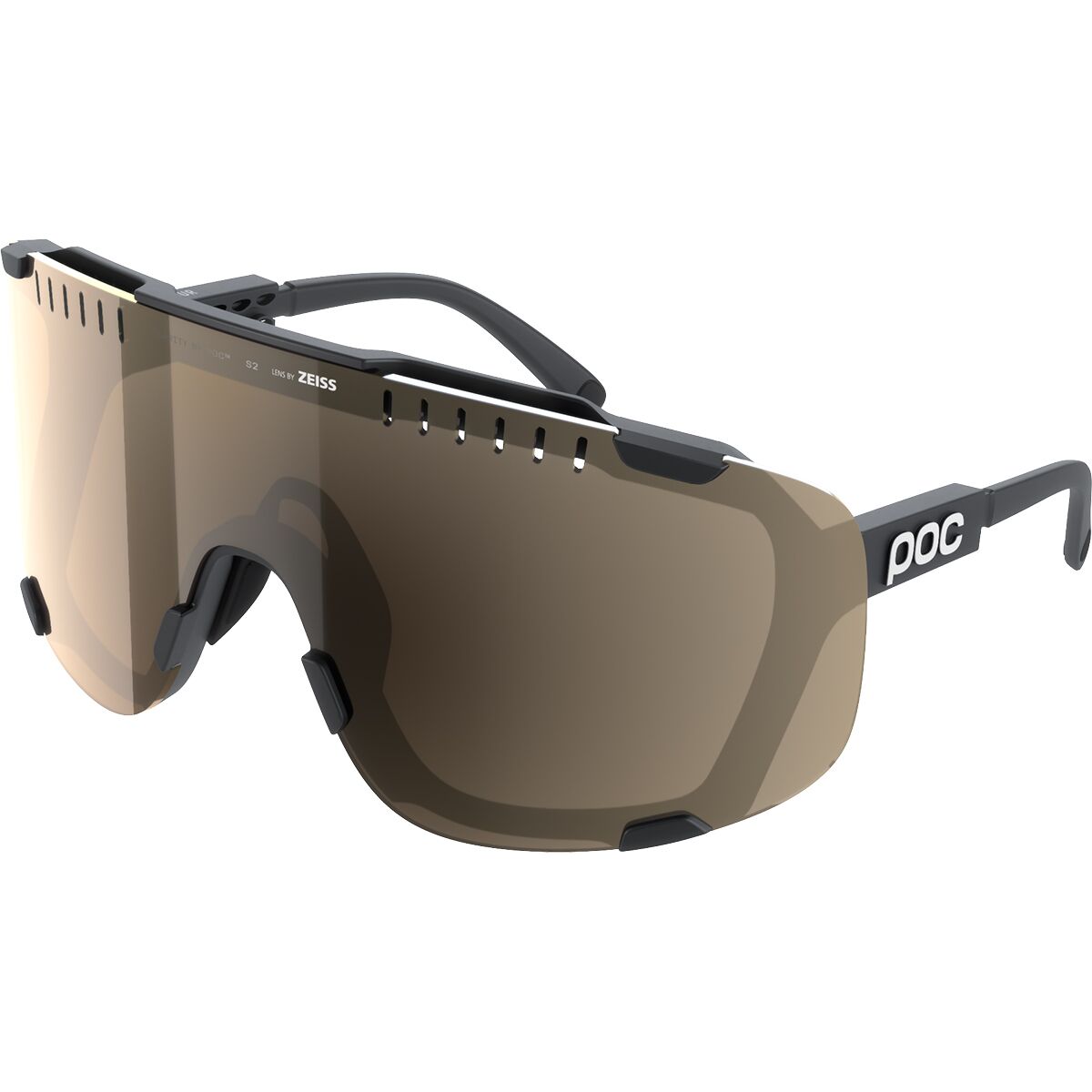
POC
Devour Sunglasses
1 color
$300.00

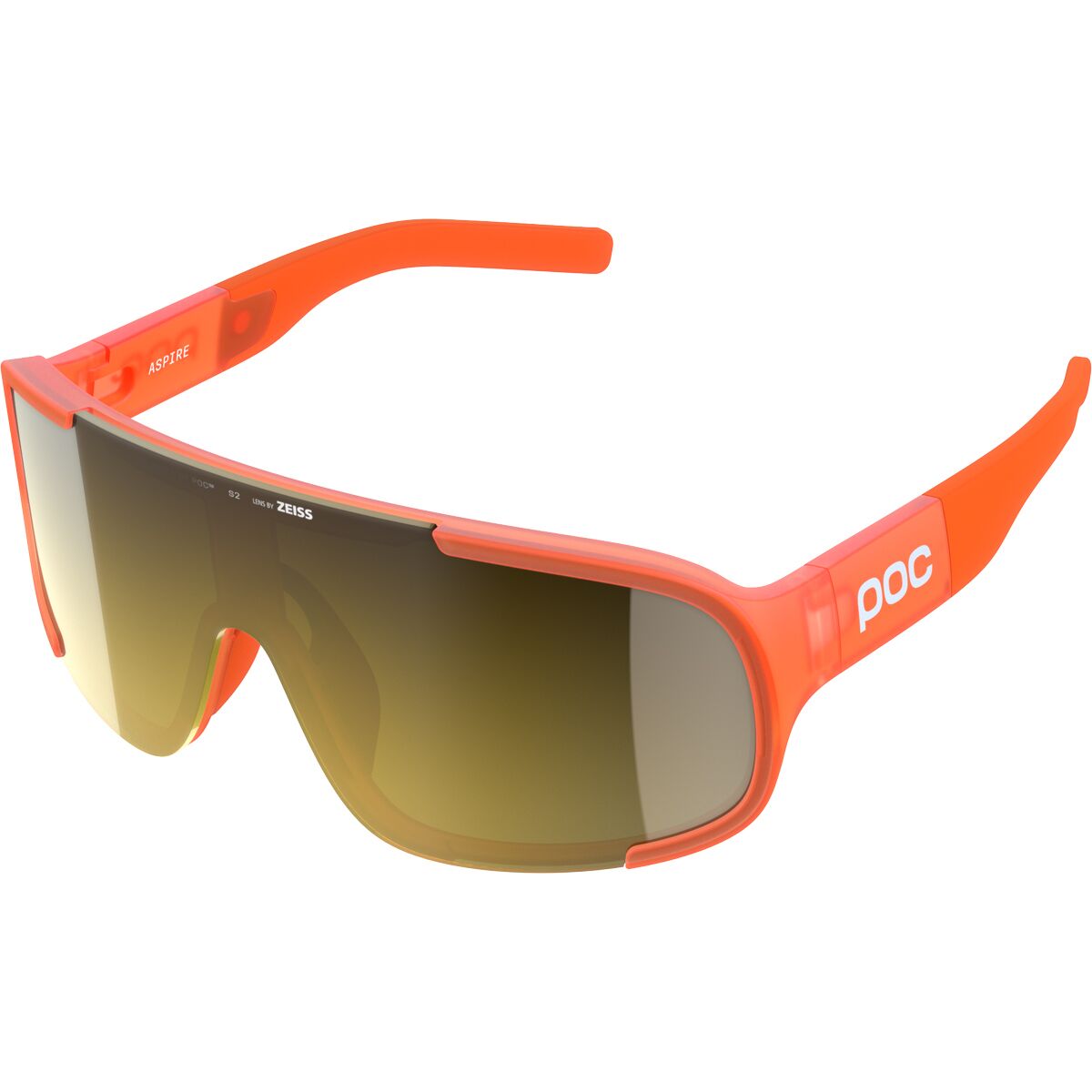
POC
Devour Ultra Sunglasses
1 color
$300.00

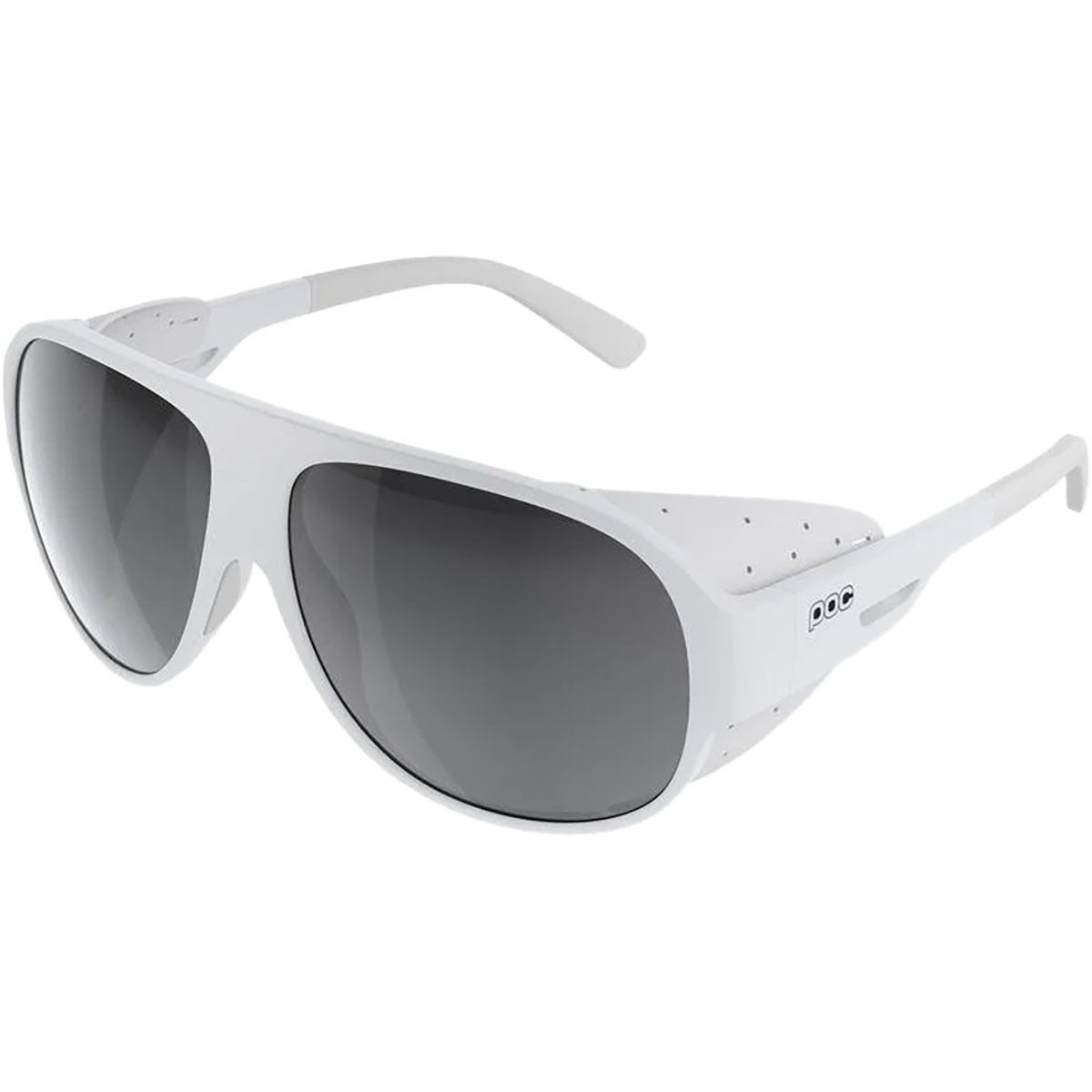
POC
Devour Photochromic Sunglasses
1 color
$330.00
Related Categories
Frequently Asked Questions
What rod weight and length should I choose for general trout fishing?
For most trout situations a 9' 5-weight fly rod is the most versatile choice — it handles dry flies, nymphs, and small streamers across rivers and lakes. Choose a shorter 7–8' 3–4wt for tight, small-stream fishing or a longer 9'–10' 6–7wt if you expect larger trout, windy conditions, or want to throw bigger streamers. Match rod action (fast vs. medium) to your casting skill and the presentation you want.How does a weight‑forward (WF) floating fly line compare to a double‑taper (DT) line?
A WF floating line concentrates mass in the first 30–40 feet to load fast-action rods and turn over large flies or wind, making it ideal for distance and mending. A DT line offers more delicate presentations, easier roll casts, and reversible taper for even wear, so it’s preferred for short-line dry‑fly work and precise presentations. Choose WF for general-purpose fishing and windier, longer casts; choose DT for close-range finesse and classic dry‑fly techniques.What are the advantages of graphite composite rods and cork handles versus other materials?
Graphite composite rods (often marketed as “graphite” or “carbon”) deliver high sensitivity, light weight, and faster action, which helps with longer casts and better hook sets compared to heavier materials. Cork handles provide a secure, comfortable grip that insulates your hands in cold water and offers better tactile feedback than foam or rubber. For anglers focused on performance and feel, a graphite rod with a quality cork grip is a common upgrade.When should I choose chest waders over hip waders, and what should I look for in wading boots?
Choose chest waders when you need maximum waterproof coverage, warmth, and protection for deep wading or cold conditions; hip waders are lighter and fine for shallow wading and warm weather. Look for breathable fabrics (Gore‑Tex or similar), reinforced knees, and taped seams for durability; wading boots should match your fishing environment with felt or rubber soles, aggressive lug patterns, and the option for studs or cleats on slippery riverbeds. Prioritize fit and ankle support to reduce fatigue and improve safety while wading.How do I size leaders and tippets, and how do I match them to my line weight and fly size?
Use a 7.5–9' tapered leader as a general starting point and match the leader butt diameter to your fly line’s taper for smooth energy transfer; shorter leaders can improve turnover in heavy wind, while longer leaders aid delicate presentation. Select tippet by X‑rating or pound‑test to match fly size and target species—use heavier tippet for large streamers or toothy fish and finer tippet for small dry flies or spooky trout. Always test knots and change tippet diameter progressively from leader butt to fly to maintain strength and presentation.