


Up To 20% Off Full-Price Items
Shop now
EXTRA 20% Off Clearance
Shop now | Ends 11/9
Get An EXTRA $50 Cash Back*
Summit+ exclusive
POC Fly Fishing
4 results

POC
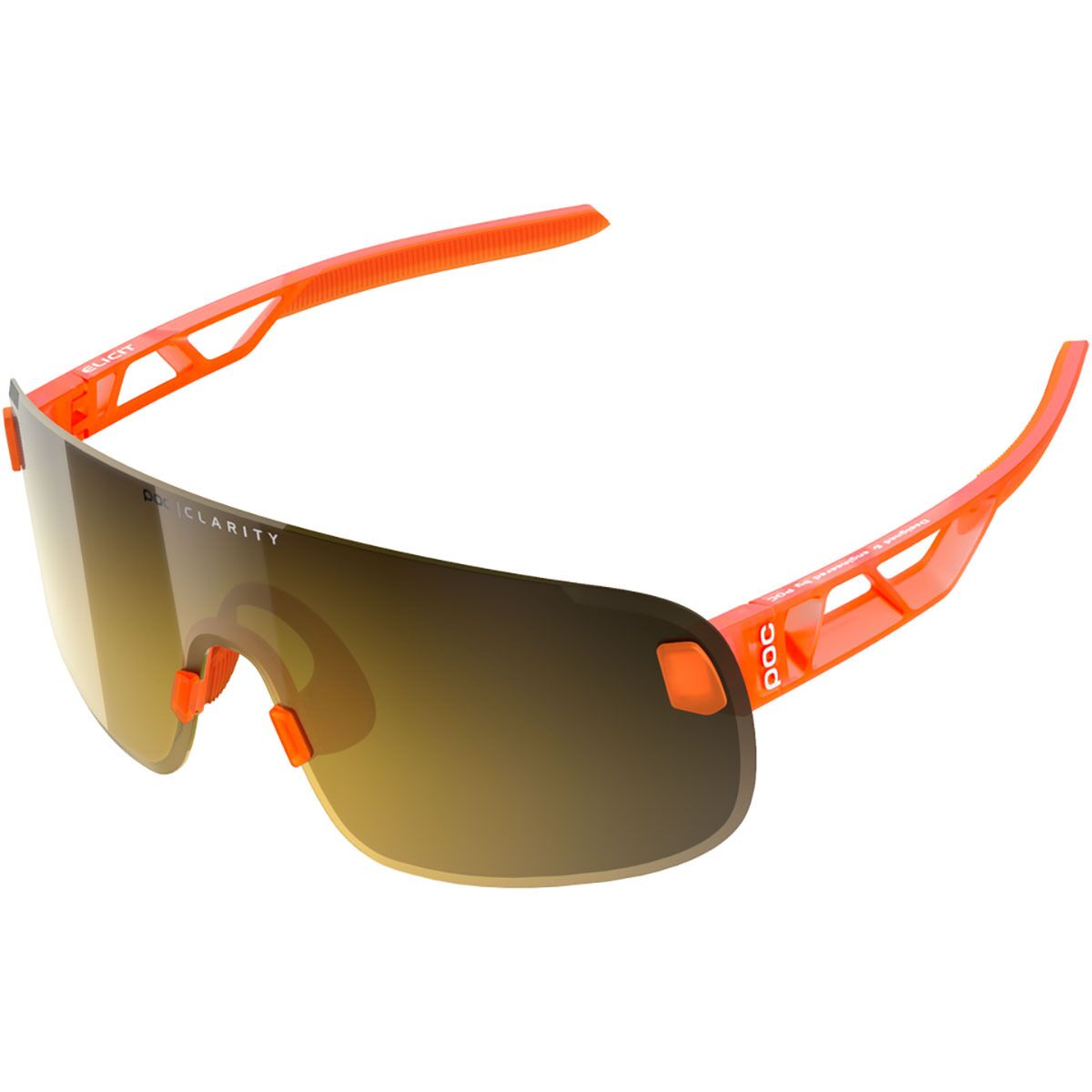
Elicit Toric Limited Edition Sunglasses
2 colors
$115.00 - $230.00
Up to 50% off
Winter Sale

POC
Devour Ultra Sunglasses
1 color
$300.00


POC
Devour Sunglasses
1 color
$300.00

POC
Devour Photochromic Sunglasses
1 color
$330.00
Related Categories
Frequently Asked Questions
How do I choose the right fly rod weight and length for trout, bass, and saltwater fishing?
Match rod weight (wt) to target species and conditions: a 9-foot 5-weight is the classic all-around trout setup, 2–4wt for small streams or panfish, and 8wt+ for bass or saltwater where wind and larger fish require more power. Choose shorter rods (7–8 ft) for tight, brushy streams and longer rods (9+ ft) for open water and mending line; beginners often start with a 9-ft 5wt or an 8wt saltwater outfit depending on target species.What’s the difference between fast-action graphite rods and medium- or medium-fast rods, and when should I choose each?
Fast-action graphite (or graphite/boron layups) bends mostly in the tip, delivering higher line speed for punching into wind and handling big fish, while medium or medium-fast rods offer a softer loading, easier casting feel, and more forgiveness for learning anglers. Pick fast-action for windy saltwater flats or fishing heavy flies, and medium-fast as a versatile option for beginners fishing lakes and trout streams.How should I match a fly reel and drag system to my rod and the fish I’m targeting?
For rods under 5wt and small trout work, a lightweight click-and-pawl reel provides simple, reliable stopping power; for 5wt and above, especially for bass or saltwater, choose a sealed disc-drag reel to manage long runs and corrosive environments. Also verify balance—mount the reel so the rod/reel combo feels neutral in hand—and look for a secure reel seat with a locking ring or fixed hood.What line, leader, and tippet setups work best for different situations and flies?
Use a weight-forward (WF) fly line matched to your rod (e.g., WF5F on a 5wt rod) and select floating, sink-tip, or full-sink cores based on depth and presentation needs; floating lines and a tapered 9-ft leader are ideal for dry flies and nymphs, while sink tips or full-sink lines suit deeper or windy conditions. Choose tippet material and diameter to match fly size and species—use 4X–6X for trout dries and 0X–3X for bass or saltwater flies—and keep floatants like Gink handy for dry-fly buoyancy.How does a 9-foot 5-weight rod compare to a 9-foot 8-weight rod in versatility and target use?
A 9-ft 5wt is the most versatile freshwater rod for trout, panfish, and light bass work—easy to cast light dry flies and nymphs—whereas a 9-ft 8wt supplies the additional backbone and line-speed needed for larger bass, bonefish, or windy beaches. The 8wt typically pairs with a sealed disc-drag reel and heavier tippet, while the 5wt works well with a click-and-pawl or light disc reel and finer tippets for delicate presentations.