


Up To 20% Off Full-Price Items
Shop now
EXTRA 20% Off Clearance
Shop now | Ends 11/9
Get An EXTRA $50 Cash Back*
Summit+ exclusive
Mammut Women's Approach Shoes
3 results

Mammut
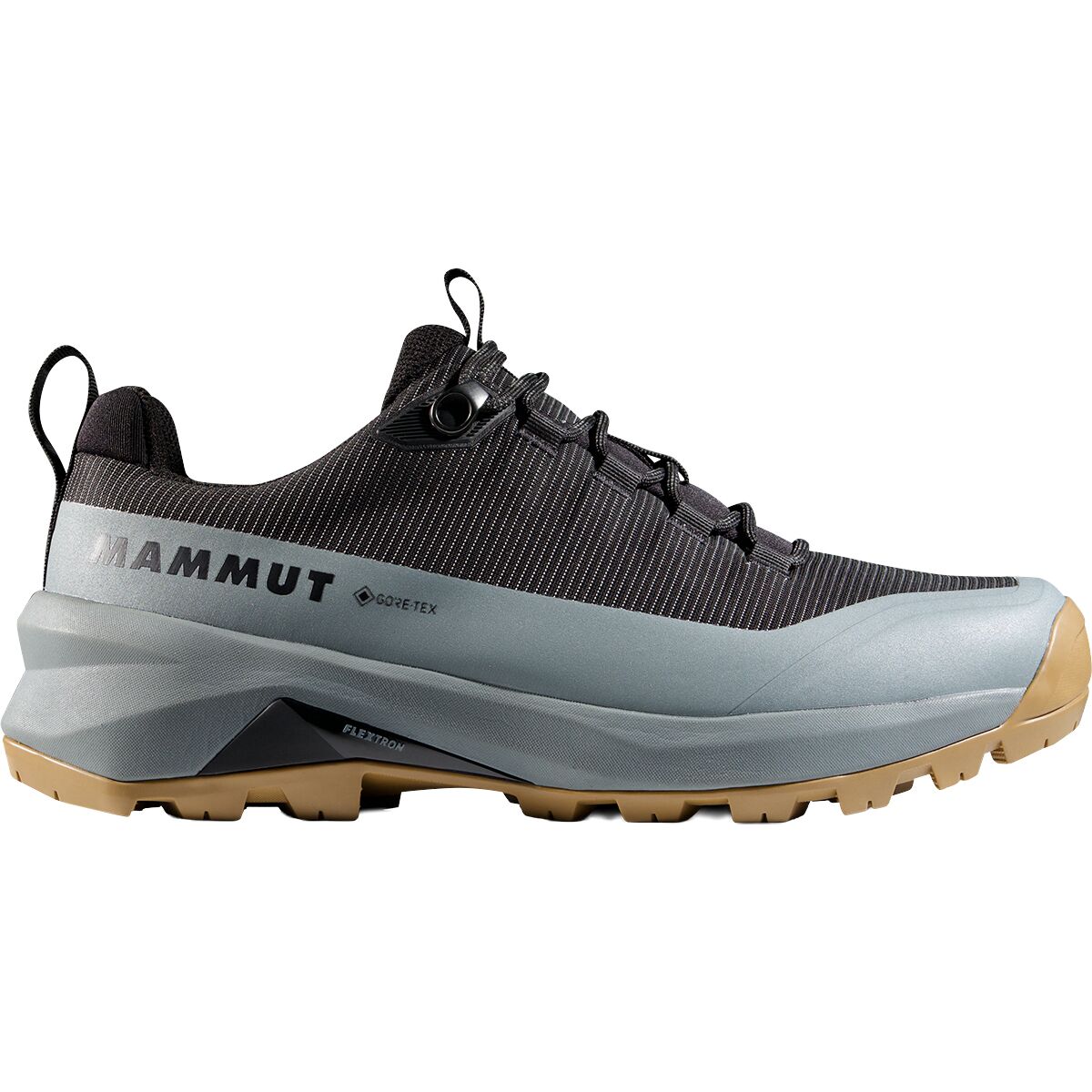
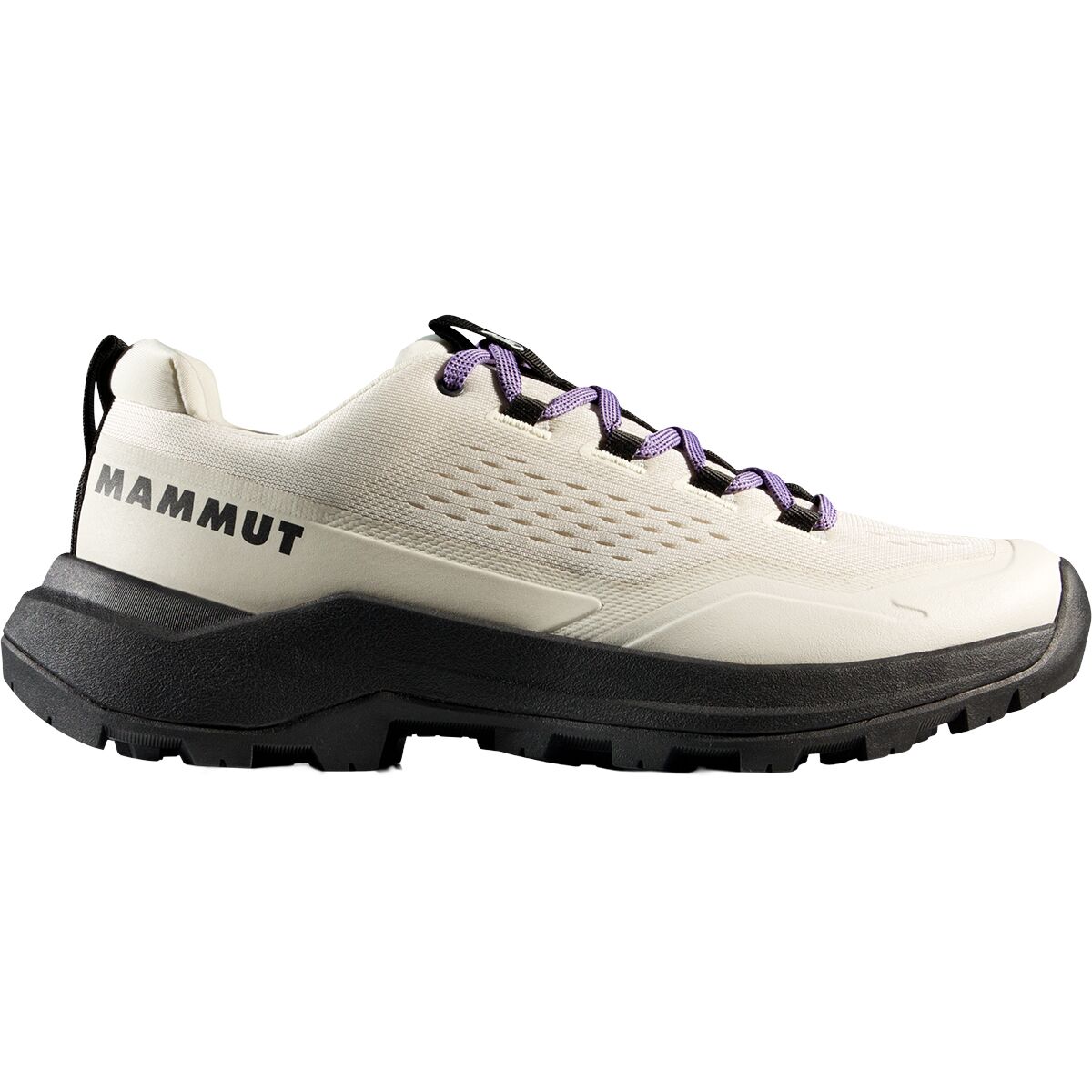
Alnasca Hybrid Low Approach Shoe - Women's
2 colors
$119.00
Discount Applies In Cart | Ends 11/16
(1)

Mammut
Alnasca IV Low LTH Approach Shoe - Women's
1 color
$159.00
Discount Applies In Cart | Ends 11/16

Mammut
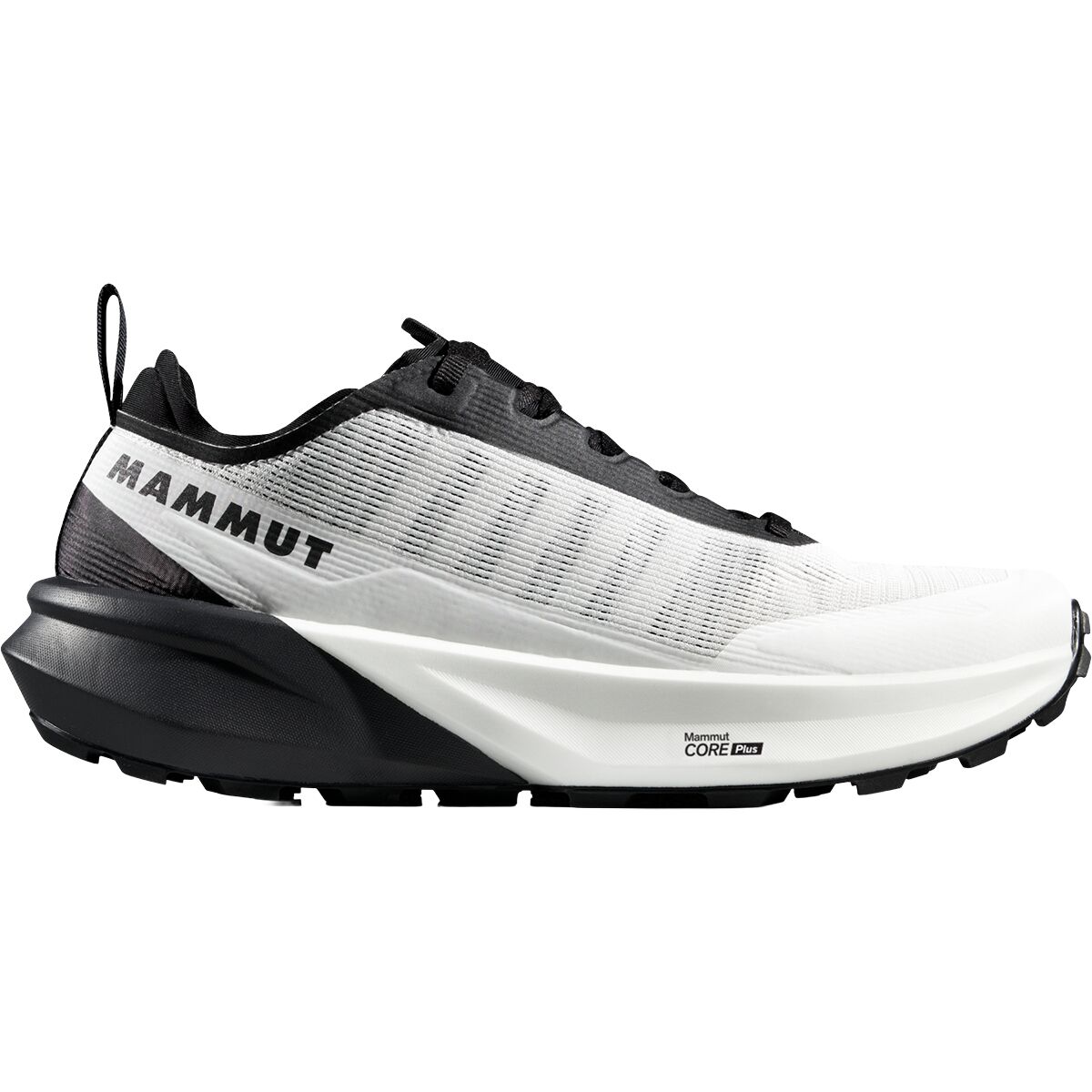
Alnasca Knit III Low Approach Shoe - Women's
1 color
Current price: $87.45 Original price: $159.00
45% off
Winter Sale
(1)
Related Categories

Frequently Asked Questions
How do I choose the right flex index for Mammut women's approach shoes?
Pick a lower flex (A5 or similar) if you want more comfort and smoother stride on long hikes, and a higher flex (A6) if you need edge support and precision on steep rock and technical terrain. For example, the Alnasca Knit III Low GTX sits at a lower flex for livelier walking, while the Alnasca IV Low LTH GTX with an A6-style stiffness gives better stability on ledges and small holds. Consider the trade-off between stiffness for precision and weight/flex for all-day comfort.How does the Alnasca IV Low LTH GTX Women compare to the Alnasca Knit III Low GTX Women?
The Alnasca IV Low LTH GTX is a stiffer, leather-built option (~350g US7) that prioritizes stability and abrasion resistance on technical approaches, whereas the Alnasca Knit III Low GTX is lighter (~320g US7) with a 3D knit upper for more flexibility and breathability. Both use GORE-TEX linings and sticky rubber with a dedicated climbing zone, but the IV LTH’s higher flex and beefier construction favor steep terrain while the Knit III favors longer carries and mixed use. Choose the Knit for comfort and weight savings, the IV LTH for edge precision and durability.Are Mammut women's approach shoes waterproof and breathable enough for wet alpine conditions?
Yes, many Mammut women's approach models feature GORE-TEX membranes that provide waterproof and breathable protection to keep feet dry in rain and wet scree while wicking internal moisture. Breathability will be lower than unlined, highly ventilated shoes, so for hot, non-wet conditions you may prefer a non-GORE-TEX variant. Regular drying and cleaning of the membrane and leather/knit uppers preserves performance.What fit and sizing tips help lock my heel and prevent slippage on technical approaches?
Look for Mammut’s Mountain Performance Fit and Base Fit lacing system: a close heel/arch wrap plus sliding webbing transfers lacing power to the sole for a secure heel lock. Try shoes with the socks you’ll wear climbing, lace all the way to the toes for precise forefoot hold, and expect some molding over time from supple uppers like calf leather or knit. If you frequently use small edges, prioritize a snug heel and midfoot even if the toe box feels slightly roomier for downhill comfort.Which sole compound and tread pattern should I choose for mixed rock and long approaches?
For technical rock and superior friction on slabs, pick models with a high-natural-rubber sticky compound and a pronounced climbing zone (smooth toe) — these deliver better edging and toe friction. For long approaches that cross dirt, scree, and occasional road, Vibram XS Trek or Michelin-based tread patterns with lugged midfoot and cushioned midsoles offer better traction and comfort; many Mammut designs blend a low-tread climbing zone with lugged heel/midfoot to balance both needs. Also consider features like a Flextron/TPU shank for propulsion and an ~11mm heel drop for a stable ride when weighting edges.