


Up To 20% Off Full-Price Items
Shop now
EXTRA 20% Off Clearance
Shop now | Ends 11/9
Get An EXTRA $50 Cash Back*
Summit+ exclusive
L1 Snowboard
1 result

L1
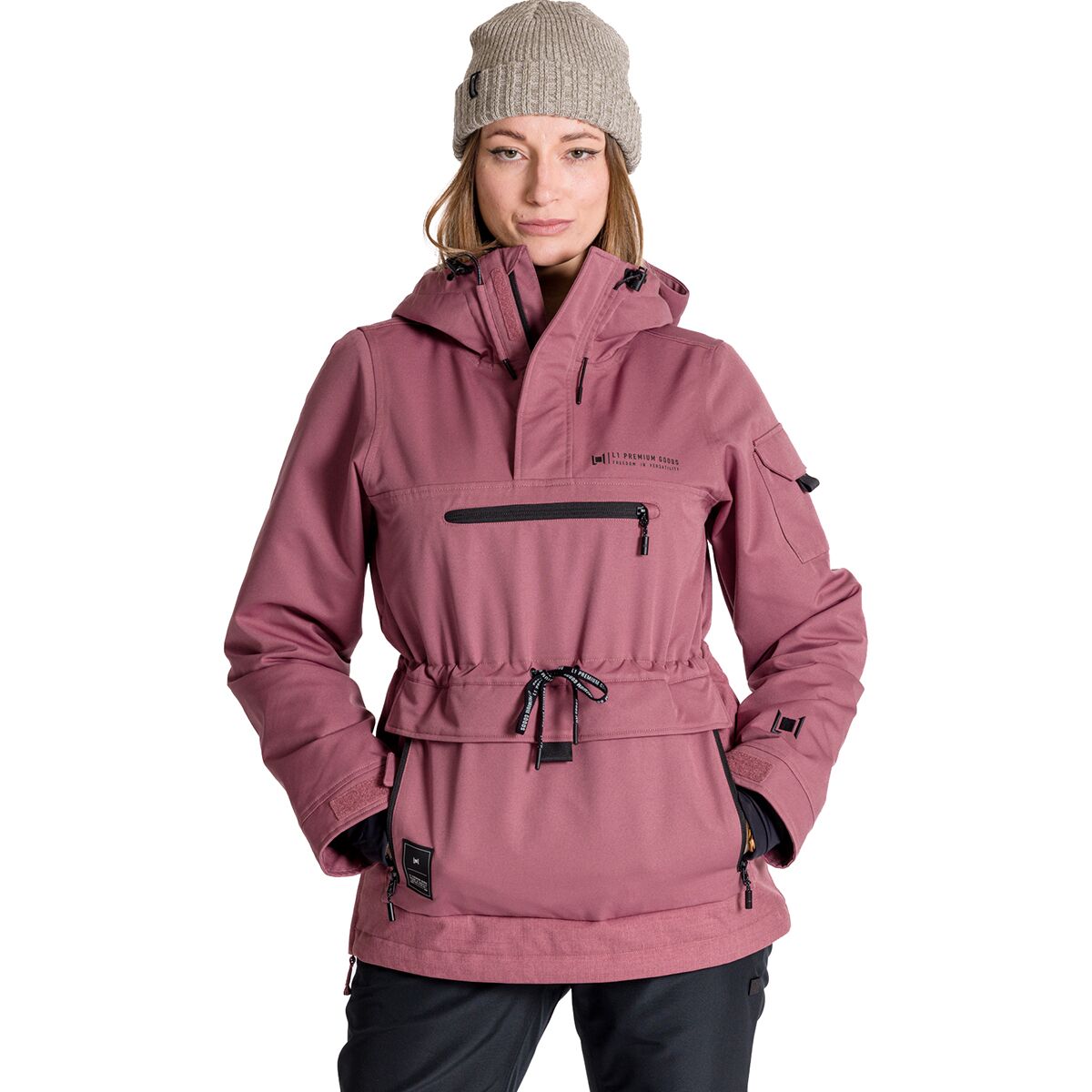
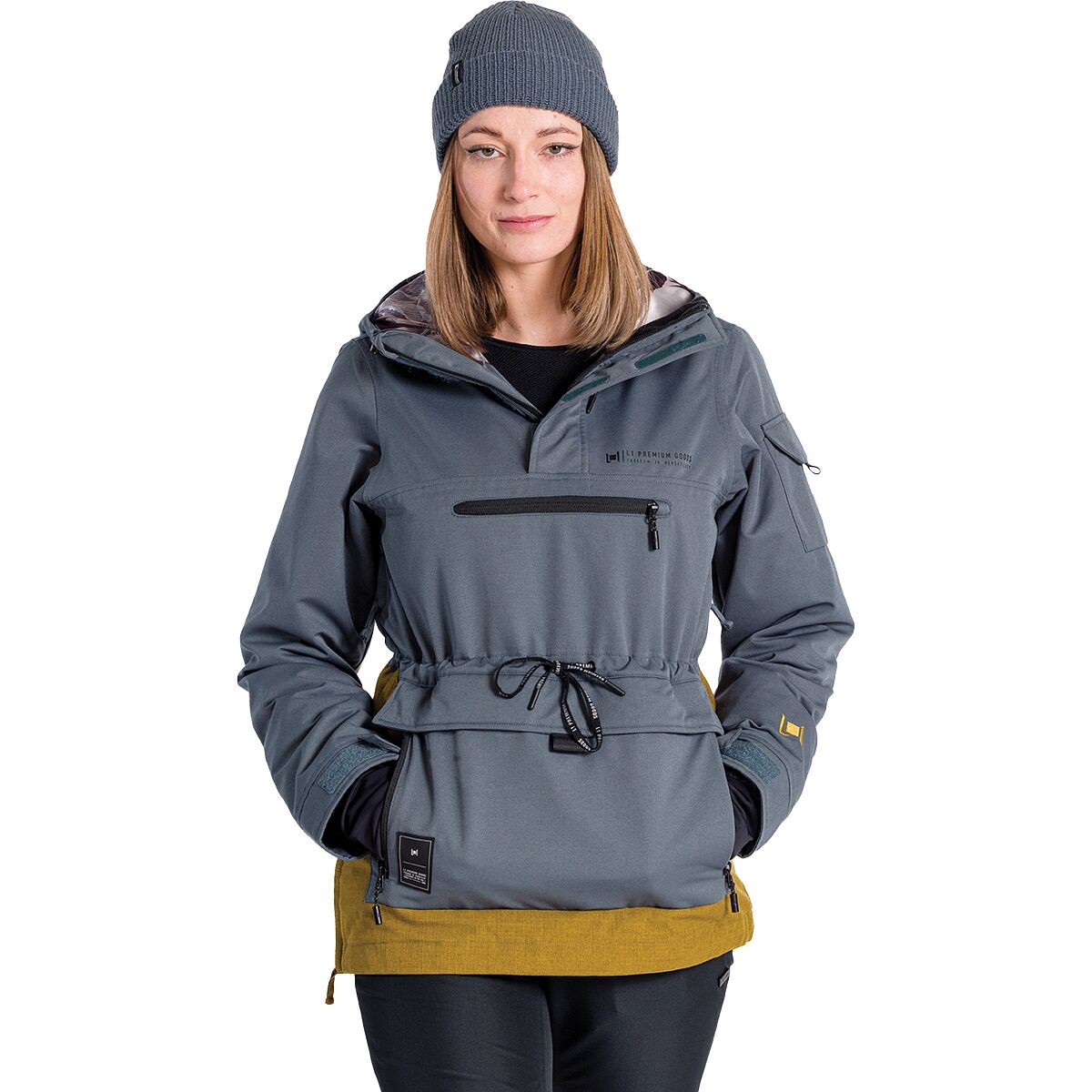
Prowler Jacket - Women's
2 colors
Current price: $121.48 - $134.98 Original price: $269.95
Up to 55% off
Extra 20% Off Clearance | Ends 11/9
Related Categories
Frequently Asked Questions
What shape and profile should I choose in an L1 snowboard for my riding style?
Choose a directional or directional-twin if you ride mostly freeride or powder—those shapes give a longer nose and better flotation. True twin boards with a centered stance and a rocker or hybrid profile work better for park and switch riding, while camber-dominant or hybrid camber profiles provide edge hold and pop for hardpack and mixed conditions.What flex and construction features make an L1 board better for steep, technical terrain?
Look for a stiffer flex, carbon stringers, and mixed triax-over-biax glassing to increase stability at speed and dampen chatter on variable snow. Lighter paulownia/poplar-style cores and reinforced binding areas balance tour-friendly weight with durability for big-mountain charging.How does an L1 splitboard differ from L1’s resort all-mountain or freeride boards?
L1 splitboards are built lighter and include touring-friendly features like tip/tail notches and compatibility with skins and tour-mode bindings, plus slightly different camber balance for uphill control. On the descent they retain the board’s core stiffness and edge reinforcements but often use a slightly setback stance and wider nose for flotation in deep snow.How does an L1 all-mountain model compare to an L1 freestyle/park model?
All-mountain L1 models typically have medium-to-stiff flex, a directional or directional-twin shape, and wider waists for stability and float across varied terrain, while freestyle/park models use softer flex, a true twin shape, and more pop-focused laminates for presses and ollies. Choose all-mountain for versatility and variable conditions; pick the park-specific board if you prioritize jibbing, spinning, and switch riding.What size L1 snowboard should I pick based on my height, weight, and preferred terrain?
For freeride and powder go longer for added float and at-speed stability; for park and technical tree runs choose a shorter board for quicker pivots. Match waist width to your boot size to avoid toe/heel drag, use a slight setback for powder or splitboards, and follow the manufacturer’s size chart plus your weight—if unsure, opt to demo the most likely length.