


Up To 20% Off Full-Price Items
Shop now
EXTRA 20% Off Clearance
Shop now | Ends 11/9
Get An EXTRA $50 Cash Back*
Summit+ exclusive
L1 Ski
1 result

L1
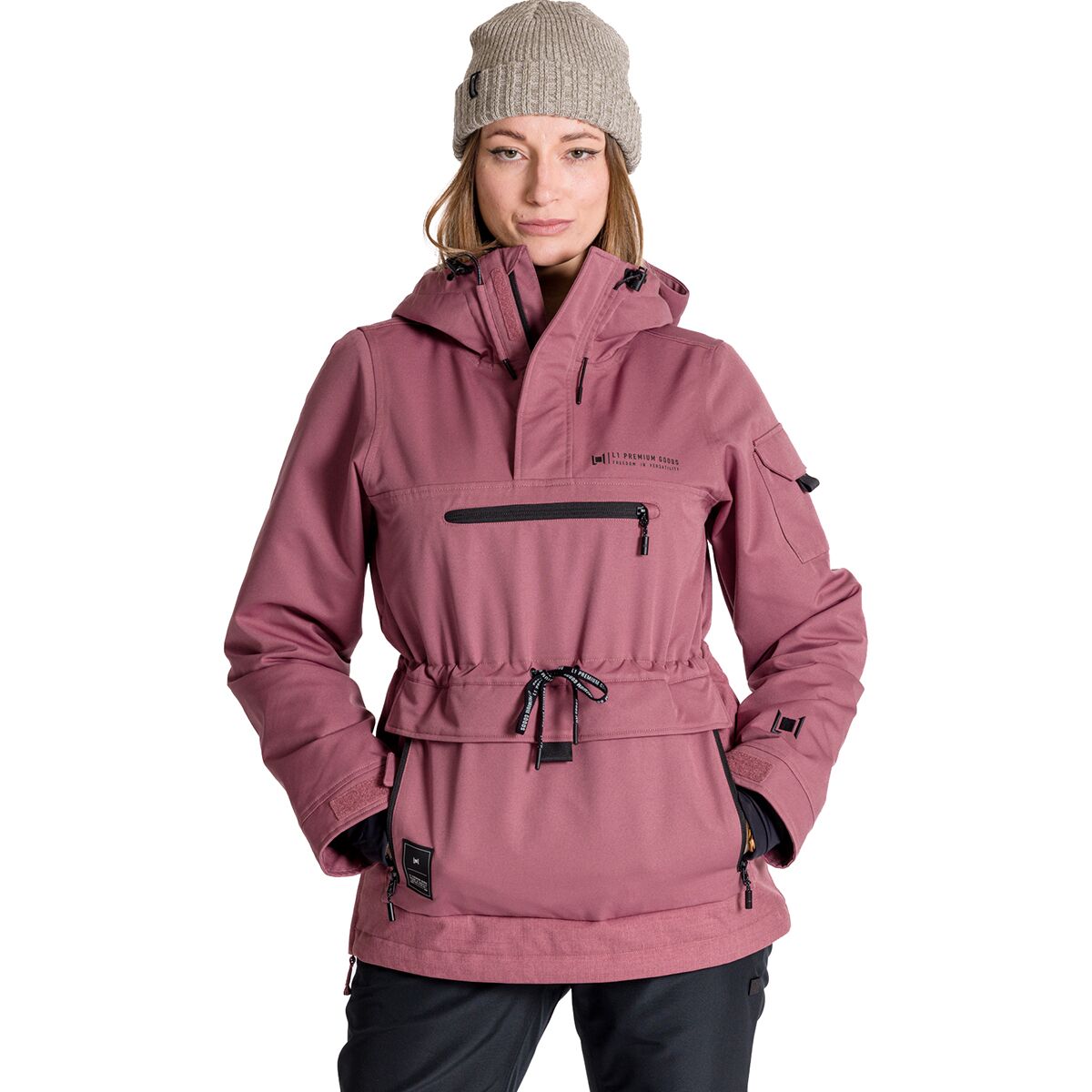
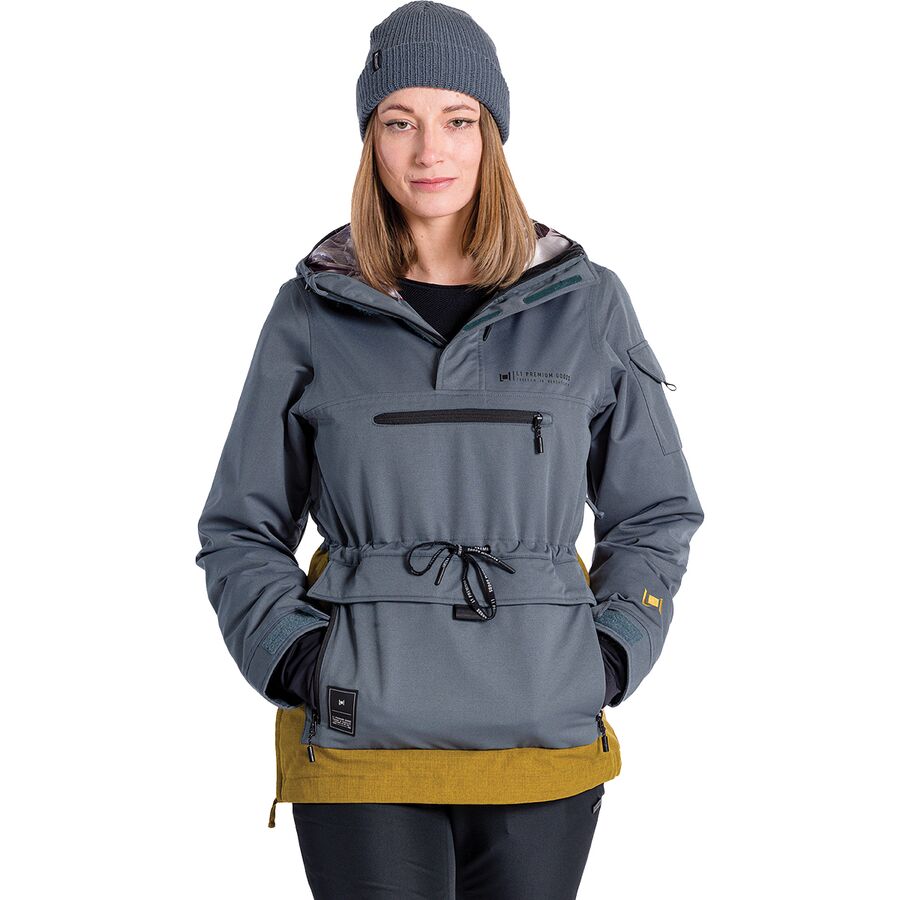
Prowler Jacket - Women's
2 colors
Current price: $121.48 - $134.98 Original price: $269.95
Up to 55% off
Extra 20% Off Clearance | Ends 11/9
Related Categories
Frequently Asked Questions
How do I choose the right L1 backcountry ski for the terrain I ride and my skill level?
Start by matching waist width and length to terrain and weight: mid‑fat waists (about 90–110mm) balance uphill efficiency and powder float, while wider skis suit open bowls and lighter, narrower skis help trees and tight terrain. Size skis based on total system weight (your weight plus pack) rather than height, and favor stiffer, wider shapes for advanced skiers who prioritize high‑speed stability and softer, lighter designs for efficient skinning and lighter-weight touring. Demo when possible and consult manufacturer size charts to fine-tune flex and length.What boot and binding setup pairs best with L1 alpine touring skis?
Tech/pin bindings are the standard pairing for L1 AT skis because they dramatically reduce weight for the uphill while offering secure downhill performance; look for bindings with heel risers for long climbs and a reliable release system for your skill level. Choose boots with tech-compatible toes, a snug forefoot fit and an appropriate flex (many backcountry setups use boots in the ~90–115+ flex range depending on aggressiveness) to balance comfort on the skin track and control on descents.How do lightweight L1 AT skis compare to L1 mid‑fat touring skis?
Lightweight AT skis prioritize minimum weight and efficient skinning, making them ideal for long approaches and steep technical tours, but they typically trade some downhill stability and float in very deep snow. Mid‑fat touring skis (around 95–110mm) offer a more versatile compromise: a modest weight penalty uphill for noticeably better float and stability in variable, deeper snow and on chopped terrain. Choose lightweight models for long, steep tours where uphill time matters most and mid‑fat shapes if you want one ski that performs well across most backcountry conditions.Are L1 skis compatible with pre‑cut skins and how should I fit skins to them?
Many L1 touring skis accept pre‑cut or trimmable skins; skis frequently include tip clips or notches for secure attachment and a recommended glue pattern for the base. If you use universal skins, trim the length and width to the manufacturer’s guidelines, fit the tip clip or loop to the ski’s tip geometry, and check glue adhesion before heading into cold, wet snow to avoid lift on the skin track.Which materials and construction features give L1 touring skis both uphill efficiency and dependable downhill performance?
L1 skis typically use lightweight poplar or mixed wood cores combined with fiberglass laminates to keep weight low while preserving pop and edge hold; some models add targeted reinforcements like carbon or denser wood in key zones to boost torsional stiffness without a big weight penalty. Rocker profiles and early rise tips improve float in soft snow and make turn initiation easier, while thoughtful sidewall or edge construction maintains durability and grip on harder snow; the result is a balance between efficient climbing and controlled descents.