


Up To 20% Off Full-Price Items
Shop now
EXTRA 20% Off Clearance
Shop now | Ends 11/9
Get An EXTRA $50 Cash Back*
Summit+ exclusive
Kuat Paddle
20 results

Kuat
RackDock Hitch Storage
2 colors
$98.00
(3)

Kuat
Piston SR 2in Hitch Adapter
1 color
$198.00
(1)

Kuat
Hi-Lo Pro Hitch Extension
1 color
$169.00

Kuat
Access Bike Ramp for NV 2.0 Family
1 color
$129.00
(2)

Kuat
4 Pin Flat Rack To Car Wiring Harness
1 color
$39.00

Kuat
Piston E-Bike Ramp
1 color
$129.00
(1)

Kuat
Hi-Lo Hitch Extension
1 color
$119.00

Kuat
Piston ION - License Plate Mount
1 color
$49.00

Kuat
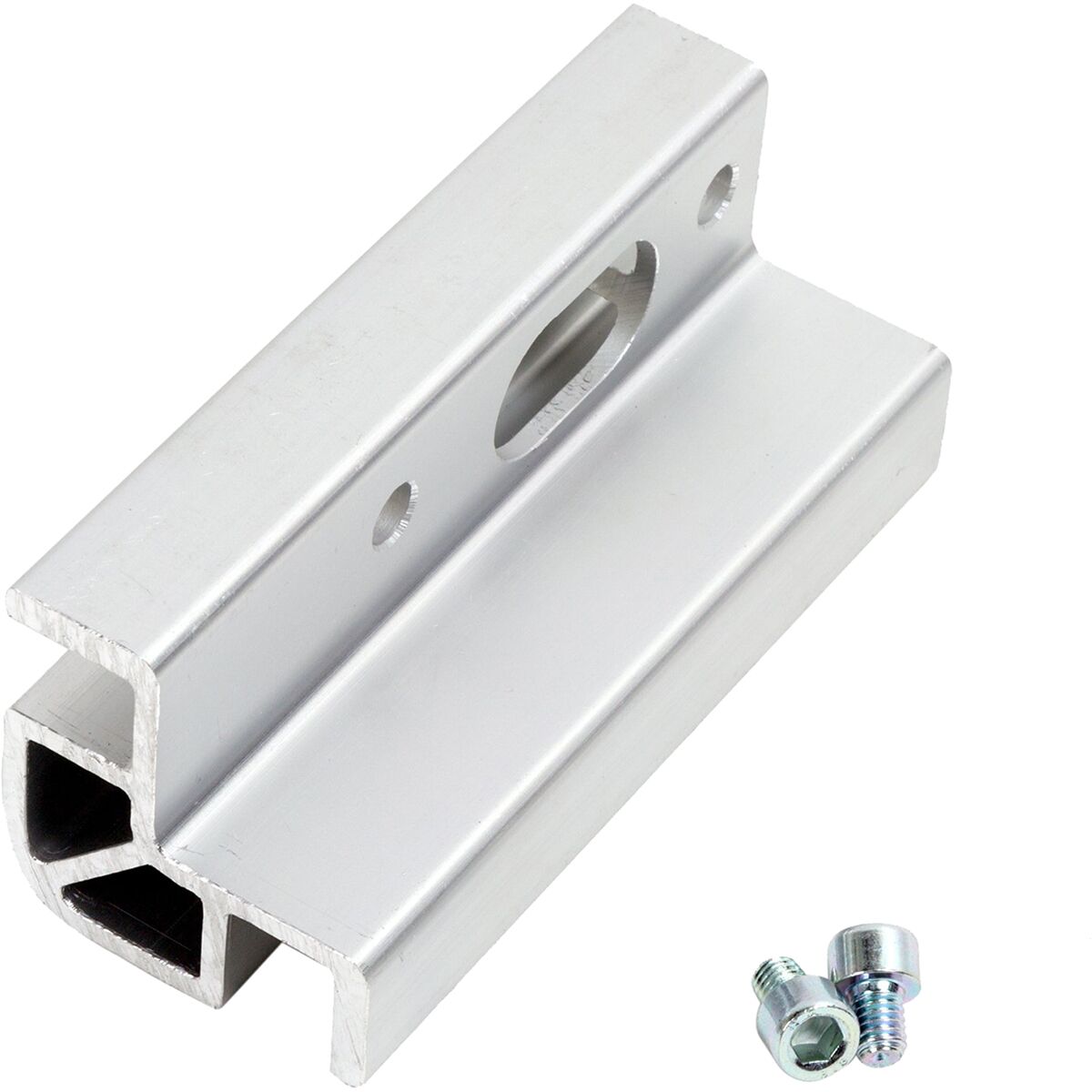
Hitch Adapter
1 color
$25.00
(1)

Kuat
Tri Doc
1 color
$98.00

Kuat
Hitch Lock V4
1 color
$23.99 - $29.99
Up to 20% off
Winter Sale

Kuat
Piston Fender Strap Kit
1 color
$19.00

Kuat
Trio Fork Adapter
1 color
$19.00
New Arrival

Kuat
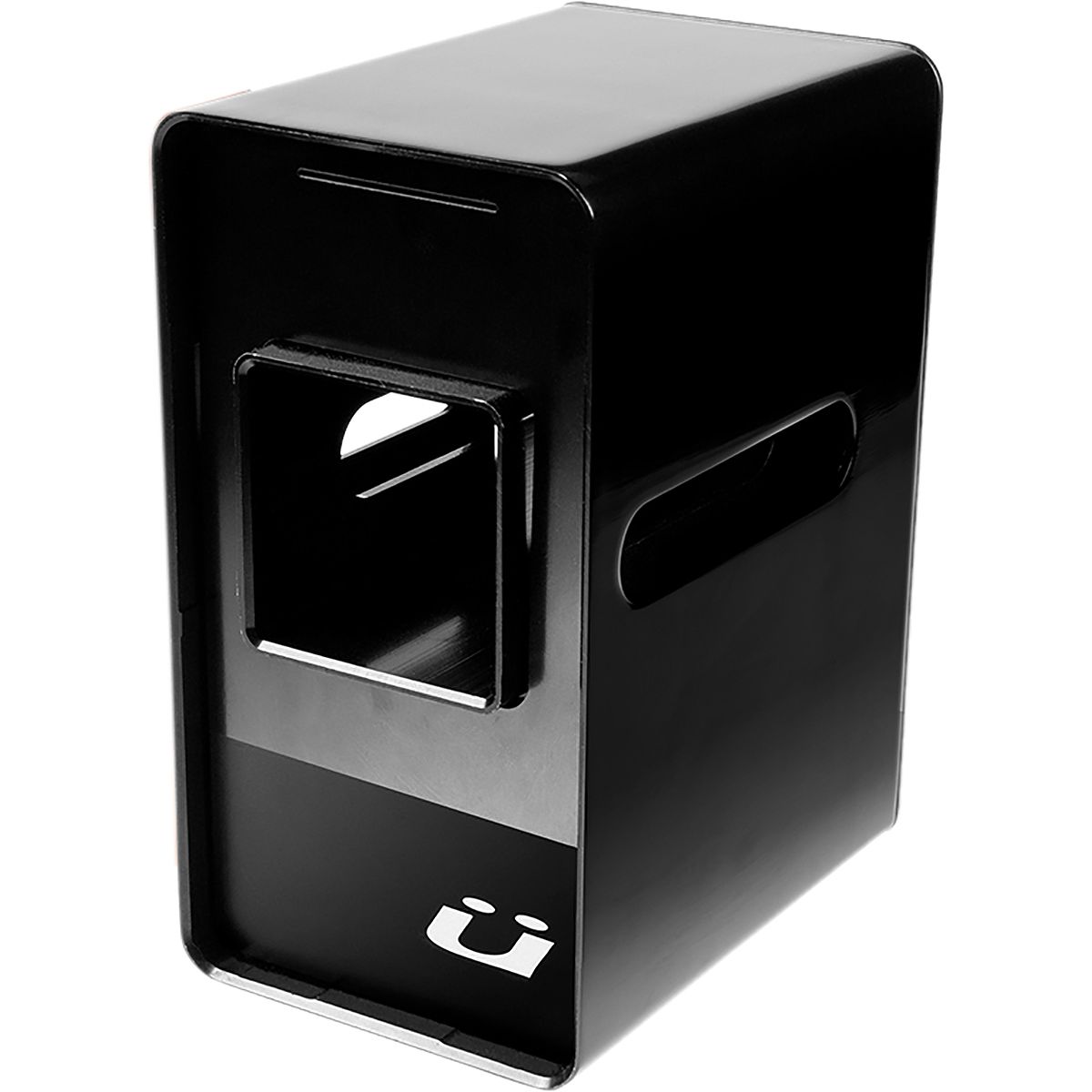
Varial XL Rooftop Cargo Box
2 colors
$1,289.00 - $1,398.00
10% Cashback Eligible

Kuat
Piston ION - Light Kit
1 color
$149.00

Kuat
License Plate Mount - NV 2.0 - Black
1 color
$79.00

Kuat
License Plate Mount - Piston Pro X
1 color
$59.00

Kuat
Trail Doc Kit - NV Base 2.0
1 color
$129.00
(1)

Kuat
Hitch Mount Strap Extension
1 color
$19.00

Kuat
Ubar - Bike Frame Adapter
1 color
$49.00
Related Categories


Frequently Asked Questions
What is the Kuat Class 4™ v2 paddle/kayak carrier and what sets it apart?
The Class 4™ v2 is Kuat’s folding J-style roof carrier engineered for single-kayak transport with a premium, corrosion-resistant build and integrated locks. Its folding J-arm, adjustable tilt and low-profile stow position combine easy loading, strong security, and stylish durability for frequent paddlers.How does the Kuat Class 4™ v2 compare to saddle-style (foam cradle) kayak carriers?
The Class 4™ v2’s J-style holds a kayak on edge for easier single-boat loading, better aerodynamics, and a lower-profile footprint when folded, whereas saddle-style carriers cradle the hull and can be better for very wide or softer-hulled boats. Kuat’s Class 4™ v2 adds metal construction, an adjustable tilt and keyed locks for added security and durability compared with typical foam cradles.Will the Class 4™ v2 fit my vehicle’s crossbars and roof setup?
The Class 4™ v2 ships compatibly for round, square and aero crossbars (and works with Kuat truck rack systems like IBEX), clamping to a wide range of bar profiles out of the box. Always confirm your vehicle’s roof load rating and crossbar spread and confirm the rack’s mounting clearance before installation to ensure a safe fit.How much weight can the Class 4™ v2 carry and can I transport more than one kayak?
Each Class 4™ v2 is rated for a single kayak up to 75 lb, so heavier or multiple kayaks require additional carriers or a different multi-boat roof solution. For multi-boat trips, pair multiple Class 4™ v2 units or use a dedicated multi-boat rack configured to your vehicle’s roof load limits.How should I care for and operate the folding and locking features on the Class 4™ v2?
Fold the J-arm down to the low-profile position when not in use and engage the keyed lock for theft prevention; regularly inspect mounting hardware, pivot points and lock cylinders for wear. Clean salt and grit from metal parts after marine exposure, lubricate pivot points per the owner’s manual, and follow the manufacturer’s torque and maintenance guidance to preserve long-term performance.