


Up To 70% Off Black Friday Sale
More brands added | Shop now
20% Off Full-Price Items
Shop now
Camp & Travel Up To 70% Off
Daily deal! Shop now
Dynafit Ski
36 results


Dynafit
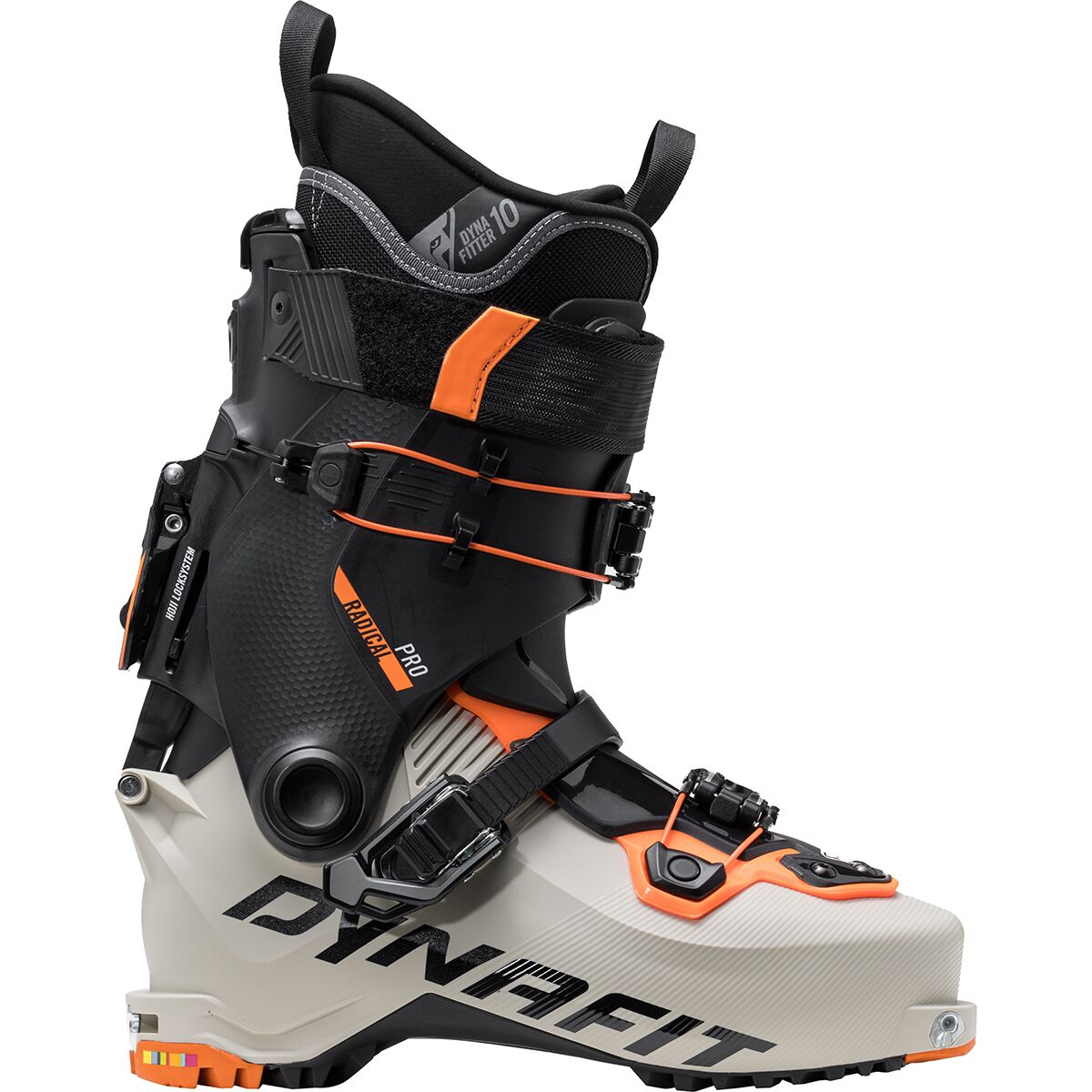
Radical Pro Boot - 2027
1 color
15% Cash Back For Summit+ | Ends 12/3

Dynafit
Ridge Pro Boot
1 color
15% Cash Back For Summit+ | Ends 12/3
(9)

Dynafit
Mezzalama Alpine Touring Boot
1 color
10% Cashback Eligible

Dynafit
Seven Summits Boot - 2027 - Women's
1 color
15% Cash Back For Summit+ | Ends 12/3

Dynafit
Blacklight Alpine Touring Binding
1 color
10% Cashback Eligible

Dynafit
ST Radical Binding - 2027
2 colors
Black Friday Sale | Limited Time Only
(17)

Dynafit
Radical Alpine Touring Boot - 2026
1 color
10% Cashback Eligible

Dynafit
DNA Alpine Touring Boot
1 color
10% Cashback Eligible

Dynafit
Tour Ski Poles
2 colors
Black Friday Sale | Limited Time Only
(7)
HSA/FSA Eligible

Dynafit
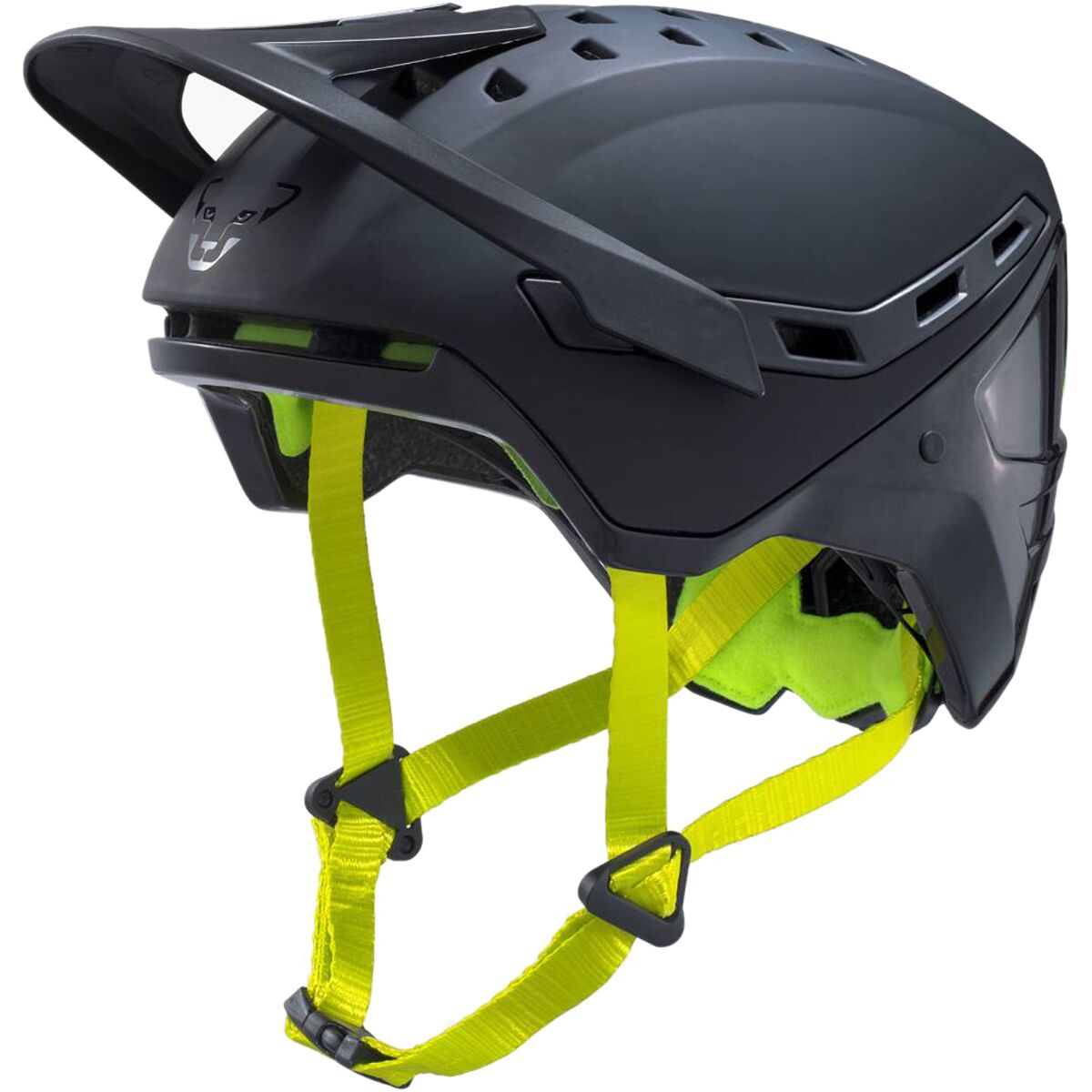
TLT Helmet
2 colors
Black Friday Sale | Limited Time Only
(1)

Dynafit
TLT X Boot - 2027
1 color
15% Cash Back For Summit+ | Ends 12/3
(1)

Dynafit
Guide Leash - Pair
1 color
Black Friday Sale | Limited Time Only
(3)
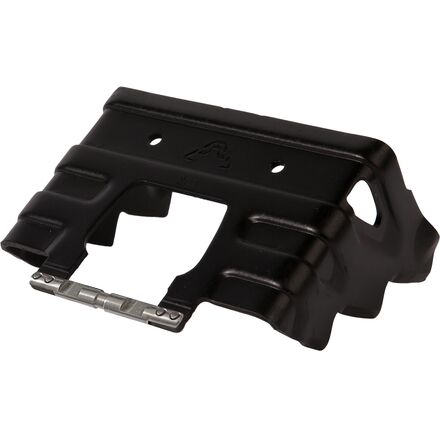
Dynafit
Crampon
4 colors
Black Friday Sale | Limited Time Only
(13)

Dynafit
Speed Vario 2.0 Ski Poles
1 color
Black Friday Sale | Limited Time Only
(6)

Dynafit
Radical Pro Boot - 2027 - Women's
1 color
15% Cash Back For Summit+ | Ends 12/3
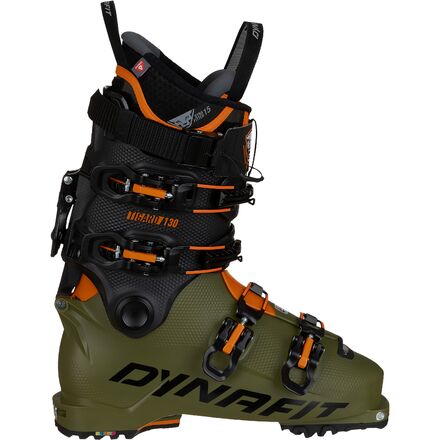
Dynafit
Tigard 130 Boot - 2027
1 color
15% Cash Back For Summit+ | Ends 12/3
(11)

Dynafit
ST Rotation 10 Binding - 2027
1 color
10% Cashback Eligible
(22)

Dynafit
Seven Summits+ Binding - 2027
1 color
15% Cash Back For Summit+ | Ends 12/3
(1)

Dynafit
Low Tech Race Binding - 2026
1 color
10% Cashback Eligible

Dynafit
Speed Goggles
1 color
Cyber Bundle | Extra 20% Off Helmets & Goggles

Dynafit
TLT Revo Goggle
1 color
Cyber Bundle | Extra 20% Off Helmets & Goggles

Dynafit
Tour Vario 2.0 Ski Poles
1 color
Black Friday Sale | Limited Time Only
(6)

Dynafit
Powder Basket
1 color
Black Friday Sale | Limited Time Only
(4)

Dynafit
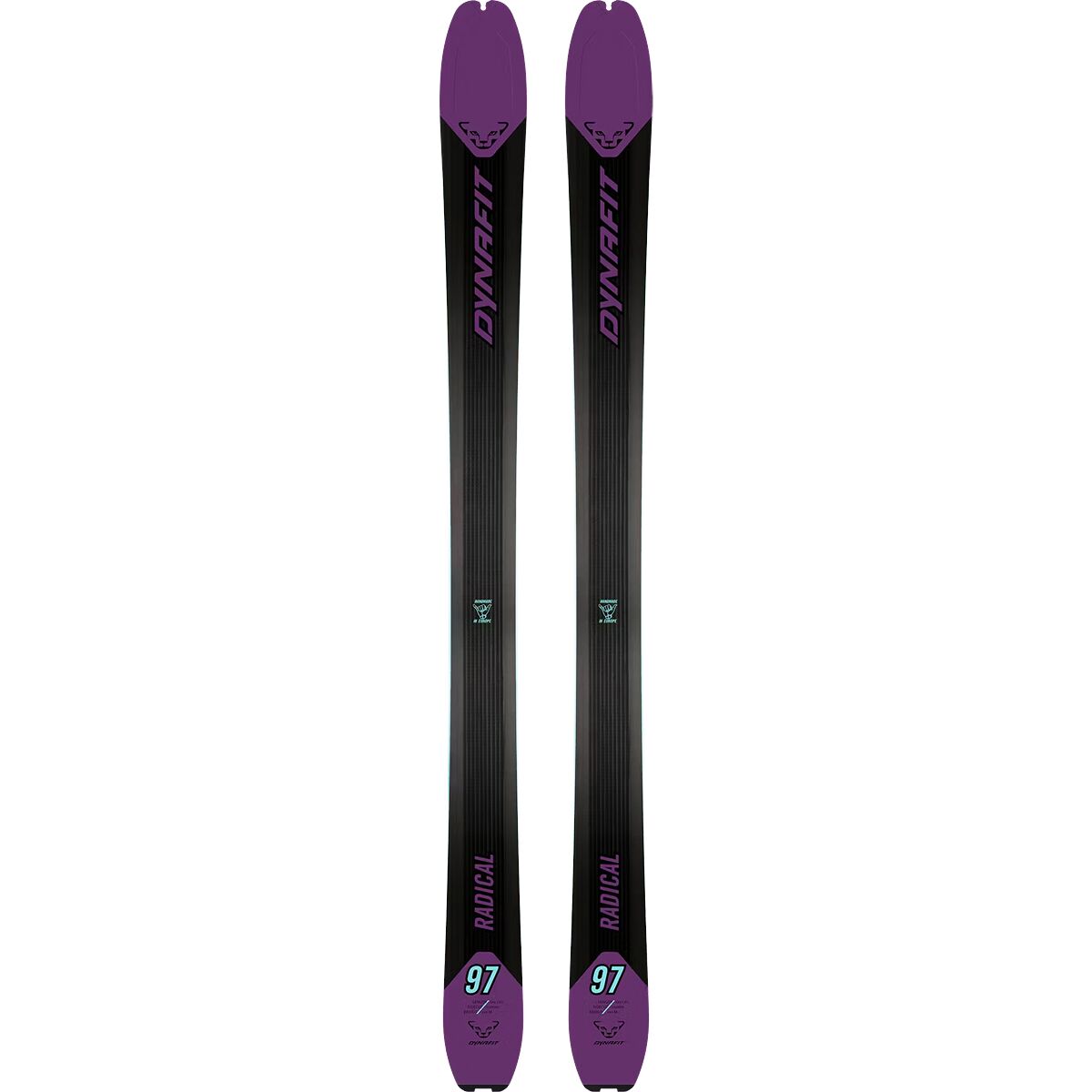
Radical 97 Ski - 2026 - Women's
1 color
10% Cashback Eligible

Dynafit
Seven Summits Boot - 2027
1 color
15% Cash Back For Summit+ | Ends 12/3

Dynafit
Blacklight Pro Binding - 2027
1 color
10% Cashback Eligible

Dynafit
Blacklight Boot - 2027
1 color
15% Cash Back For Summit+ | Ends 12/3
(1)

Dynafit
Blacklight Binding - 2027
1 color
10% Cashback Eligible

Dynafit
Ridge Pro Boot - Women's
1 color
15% Cash Back For Summit+ | Ends 12/3
(1)
HSA/FSA Eligible

Dynafit
Ridge Boot - Women's
1 color
15% Cash Back For Summit+ | Ends 12/3
(1)

Dynafit
Ridge Binding
1 color
10% Cashback Eligible
(10)

Dynafit
Tigard 110 Boot - 2027
1 color
15% Cash Back For Summit+ | Ends 12/3
(3)

Dynafit
TLT X Boot - 2027 - Women's
1 color
15% Cash Back For Summit+ | Ends 12/3

Dynafit
Blacklight Pro Ski Poles
1 color
Black Friday Sale | Limited Time Only

Dynafit
ST Rotation 14 Binding - 2027
1 color
10% Cashback Eligible
(10)

Dynafit
Speed Crampon
1 color
Black Friday Sale | Limited Time Only
Related Categories
Frequently Asked Questions
How do Dynafit skis like the Stoke and Free 107 perform for backcountry powder and mixed terrain?
Dynafit models such as the Stoke (around a 105 mm waist) and Free 107 (around 107 mm waist) emphasize float and nimble turn initiation with early-rise tips and a slightly rearward mount for better handling in powder and trees. Their lightweight wood cores and carbon elements favor uphill efficiency and playful responsiveness in variable snow, but they trade some high-speed straight-line stability and edge hold on firm hardpack compared with heavier resort-oriented skis.How do Dynafit Speed, Touring, Freetouring, and Race bindings compare?
Speed bindings prioritize the lightest possible weight for fastest ascents, while Race models are ISMF-focused and pared down for competition; Touring bindings aim for a balance of uphill efficiency and practical downhill features like multi-level heel risers, and Freetouring bindings add more downhill-oriented features and brakes for aggressive descents. Dynafit’s minimalist pin system delivers efficient power transfer with a pivoting toe and release capability (up to DIN 14 on many models), and weights range from ultra-light race options into the ~49–115 g per binding area for lightweight touring setups.How should I choose between the TLT 8 Expedition and the Ridge Pro boots?
Choose the TLT 8 Expedition if absolute uphill lightness and efficient skinning matter most—it's an ultralight option (about 1020 g/pair) with ~60° cuff rotation and a Speed Nose for efficient stride. The Ridge Pro targets riders who want more customizable downhill performance: it pairs Intuition liners, micro-adjustable buckles, and dynamic positioning for a closer fit and more control on steeper descents.What ski length, waist width, and mount position work best for balancing uphill efficiency and downhill control?
Pick ski length based on your vertical ambitions—shorter for quicker maneuverability and long days with lots of climbing, longer for stability and float on big descents—and favor a 105–107 mm waist for a strong balance of float without excess weight. A slightly rearward mount position improves agility and flotation in powder and tight trees, while matching ski length and mount to your weight, boot sole, and intended terrain ensures efficient skinning and predictable turning. Also verify binding compatibility (alpine vs. touring soles) and crampon fit for technical approaches.