


Up To 20% Off Full-Price Items
Shop now
EXTRA 20% Off Clearance
Shop now | Ends 11/9
Get An EXTRA $50 Cash Back*
Summit+ exclusive
DMM
63 results


DMM
Alloy Offset Set #7-11
1 color
Discount Applies In Cart | Ends 11/16
(4)

DMM
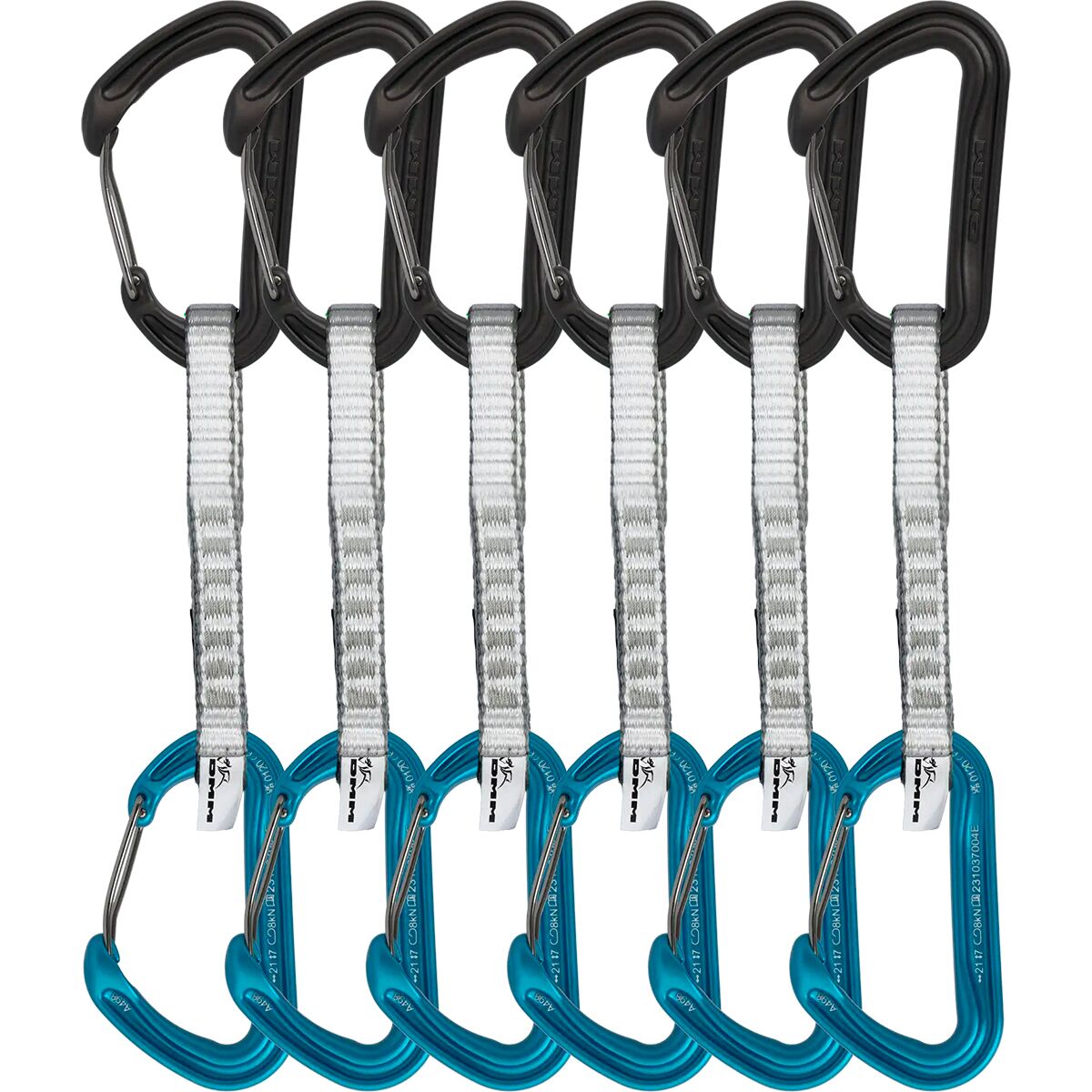
Alpha VW Sport Quickdraw - 6-Pack
2 colors
Discount Applies In Cart | Ends 11/16
(6)

DMM
Dynatec Quickdraw Sling - 11mm
2 colors
Discount Applies In Cart | Ends 11/16
(1)

DMM
Wallnut Set
1 color
Discount Applies In Cart | Ends 11/16
(2)

+2
DMM
Dragonfly Cam
6 colors
Discount Applies In Cart | Ends 11/16

DMM
Dragon Cam Set
1 color
Discount Applies In Cart | Ends 11/16
(3)

DMM
Phantom Screwgate Carabiner
3 colors
Discount Applies In Cart | Ends 11/16

DMM
Shadow Quickdraw - 6-Pack
2 colors
Discount Applies In Cart | Ends 11/16
(2)

DMM
Ceros Screwgate Carabiner
3 colors
Discount Applies In Cart | Ends 11/16
(1)

DMM
Halfnut Set
1 color
Discount Applies In Cart | Ends 11/16

DMM
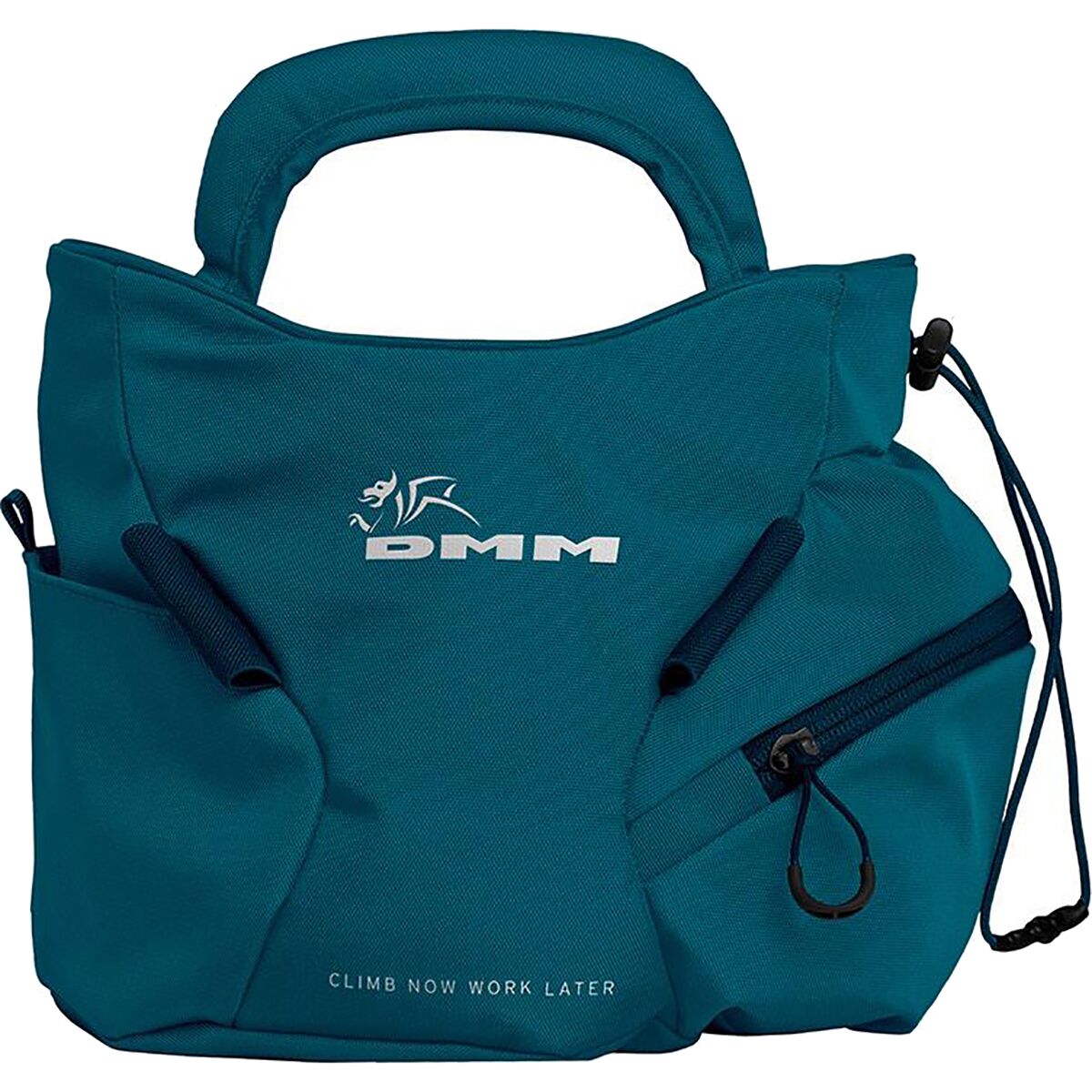
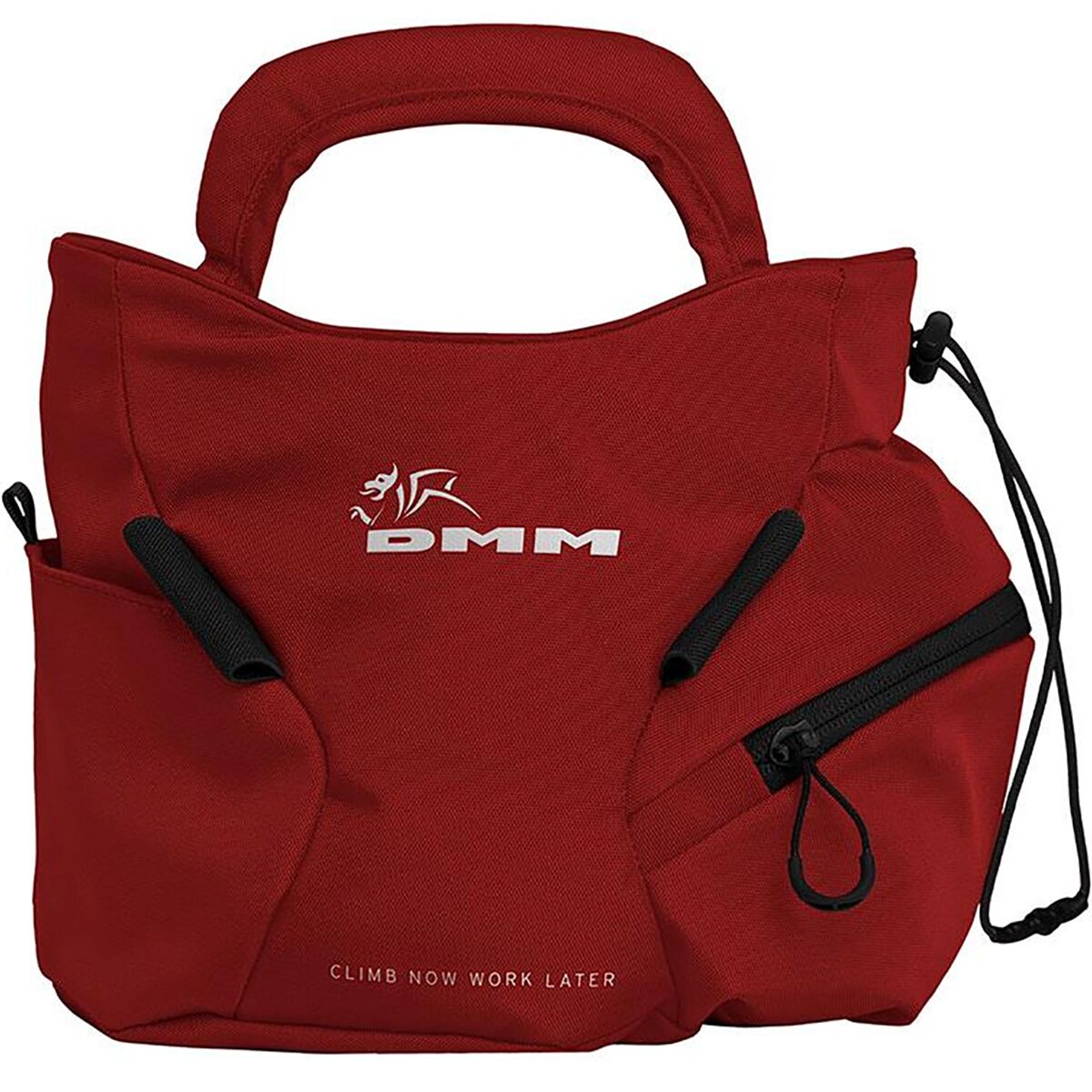
Trad Chalk Bag
4 colors
Discount Applies In Cart | Ends 11/16

DMM
Dynatec Open Sling - 8mm
5 colors
Discount Applies In Cart | Ends 11/16
(1)

+2
DMM
WallDO Carabiner
6 colors
Discount Applies In Cart | Ends 11/16
(3)

DMM
Pivot Belay Device
3 colors
Discount Applies In Cart | Ends 11/16
(2)

DMM
Micro Wallnut Set - No. 00-0.75
1 color
Discount Applies In Cart | Ends 11/16
(2)

DMM
Classic Rope Bag
4 colors
Discount Applies In Cart | Ends 11/16
(4)

+2
DMM
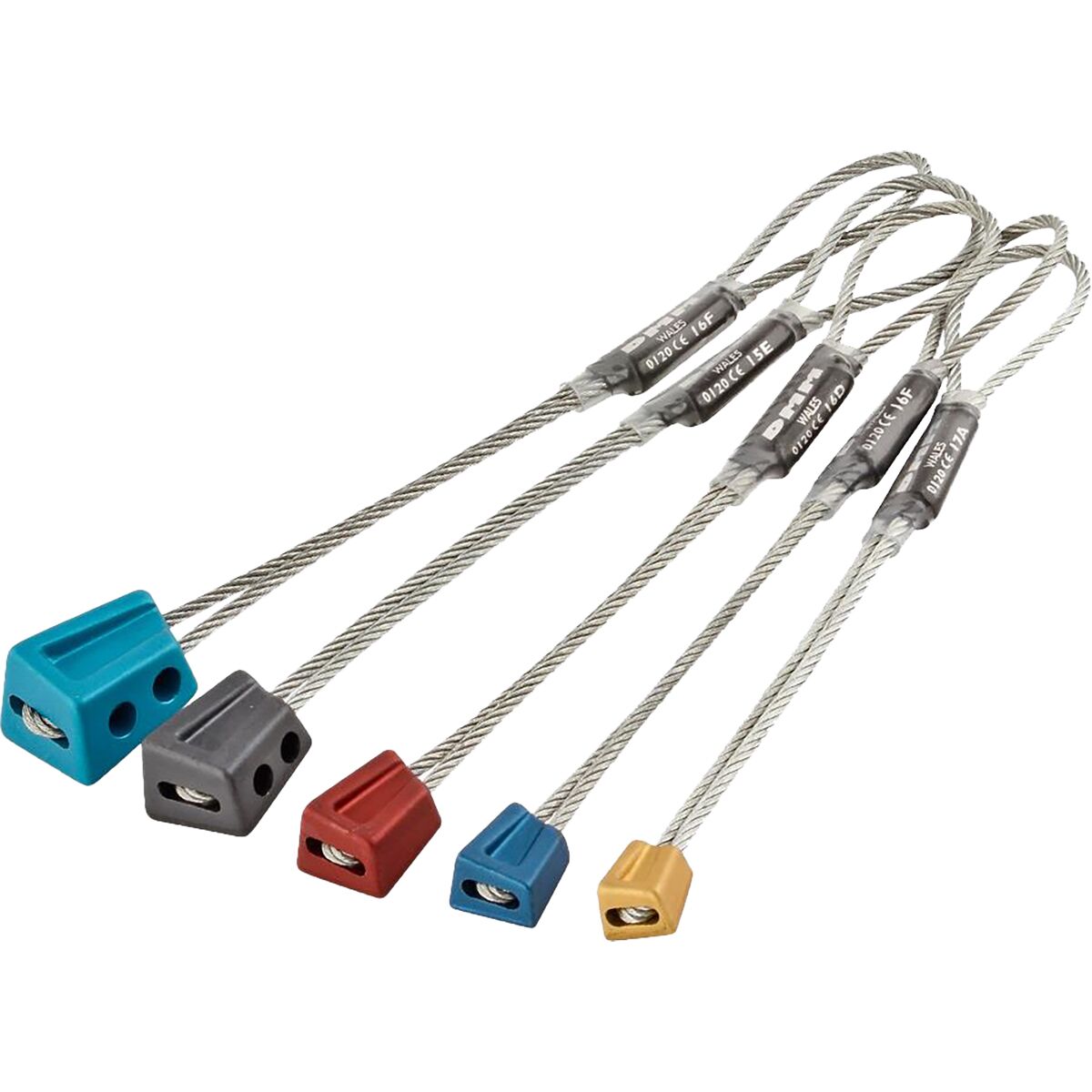
HB Brass Offset Nuts
6 colors
Discount Applies In Cart | Ends 11/16

DMM
Dynatec Open Sling - 11mm
4 colors
Discount Applies In Cart | Ends 11/16

DMM
Alloy Offsets
4 colors
Discount Applies In Cart | Ends 11/16
(2)

DMM
Alpha VW Sport Quickdraw
2 colors
Discount Applies In Cart | Ends 11/16
(2)

+2
DMM
Dragon 2 Cam
6 colors
Discount Applies In Cart | Ends 11/16
(3)

DMM
Revolver Quicklock Carabiner
1 color
Discount Applies In Cart | Ends 11/16

DMM
Phantom HMS Screwgate Carabiner
2 colors
Discount Applies In Cart | Ends 11/16

DMM
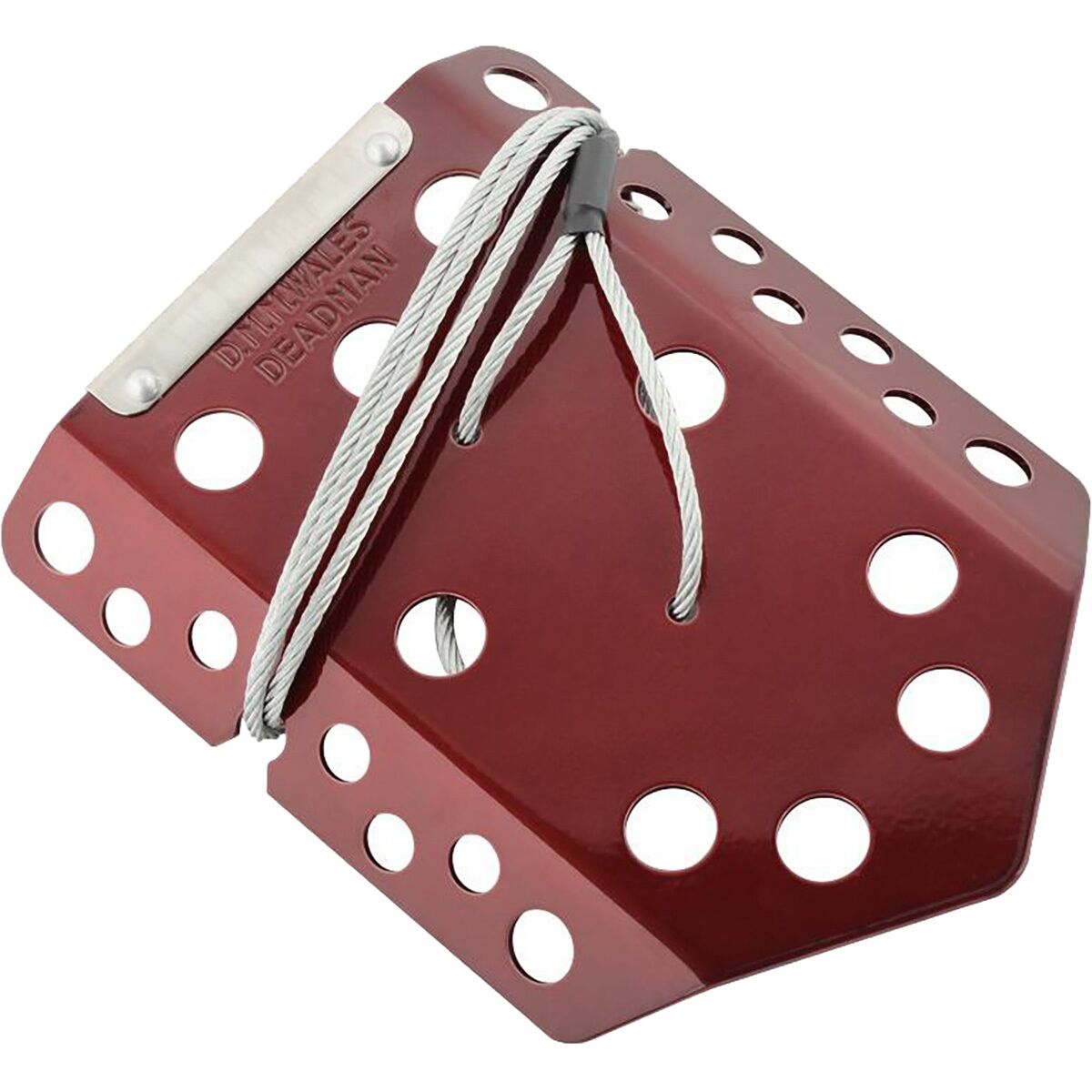
Deadman Snow Anchor
1 color
Discount Applies In Cart | Ends 11/16

DMM
Alpha Carabiner - Bent Gate
2 colors
Discount Applies In Cart | Ends 11/16

DMM
Edge Chalk Bucket
3 colors
Discount Applies In Cart | Ends 11/16
(2)

DMM
Wallnuts + Alloy Offset Set Protection Package
1 color
Discount Applies In Cart | Ends 11/16

DMM
Shadow HMS Screwgate Carabiner
3 colors
Discount Applies In Cart | Ends 11/16

DMM
Alpha Wire Carabiner
1 color
Discount Applies In Cart | Ends 11/16
(1)

DMM
Alpha Carabiner - Straight Gate
2 colors
Discount Applies In Cart | Ends 11/16

DMM
IMP Brass Nut Set
1 color
Discount Applies In Cart | Ends 11/16

DMM
K-Pro Rope Protector - Canvas/Kevlar
1 color
Discount Applies In Cart | Ends 11/16

DMM
Revolver Screwgate Carabiner
2 colors
Discount Applies In Cart | Ends 11/16

DMM
Pivot Belay Package
3 colors
Discount Applies In Cart | Ends 11/16

DMM
Micro Wallnut
4 colors
Discount Applies In Cart | Ends 11/16

DMM
Shadow HMS Kwiklock Carabiner
1 color
Discount Applies In Cart | Ends 11/16

DMM
Wisp Quickdraw
1 color
Discount Applies In Cart | Ends 11/16

DMM
Revolver Screwgate Carabiner
1 color
Discount Applies In Cart | Ends 11/16

DMM
Cortex/Apex Ice Tech Pick
1 color
Discount Applies In Cart | Ends 11/16

DMM
Cortex/Apex Dry Pick
1 color
Discount Applies In Cart | Ends 11/16

DMM
Cortex Pair
1 color
Discount Applies In Cart | Ends 11/16

DMM
Cortex
1 color
Discount Applies In Cart | Ends 11/16
Related Categories


Frequently Asked Questions
What makes DMM gear stand out in the climbing industry?
DMM is known for engineering-driven hardware built with rigorous testing and traceability, using high-quality metals and in-house quality control to meet CE and UIAA standards. Their emphasis on precision forging, conservative strength ratings, and clear product marking helps climbers and professionals trust the hardware in safety-critical situations.Where are DMM products designed and manufactured, and how are they tested?
DMM designs and manufactures the majority of its climbing hardware at its facility in Wales, with an on-site foundry and test lab that performs batch testing, proof loads, and fatigue testing to relevant standards. Every product carries markings and batch information to support traceability and safety inspections over its service life.What materials and manufacturing processes does DMM use for carabiners, cams, and protection?
DMM typically uses forged aluminum alloys for lightweight hardware and stainless or alloy steels where higher abrasion and strength are required, combined with CNC machining and heat treatment to achieve tight tolerances. These processes produce components with high strength-to-weight ratios and consistent performance across batches.What kinds of products does DMM offer for climbers and rope-access professionals?
DMM’s core range includes locking and non-locking carabiners, passive protection (nuts and hexes), active protection (spring-loaded cams), slings and connectors, anchor and rescue hardware, and accessory components for industrial rope access. Many items are purpose-designed for trad climbing, mountaineering, and professional rescue/industrial use, with options focused on weight, durability, and ease of placement.How does DMM balance durability and end‑of‑life safety for its gear?
DMM prioritizes durable materials and conservative design margins to extend usable service life while providing clear marking and traceability so users can assess wear and retire gear appropriately. Their testing and documentation help users make informed decisions about inspection intervals and replacement before performance is compromised.