


Up To 20% Off Full-Price Items
Shop now
EXTRA 20% Off Clearance
Shop now | Ends 11/9
Get An EXTRA $50 Cash Back*
Summit+ exclusive
Big Agnes Tents & Shelters
76 results

Big Agnes
Copper Spur UL3 XL Tent: 3-person 3-season
2 colors
Discount Applies In Cart | Ends 11/16
(28)


Big Agnes
Copper Spur UL2 Tent: 2-Person 3-Season
2 colors
10% Cashback Eligible
(64)

Big Agnes
Copper Spur HV UL1 Bikepack Tent: 1-Person 3-Season
1 color
10% Cashback Eligible
(72)

Big Agnes
Copper Spur UL Footprint
1 color
Discount Applies In Cart | Ends 11/16
(38)

Big Agnes
Copper Spur Ul3 Tent: 3-Person 3-Season
2 colors
10% Cashback Eligible
(33)

Big Agnes
Crag Lake SL Backpacking Tent: 3-Person 3-Season
1 color
Winter Sale
(3)

Big Agnes
Copper Spur UL2 XL Tent: 2-Person 3-Season
2 colors
10% Cashback Eligible
(34)

Big Agnes
Copper Spur UL1 Tent: 1-Person 3-Season
2 colors
Discount Applies In Cart | Ends 11/16
(24)

Big Agnes
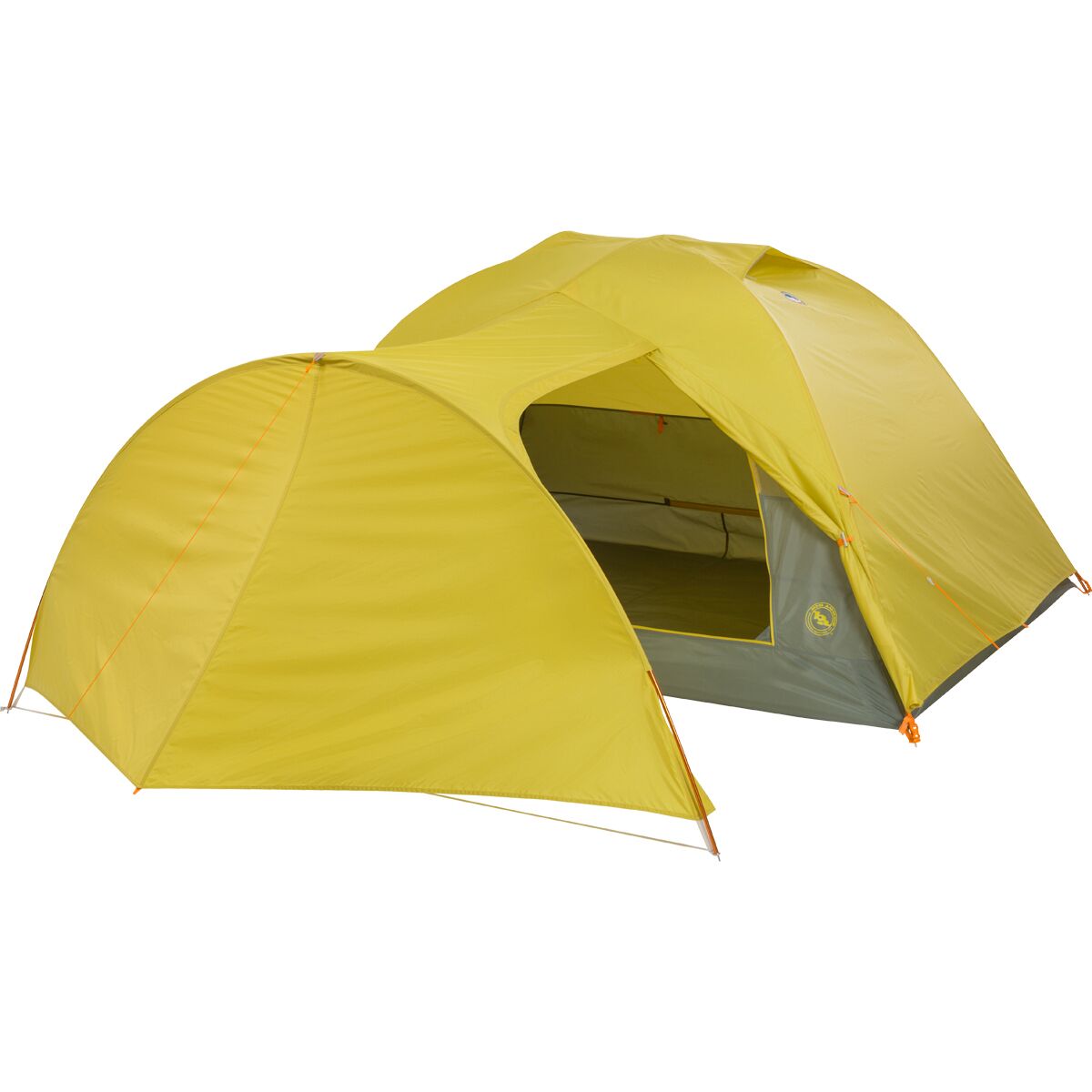
Blacktail 4 Tent: 4-Person 3-Season
2 colors
(8)

Big Agnes
Tiger Wall UL3 Bikepack Tent: 3-Person 3-Season
1 color
10% Cashback Eligible
(30)

Big Agnes
Crag Lake SL Backpacking Tent: 2-Person 3-Season
1 color
Winter Sale
(10)

Big Agnes
Copper Spur UL Extra Large Footprint
1 color
Discount Applies In Cart | Ends 11/16
(8)

Big Agnes
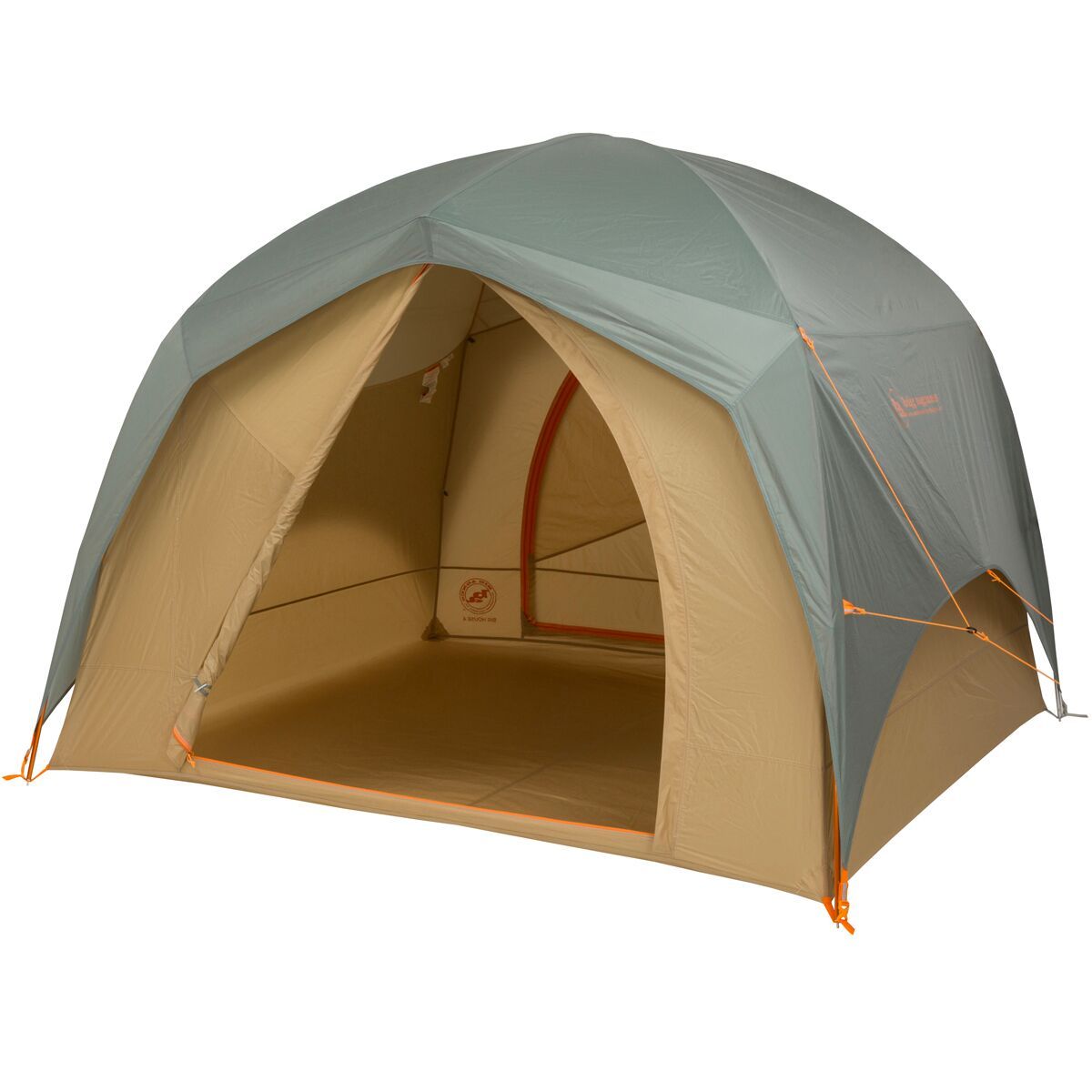
Bunk House Tent: 4-Person 3-Season
1 color
10% Cashback Eligible
(37)

Big Agnes
Fly Creek UL1 Tent: 1-Person 3-Season
1 color
Discount Applies In Cart | Ends 11/16
(13)

Big Agnes
Fly Creek UL2 Tent: 2-Person 3-Season
1 color
Discount Applies In Cart | Ends 11/16
(18)

Big Agnes
Gold Camp 3 Tarp: 3-Person 3-Season
1 color
Extra 10% Off Clearance | Ends 11/09
(7)

Big Agnes
Tiger Wall 2 Platinum Tent: 2-Person 3-Season
1 color
Discount Applies In Cart | Ends 11/16
(1)

Big Agnes
Copper Spur UL2 MtnGLO Tent: 2-Person 3-Season
1 color
Discount Applies In Cart | Ends 11/16
(1)

Big Agnes
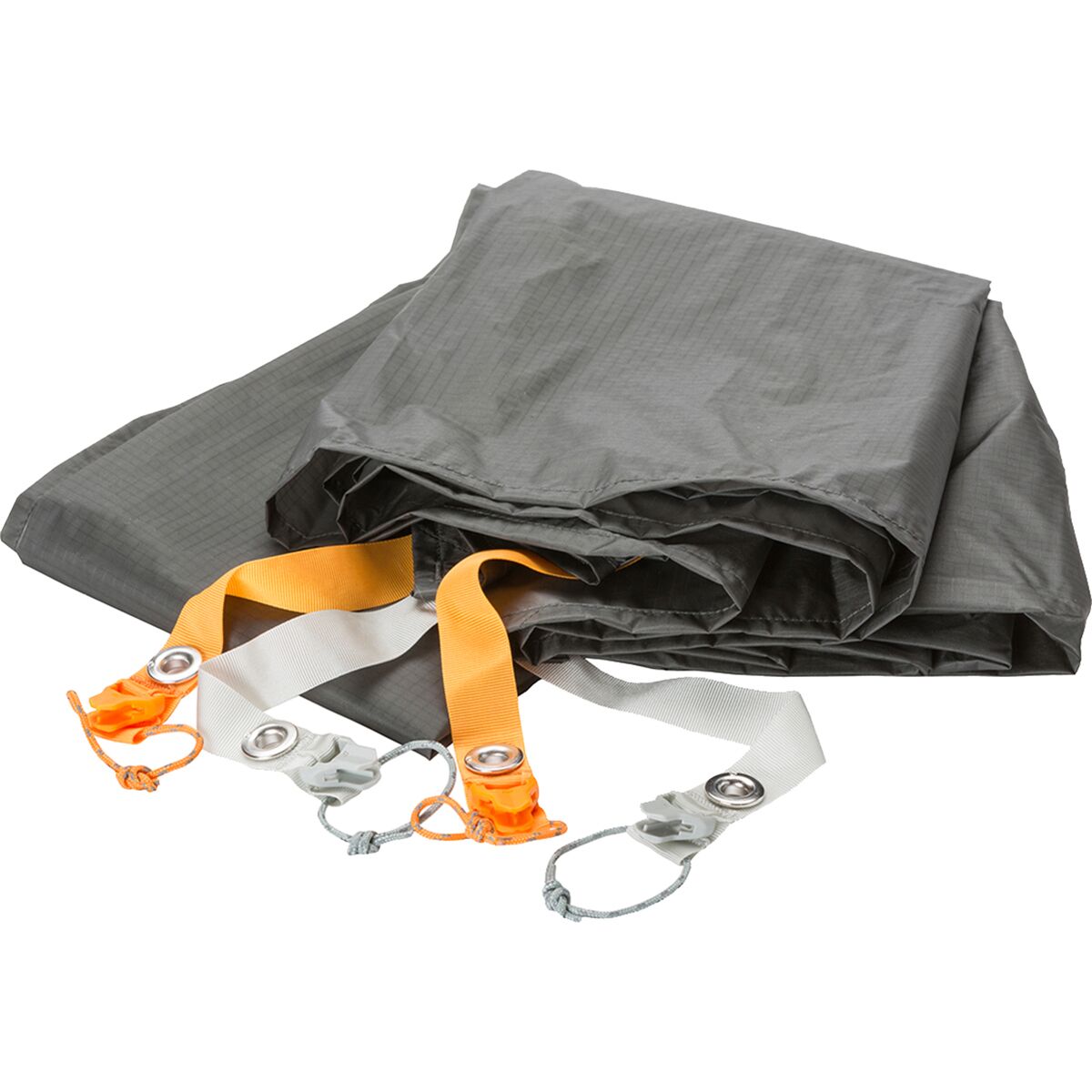
Bunk House Series Footprint
1 color
Discount Applies In Cart | Ends 11/16
(7)

Big Agnes
Copper Spur HV UL Bikepack Footprint
1 color
Winter Sale
(45)

Big Agnes
Blacktail 3 Tent: 3-Person 3-Season
2 colors
Discount Applies In Cart | Ends 11/16
(7)

Big Agnes
Copper Spur UL Bikepack Footprint
1 color
Discount Applies In Cart | Ends 11/16
(5)

Big Agnes
Big House 4 Tent: 4-Person 3-Season
1 color
Discount Applies In Cart | Ends 11/16
(54)

Big Agnes
Blacktail 2 Tent: 2-Person 3-Season
2 colors
Discount Applies In Cart | Ends 11/16
(38)

Big Agnes
Blacktail & Hotel Series Footprint
1 color
Discount Applies In Cart | Ends 11/16
(12)

Big Agnes
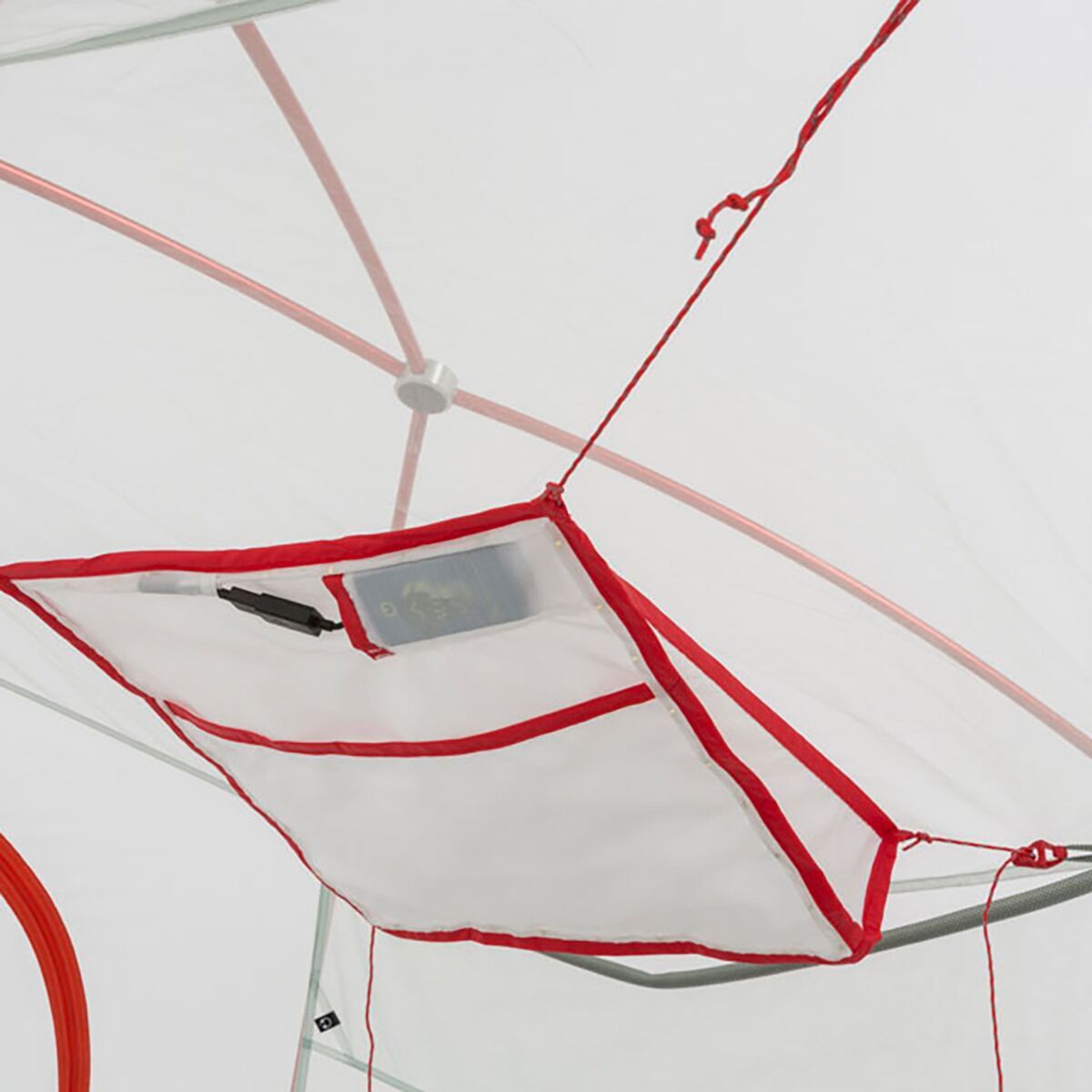
Accessory Mesh Insert- Sage Canyon Shelter Plus
1 color
Discount Applies In Cart | Ends 11/16
(1)

Big Agnes
Salt Creek SL3 Tent: 3-Person 3-Season
1 color
Discount Applies In Cart | Ends 11/16
(3)

Big Agnes
Sage Canyon Shelter Plus
1 color
Discount Applies In Cart | Ends 11/16
(6)

Big Agnes
Copper Spur UL5 Tent: 5-Person 3-Season
1 color
10% Cashback Eligible
(4)

Big Agnes
Blacktail 3 Hotel Tent: 3-Person 3-Season
1 color
Discount Applies In Cart | Ends 11/16
(9)

Big Agnes
Crag Lake SL Footprint: 3-Person
1 color
Winter Sale

Big Agnes
Big House 4 Vestibule
1 color
Discount Applies In Cart | Ends 11/16
(3)

Big Agnes
Copper Spur UL3 Bikepack Tent: 3-Person 3-Season
1 color
Discount Applies In Cart | Ends 11/16
(5)

Big Agnes
Big House 6 Tent: 6-Person 3-Season
1 color
10% Cashback Eligible
(44)

Big Agnes
Tiger Wall UL Footprint
1 color
Discount Applies In Cart | Ends 11/16
(6)

Big Agnes
Fly Creek UL2 Footprint
1 color
Discount Applies In Cart | Ends 11/16
(2)

Big Agnes
Sage Canyon Shelter Plus Accessory Wall
1 color
Discount Applies In Cart | Ends 11/16
(2)

Big Agnes
Tiger Wall UL2 Bikepack Tent: 2-Person 3-Season
1 color
Discount Applies In Cart | Ends 11/16
(2)

Big Agnes
Copper Spur UL1 Bikepack Tent: 1-Person 3-Season
1 color
Discount Applies In Cart | Ends 11/16
(3)

Big Agnes
Big House 6 Vestibule
1 color
Discount Applies In Cart | Ends 11/16
(4)

Big Agnes
Gold Camp 3 Mesh Inner: 3-Person 3-Season
1 color
Extra 10% Off Clearance | Ends 11/09
(6)

Big Agnes
Tiger Wall UL2 Tent: 2-Person 3-Season
1 color
Discount Applies In Cart | Ends 11/16
(69)
Related Categories


Frequently Asked Questions
Which Big Agnes tent should I choose if I want more livable space for multi-day backpacking: Copper Spur HV UL or Tiger Wall?
Copper Spur HV UL models prioritize high-volume geometry (about 38" peak height on many sizes), larger vestibules, and extra interior room for sitting and gear, making them a better choice when comfort matters. Tiger Wall UL is a more pared-down, side-entry option built for fast-and-light backpacking and bikepacking—it's typically lighter and packs smaller but sacrifices some living space. Both series use double-wall construction and breathable mesh to balance weather protection and ventilation.What does HyperBead fabric do for weight and waterproofing compared with traditional coatings?
HyperBead is a PFAS-free water‑repellent treatment that’s engineered to be lighter and more durable than traditional DWRs — it’s described as about 6% lighter and significantly stronger, with roughly 25% improved waterproof performance versus older coatings. Because HyperBead is permanent to the fabric it reduces the need for frequent retreatment and pairs well with silicone- or PU-coated nylon that typically yields 1200–1500mm hydrostatic head ratings. For lower environmental impact, look for solution-dyed fabrics as well, which cut water and energy use during production.How do Big Agnes tents manage ventilation and condensation in humid or cold conditions?
Most Big Agnes tents use large mesh bodies, vent windows, and deliberate rainfly gaps to promote airflow and reduce condensation, and several models include adjustable vents and guy-line attachment points to fine-tune airflow. Pitching tautly, staking vestibules, and using the awning/guy lines to create separation between fly and inner body improves cross‑ventilation in humid conditions. For cold, clear nights, use the fly position that retains warmth while still allowing minimal venting to move moisture out.How should I choose capacity and packed weight for bikepacking versus backpacking?
For bikepacking or ultralight solo travel, target solo-rated models such as UL1 or Tiger Wall UL1 where packed weights can be around the 849–925 g range; you’ll want tents under ~1 kg if minimizing load is critical. For two-person backpacking, UL2 options (often in the ~1012–1097 g range) strike a balance between weight and livability, while larger models (C Bar 2/3 or Copper Spur UL3/UL4) add comfort and storage at higher weights. Also consider vestibule size, floor dimensions, peak height for sitting up, and whether you need a freestanding design for easier setup on varied terrain.How does the Copper Spur HV UL2 compare to the Fly Creek HV UL2?
The Copper Spur HV UL2 emphasizes high-volume interior space and livability (taller peak height and larger vestibules) which makes it more comfortable for two people and gear organization, while the Fly Creek HV UL2 is a more minimalist, weight‑focused design that typically packs down smaller. Both models use double‑wall construction, generous mesh for ventilation, and durable pole systems for stability, but the Copper Spur trades a bit more weight for increased interior room and storage options. Choose the Fly Creek if absolute pack weight and simplicity are priorities; pick the Copper Spur for more comfort on longer trips.