


Up To 20% Off Full-Price Items
Shop now
EXTRA 20% Off Clearance
Shop now | Ends 11/9
Get An EXTRA $50 Cash Back*
Summit+ exclusive
Backcountry Training
51 results


Backcountry
BGA Slickrock Pant - Men's
5 colors
Extra 20% Off Clearance | Ends 11/9
(33)

Backcountry
BGA Tahoe Sun Hoodie - Women's
4 colors
Discount Applies In Cart | Ends 11/16
(94)

Backcountry
BGA Stansbury ALLIED Down Skirt - Women's
3 colors
Discount Applies In Cart | Ends 11/16
(12)

+4
Backcountry
BGA Tahoe Sun Hoodie - Men's
8 colors
Discount Applies In Cart | Ends 11/16
(85)

Backcountry
BGA Wasatch Adventure Legging - Women's
3 colors
Discount Applies In Cart | Ends 11/16
(12)

Backcountry
BGA Destination Long-Sleeve Shirt - Women's
4 colors
Discount Applies In Cart | Ends 11/16
(16)

Backcountry
BGA Destination Crew T-Shirt - Men's
5 colors
Discount Applies In Cart | Ends 11/16
(15)

Backcountry
BGA Performance Low Ankle Sock - 3-Pack
3 colors
Winter Sale
(1)

Backcountry
BGA Destination Crew Top - Women's
5 colors
Discount Applies In Cart | Ends 11/16
(32)

Backcountry
BGA Performance Crew Sock
2 colors
Extra 20% Off Clearance | Ends 11/9

+3
Backcountry
BGA Tahoe Sun Long-Sleeve Crew Shirt - Men's
7 colors
Discount Applies In Cart | Ends 11/16
(8)

Backcountry
BGA Wasatch Ripstop 3.5in Short - Women's
4 colors
Discount Applies In Cart | Ends 11/16
(67)

Backcountry
BGA Tahoe Sun Short-Sleeve Crew - Men's
5 colors
Discount Applies In Cart | Ends 11/16
(12)

Backcountry
BGA Destination Jogger - Men's
3 colors
Discount Applies In Cart | Ends 11/16
(4)

Backcountry
BGA Wasatch Adventure Run Tank Top - Women's
2 colors
Discount Applies In Cart | Ends 11/16

Backcountry
BGA Tahoe Sun 1/4 Zip - Men's
2 colors
Discount Applies In Cart | Ends 11/16

Backcountry
BGA Tahoe Pro LT Sun Long-Sleeve Crew - Men's
2 colors
Winter Sale
(1)

Backcountry
BGA Destination Pullover Hoodie - Men's
5 colors
Discount Applies In Cart | Ends 11/16
(23)

Backcountry
BGA Wasatch Adventure RWS Merino Lt-Wt Tech Tee - Men's
2 colors
Discount Applies In Cart | Ends 11/16
(4)

Backcountry
BGA Hybrid Tahoe Sun Hoodie - Men's
2 colors
Discount Applies In Cart | Ends 11/16
(7)

Backcountry
BGA Tahoe Sun Golf Polo - Men's
3 colors
Winter Sale
(1)

Backcountry
BGA Meltdown Water-Resistant Pant - Women's
2 colors
Discount Applies In Cart | Ends 11/16
(4)

Backcountry
BGA Destination 1/4-Zip Pullover - Women's
3 colors
Discount Applies In Cart | Ends 11/16


Backcountry
BGA Tahoe Woven Convertible Snap-Up Shirt - Men's
4 colors
Winter Sale
(3)

Backcountry
BGA Tahoe Pro LT Sun Hoodie - Men's
2 colors
Discount Applies In Cart | Ends 11/16
(5)

Backcountry
BGA Destination Short - Men's
1 color
Extra 10% Off Clearance | Ends 11/09
(3)

Backcountry
BGA Wasatch Adventure RWS Merino Lt-Wt Tech Tee - Women's
2 colors
Discount Applies In Cart | Ends 11/16
(4)

Backcountry
BGA Tahoe Sun 1/4 Zip - Women's
2 colors
Discount Applies In Cart | Ends 11/16

Backcountry
BGA Destination Longline Bra Top - Women's
4 colors
Extra 20% Off Clearance | Ends 11/9
(4)

Backcountry
BGA Destination Long-Sleeve Crew Top - Men's
2 colors
Discount Applies In Cart | Ends 11/16
(5)

Backcountry
BGA Tahoe Cami Top Base Set - Women's
2 colors
Extra 20% Off Clearance | Ends 11/9
(1)

Backcountry
BGA Destination Legging - Women's
3 colors
Discount Applies In Cart | Ends 11/16
(9)

Backcountry
BGA Tahoe Boardwalk Short - Women's
4 colors
Extra 10% Off Clearance | Ends 11/09
(1)

Backcountry
BGA Wasatch Adventure Run T-Shirt - Women's
1 color
Discount Applies In Cart | Ends 11/16
(2)

Backcountry
BGA Tahoe Pro LT Sun Hoodie - Women's
2 colors
Discount Applies In Cart | Ends 11/16
(5)

Backcountry
BGA Destination Tank Top - Women's
4 colors
Discount Applies In Cart | Ends 11/16
(5)

Backcountry
BGA Destination 1/4-Zip Top - Men's
4 colors
Discount Applies In Cart | Ends 11/16
(4)

Backcountry
BGA Destination Mesh-Back Tank Top - Women's
2 colors
Winter Sale

Backcountry
BGA Tahoe Sun Crew - Women's
1 color
Discount Applies In Cart | Ends 11/16
(21)

Backcountry
BGA Destination Square Neck Bra Top - Women's
3 colors
Discount Applies In Cart | Ends 11/16
(8)

Backcountry
BGA Tahoe Pro LT Sun Short-Sleeve Crew - Men's
2 colors
Winter Sale
(1)

Backcountry
BGA Destination Racerback Tank Top - Women's
2 colors
Winter Sale
Related Categories
 Backcountry Mens Performance Clothing
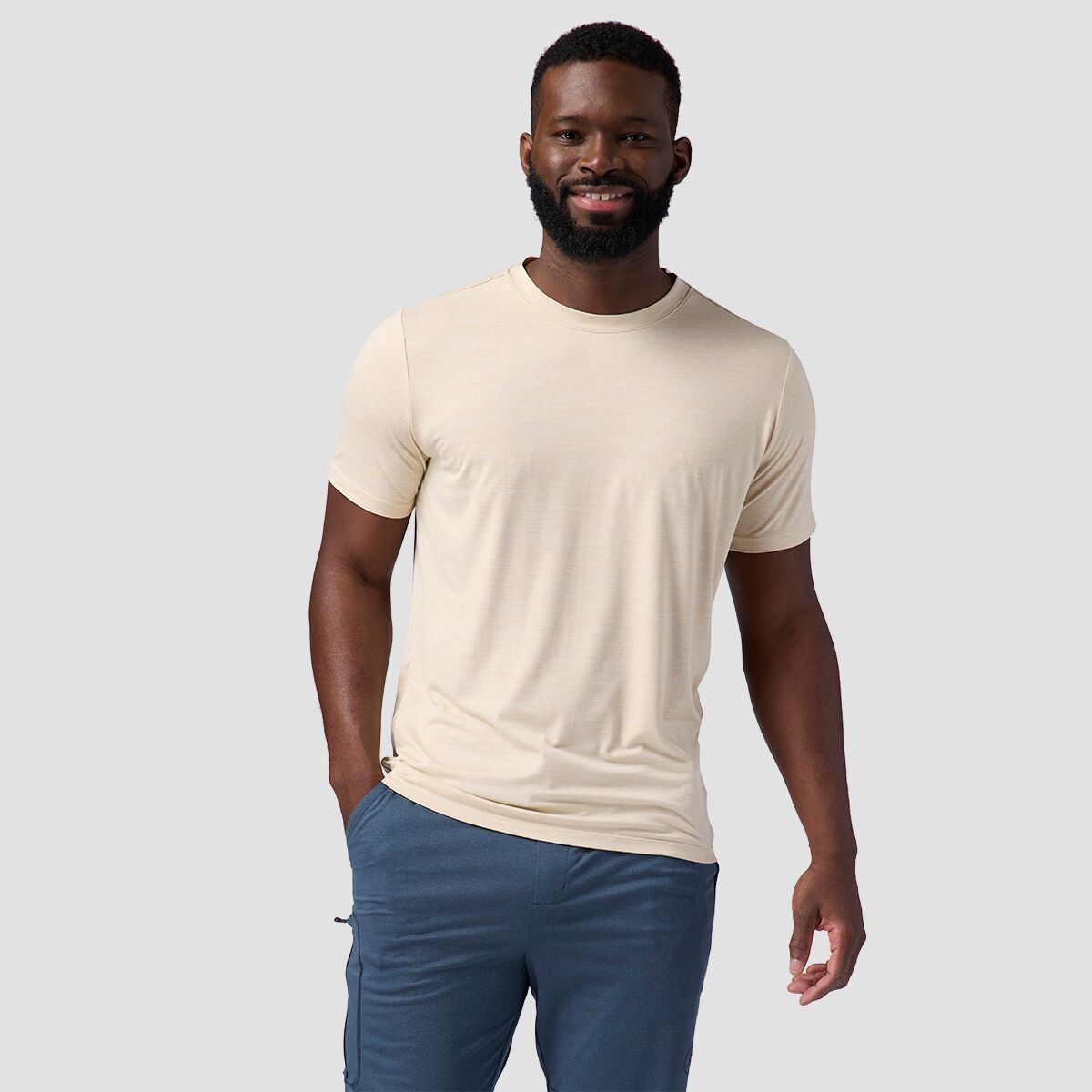 Backcountry Mens Performance Shirts
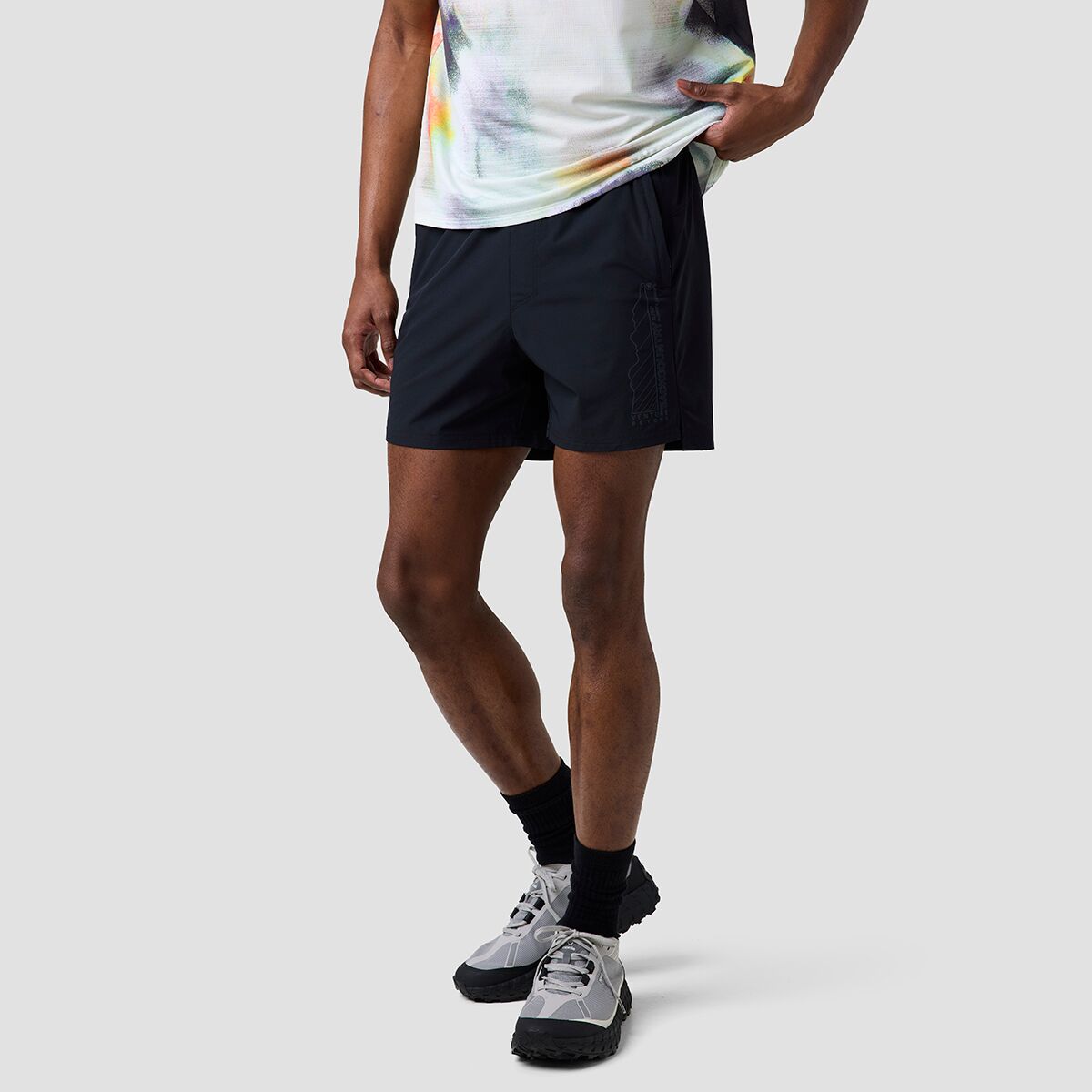 Backcountry Mens Performance Shorts
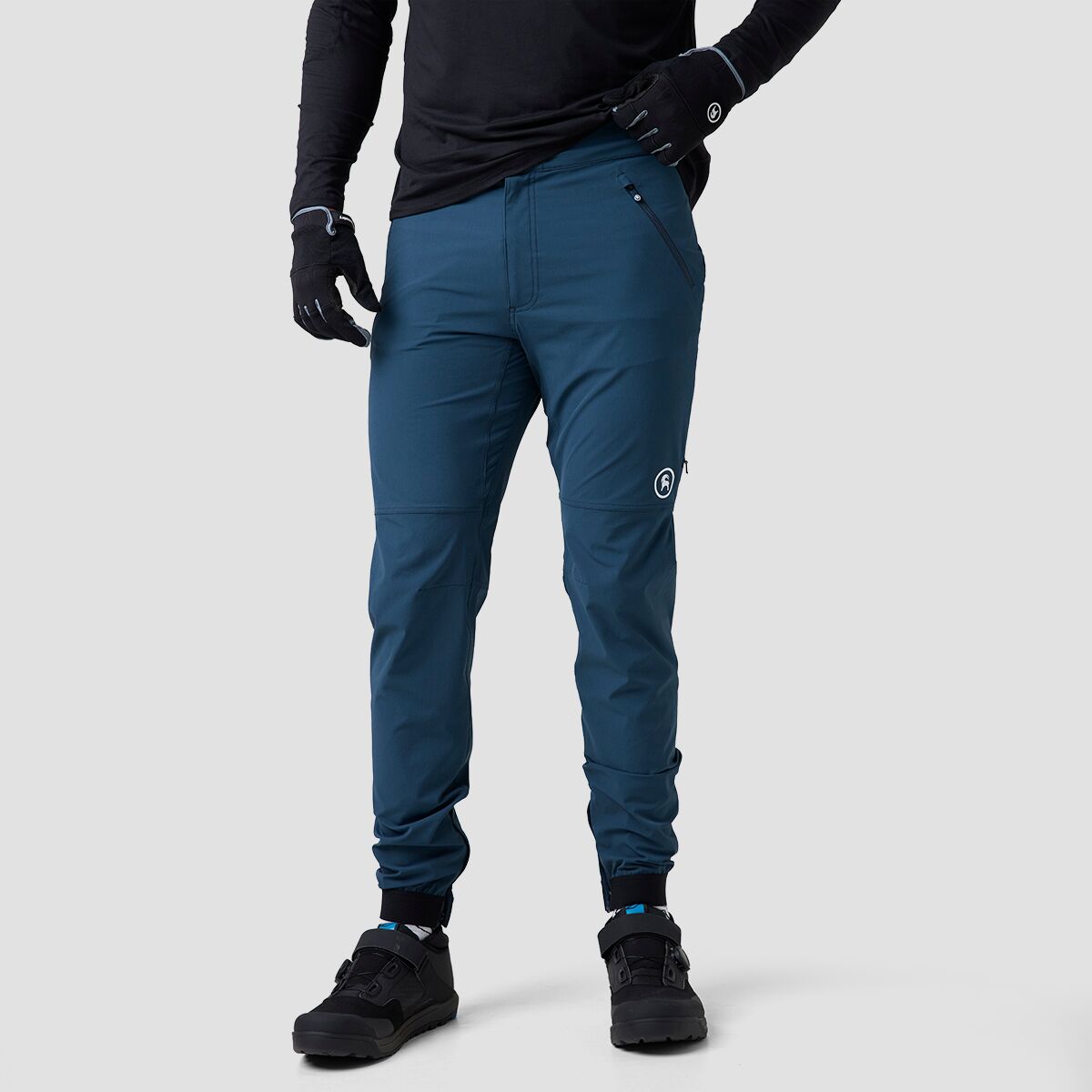 Backcountry Mens Performance Tights Pants
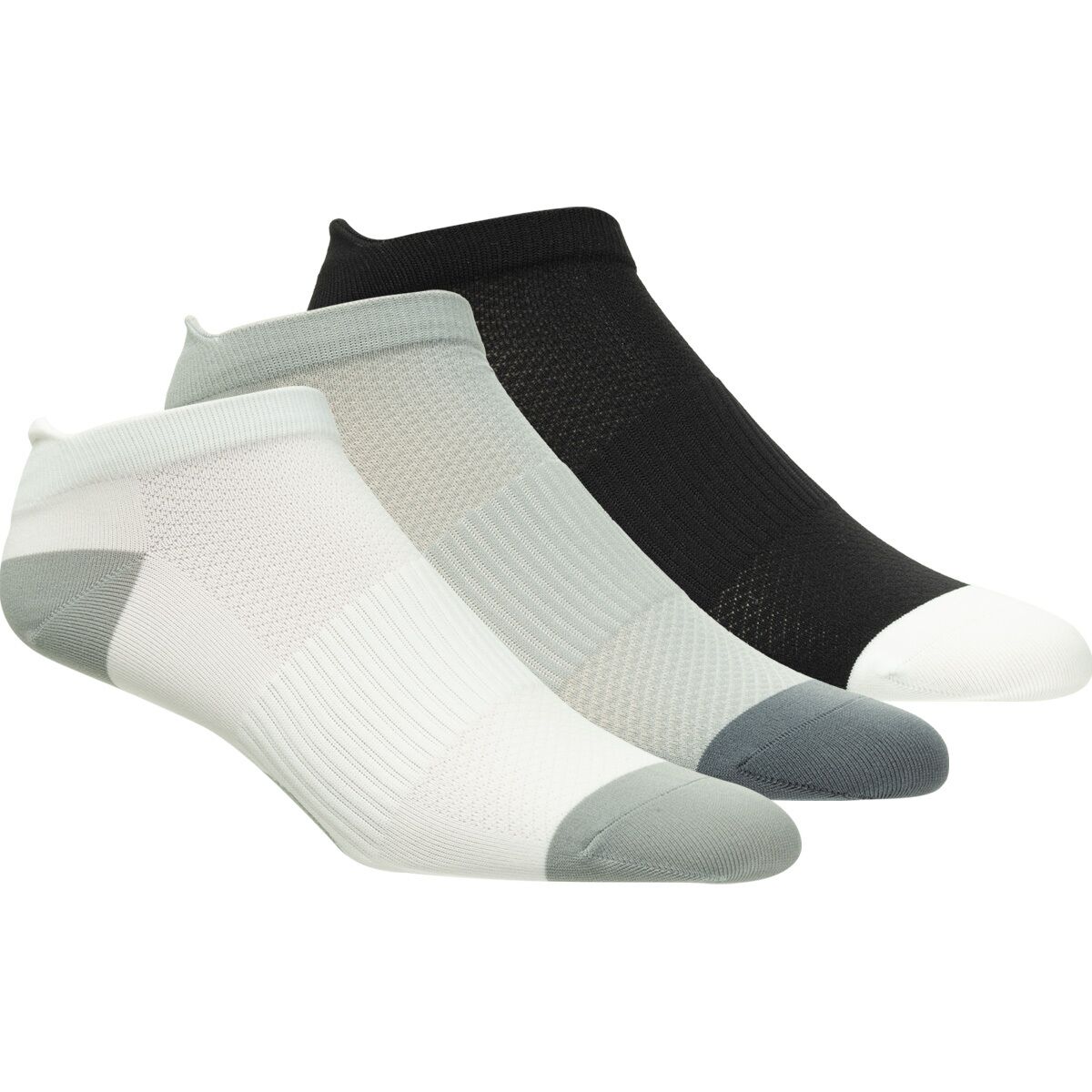 Backcountry Mens Running Socks
 Backcountry Womens Performance Clothing
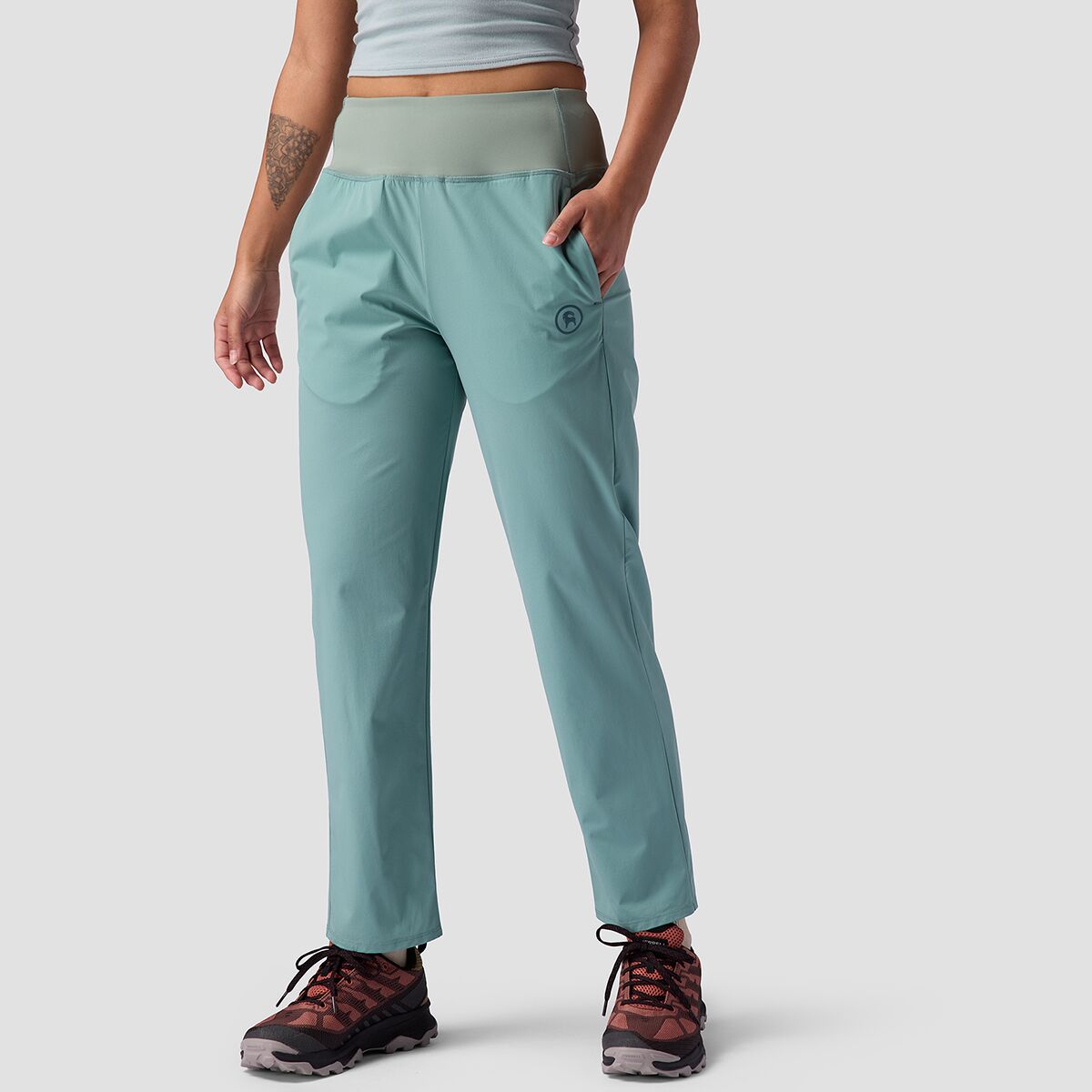 Backcountry Womens Performance Leggings Pants
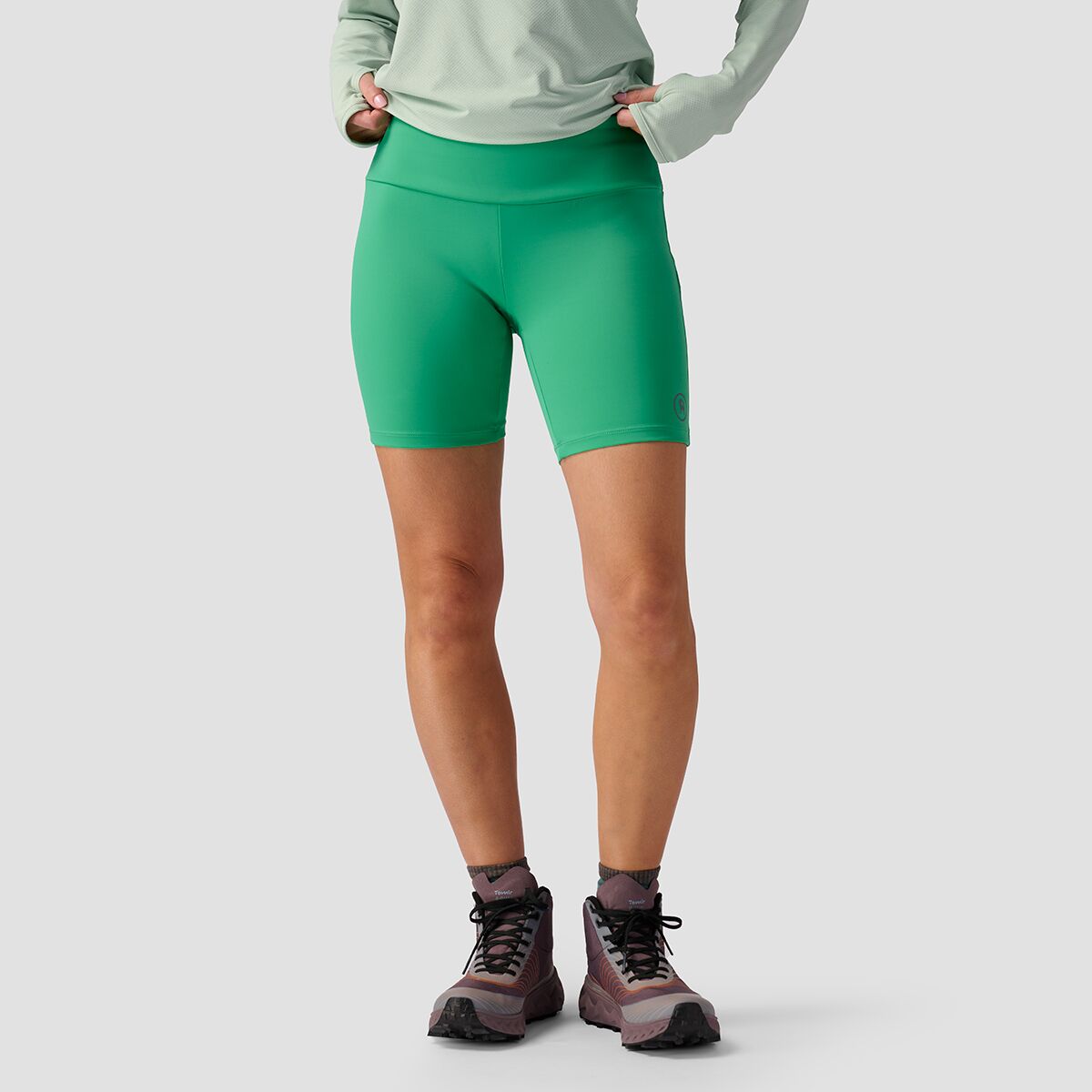 Backcountry Womens Performance Shorts
 Backcountry Womens Performance Tops
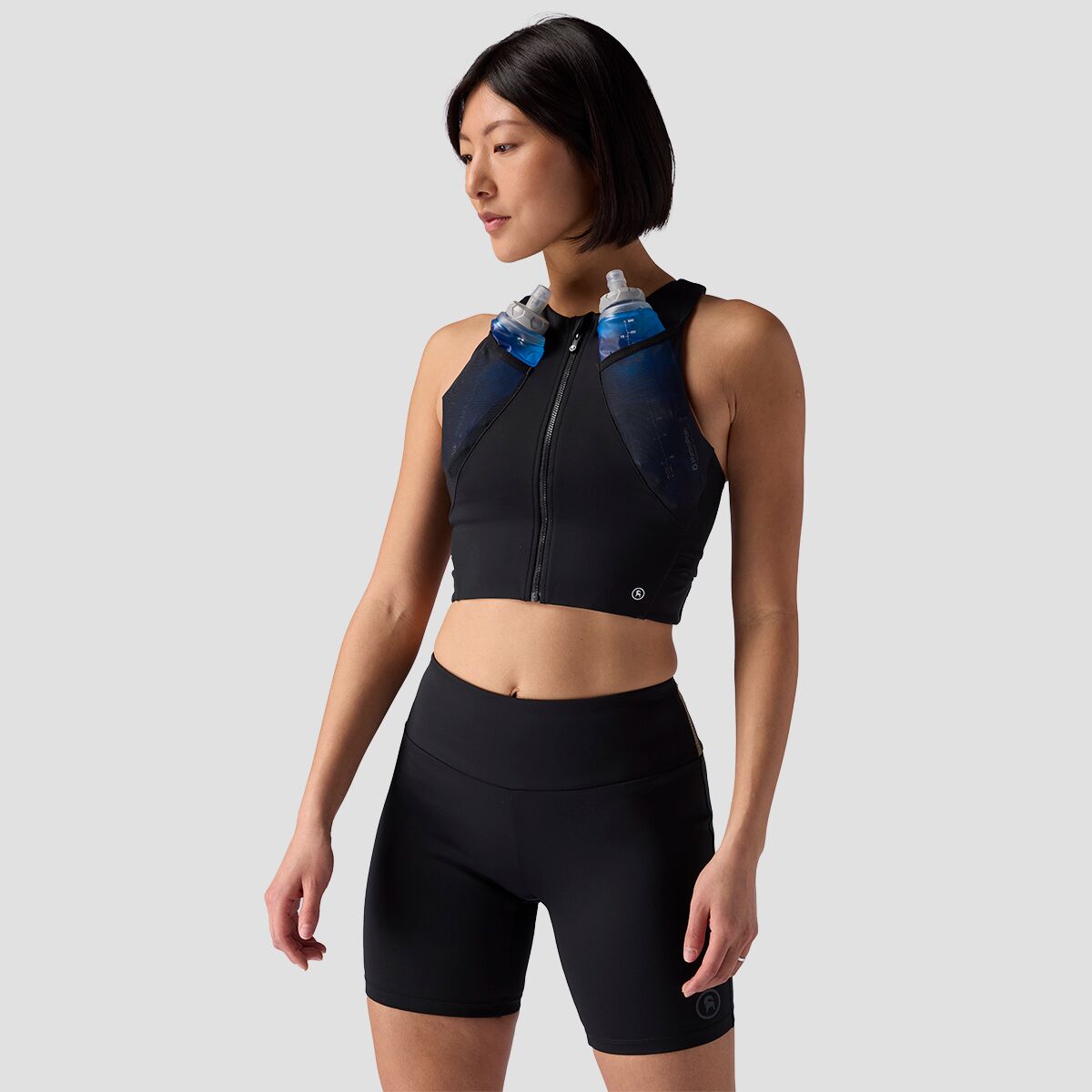 Backcountry Womens Sports Bras
Frequently Asked Questions
How do I choose backcountry skis for uphill efficiency versus downhill performance?
Match ski width, construction, and length to your goals: narrower skis (<80 mm) or dedicated skimo models favor uphill speed and low weight, mid-width skis (around 88–98 mm) like the Fischer Excursion 88 excel as all‑around touring skis, and wider options (100–112 mm and up, e.g., S‑Bound 112) prioritize float in powder and stability on descents. Consider metal edges or partial metal for durability on mixed terrain, and size skis to your weight/height while leaving room to trim climbing skins to the exact base.What are the differences between tech (pin) bindings, frame bindings, and hybrid AT bindings?
Tech (pin) bindings like many Dynafit models are the lightest option and deliver excellent uphill efficiency but require tech‑insert boots for reliable engagement. Frame bindings accept alpine boots and offer simpler compatibility and stronger downhill power at the cost of extra weight, while hybrid/AT bindings (for example, the Marker Kingpin family) aim to blend tech‑style walk range with improved downhill retention. Choose based on your priority: speed and weight savings for long approaches, or mixed resort/backcountry days where downhill performance matters more.How should I size and trim climbing skins for my touring skis?
Start with either model‑specific precut skins or a full‑width skin that you trim to the ski base and shape; ensure the tip loop and tail clip secure snugly and avoid covering edges unnecessarily. Select material based on desired glide-to-grip: mohair or mohair blends for better glide, nylon for more bite and durability, and always clean/replace glue if adhesion weakens. Store skins dry and reapply glue/edge seals as needed to maintain consistent performance on long tours.What avalanche safety gear should I carry for backcountry training and what specs matter?
Carry a 3‑piece avalanche kit: a 457 kHz digital transceiver with search/recovery modes, a metal‑blade shovel designed for robust digging, and a probe sized 240–300 cm for typical burial depths. Prioritize compact, lightweight designs that are quick to deploy and practice companion‑rescue drills regularly so you can perform efficient transceiver searches, probe lines, and shovel packs under stress.How do I choose backcountry ski boots for touring versus ski mountaineering?
Look for boots with tech‑compatible toe and heel inserts and a generous walk mode for long approaches; touring boots are typically lighter with a softer flex to favor uphill mobility, while ski‑mountaineering boots offer a narrower fit and stiffer flex for technical descents and boot‑packing. Always verify sole and insert compatibility with your chosen bindings, and prioritize cuff articulation, buckle adjustability, and overall weight according to whether your priority is skinning efficiency or downhill performance.