


Up To 20% Off Full-Price Items
Shop now
EXTRA 20% Off Clearance
Shop now | Ends 11/9
Get An EXTRA $50 Cash Back*
Summit+ exclusive
Backcountry Climb
28 results


Backcountry
BGA Pines Microgrid Ultra-LT Baselayer Crew Top - Men's
3 colors
Discount Applies In Cart | Ends 11/16
(4)

Backcountry
BGA Tahoe Sun Hoodie - Women's
4 colors
Discount Applies In Cart | Ends 11/16
(94)

+2
Backcountry
BGA Wasatch Ripstop Pant - Men's
6 colors
Discount Applies In Cart | Ends 11/16
(27)

+4
Backcountry
BGA Tahoe Sun Hoodie - Men's
8 colors
Discount Applies In Cart | Ends 11/16
(85)

Backcountry
BGA Runoff 2.5L Rain Parka - Women's
2 colors
Extra 20% Off Clearance | Ends 11/9
(15)

Backcountry
BGA Destination Long-Sleeve Shirt - Women's
4 colors
Discount Applies In Cart | Ends 11/16
(16)

Backcountry
BGA Destination Crew T-Shirt - Men's
5 colors
Discount Applies In Cart | Ends 11/16
(15)

Backcountry
BGA Peale PrimaLoft Stitchless Baffle Stretch Jacket-Women's
3 colors
Discount Applies In Cart | Ends 11/16
(9)

Backcountry
BGA Highliner PrimaLoft Air-Perm Fleece Crew
2 colors
Discount Applies In Cart | Ends 11/16
(3)

+3
Backcountry
BGA Tahoe Sun Long-Sleeve Crew Shirt - Men's
7 colors
Discount Applies In Cart | Ends 11/16
(8)

Backcountry
BGA Tahoe Sun Short-Sleeve Crew - Men's
5 colors
Discount Applies In Cart | Ends 11/16
(12)

Backcountry
BGA Destination Pullover Hoodie - Men's
5 colors
Discount Applies In Cart | Ends 11/16
(23)

Backcountry
BGA Wasatch Adventure RWS Merino Lt-Wt Tech Tee - Men's
2 colors
Discount Applies In Cart | Ends 11/16
(4)

Backcountry
BGA Wasatch Ripstop 5in Pull-On Short - Women's
3 colors
Discount Applies In Cart | Ends 11/16

Backcountry
BGA Waas ALLIED Down Belay Jacket
1 color
Discount Applies In Cart | Ends 11/16

Backcountry
BGA Destination 1/4-Zip Pullover - Women's
3 colors
Discount Applies In Cart | Ends 11/16

Backcountry
BGA Wasatch Adventure RWS Merino Lt-Wt Tech Tee - Women's
2 colors
Discount Applies In Cart | Ends 11/16
(4)


Backcountry
BGA Wasatch Ripstop Short - Men's
2 colors
Discount Applies In Cart | Ends 11/16
(18)

Backcountry
BGA Tahoe Cami Top Base Set - Women's
2 colors
Extra 20% Off Clearance | Ends 11/9
(1)

Backcountry
BGA Wasatch Ripstop 9in Trail Short - Women's
1 color
Discount Applies In Cart | Ends 11/16

Backcountry
BGA Destination Tank Top - Women's
4 colors
Discount Applies In Cart | Ends 11/16
(5)

Backcountry
BGA Wander Sweater Fleece Jacket - Men's
2 colors
Discount Applies In Cart | Ends 11/16
(6)

Backcountry
BGA Destination Mesh-Back Tank Top - Women's
2 colors
Winter Sale

Backcountry
BGA Destination Racerback Tank Top - Women's
2 colors
Winter Sale

Backcountry
BGA Tahoe Pant - Men's
2 colors
Winter Sale

Backcountry
BGA Destination Base Short - Men's
3 colors
Winter Sale
(2)

Backcountry
BGA Destination Tank - Men's
2 colors
Discount Applies In Cart | Ends 11/16
(4)

Backcountry
BGA Destination Run Bike Short - Women's
5 colors
Extra 10% Off Clearance | Ends 11/09
(7)
Related Categories
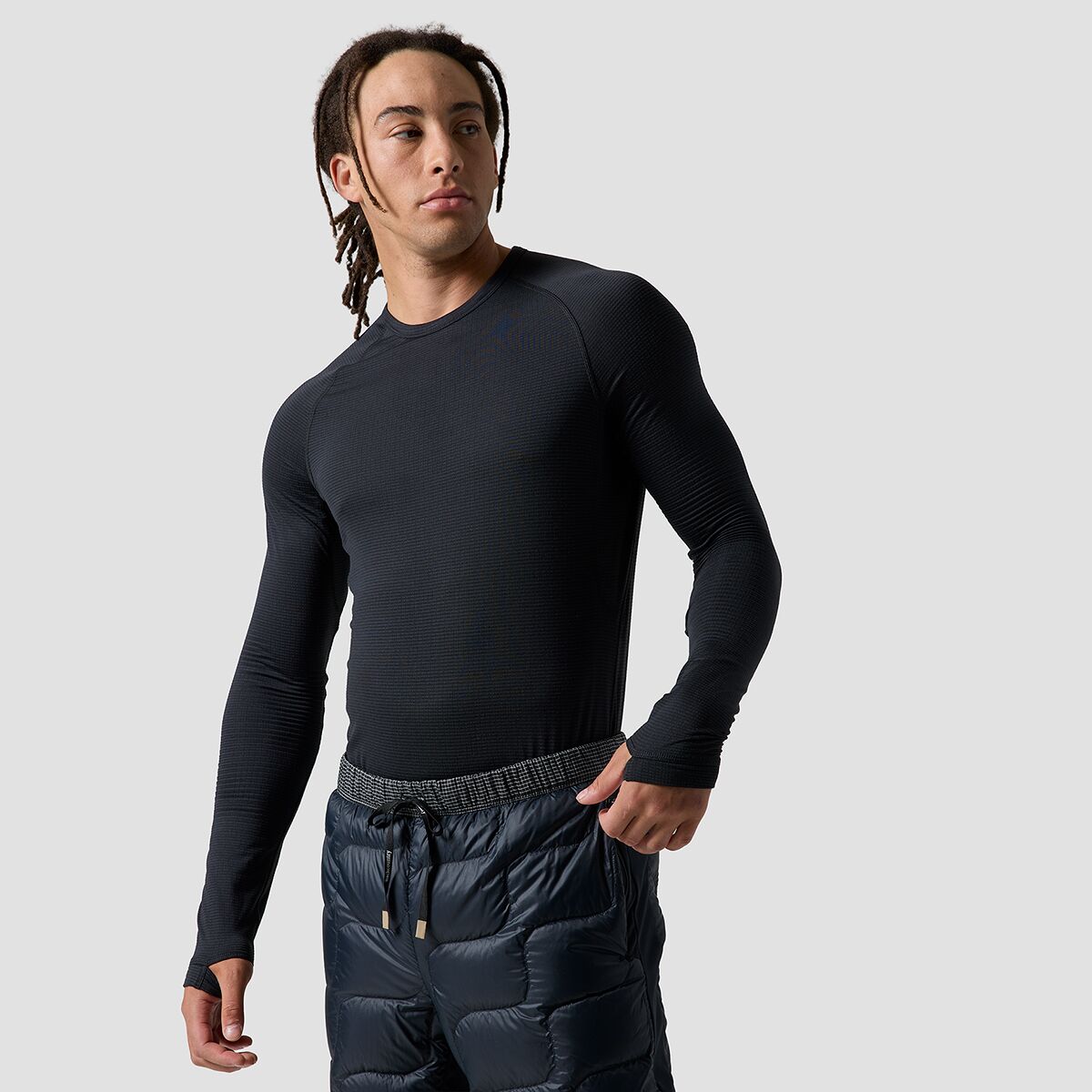 Backcountry Men's Climb Baselayers
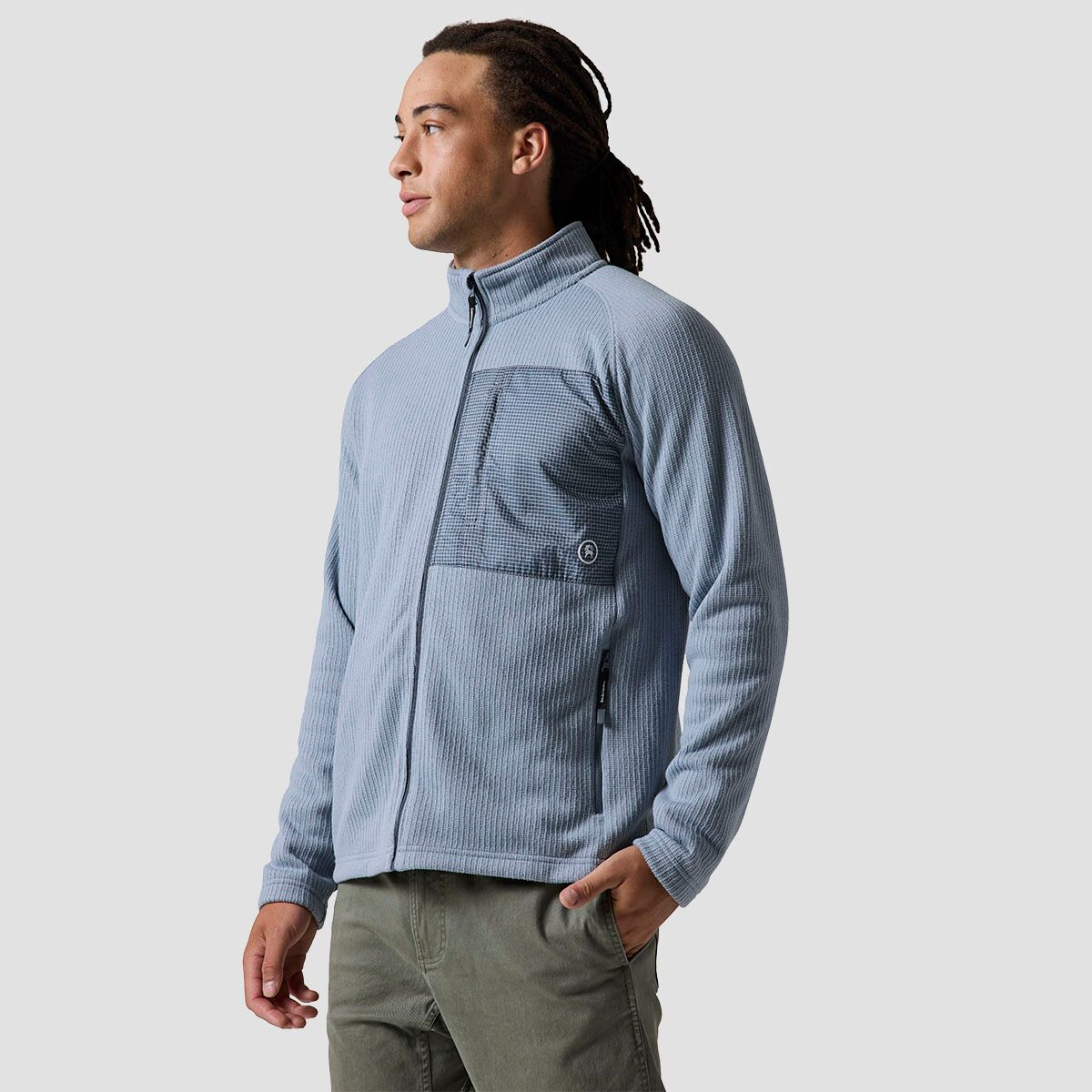 Backcountry Men's Climb Jackets
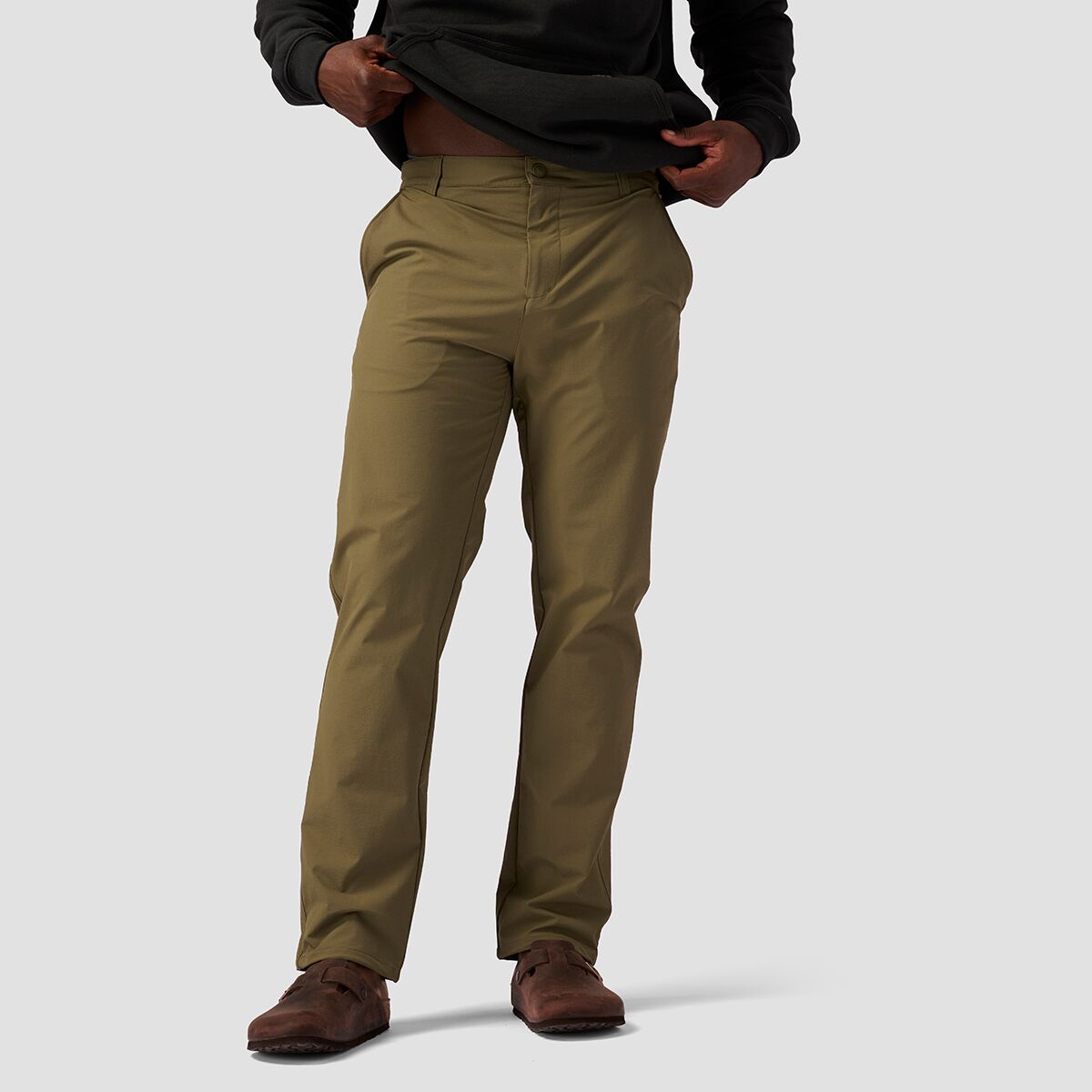 Backcountry Men's Climb Pants
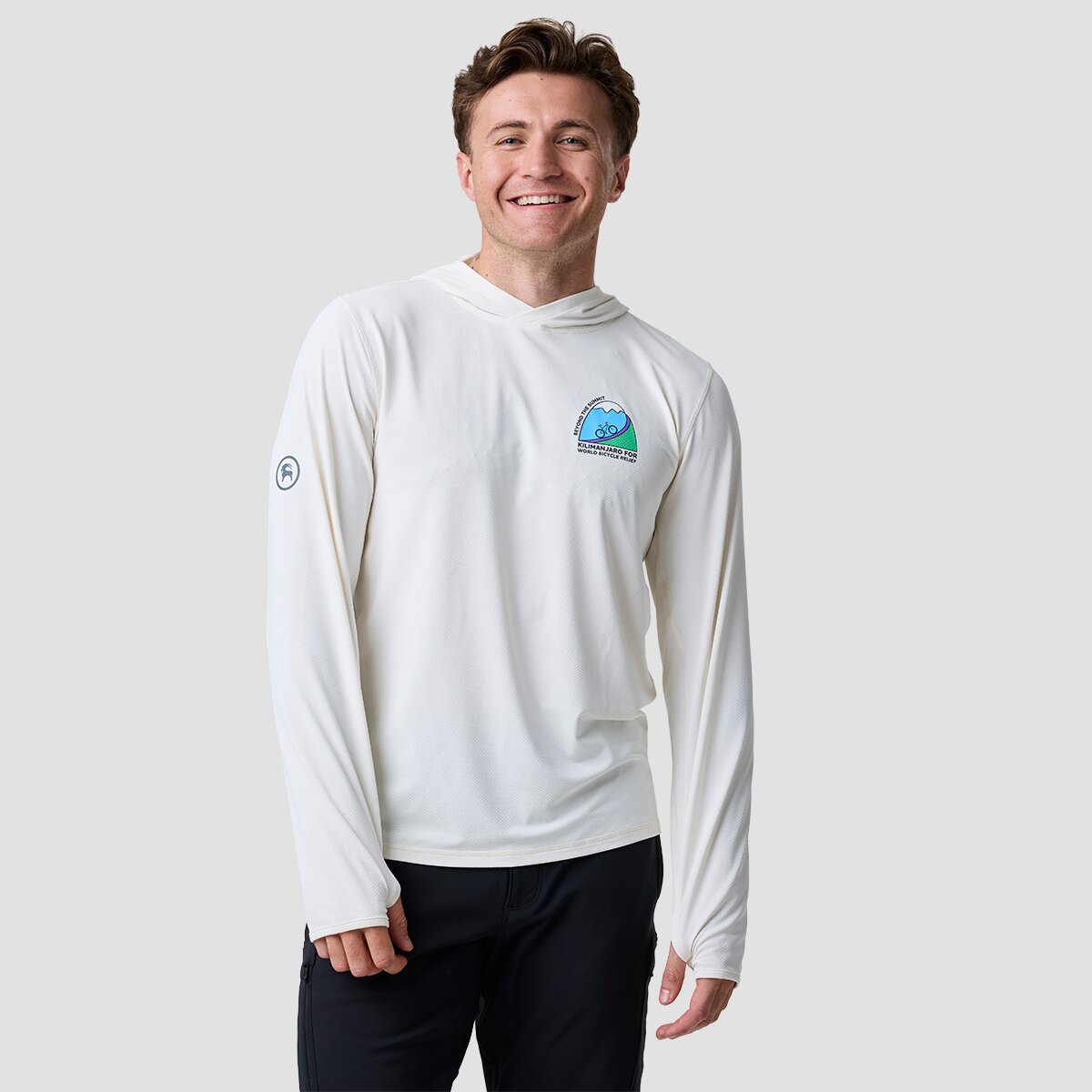 Backcountry Men's Climb Shirts
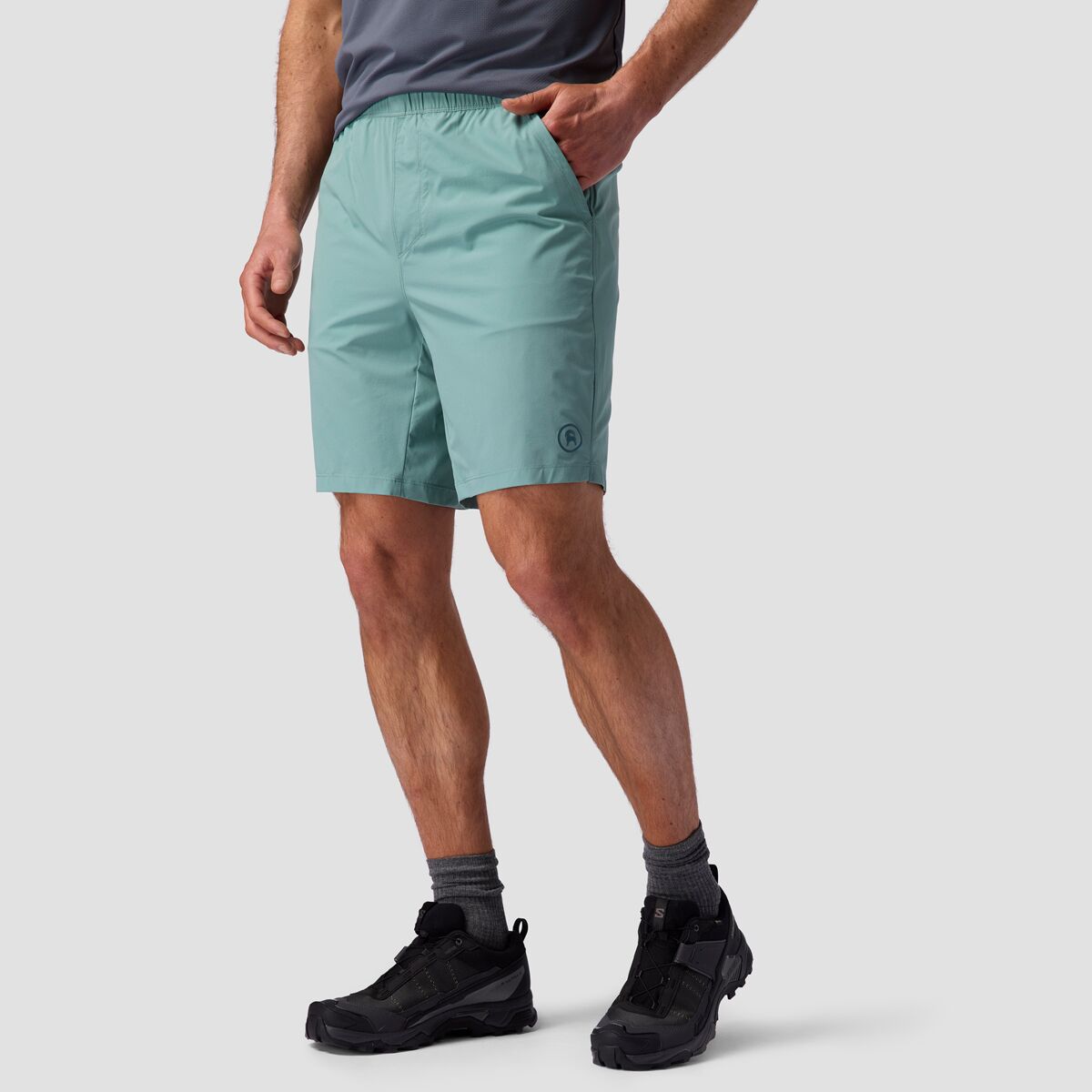 Backcountry Men's Climb Shorts
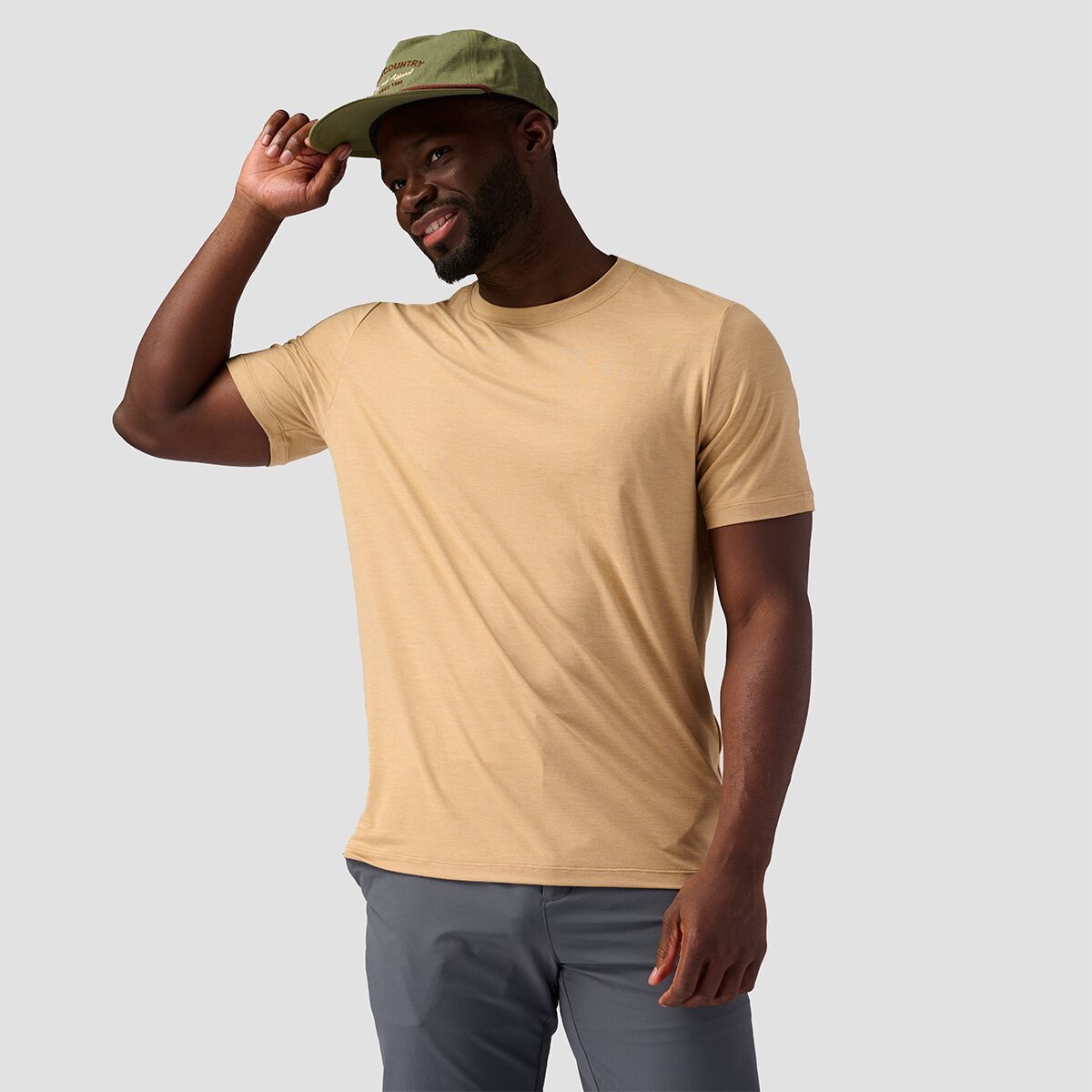 Backcountry Men's Climbing Clothing
 Backcountry Women's Climb Jackets
 Backcountry Women's Climb Shorts
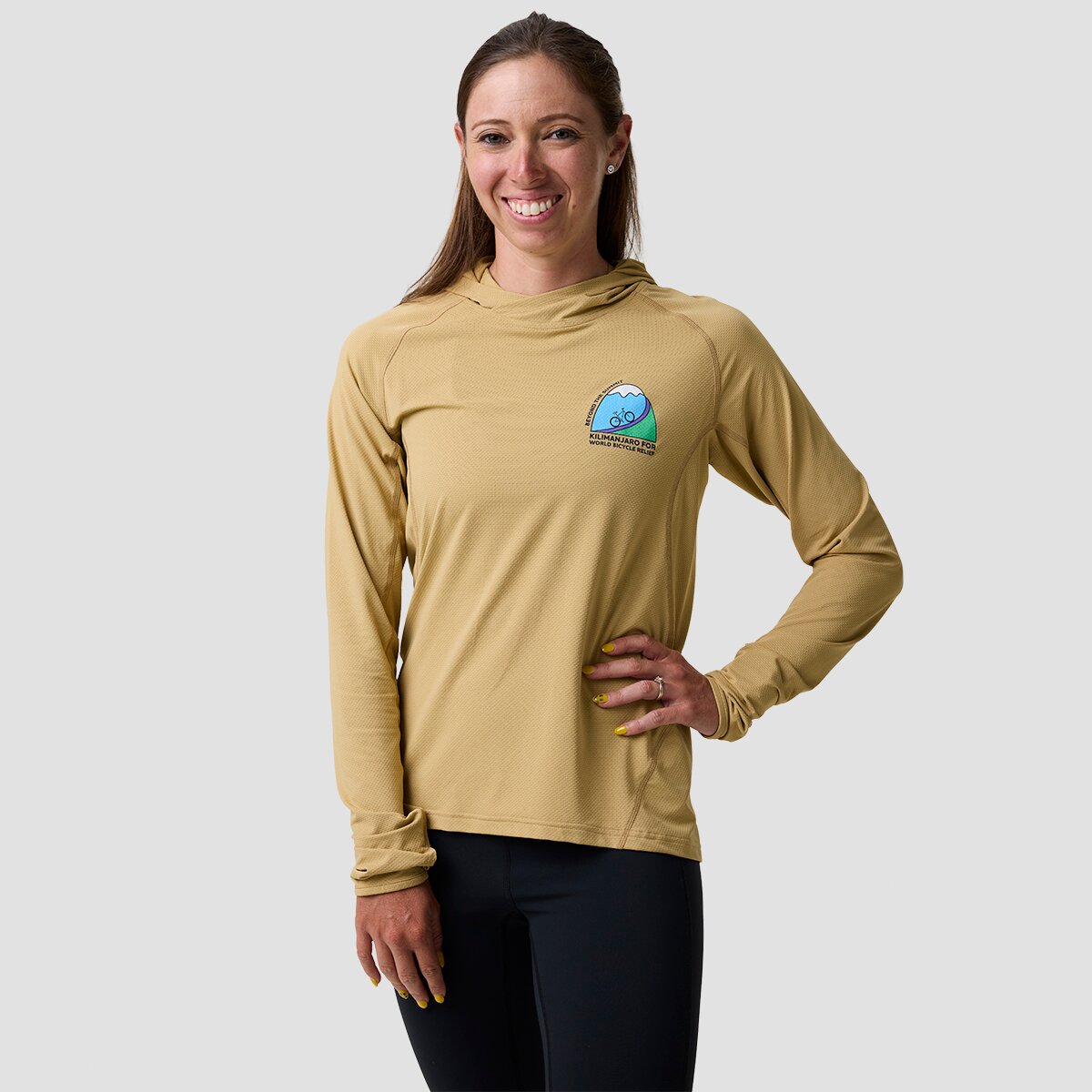 Backcountry Women's Climb Tops
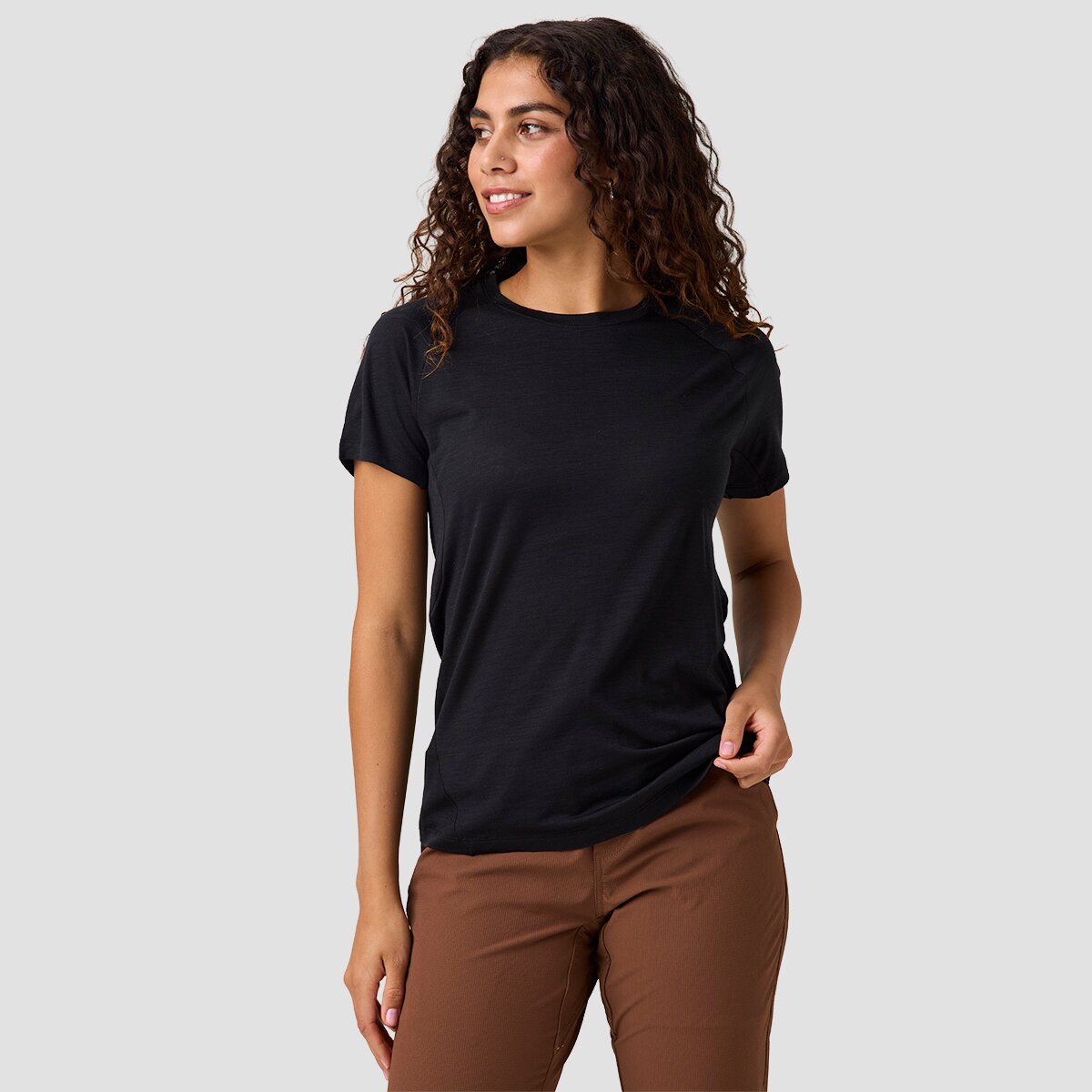 Backcountry Women's Climbing Clothing
Frequently Asked Questions
How do I choose a harness for sport, trad, or alpine climbing?
Choose by gear-loop count, belt/leg thickness, and adjustability: sport harnesses favor a thinner, ventilated belt and 2–4 gear loops for lightness and freedom of movement (good examples are minimalist WireFrame-style harnesses). Trad and multi‑pitch harnesses have 4–6 gear loops, a thicker padded belt for long hangs, and sometimes a rated haul loop; alpine harnesses add adjustable/removable leg loops and ice clipper slots for crampon and rope management. Match loop count and padding to the time on the wall and how much rack you carry.How does the Petzl WireFrame HMPE harness compare to the Arc’teryx SL-340 harness?
The Petzl WireFrame HMPE exemplifies ultra‑light, low‑profile design and high breathability aimed at sport and alpine climbers who prioritize weight savings. The Arc’teryx SL-340 leans toward all‑day comfort and versatility with more padding and greater gear‑management capacity for multi‑pitch or long crag days. Pick WireFrame for minimalism and the SL‑340 for extended comfort and more on‑wall utility.What rope diameter and treatment should I choose for sport crags versus alpine or mixed routes?
For sport crags a lighter single rope like an Edelweiss Echo 9.6mm (dry‑treated option) reduces weight and rope drag, while for alpine and mixed routes a dry‑treated rope of similar or slightly larger diameter improves water/ice resistance. Thinner ropes save weight but trade some abrasion resistance and longevity; if you frequently rap, top‑rope, or pull hard on rock, prefer a thicker, more durable single rope. Always choose a dry treatment for ice, snow, or high‑moisture environments.How do I match crampons and boots for mixed ice, steep snow, or summer alpine approaches?
Match crampon material and binding style to terrain and boot stiffness: steel crampons are best for steep, rocky, or mixed routes where durability and bite matter, while aluminum crampons are lighter for summer snow and moderate alpine approaches. Ensure boots are crampon‑compatible (rigid soles and appropriate welts for step‑in or semi‑automatic bindings) and that the boot/strap system pairs with the crampon’s binding type for a secure fit. Consider a stiffer mountaineering boot for mixed/technical ice and a lighter alpine boot for summer snow approaches.What practical fit and gear‑management tips should I use when buying a harness or pack for climbing?
Try harnesses on with climbing pants and shoes, sit, and simulate a weighted hang to check comfort; the waistbelt should sit on the iliac crest and be adjustable enough to fit layers without cutting circulation. For packs and harnesses, prioritize the number and placement of gear loops/ice clipper slots, a rated haul loop for big‑wall use, and features like removable lids or vertical zipper access for approach versus multi‑pitch needs. Use size charts as a baseline but always verify fit in person or with a detailed manufacturer fit guide.