Fall Sale
Shop up to 40% off
Ski & Snowboard Gear On Sale
Shop up to 40% off
Bike Gear & Apparel On Sale
Shop up to 40% off
Purple Telemark Skiing
5 results
- purple
Learn more about Telemark Skiing
Men
Women
Kids
Footwear
Camp
Bike
Climb
Travel
Ski
Skis & Bindings
Ski Boots
Ski Poles
Helmets & Goggles
Alpine Touring
Travel & Essentials
Men's Ski Clothing
Women's Ski Clothing
Youth Ski Clothing
Snowboard
Boards & Bindings
Splitboarding
Travel & Essentials
Men's Snowboard Clothing
Women's Snowboard Clothing
Youth Snowboard Clothing
Fall Sale
Shop up to 40% off
Ski & Snowboard Gear On Sale
Shop up to 40% off
Bike Gear & Apparel On Sale
Shop up to 40% off
5 results
Learn more about Telemark Skiing
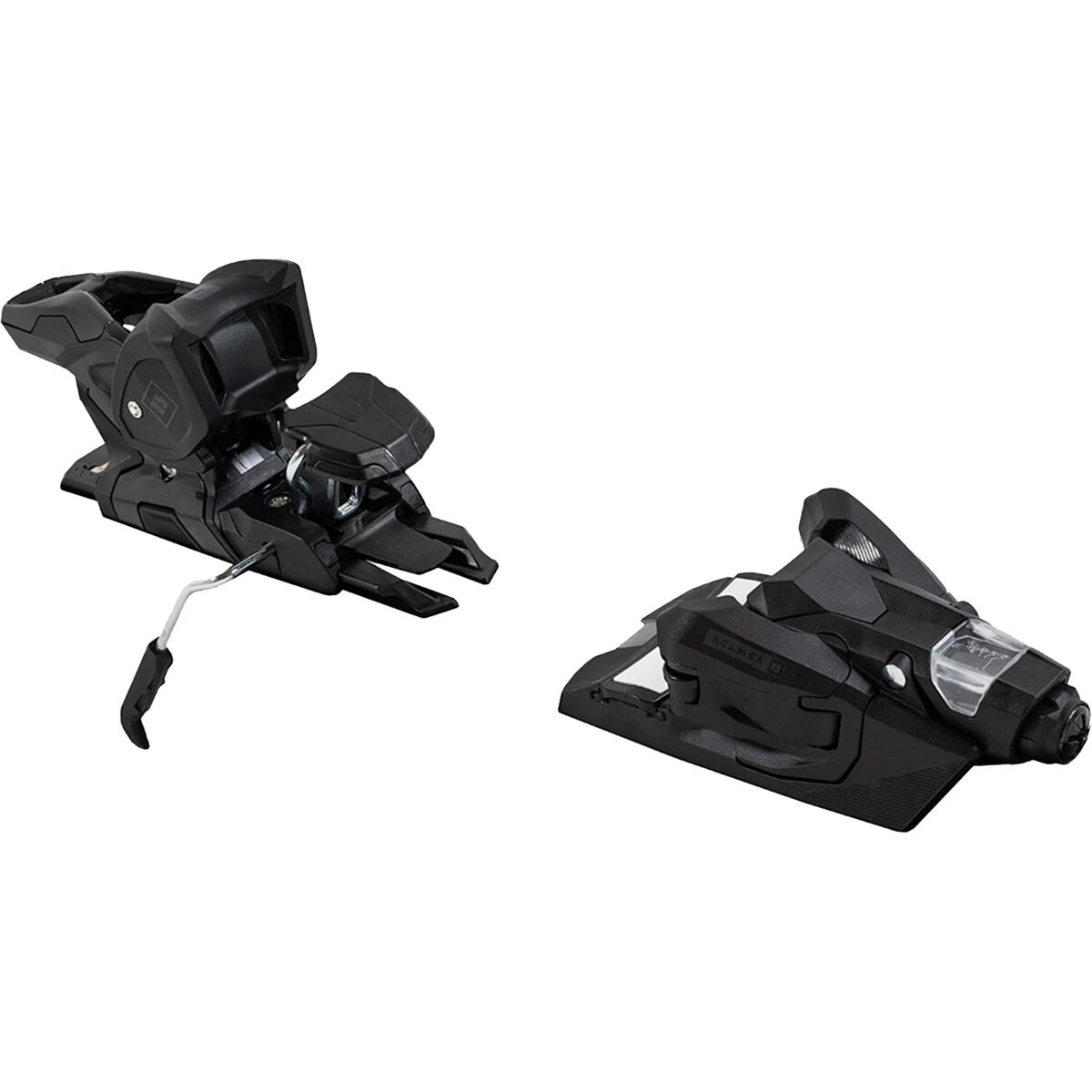
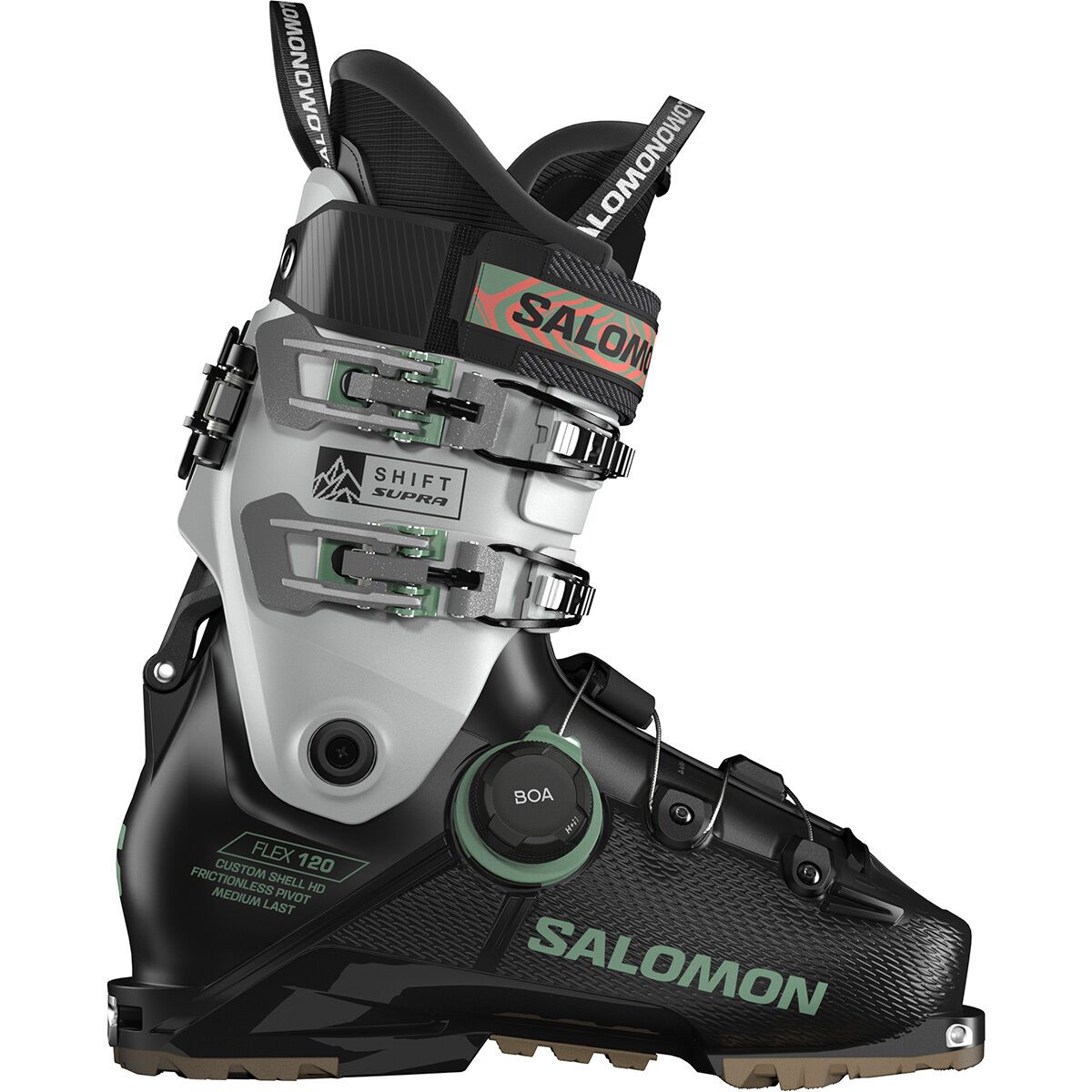
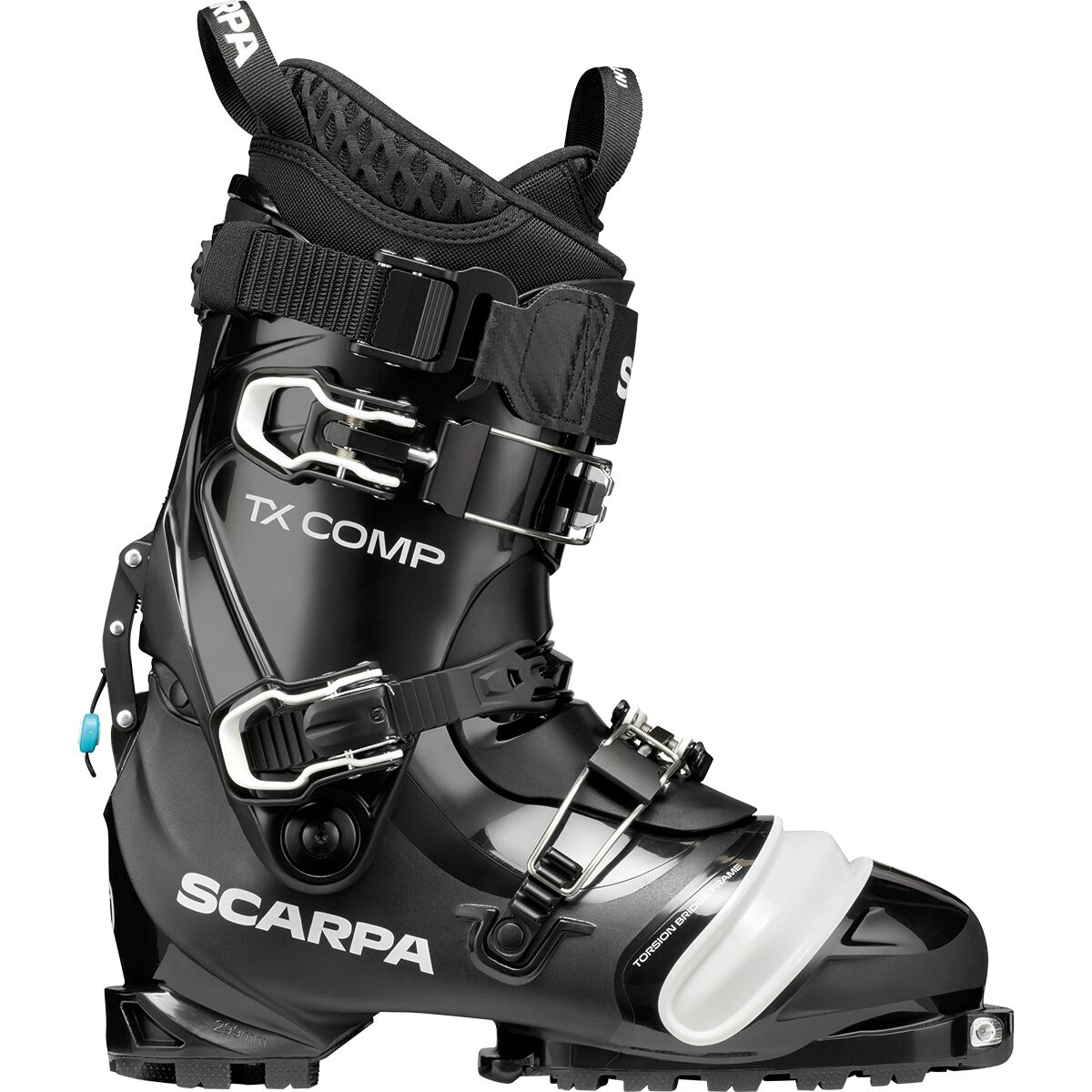
Make sure your boot sole type (75mm duckbill or NTN) matches the binding system; three‑pin bindings require 75mm duckbill boots while NTN bindings need NTN soles. Softer leather options like the Scarpa T4s work well in traditional 75mm setups, whereas stiffer plastic shells such as the Scarpa Tx Pro pair better with NTN bindings, and you should confirm the binding’s DIN‑like release range (for example 4–12).
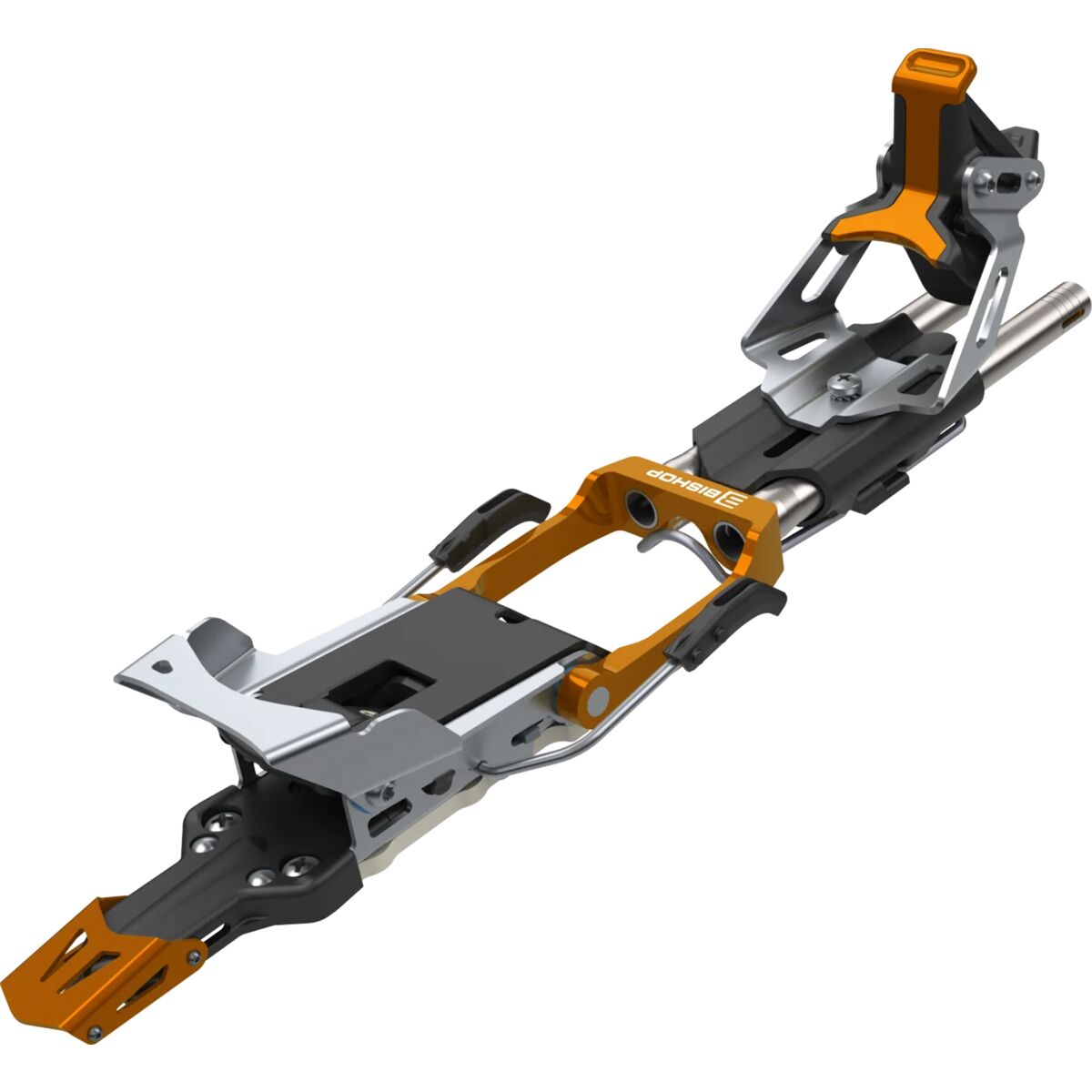
NTN boots are best when you want more downhill power for steep or resort-style runs because taller plastic shells deliver stiffer response and control. Pairing an NTN boot with a binding like the 22 Designs Outlaw X gives strong descent performance. They trade some kick‑and‑glide flexibility for superior edge hold and stability in challenging terrain.
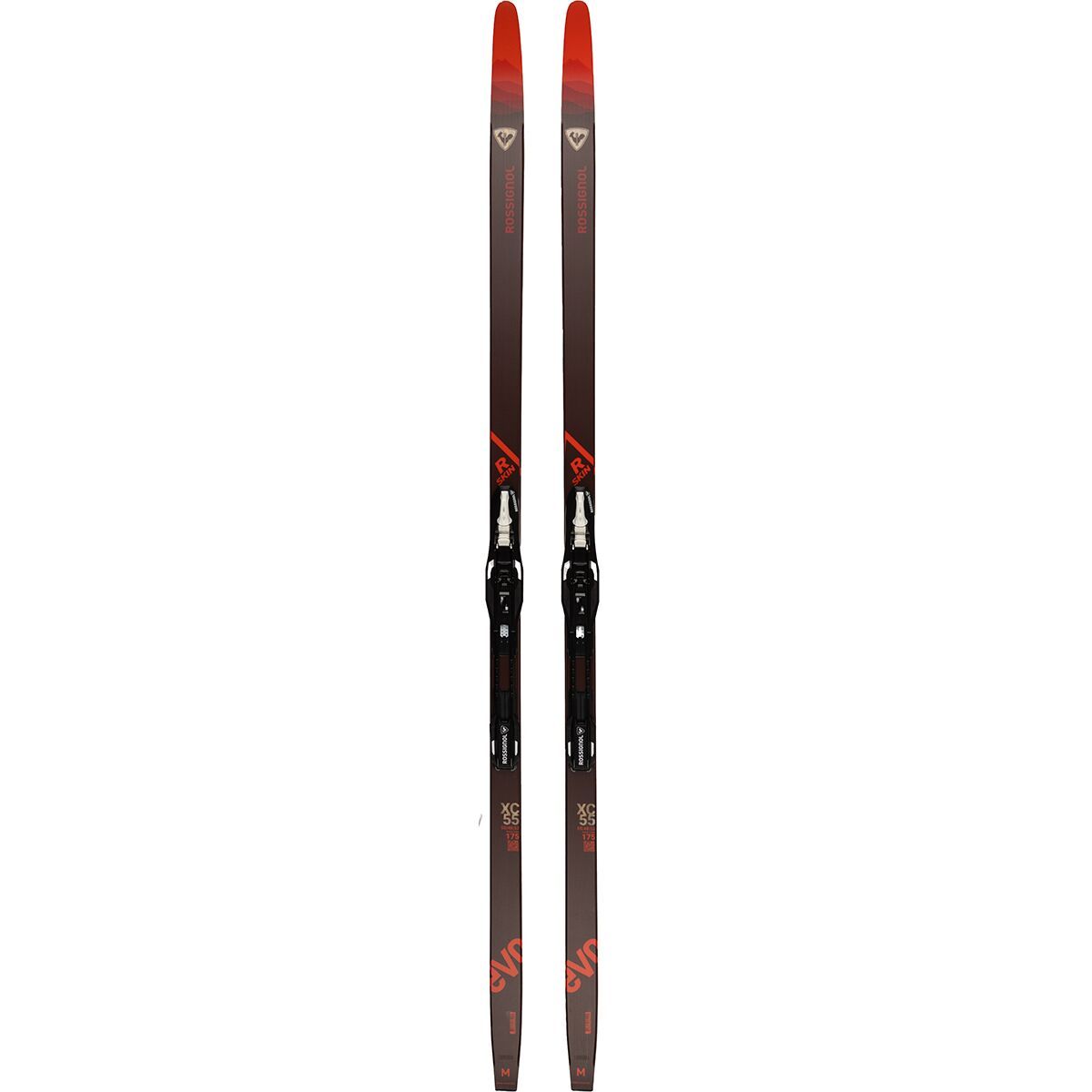
For backcountry touring, lighter, tour‑focused skis with moderate waist widths and skins are ideal; models like the Madshus Panorama M68 with a 68mm waist prioritize efficient kick‑and‑glide. Couple those skis with an ultra‑light binding such as the Rottefella Xplore (around 300g) and climbing skins to save energy on the ascent. This setup favors uphill efficiency and easy transition to a free‑heel mode.
Ski sidecut and camber influence carving and edge grip while rocker and wider waists improve flotation in soft snow. Wood cores like poplar give a damp, smooth flex, whereas metal laminates and stiffer flex ratings (around 100–120) add stability on hard, alpine‑style descents. Freeride designs such as the Blizzard Rustler 9 blend playful pop with enough construction to hold speed and control.
Traditional 75mm gear with softer leather boots and three‑pin bindings excels for meadow skipping, tree runs, and groomed kick‑and‑glide because it offers lively telemark‑specific flex. A combo like the Scarpa T2s with Voile 3‑Pin bindings and a skinnier cambered ski delivers nimble, comfortable performance in mixed low‑angle terrain. That pairing favors agility and comfort over maximum downhill stiffness.