Fall Sale
Shop up to 40% off
Ski & Snowboard Gear On Sale
Shop up to 40% off
Bike Gear & Apparel On Sale
Shop up to 40% off
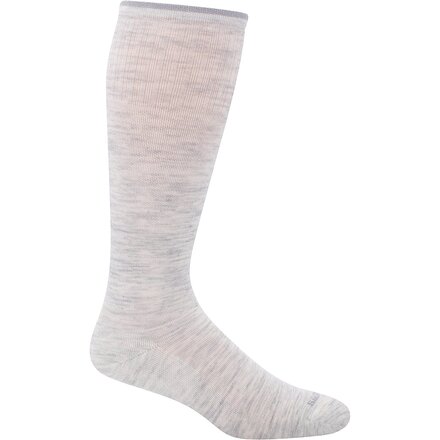
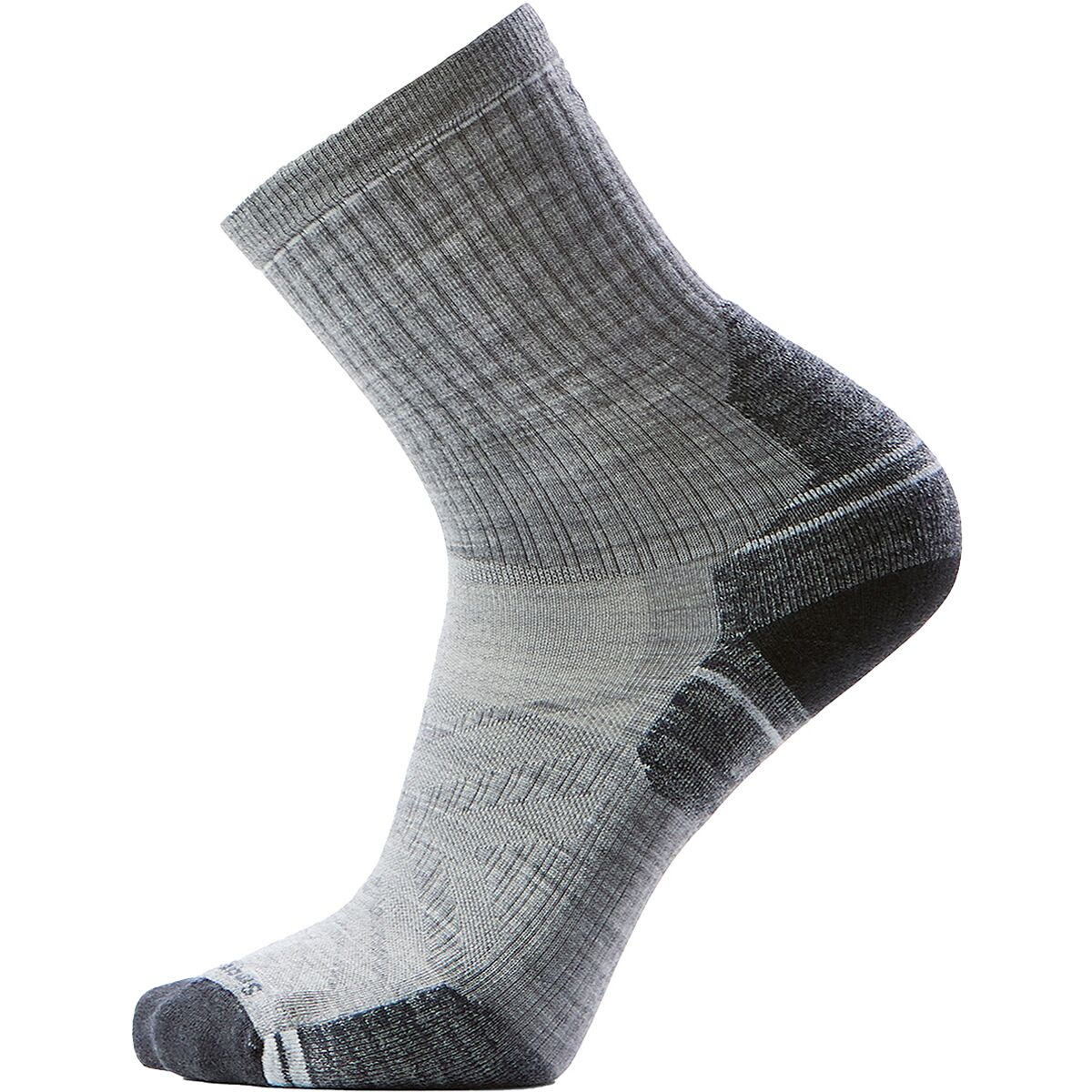
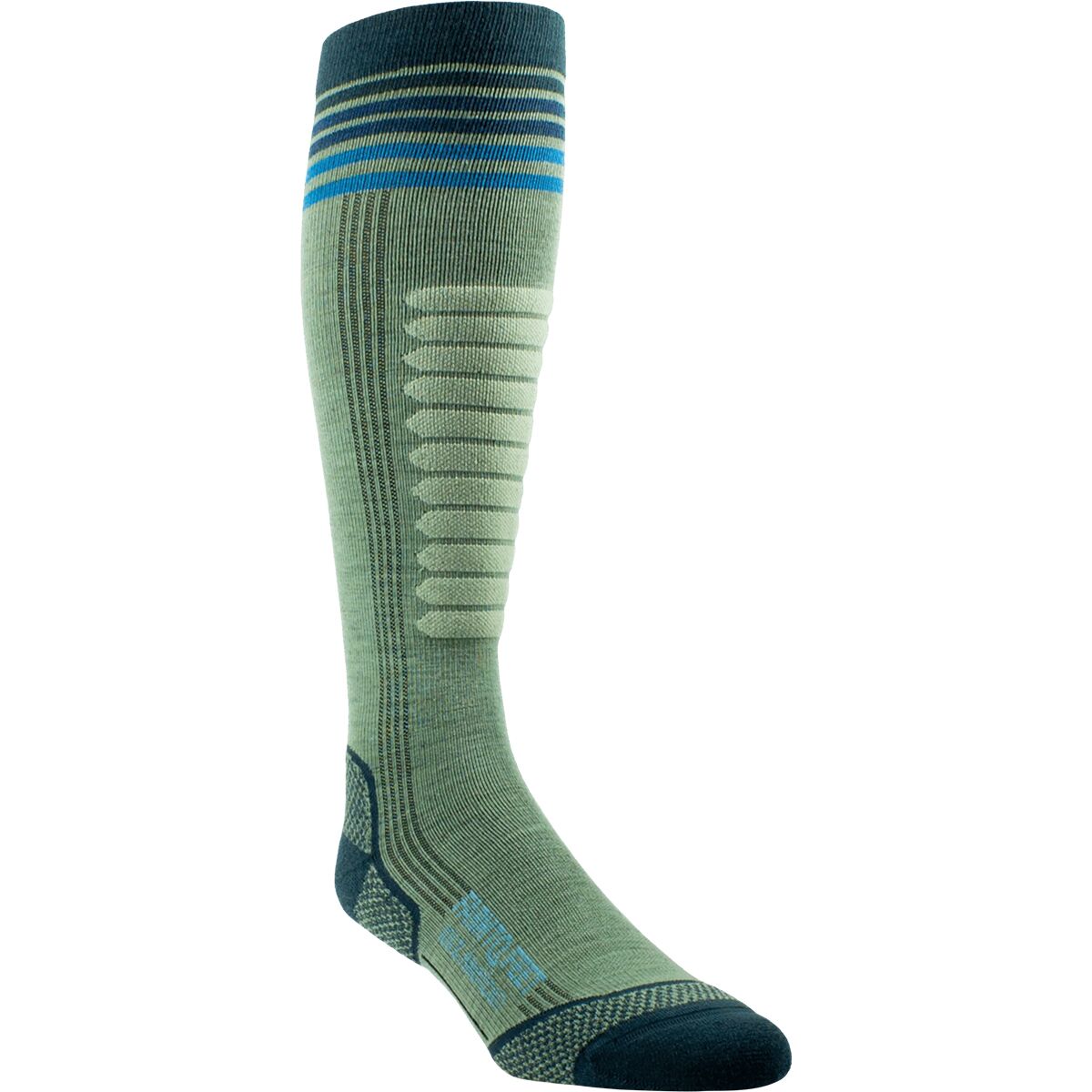
Men's Gray Compression Socks
4 results
- gray
Learn more about Men's Compression Socks
Men
Women
Kids
Footwear
Camp
Bike
Climb
Travel
Ski
Skis & Bindings
Ski Boots
Ski Poles
Helmets & Goggles
Alpine Touring
Travel & Essentials
Men's Ski Clothing
Women's Ski Clothing
Youth Ski Clothing
Snowboard
Boards & Bindings
Splitboarding
Travel & Essentials
Men's Snowboard Clothing
Women's Snowboard Clothing
Youth Snowboard Clothing
Fall Sale
Shop up to 40% off
Ski & Snowboard Gear On Sale
Shop up to 40% off
Bike Gear & Apparel On Sale
Shop up to 40% off
4 results
Learn more about Men's Compression Socks
Choose based on activity and needs: 15–20 mmHg is common for everyday use, travel, standing or moderate runs, while 20–30 mmHg is better for endurance training or recovery because it provides firmer graduated pressure (strongest at the ankle, decreasing upward); compare brand labels since “mild/moderate/firm” can vary.
Measure your ankle (narrowest point), calf, and shoe size and consult the brand-specific sizing chart (for example, Sockwell uses shoe sizes), aim for a snug, non-slip fit with spandex or wide top bands, and consider sizing down if you’re between sizes for optimal compression.
Knee-high/tall socks offer full calf coverage and are most versatile for runners, mid-cut gives shorter calf coverage for warmer conditions, and low-cut/no-show focuses on the ankle/foot for conditions like plantar fasciitis.
Look for moisture-wicking, odor-resistant blends such as merino wool, nylon microfiber, spandex, or rayon from bamboo, plus medical‑grade graduated construction, seamless toes to reduce irritation, and durable weaves to prevent sagging; open or closed toe options accommodate different shoes.
Running and endurance sports benefit from graduated compression for circulation, reduced muscle vibration, and Achilles protection; training models add anti-fatigue and moisture-wicking fabrics, while everyday/recovery styles use milder compression—features like extra Achilles cushioning and non-slip cuffs enhance comfort and performance.