


test
Chain lube is the one bit of bike maintenance that pays back on every ride: a clean, lubed chain shifts better, runs quieter and wears the cassette and chainrings far more slowly.
The right choice depends on where and how you ride. This guide walks through wet, dry and wax lubes, when each one earns its place, and a simple workflow for switching between them without mixing old grit into a fresh coat.
Related Categories
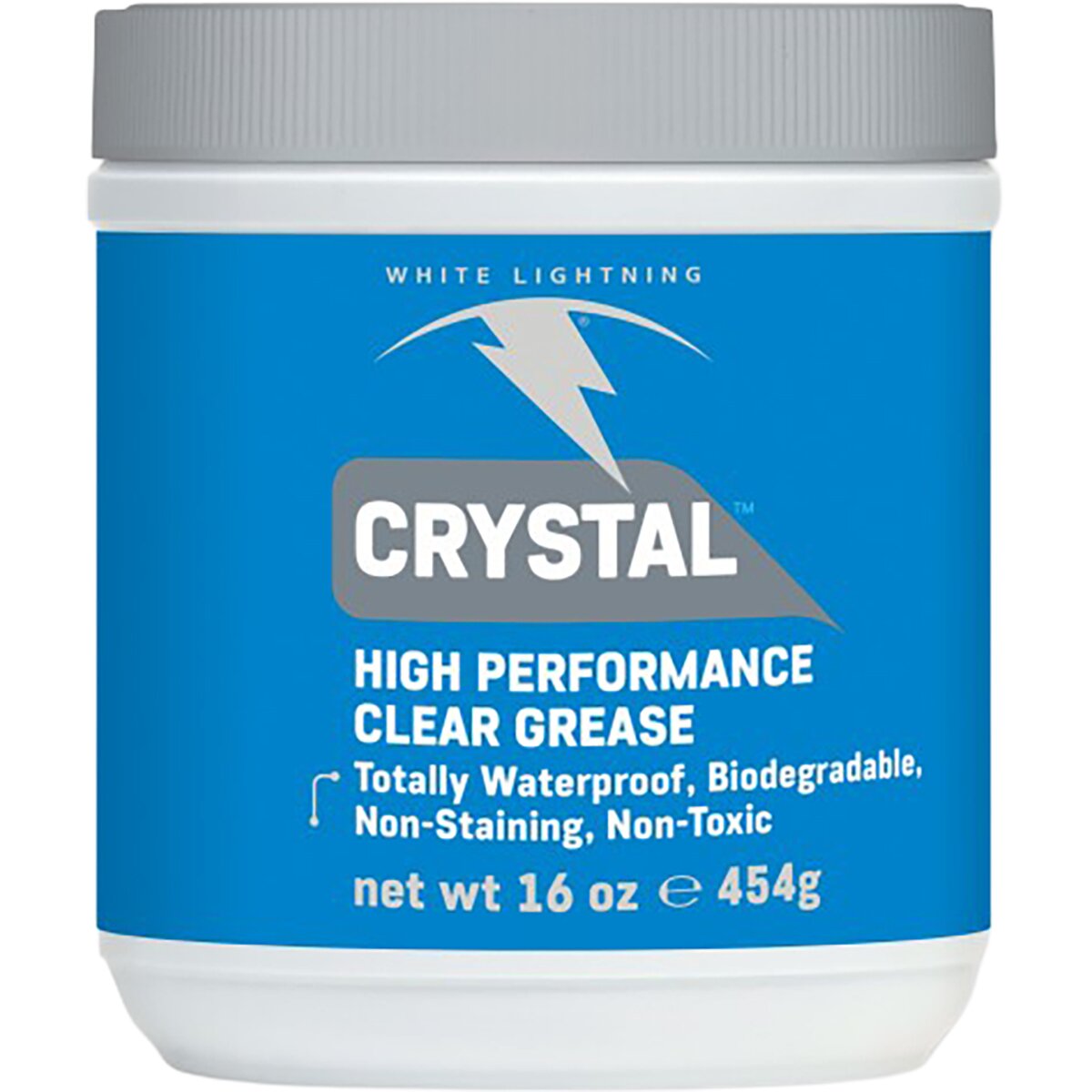




Related Posts


Frequently Asked Questions
How do I know whether I need wet or dry chain lube?
Match the lube to the riding conditions, not the season. Dry lube stays cleaner in dust and on dry trails but needs reapplying more often; wet lube holds up through rain and mud but attracts grit, so wipe the chain down after wet rides.What does chain wax do differently?
Wax coats the chain in a hard, dry film that sheds dirt instead of holding it, so the drivetrain stays cleaner and quieter. It takes more prep, because the chain has to be fully degreased first, and it is reapplied after a set number of rides or after a wet one.How often should I lube a bike chain?
After every wet ride, and otherwise whenever the chain starts to sound dry or looks dull. Many riders lube every 100 to 150 miles with a dry lube and less often with wax; a quick wipe before applying keeps the fresh coat from mixing with old grit.Do I have to degrease the chain before switching lubes?
Yes when moving to wax, because wax will not bond over oil. Between wet and dry oil lubes a thorough wipe is usually enough, but a full degrease gives a cleaner start and makes it easier to see how the new lube wears.How do I tell when a chain is worn out?
Use a chain checker: most tools flag 0.5% stretch for 11- and 12-speed chains and 0.75% for fewer gears. Replacing the chain on time protects the cassette and chainrings, which cost far more.