


20% Off Full-Price Items
Shop now
Black Friday Sale: Up To 60% Off
Shop Now
YETI Climb
5 results

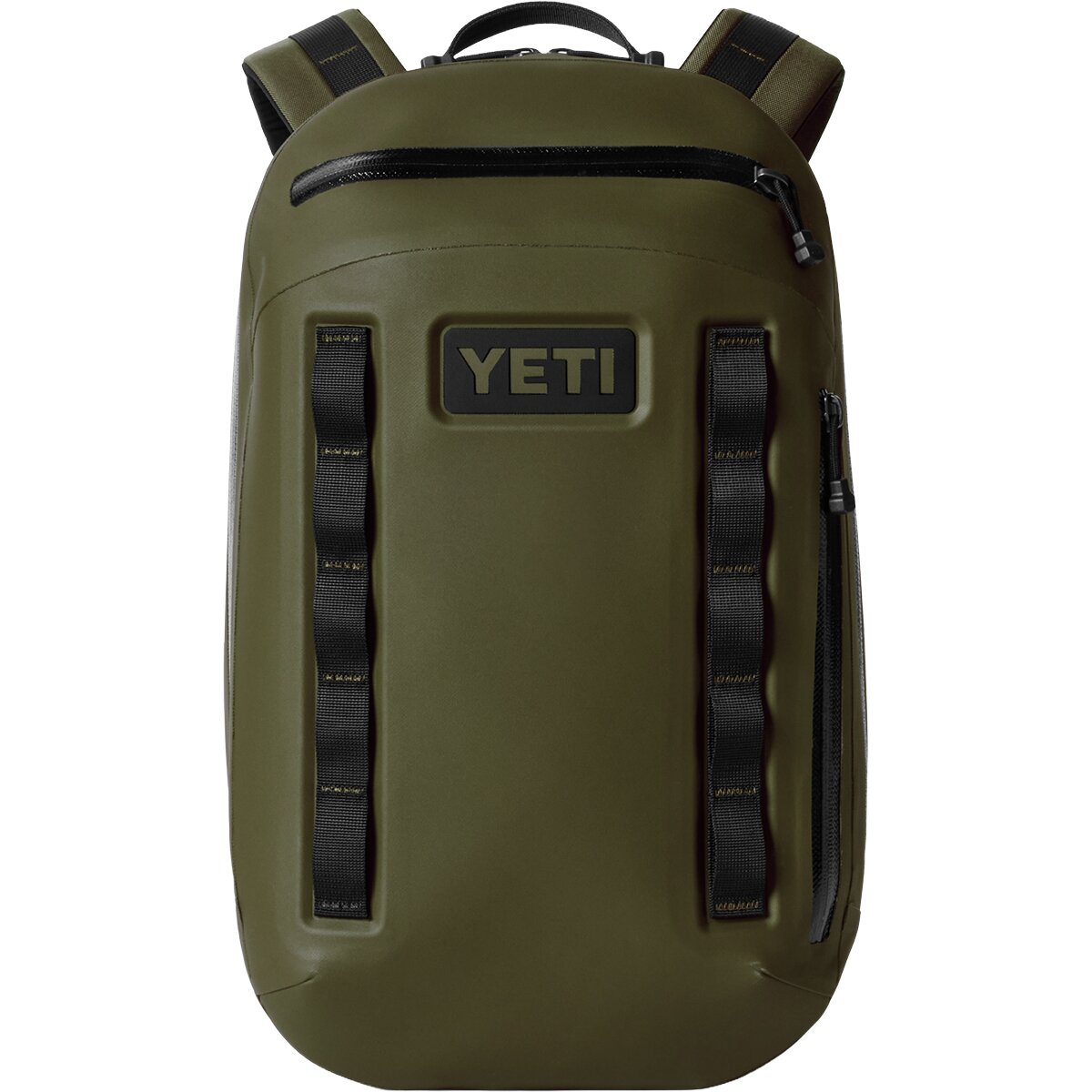
YETI
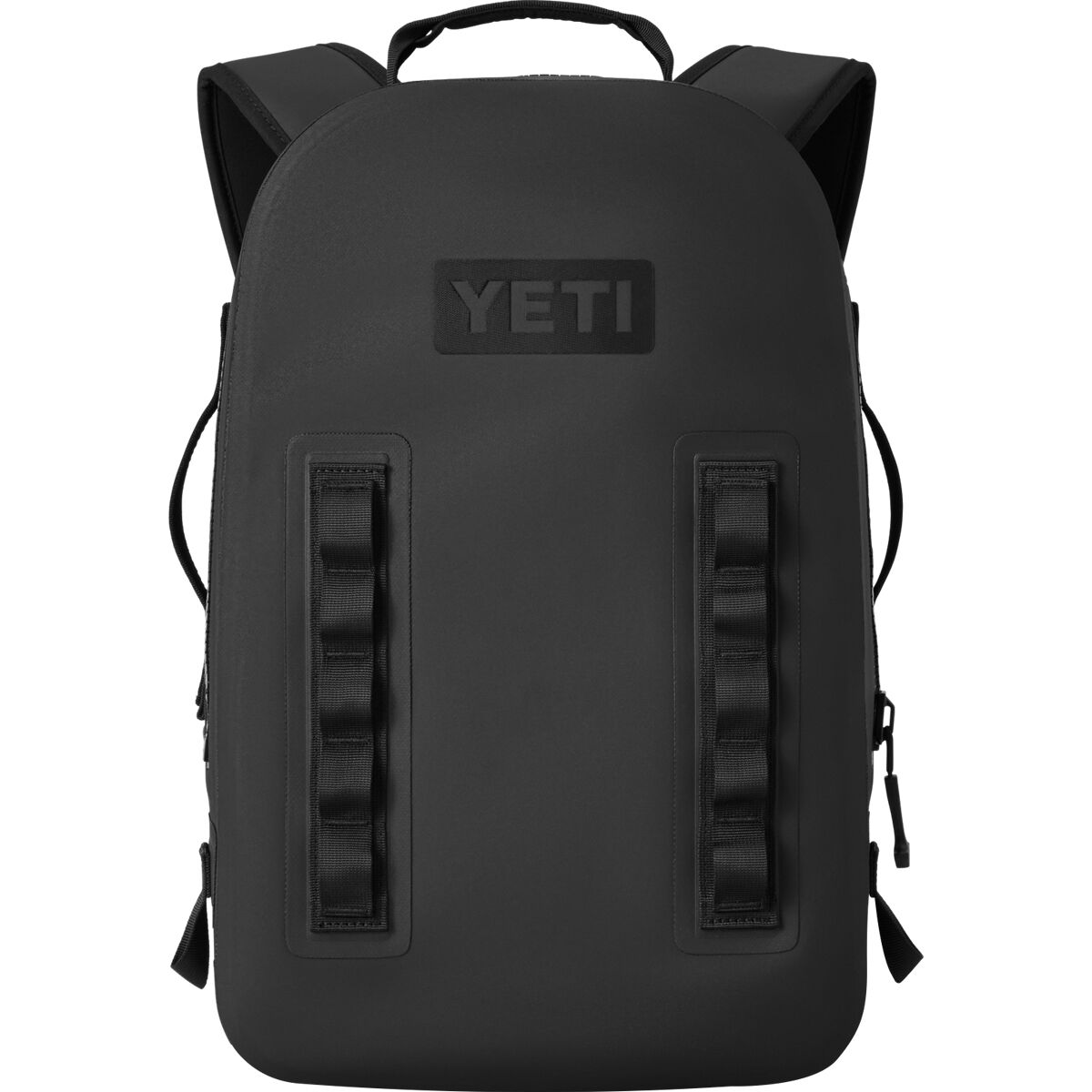
Panga 28L Backpack
2 colors
$325.00
(340)

YETI
Cayo 35L Backpack
1 color
$300.00
(11)

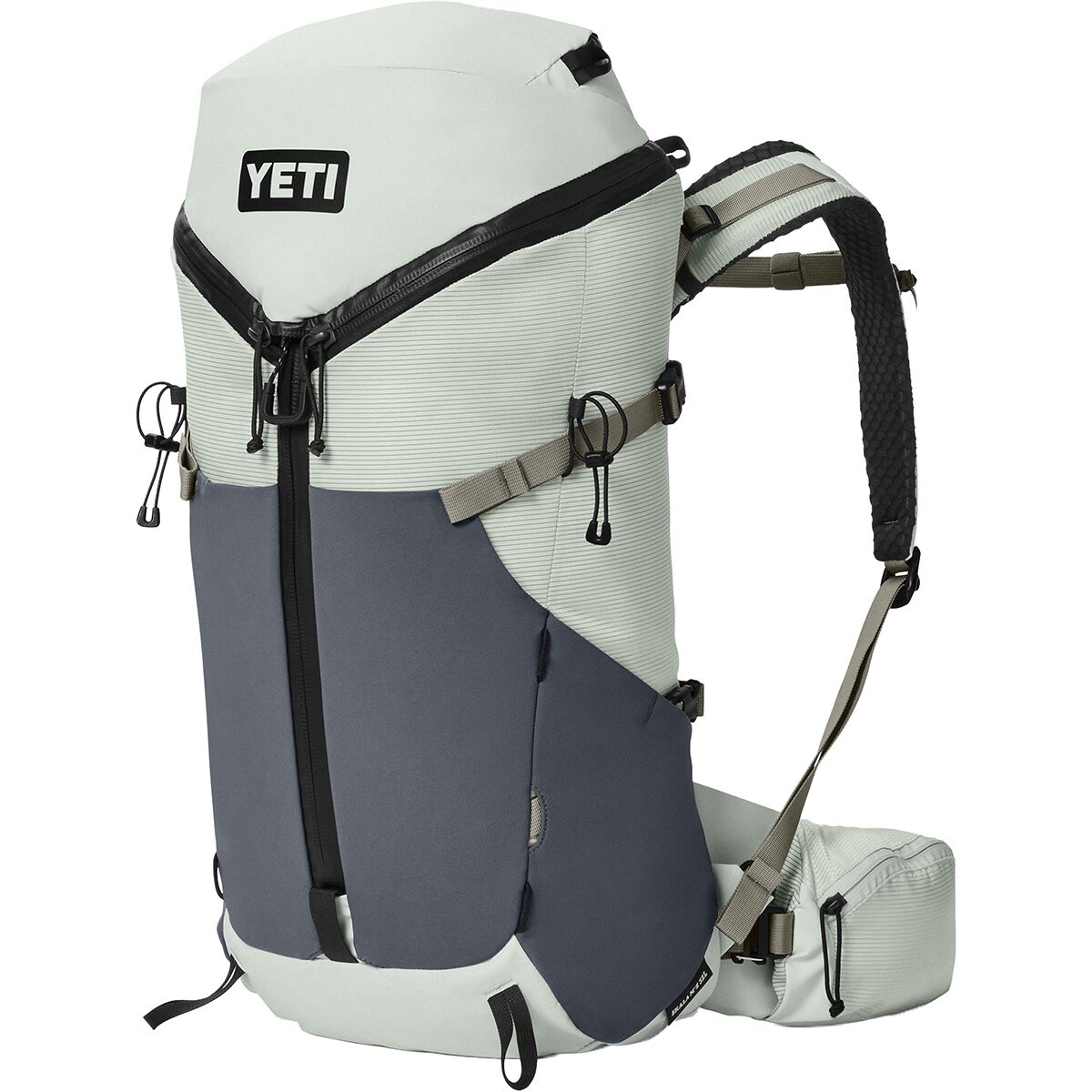
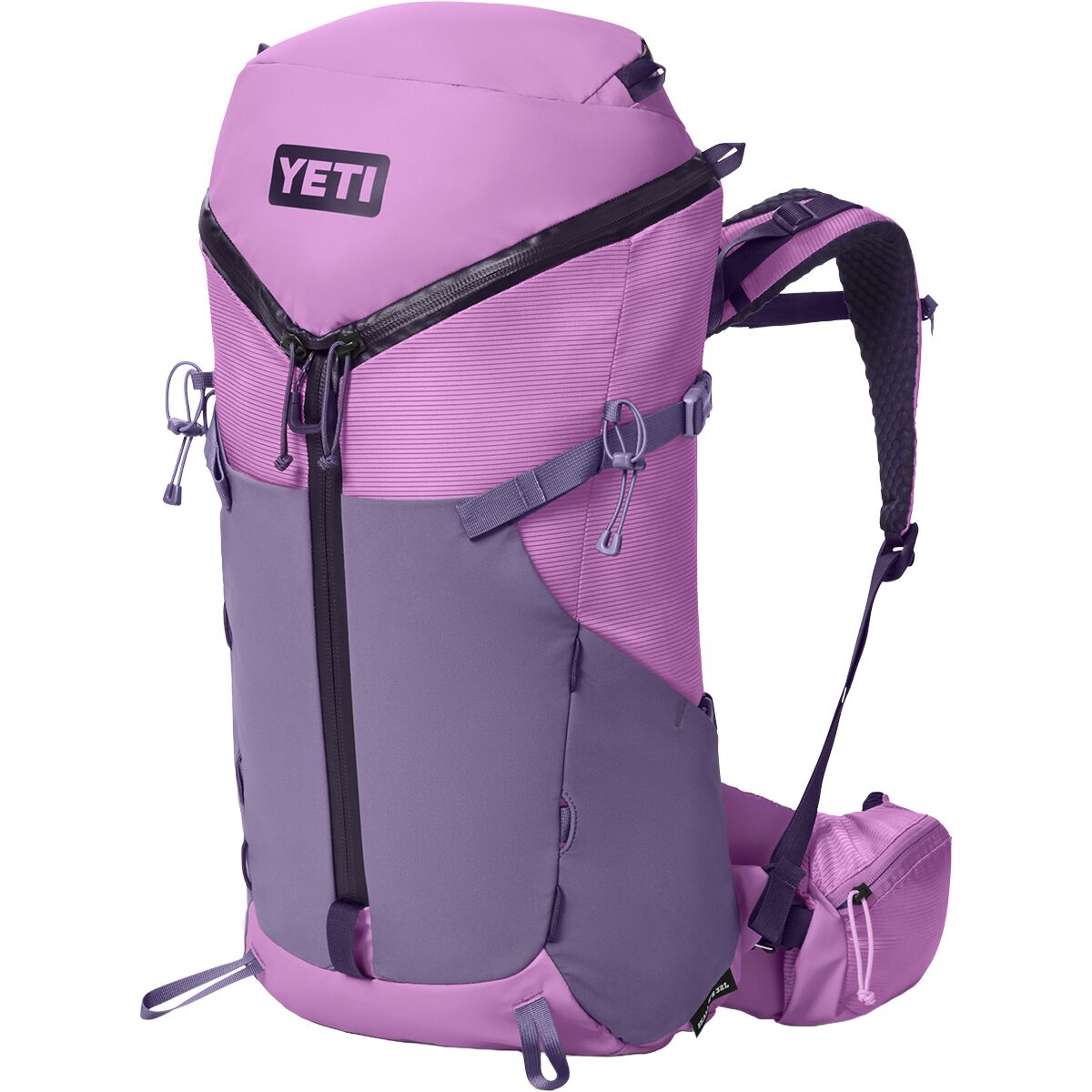
YETI
Skala 32L Backpack - Women's
3 colors
$300.00


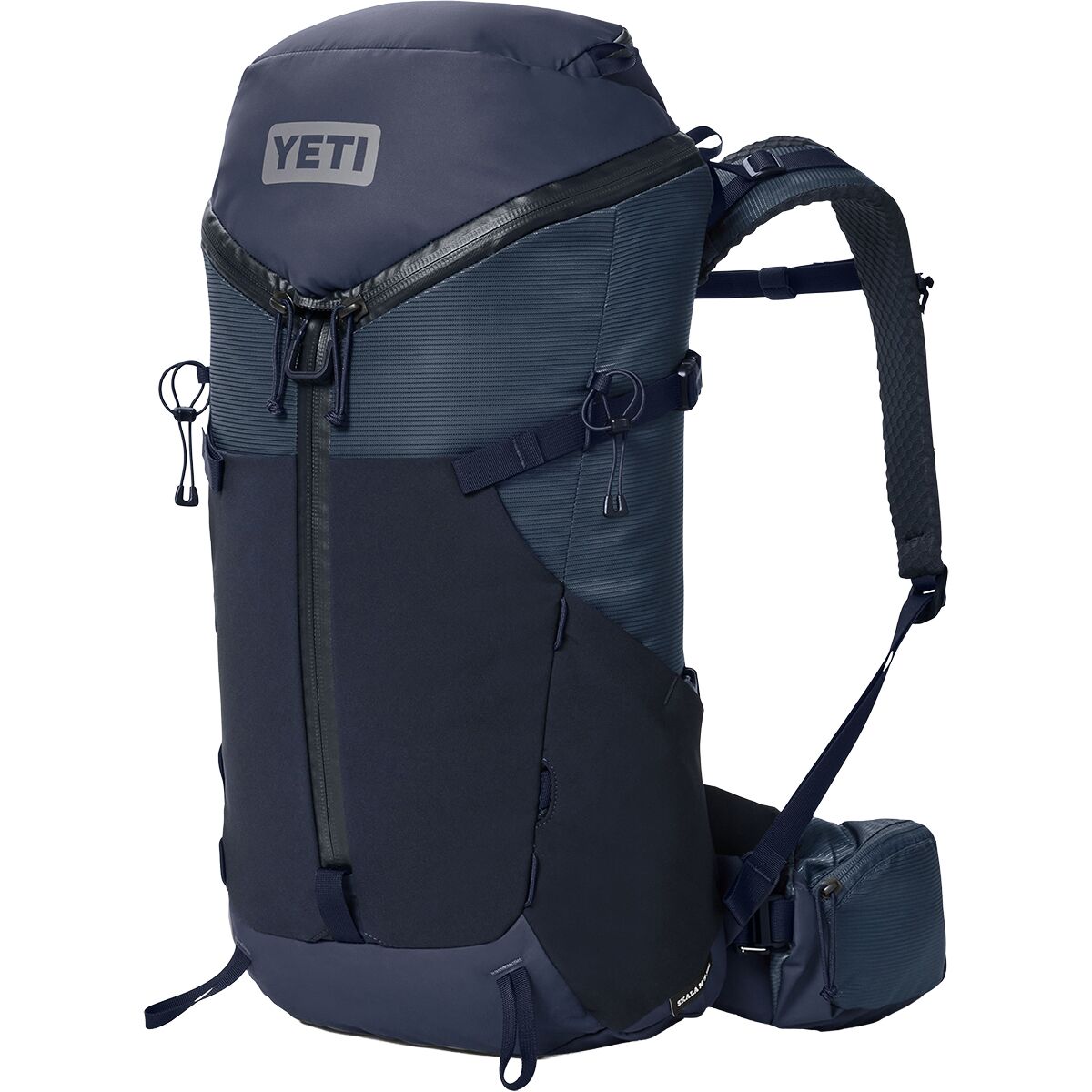
YETI
Skala 32L Backpack - Men's
3 colors
$300.00
(1)

YETI
Cayo 25L Backpack
3 colors
$250.00
(33)
Related Categories
Frequently Asked Questions
How do I choose the right YETI pack size (Skala™ 32L, 40L, 50L, 60L) for ice climbing, canyoneering, and multi-day trips?
Choose by planned activity and gear volume: 32L–40L is ideal for day-long hikes and single-pitch ice days with compact ropes and tools, 50L suits weekend backcountry camping with extra layers and a stove, and 60L is best for multi-day thru-hikes or extended climbs needing more base layers and food. Also confirm torso length and use the pack’s micro-adjustable suspension to dial in comfort for long carries. Prioritize a waterproof model when you’ll be crossing deep water or facing heavy precipitation.How waterproof are the Panga® Waterproof Bag and Hopper M20 Backpack Cooler for wet technical climbs and canyoneering?
The Panga® is submersible-rated and built to keep contents dry during deep wading or full-immersion scenarios, making it the top choice for canyoneering and wet ice approaches. The Hopper M20 Backpack Cooler and similar pack-style YETI models use ultra-durable, water-resistant materials like Tough Hide to fend off heavy rain and splashes while offering pack organization, but they aren’t described as submersible. Match the model to how much water exposure you expect.How does the Skala™ Hiking Pack compare to the Panga® Waterproof Bag for ice climbing and technical day use?
The Skala™ Hiking Pack (available in 32–60L) is built for organized carries with ergonomic, micro-adjustable suspension, wide-mouth access, and features geared toward long carries and technical climbing. The Panga® prioritizes complete waterproof protection and is ideal when keeping gear bone-dry is the top concern, but it has a simpler internal organization compared with Skala. Choose Skala for sustained climbs and load comfort, and Panga® when submersion or heavy water exposure is likely.How do YETI materials and carry systems—like Tough Hide and micro-adjusts—affect durability and comfort on rugged routes?
Tough Hide and YETI’s proprietary fabrics provide high puncture and abrasion resistance for exposure to rock, ice, and abrasive canyon walls, extending pack life in rugged use. Micro-adjustable suspension systems let you fine-tune torso fit for stable, comfortable carries over long approaches, while wide-mouth openings and reinforced seams improve access and longevity. Those construction choices trade added weight for reliability and long-term performance on technical routes.What features should I prioritize when buying a YETI technical daypack for ice climbing—attachments, access, and organization?
Look for reinforced ice tool loops or lash points, helmet straps or external carry, roomy wide-mouth openings for quick access to layers and rope, and a micro-adjustable harness for a secure fit during technical moves. Waterproof materials or a Panga®-style option are essential for wet approaches and canyoneering, while durable fabrics like Tough Hide and reinforced haul/gear loops increase longevity on sharp terrain. Balance the pack’s capacity against your typical gear list to avoid overstuffing or leaving essentials behind.