


Up To 70% Off Ends Today!
Shop now
Spend $200, Get $30 Cash Back
Summit+ only | Shop kids'
Xtratuf Women's Rain Boots & Shoes
11 results


+4
Xtratuf
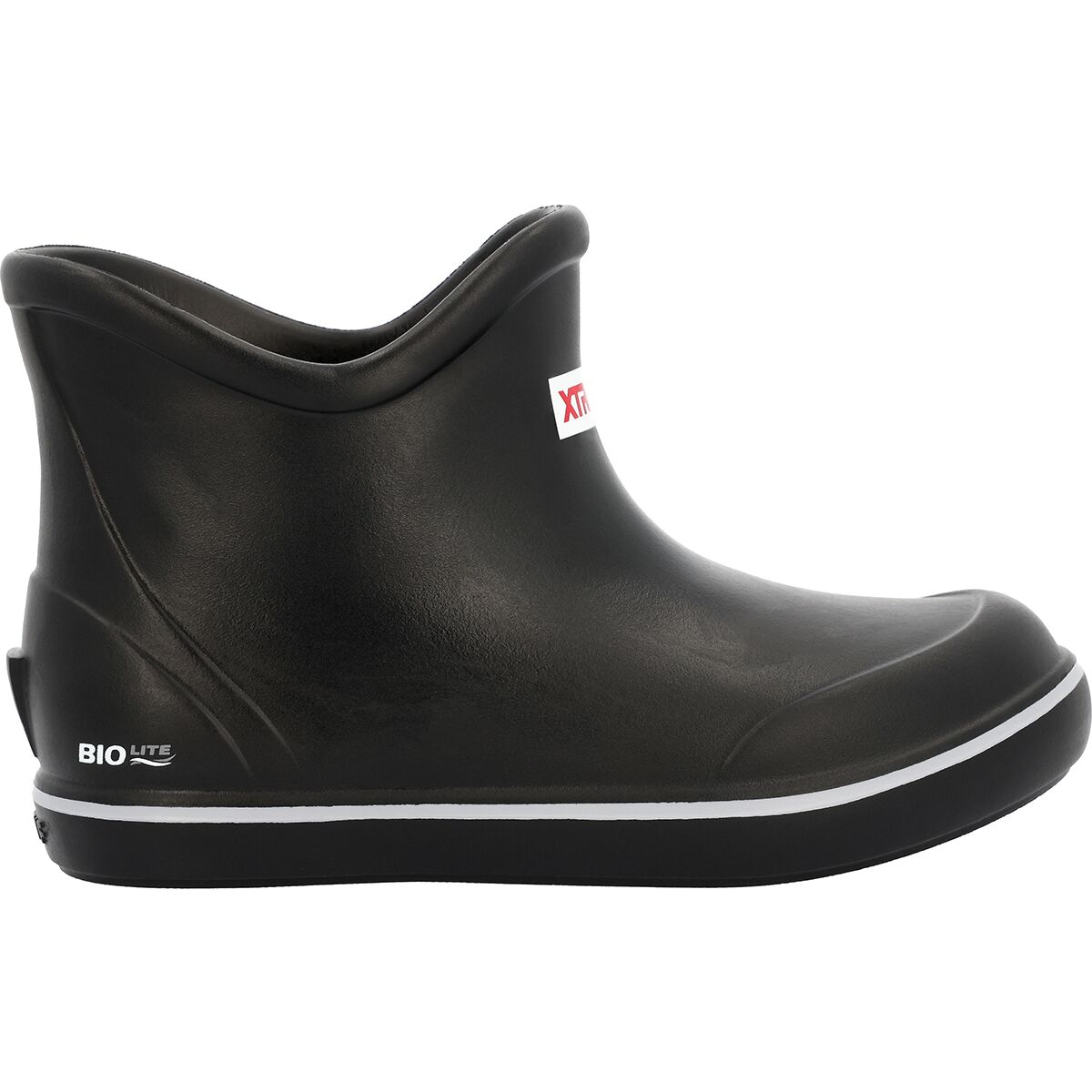
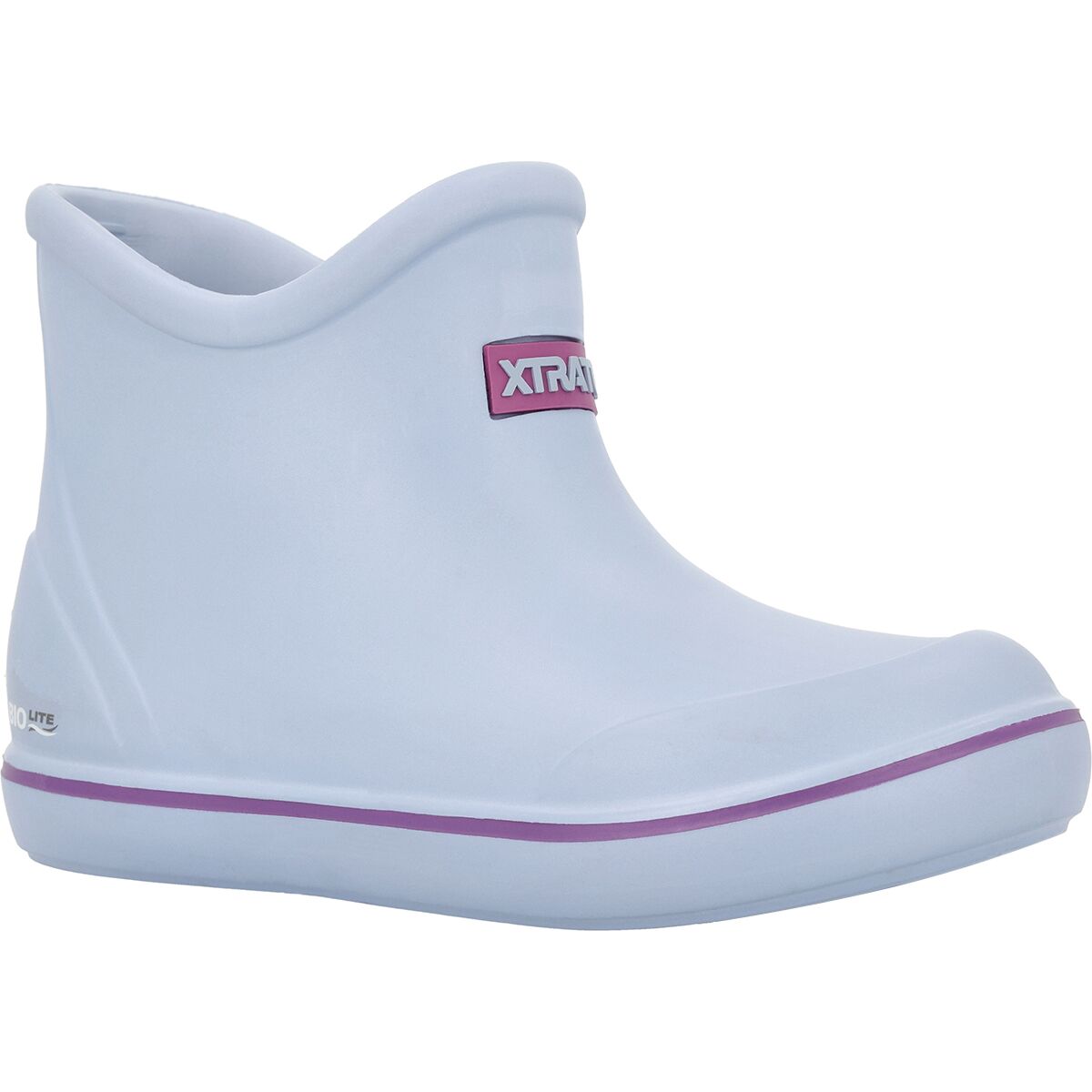
Ankle 6in Deck Boot - Women's
8 colors
$115.00 - $125.00
Discount Applies In Cart | Ends 11/1
(484)

Xtratuf
Legacy Salmon Sisters 15in Boot - Women's
4 colors
$165.00 - $170.00
Discount Applies In Cart | Ends 11/1
(193)

Xtratuf
Ankle Deck Vintage 6in Boot - Women's
2 colors
$125.00
Discount Applies In Cart | Ends 11/1
(26)

Xtratuf
Camp 6in Ankle Deck Boot - Women's
3 colors
$125.00 - $130.00
Discount Applies In Cart | Ends 11/1
(19)

Xtratuf
Out of the Ordinary 6in Ankle Deck Boot - Women's
2 colors
$125.00
Discount Applies In Cart | Ends 11/1
(5)

+3
Xtratuf
Ankle 6in Sport Deck Boot - Women's
7 colors
$140.00 - $145.00
Discount Applies In Cart | Ends 11/1
(81)

Xtratuf
Ankle 6in Deck Boot Print - Women's
2 colors
$125.00
Discount Applies In Cart | Ends 11/1
(21)

Xtratuf
Wheelhouse Ankle 6in Deck Boot - Women's
2 colors
$140.00 - $145.00
Discount Applies In Cart | Ends 11/1
(61)

Xtratuf
Legacy 12in Boot - Women's
1 color
$155.00
Discount Applies In Cart | Ends 11/1
(29)

Xtratuf
ADB Sport 6in Boot - Women's
2 colors
$145.00 - $149.95
Discount Applies In Cart | Ends 11/1
(21)

Xtratuf
Ankle Salmon Sisters 6in Deck Boot - Women's
3 colors
$115.00 - $125.00
Discount Applies In Cart | Ends 11/1
(106)
Related Categories
Frequently Asked Questions
How do XTRATUF women's boots keep water out?
XTRATUF achieves 100% waterproofing through hand-laid or triple-dipped rubber and latex-neoprene construction that creates a seamless, water-tight shell with reinforced ankle and heel panels. Some models add comfort linings like XPRESSCOOL, but the core barrier is the layered rubber construction rather than a membrane.How does the XTRATUF Legacy 15" Women's Rain Boot compare to the Women's Ankle Deck Boot?
The Legacy 15" provides knee-coverage for deep wading and heavy-duty offshore work and weighs about 4 lbs per pair, while the Women's Ankle Deck Boot (6") is a lighter, slip-on style built for on-deck agility and everyday boating. Both use the same hand-laid rubber construction and Chevron outsoles for slip-resistance, but the Legacy prioritizes maximum coverage and durability whereas the ankle boot prioritizes low weight and easy on/off.What size should I choose and how should XTRATUF boots fit for a watertight seal?
Size up for half sizes and expect a roomy footbox for thick socks; the neoprene foot and flexible rubber allow natural movement while the shaft/calf should fit snugly to form a seal (Legacy measures about a 14.75" opening). If you plan to pack liners for cold weather, factor that into sizing, and note a slight heel slip is common but usually not enough to cause blisters.Are XTRATUF boots slip-resistant enough for boating and fishing?
Yes, XTRATUF uses Chevron tread outsoles with SRA/SRB/SRC-rated compound and non-marking rubber designed for wet and oily surfaces common on boats and docks. Traction performs very well on deck and rocky shorelines, though deep mud and debris can clog tread and reduce grip, so rinse soles after muddy use.Are XTRATUF boots insulated, and how do they perform in cold weather?
Most XTRATUF women's models are non-insulated out of the box, optimized for long wear in wet conditions rather than extreme cold; for colder temperatures add liners such as Bama Sokket or felt insoles and size accordingly for thicker socks. With liners they work well in mild to moderate cold, but for sustained freezing conditions you may prefer a purpose-built insulated boot.